

During 2017, the improvements and refinements seen during previous years in the treatment of rheumatoid arthritis have been extending to other conditions ranging from psoriatic arthritis to lupus and for both monoclonal antibodies and oral small molecule medications.
Advances for Biologics
Drug Safety has published a systematic review of the FDA’s Adverse Event Reporting System (FAERS) and finds numerous reports of thromboembolic adverse events (AEs) associated with two currently marketed Janus kinase (JAK) inhibitors, tofacitinib (Xeljanz) and ruxolitinib (Jakafi). (Citation source: https://buff.ly/2zXyY2X)

The PRECISION trial reported last year that celecoxib appears to be safer than the NSAIDs naproxen or ibuprofen in treating osteoarthritis (OA) and rheumatoid arthritis patients who are at increased cardiovascular risk. New data suggests that adding aspirin may nullify this advantage, according to a study presented at the annual American Heart Association meeting and reported by Medscape.

This rant is addressed to the Internet, all worldly publications, the ACR/ARHP, and our good friends at Elsinore Brewery. For the love of God. PLEASE stop calling nurse practitioners (NPs) and physician assistants (PAs) "Non-Physician Providers". And do not call us "midlevels". Do not call us "physician extenders". The collective proper nosology is Advanced Practice Providers (Acronym of the Day: APPs).
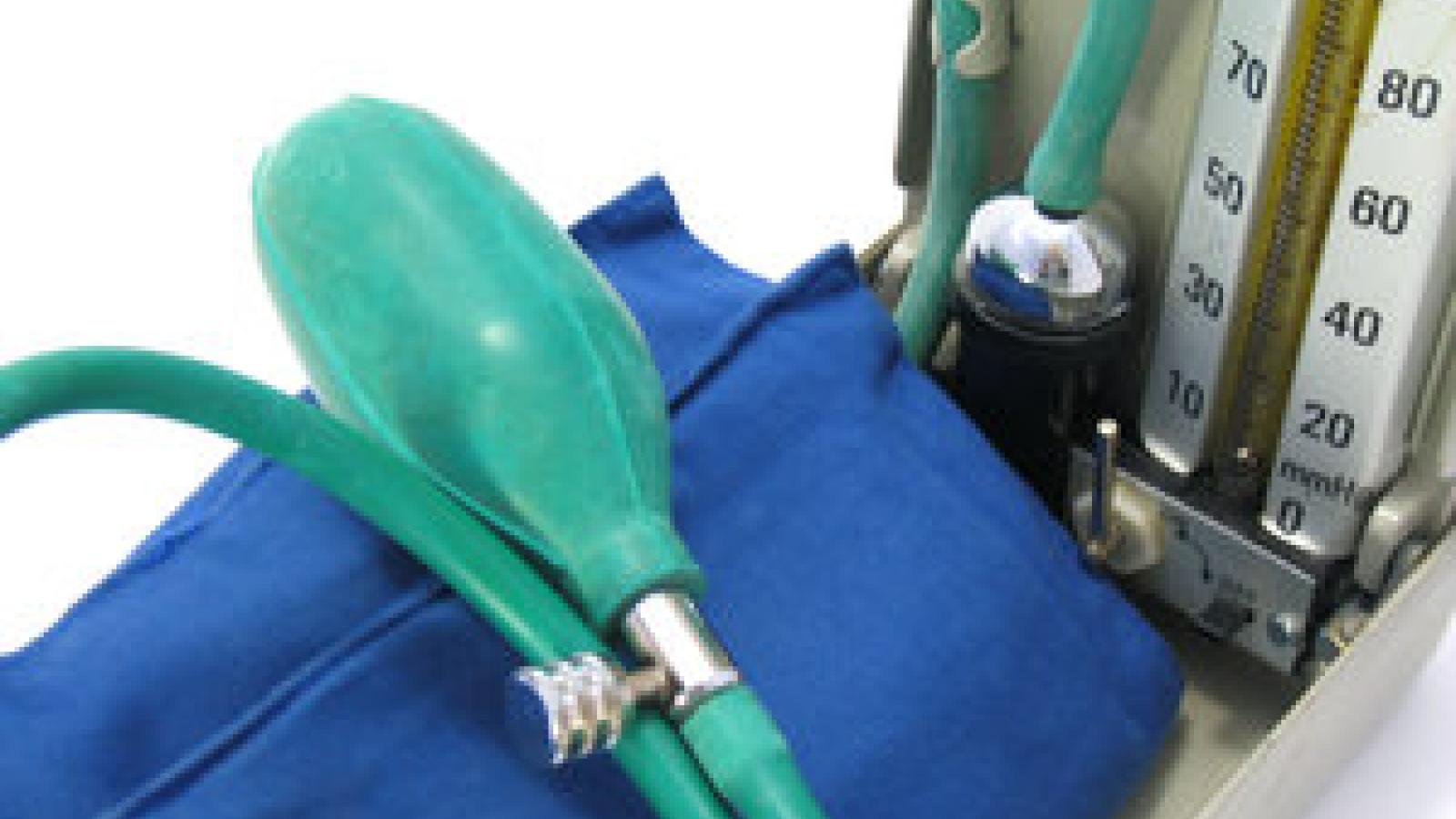
Researchers from the Oregon Health Science Center have reported that fibromyalgia can be distinguished from chronic pain by primary care providers (PCPs) who employ two simple screening tests: BP cuff-evoked pain and a single patient question, and pain induced by pinching the Achilles tendon.
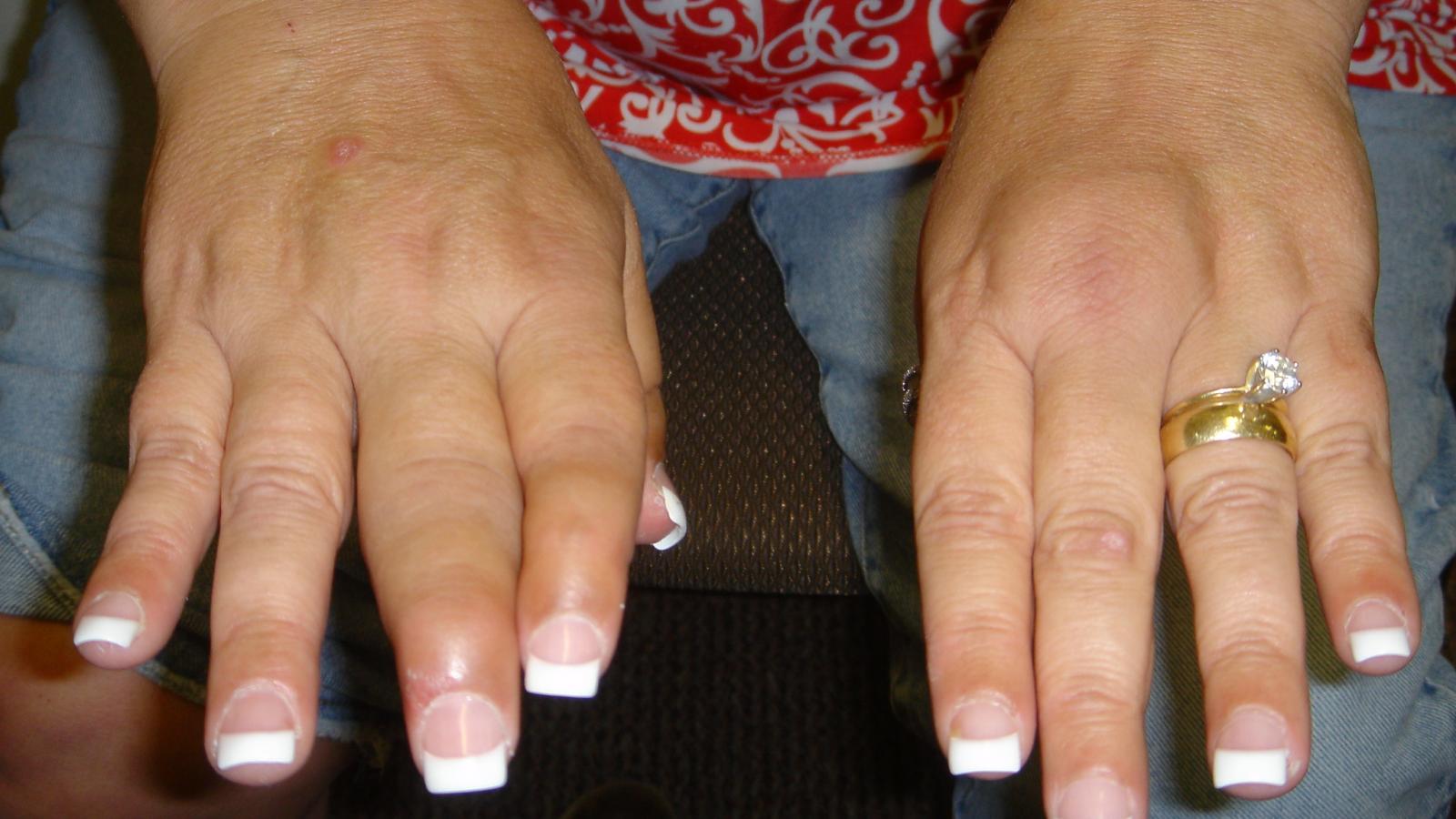
On Friday, December 1st, the FDA approved Lilly's drug Taltz (ixekizumab) for use in adult patients with moderate-to-severe plaque psoriasis who are candidates for systemic therapy or phototherapy. Taltz, an IL-17 inhibitor, has previously been approved for plaque psoriasis where it has shown high level PASI75 and PASI100 responses.

Dr Jack Cush reviews nighlights and news from the past 2 weeks on RheumNow.com. This week's report includes new drug approvals, disappointing ACR guidelines, Lyme & Zika, infertility, dermatomyositis skin outcomes and myositis-associated cancer testing.

JAMA Dermatology reports that clinical remission was relatively uncommon in dermatomyositis, despite aggressive systemic therapy, but was best in those receiving mycophenolate during a 3-year study.

A new study presented at the Radiological Society of North America (RSNA) shows that obese people with substantial weight loss may significantly slow down the rate of joint space narrowing (cartilage degeneration) in the knee cartilage, but only if they lose weight through diet and exercise or diet alone; excercise alone is insufficient.

Women with the autoimmune inflammatory myopathies dermatomyositis (DM) and polymyositis (PM) are at increased risk for hypertensive disorders in pregnancy, a nationwide retrospective study found.

JAMA Internal Medicine has reported that recommendations and clinical practice guidelines from the American College of Rheumatology are often based on expert opinion, but lack rigorous (grade A) evidence to support many of their recommendations.

A metanalysis published in BMJ Open shows that for half of the world’s population, primary care doctor visits last less than five minutes and that the range is from 48 seconds in Bangladesh to 22.5 minutes in Sweden (US PCP visit averages at 20 minutes).

Researchers at the Boston University School of Medicine have published a new report showing that arthritis affected 91 million adults in the US in 2015 or 37% of the poplulation. Their prevalence estimate is 68% higher than previously reported arthritis national estimates.

Annals of Rheumatic Disease reports that gout is associated with higher work absenteeism and thus, increased costs for society due to productivity loss.
Using Swedish national and regional registry data from 2000 to 2012, researchers studied 4571 gout patients of working age, and compared them to 22 482 population controls and assessed patient characteristics, work-loss days (absenteeism), sick leave and disability.

