
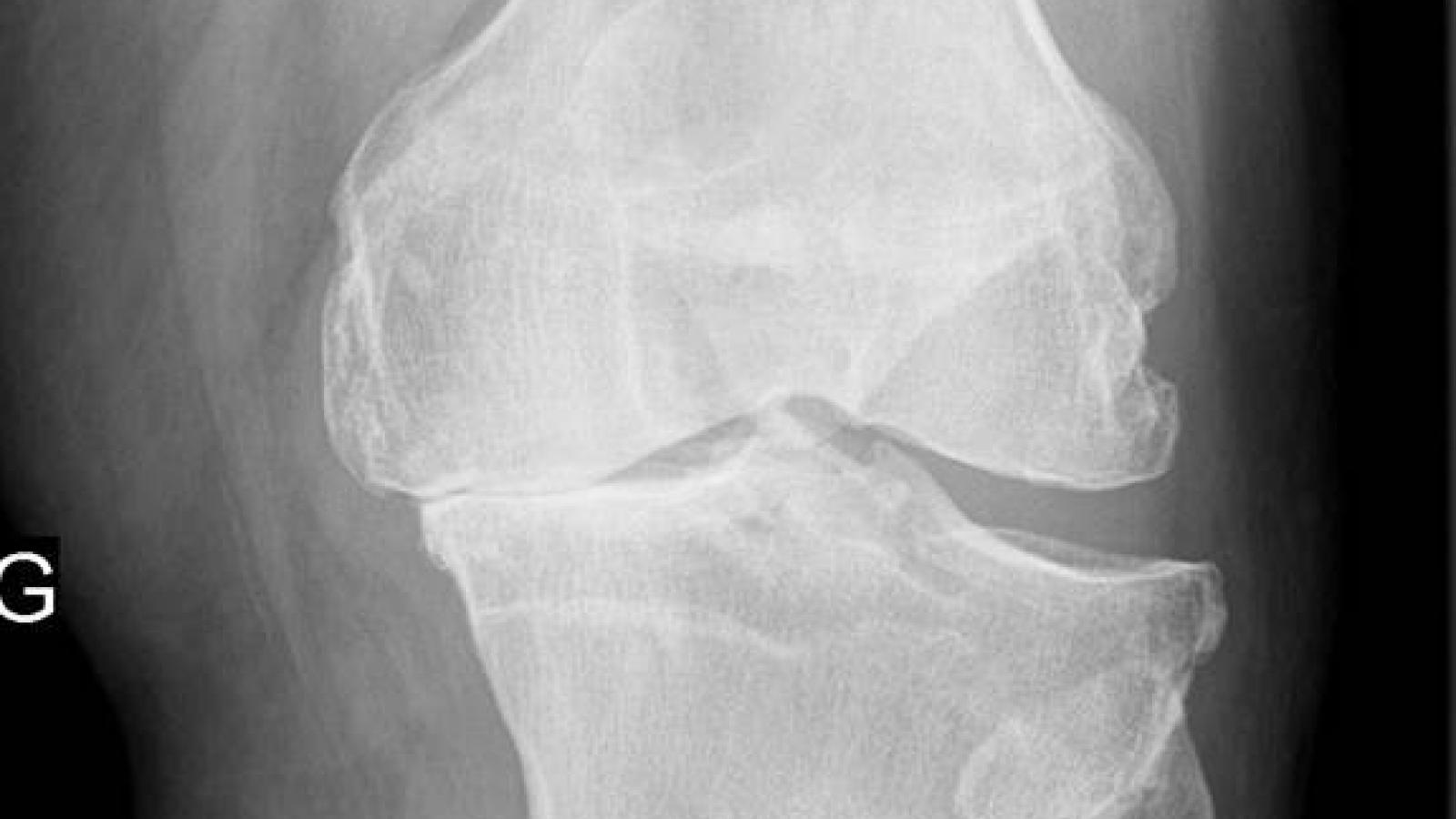
Pain management in knee osteoarthritis (OA) is confounded by studies showing less is equal to usual standards of care. A recent trial showed that meloxicam was superior to placebo or cognitive behavioral therap (CBT); although the differences were small.

From January 1, 2020–May 18, 2020, approximately 1.3 million cases of coronavirus disease 2019 (COVID-19) and 83,000 COVID-19–associated deaths were reported in the United States. MMWR reports that COVID-19 mortality is higher in persons with underlying medical conditions and in those aged ≥85 years.

Dr. Jack Cush reviews the news, tweets and journal articles from the past week on RheumNow. Let's dig into this week's 14 highlights.
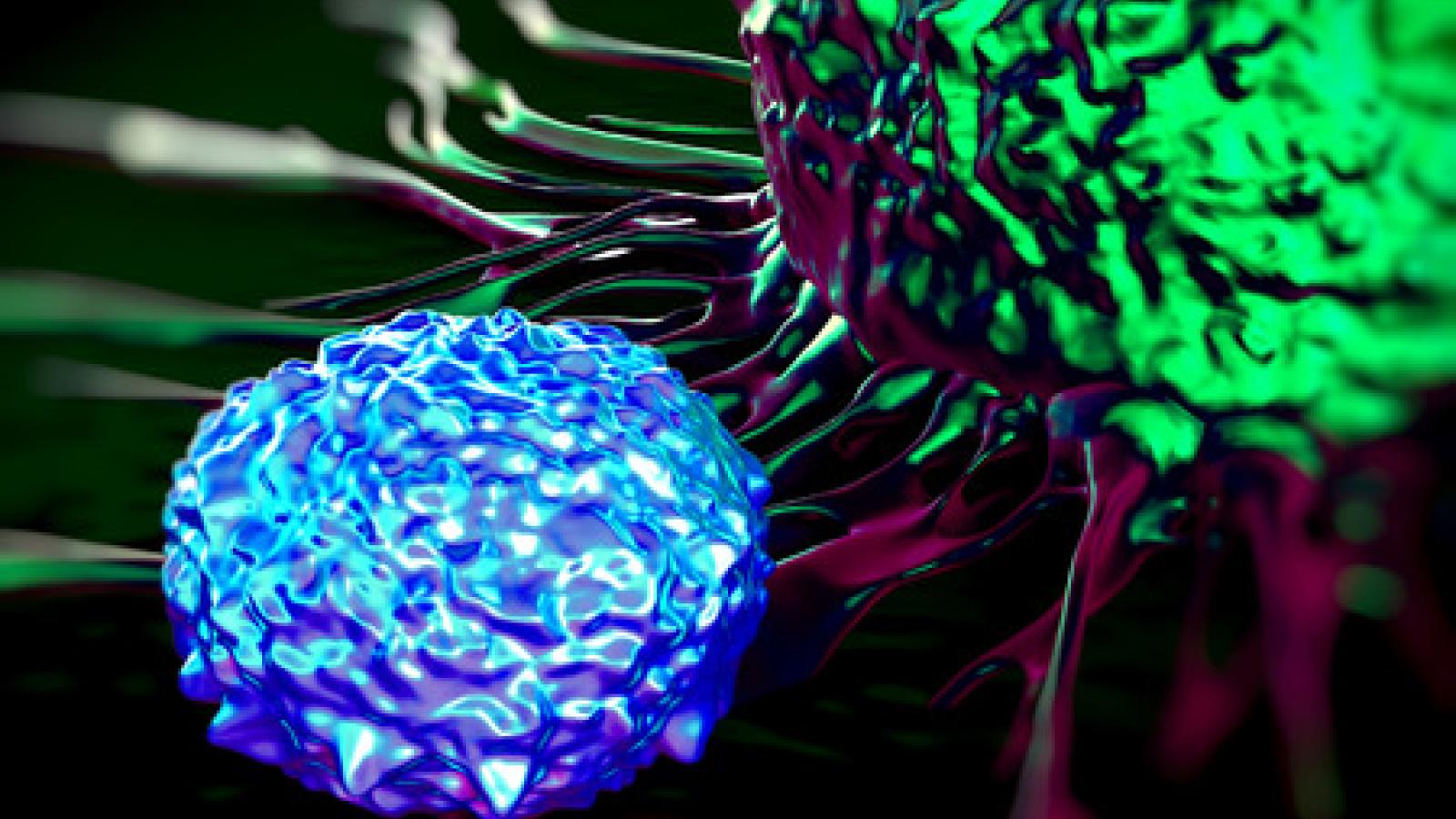
The current issue of NEJM reports a novel cell type that may be used to identify rheumatoid arthritis (RA) patients who may flare.
Investigators prospectively collected blood samples from 4 patients for longitudinal RNA sequencing (RNA-seq) for discovery of moleculartranscripts that were differentially expressed before flares.

Hydroxychloroquine (HCQ) helped reduce recurrent maternal autoantibody-mediated congenital heart block (CHB) in fetuses, an open-label study suggested.
Anti-SSA/Ro-positive mothers who had had a previous pregnancy complicated by CHB who took HCQ 400 mg daily, starting before completion of gestational week 10, had a 7.4% rate of clinically-relevant fetal CHB (second- or third-degree) at any time during the pregnancy.
Since the onset of the COVID-19 pandemic numerous anti-rheumatic therapies have been proposed as being potentially beneficial. The mechanistic effects of these agents, either presumed antiviral, anti-inflammatory and anti-thrombotic effects, may benefit mitigate the damage seen with COVID-19 infection.
This review will examine the potential benefits and existing evidence for treating suspected or proven COVID-19 infection with antimalarials,
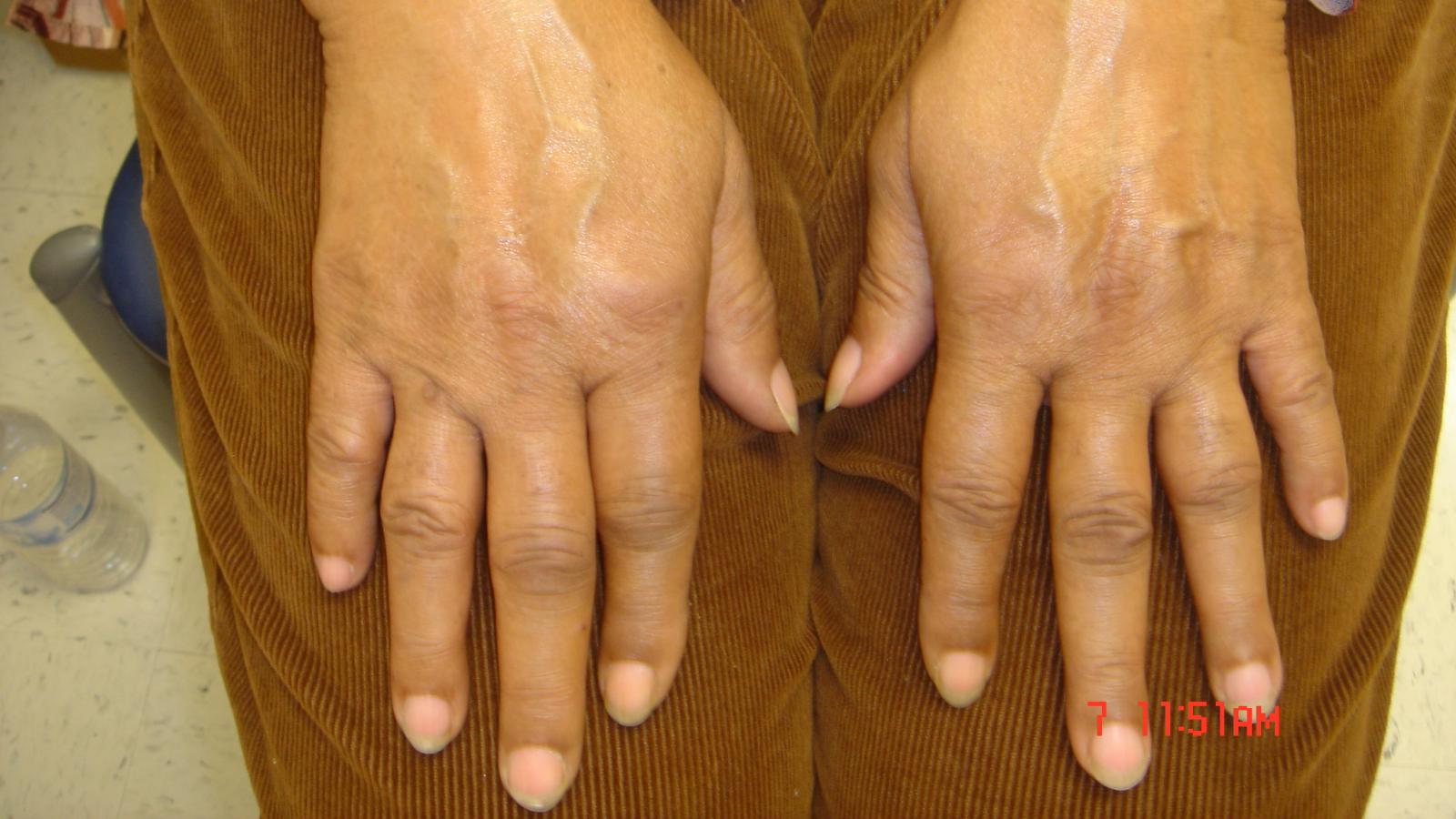
The oral Janus kinase (JAK) inhibitor upadacitinib (Rinvoq) given as monotherapy was more effective than methotrexate alone in methotrexate-naive patients with active rheumatoid arthritis (RA) in a multinational phase III trial.

A one year head-to-head (H2H) trial has shown ixekizumab (IXE) to be superior to adalimumab (ADA) in psoriatic arthritis (PsA); for both skin and articular outcomes.
The SPIRIT H2H study was a 52-week trial of 566 biologic DMARD naive, PsA patients, randomized to received either IXE or ADA. The primary end point was at Wk 24, but the newly published data shows week 52 results for ACR50 and Psoriasis Area and Severity Index 100

The risk COVID-19 infection and mortality in the U.S. has been closely correlated with increasing age. However, recent data suggests that young adults (aged 18–25 years) have shown an increasing risk of COVID-19 infection since the pandemic began in March 2020.

A new article in Nature Medicine delineates how our understanding of COVID-19 infection has evolved over time, such that the infection outomes may be worsened by extrapulmonary manifestations; notably thrombotic, cardiac, renal, gastrointestinal hepatic, neurologic, and other complications.

Colchicine has been advocated as a potential anti-inflammatory intervention in patients with the coronavirus 2 infection and clinical trials have been developed to assess its effect in early COVID-2 infection. JAMA has published a randomized clinical trial showing that low dose colchicine had less clinical deterioration without significant changes in biomarkers, such as high-sensitivity cardiac troponin and C-reactive protein.

For Jessica, an ICU nurse, 12-hour shifts were usually fast paced, challenging and productive. But the cadence and demands of work abruptly changed mid-March when COVID-19 came.
Amongst her many ICU admissions she took care of Larry, who was instantly interesting and forever memorable. He had contracted the coronavirus less than a week before. He was a 60-ish yr. old man who tried to be humorous, but who was clearly distressed and worried. He

A Lancet systematic review and meta-analysis provides the basis for physical distancing and the value of making as measures to prevent infection with coronavirus 2 (SARS-CoV-2) or COVID-19.
The analysis included 172 observational studies, no randomised controlled trials and 44 relevant comparative studies involving 25 697 patients.
It is not hyperbole to acknowledge that the COVID-19 pandemic has changed the world, inflicting pain and suffering to many, and inconvenience to all. As everyone struggles to make it through these difficult times, it might be worth pointing out some small silver linings that have emerged despite this pernicious dark cloud.

Another lonely locked-down day. Seems like months. Rent is due, phone and EMR fees next week. Loan is pending. Seems impossible to treat complex diseases without touch and only computer screen rapport. And yet, it is a good day.

