

More research is needed to determine the benefits and harms of osteoporosis medications on bone mineral density (BMD), fracture risk, and safety among patients with chronic kidney disease (CKD). This is important because complications of CKD include weak bones and increased fracture risk. The results of a systematic review and meta-analysis are published in Annals of Internal Medicine.
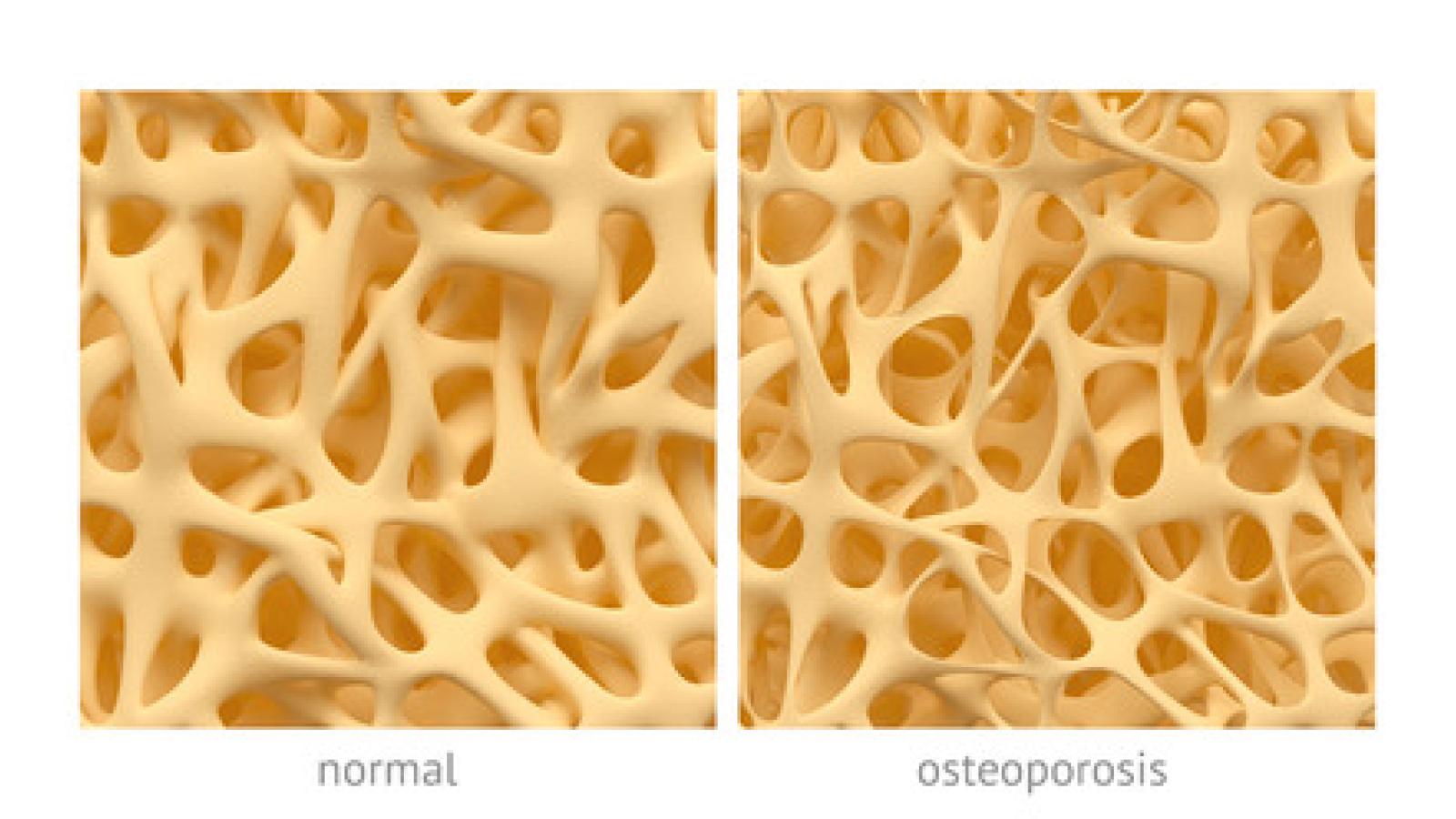
The Archives of Osteoporosis have published the results of a cohort study supporting the use of osteoporosis (OP) screening in those sustaining a non-vertebral fracture in patients over age 50 years, independent of sex of level of trauma sustained.
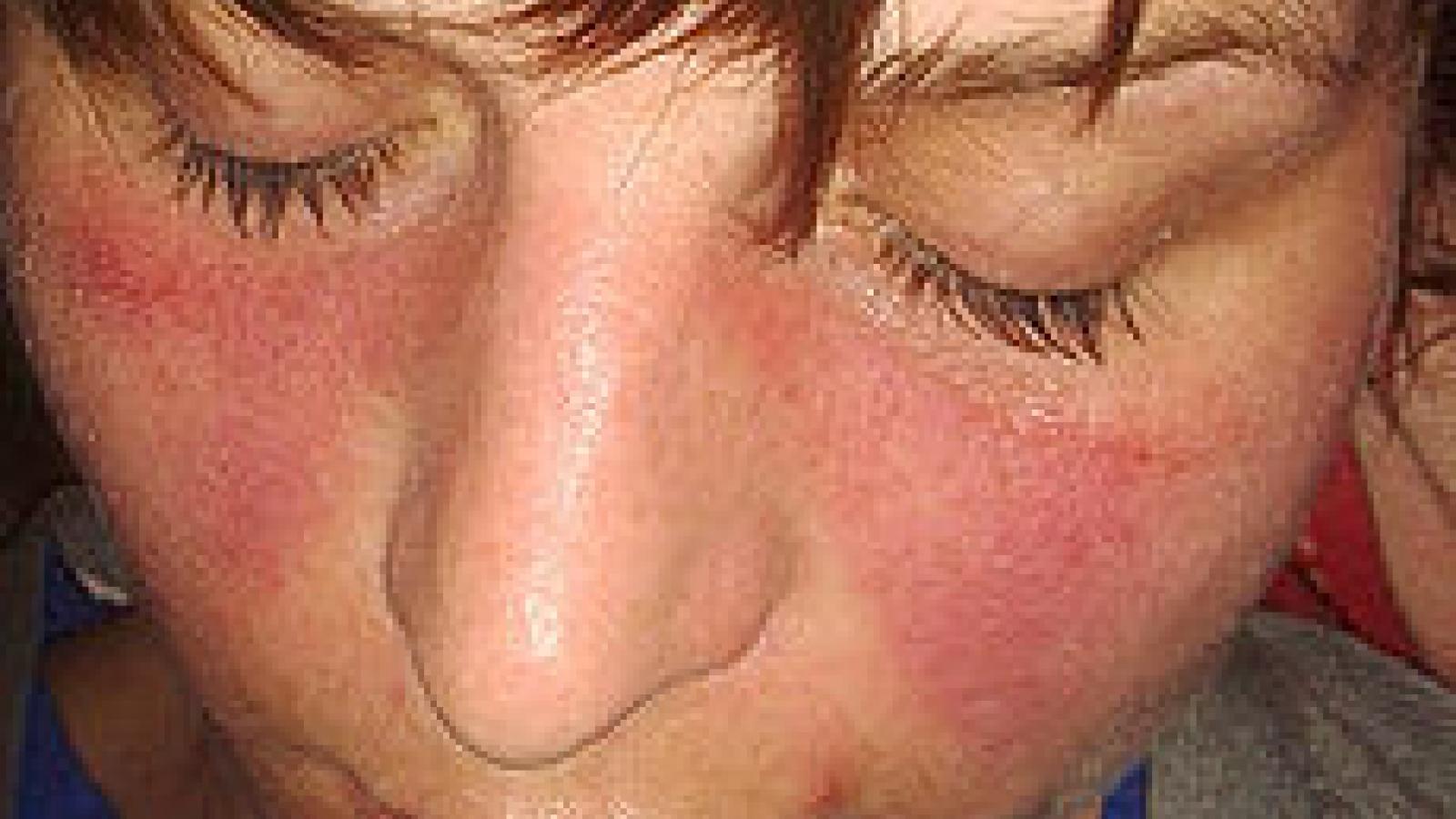
Hydroxychloroquine has become a mainstay in the treatement of patients with systemic lupus erythematosus (SLE) with proven efficacy in managing many domains of lupus, including skin, joint, and other autoimmune features.

Dr. Jack Cush reviews highlights from this week's meeting at the Cleveland Clinic Foundation - Biologics Summit VII; and of course a few other tweets and journal articles.

An updated systematic literature review has provided reassuring evidence regarding the increasing safety of biologic disease-modifying anti-rheumatic drugs (DMARDs) in the treatment of rheumatoid arthritis (RA), European researchers reported.


The issue of medication management is a complicated one, especially in complex rheumatoid arthritis (RA) patients taking biologic or immunosuppressive drugs. The 2016 Annual ACR meeting saw new guidelines on perioperative management and a number of abstracts suggesting the safety and advantages of continued DMARD and biologic use in those undergoing major surgery.

An article in the Journal of Bone and Mineral Research reports that physical activity during adolescence is an important determinant in bone strength. (Citation source http://buff.ly/2oph6vO)

Dr. Jack Cush reviews highlights from the news and Advances in Targeted Therapies meeting in Mandelieu, France:
Tweeting this week from Advances in Targeted Therapies #ATT2017 in Mandelieu, France.

Tumor necrosis factor-α inhibitors (TNFi) rarely have been reported to induce new-onset psoriasis. Although the rate of this adverse event is estimated to be 1/1000, it occurs with all TNFi and occurs in rheumatoid arthritis (RA), inflammatory bowel disease (IBD) and even psoriasis patients receiving TNF inhibitors.

Two current articles in the Journal of Rheumatology address issues surrounding mortality risk among those with new and established gout.
Vincent et al assessed predictors of mortality in patients with a recent onset of gout (disease duration < 10 years). They analyzed 295 patients with a mean followup duration of 5.1 years, during which time there were 43 deaths (14.6%).

