
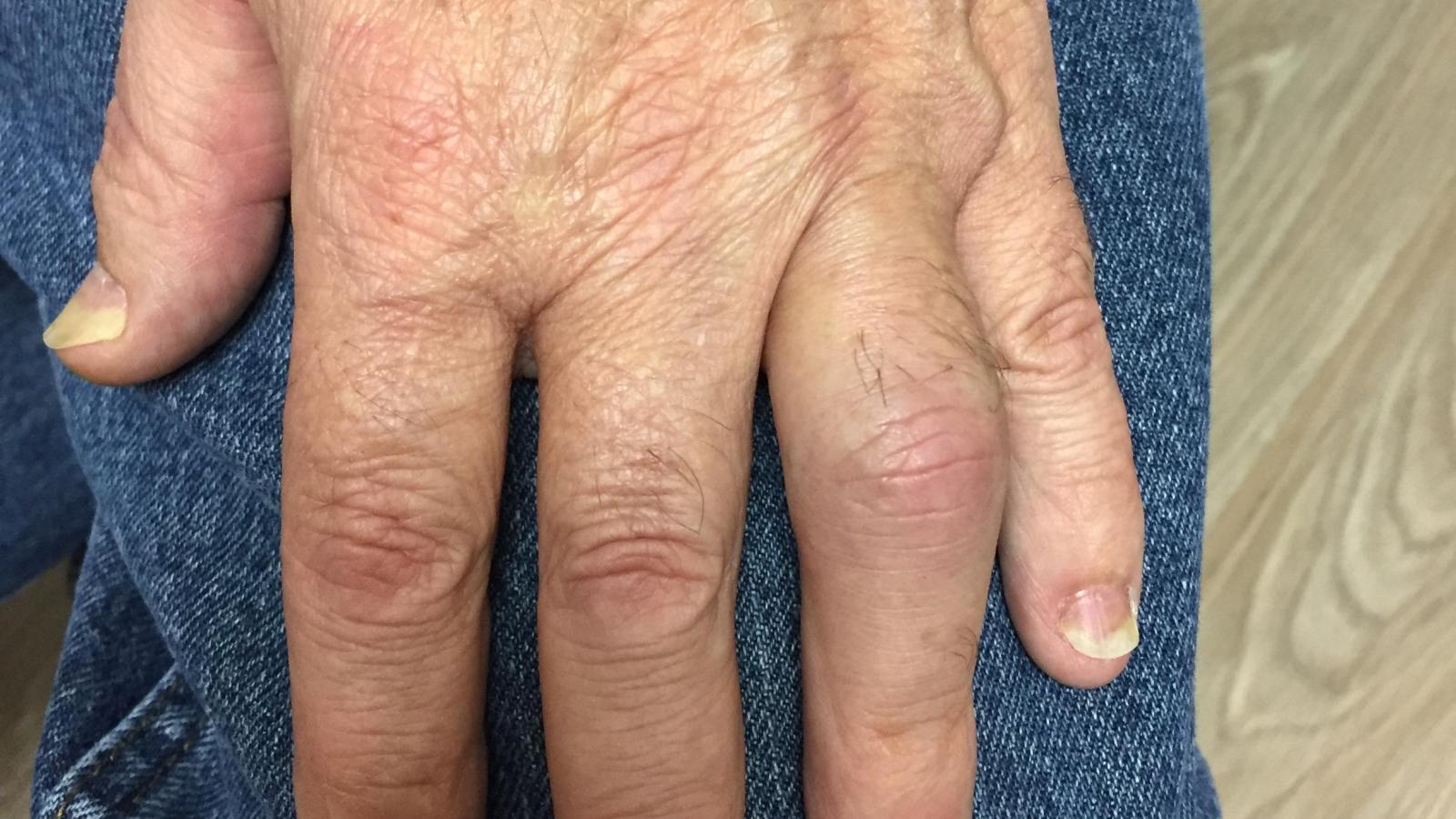
The EXCEED study was a head-to-head trial of secukinumab (SEC) versus adalimumab (ADA) as first-line monotherapy in psoriatic arthritis (PsA) patients; this 52 week trial showed that while SEC failed to achieve clinical superiority over ADA, SEC treated patients demonstrated higher treatment retention rates and better PASI90 response rates.

Another lonely locked-down day. Seems like months. Rent is due, phone and EMR fees next week. Loan is pending. Seems impossible to treat complex diseases without touch and only computer screen rapport. And yet, it is a good day.
Dr. Jack Cush reviews the news and journal reports from the past week on RheumNow.com.
As many parts of the country are lifting restrictions for businesses and allowing them to re-open, doctors are asking what they should do to keep themselves, their staff, and their patients safe. As rheumatologists, we have vulnerable patients who are at high risk for complications from COVID19; many of our patients are older, immunosuppressed, and have underlying comorbidities such as lung disease, hypertension, chronic kidney disease,
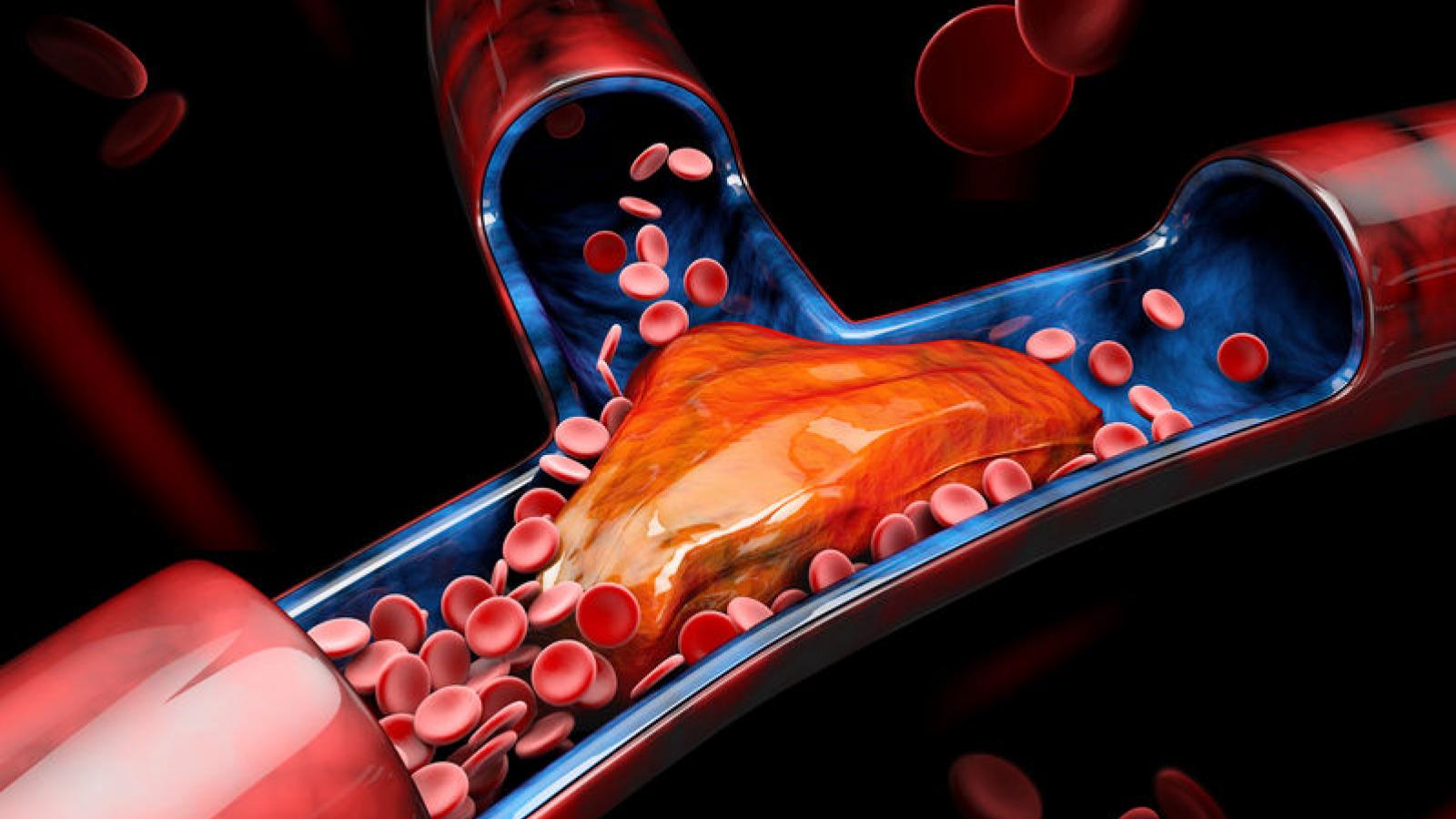
Severe and fatal outcomes with coronavirus infection are often the result of the downstream damage that follows the viral infection. Rising high on the list of complications are the hematologic and vascular complications seen in severely affected patients, so much so that many centers are routinely anticoagulating hospitalized (but not ambulatory) COVID patients.

Modifiable lifestyle choices can impact long term health. A recent study shows that usual and increased physical activity can results in less hospitalization amongst the the general population.
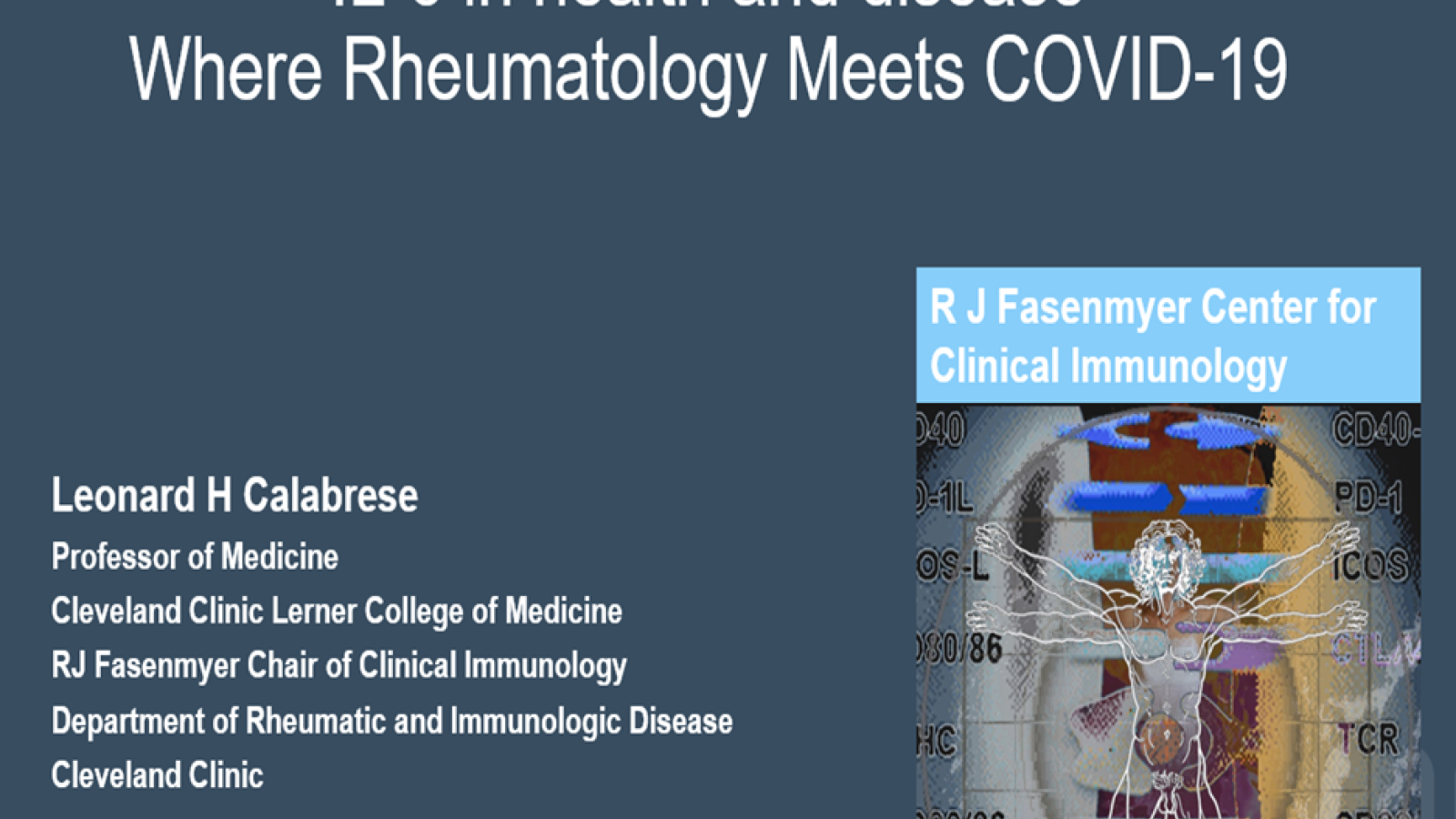
Dr. Len Calabrese from the Cleveland Clinic delivers this week's Tuesday Nite Rheumatology Grand Rounds, entitled "IL-6 in Health and Disease: Where Rheumatology Meets COVID-19".
Dr. Calabrese provides a comprehensive review of IL-6 biology, and discusses IL-6 signaling, IL-6 roles in health, exercise, infection, innate and adaptive immunity as pertains to both rheumatology and the management of coronavirus infection.
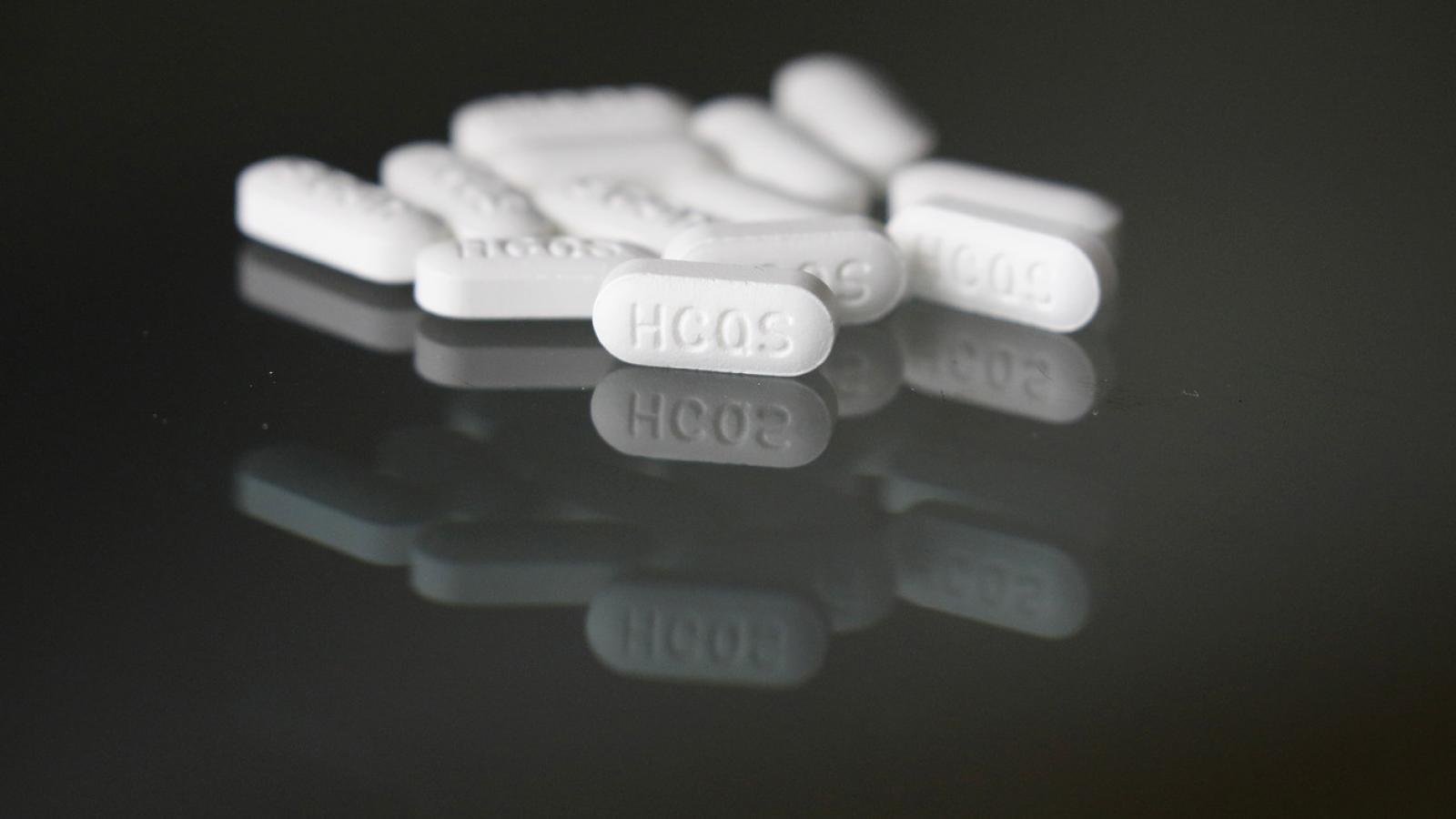
Hydroxychloroquine has been a dominant news item since the start of the COVID-19 crisis, with a great deal of misconceptions by those who don't know or use or take the drug. HCQ leaped to the headlines on March 19th when President Trump endorsed the drug as being “approved” by FDA. Of course at that time, it was still only approved for SLE, RA and malaria and it wasn't until 2 weeks later (March 31st) that the FDA issued an "emergency use

On April 26, 2020 the American College of Rheumatology (ACR) published a guidance paper to assist rheumatologists and rheumatology health professionals in assessing the need for urgent or face-to-face medical care versus virtual or telehealth patient care. The driving principals being the need to protect patient safety while providing optimal health care in the current environment of social distancing and home sheltering.

JAMA Internal Medicine has reported that cigarette smoking associated with an increased odds of having antineutrophil cytoplasmic antibody–associated vasculitis (AAV) (especially MPO positive AAV) and is thereby a modifiable risk factor for AAV.
In a case-control study, 473 AAV patients were compared with 1419 matched controls from Partners HealthCare Biobank who were asled tp complete a smoking questionnaire.
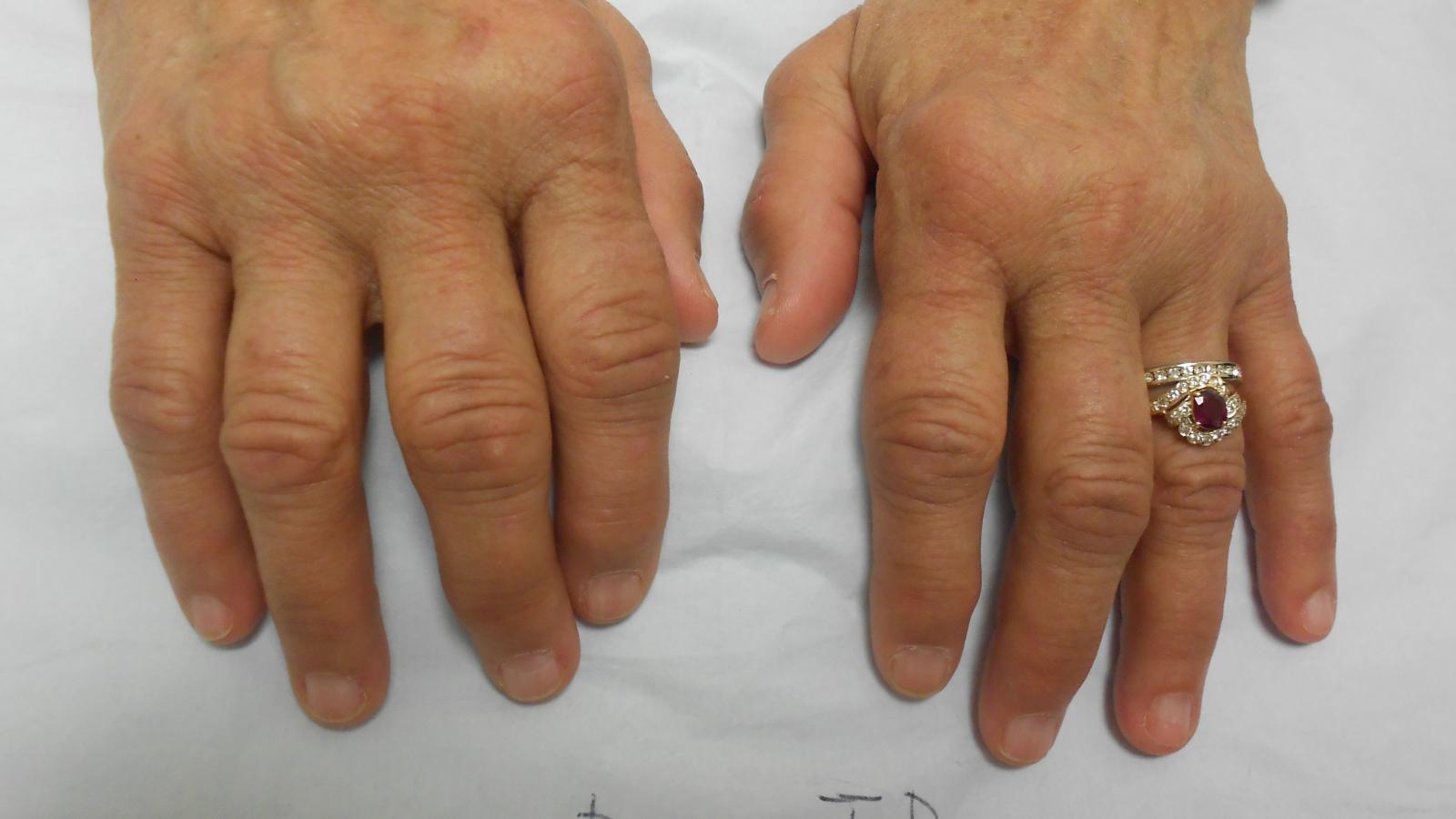
Many patients with rheumatoid arthritis (RA) who achieved remission or low disease activity on biologic treatment were able to reduce the dose of their biologic, particularly if they were also on methotrexate, a retrospective study found.

JAMA Cardiology reports the risk of QT (QTc) prolongation when hydroxychloroquine (HCQ) was given to hospitalized patients with coronavirus disease 2019 (COVID-19), especially when given with azithromycin.
Dr. Jack Cush reviews the news and journal articles from the past week. Many interesting early reports on the use of rheumatic drugs, including hydroxychlorquine, IL-6 inhibitors, canakinumab, baricitinib and colchicine. Below are some of the links or citations of interest.
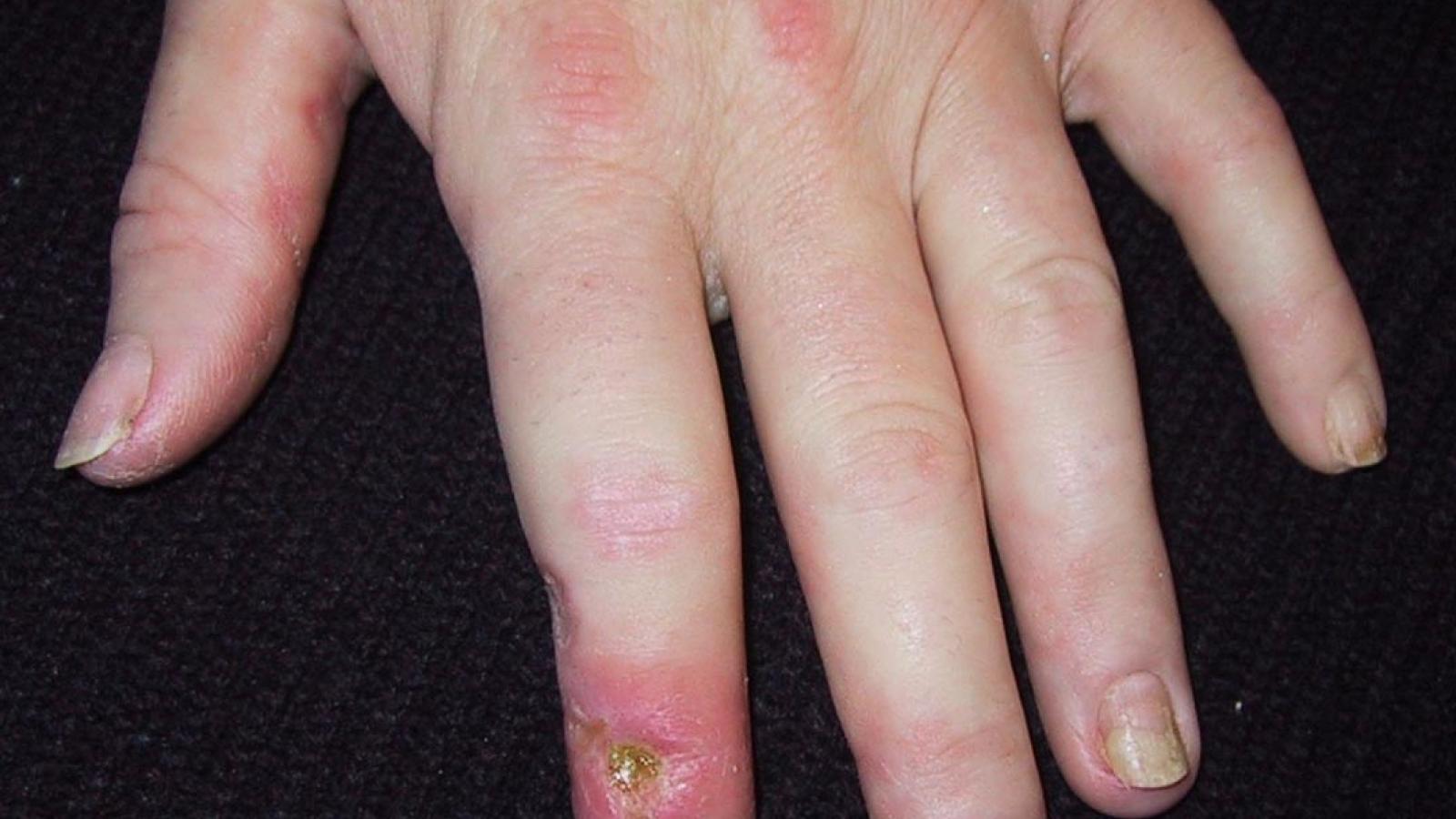
The oral cannabinoid receptor type 2 (CB2) agonist lenabasum showed promising results for systemic sclerosis (SSc) in a phase II study.

The Annals of Rheumatic Disease has published the preliminary recommendations of the German Society of Rheumatology for the management of Inflammatory rheumatic diseases patients during the SARS-CoV-2/Covid-19 pandemic.
These preliminary recommendations are based on an expert consensus from 17 experienced German rheumatologists.

