
It’s somewhat bizarre that a designer drug from over 65 years ago would become the cornerstone of treatment for rheumatoid arthritis in the 21st century. When Sidney Farber designed a molecule that would interfere with folate metabolism in the middle of the 20th century, he was looking for a ubiquitous antimetabolite to treat cancer. Farber was actually quite concerned with the potential side effects of a drug that competitively inhibits folate

The mantra of rheumatologists worldwide is to treat rheumatoid arthritis (RA) earlier and more aggressively. While referral of early RA patients has improved, there is little data demonstrating that more aggressive treatment works or is cost effective.

On Tuesday February 9th Celltrion presented its biosimilar developmental data to the FDA as they sought approval for their CT-P13 (called Inflectra), a biosimilar of infliximab (Remicade). The panel included over 20 members comprised of the Arthritis Advisory Committee with additional representation from adult and pediatric rheumatologists, dermatologists, gastroenterologists, statisticians, pharmacists and protein chemists.

The arthritis advisory committee of the Food and Drug Administration (FDA) is scheduled to meet today, February 9th to review the efficacy and safety of Celltrion's biosimilar form of infliximab (Remicade) that is currently marketed in other countries.

Juvenile idiopathic arthritis (JIA) is commonly managed with methotrexate (MTX), with many pediatric rheumatologists preferring to use parenteral MTX for compliance and absorption reasons.
A cross-sectional study of 179 JIA patients on MTX was performed to examine the relationship between dosing and MTX intolerance (using the validated Methotrexate Intolerance Severity Score questionnaire).

Cardiovascular events account for significant morbidity and mortality in patients with rheumatoid arthritis (RA) and other connnective tissue disorders (CTD). Investigators analyzed health records from a large U.S. academic center and identified CTD and atherosclerotic cardiovascular disease (ASCVD) status among 287,467 adults. (Citation source: http://buff.ly/1La7OVl)
Dr. Cush reviews highlights from last week's news and research in rheumatology.
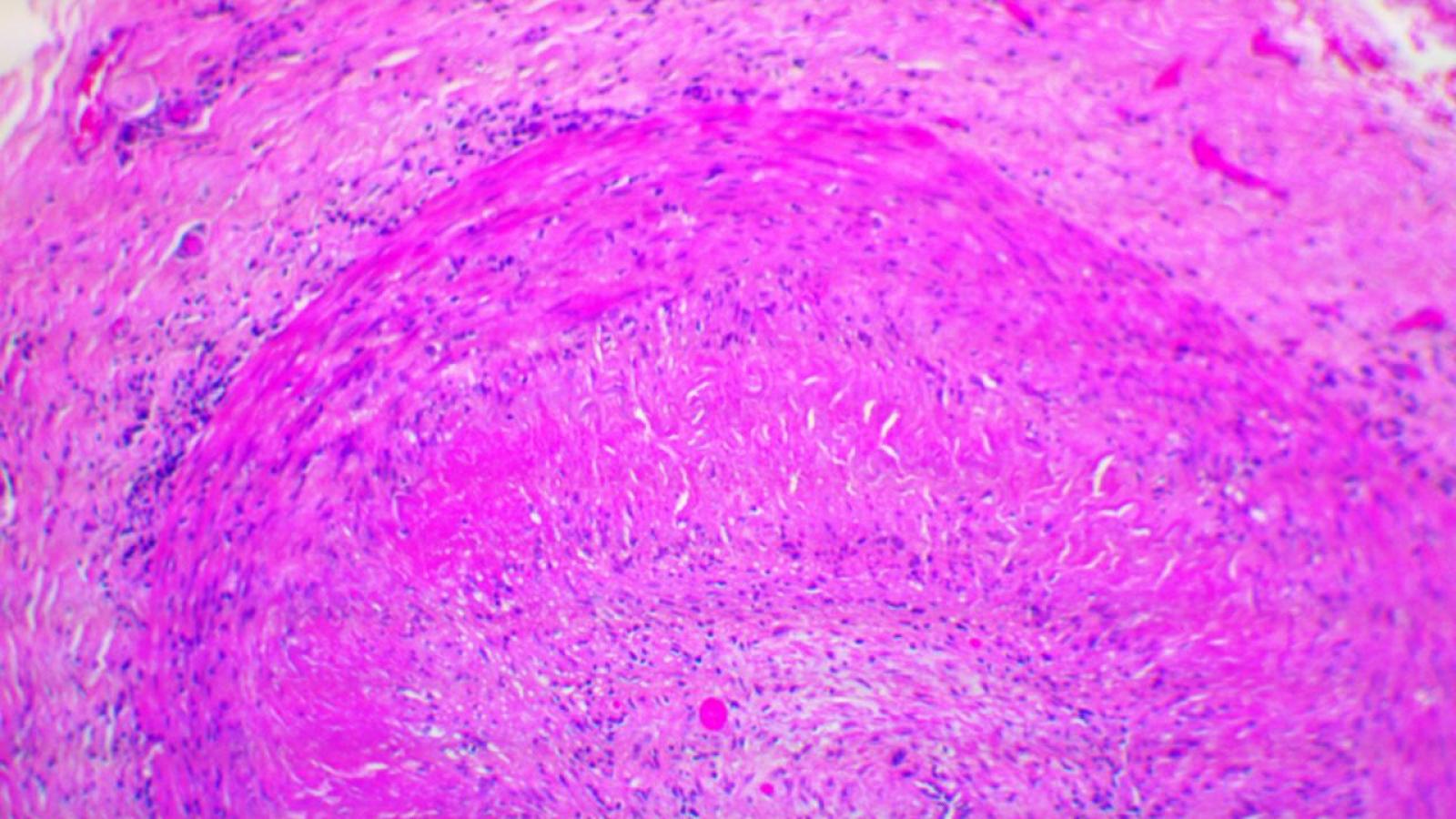
Patients with giant cell arteritis (GCA) had a higher rate of severe infections compared with the general population, a French study found.

The Arthritis Foundation announced that 11 scientists were selected out of 167 proposals as the 2015 Scientific Discovery Awardees for their innovations toward finding a cure for arthritis and related diseases.
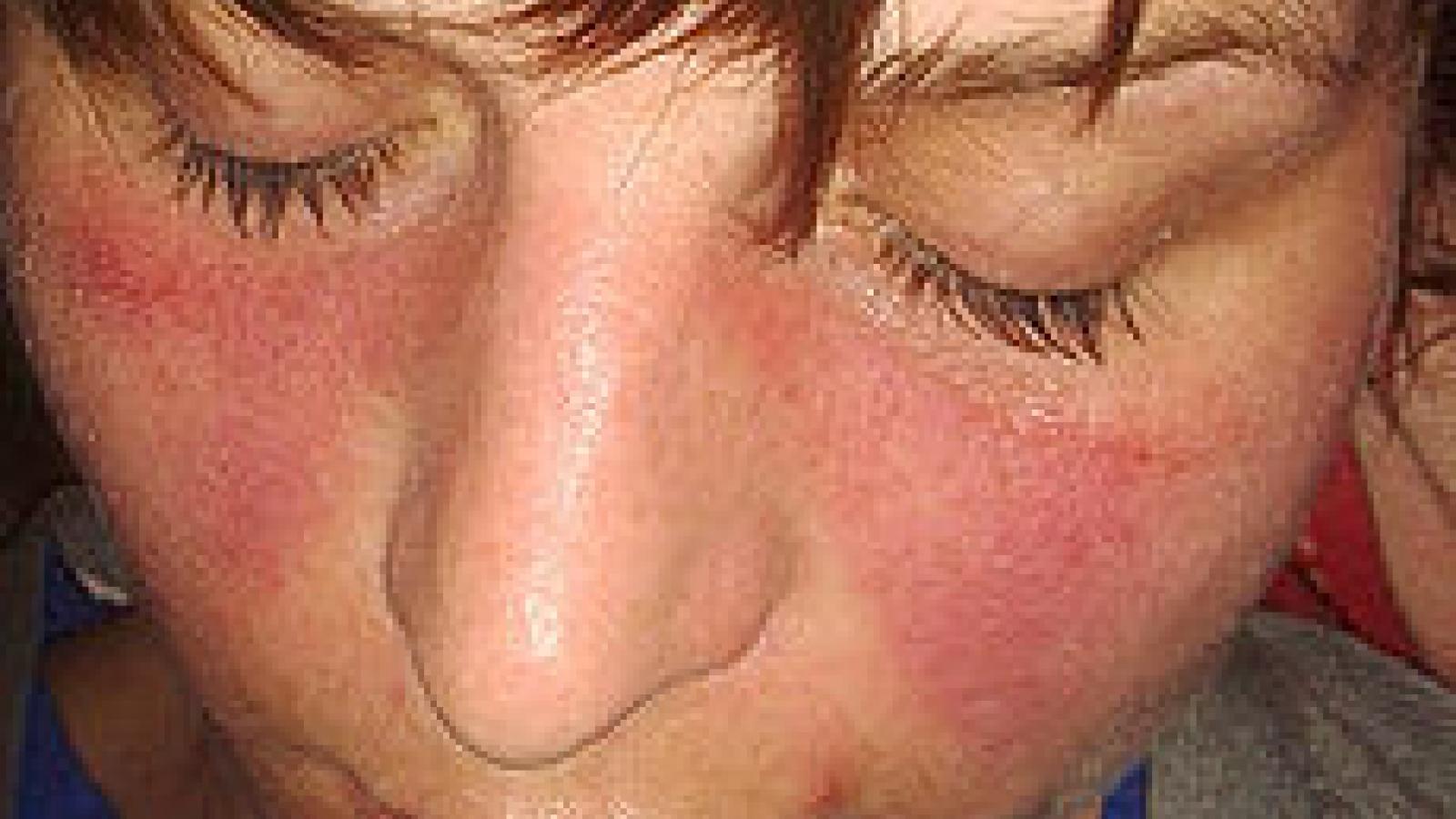
A retrospective study examined mortality rates by comparing 2740 UK lupus patients who were matched 1:4 with controls from the UK Clinical Practice Research Datalink between 1999 and 2012. (Citation source http://buff.ly/1nJWKIT)

Althought EULAR currently recommends the pneumococcal vaccine be given to patients with inflammatory rheumatic diseases and the Centers for Disease Control and Prevention (CDC) recommends the vaccine in patients treated with immunosuppressive drugs, a recent brief report suggests it be avoided specifically in patients with cryopyrin-associated periodic syndrome or Behcet's disease.

A Quebec administrative claims analysis examined the birth outcomes of women with a history of juvenile idiopathic arthritis (JIA) who subsequently had a first-time birth (between 1983-2010). JIA patients were matched 4:1 with normal controls from the same era and adjusted for age and residence.

Until the advent of TNF inhibitor therapy, nonsteroidal antiinflammatory drugs (NSAIDs) were the only effective treatment for ankylosing spondylitis or spondyloarthritis (SpA). More recently, several reports have suggested clinical and radiographic benefits to sustained NSAID use.
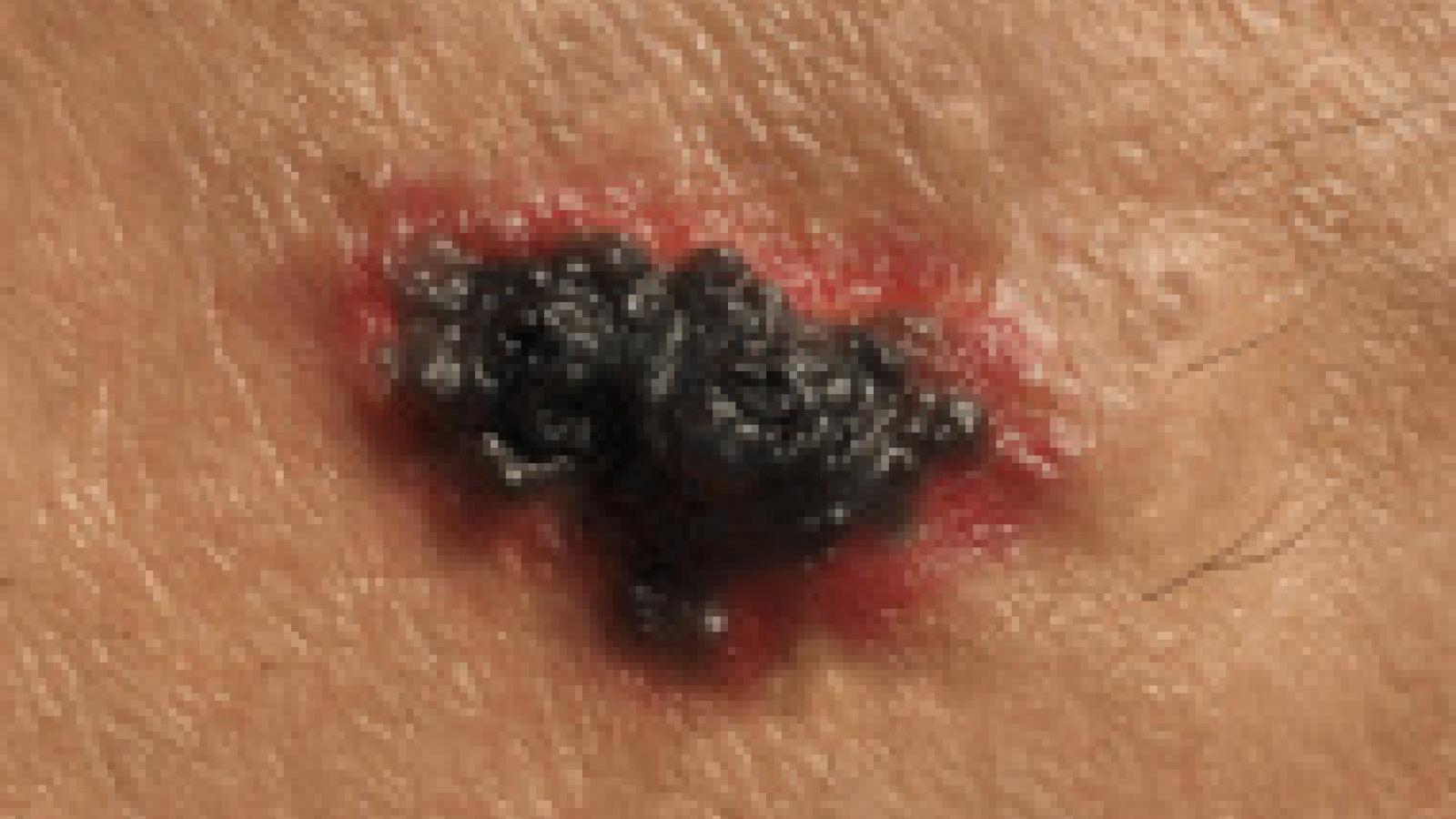
Rheumatoid arthritis (RA) patients are said to have a neutral risk for neoplasia, but this is because they have a lower risk of colon cancer and breast cancer but a higher risk of lung cancer, lymphoma and skin cancers.

