

A study from the Journal of Vascular and Interventional Radiology has shown that knee pain secondary to osteoarthritis (OA) may be effectively treated by selective vascular interruption (embolization) showing efficacy and safety in a small pilot trial.

Highlights from Tuesday, day 3 of the ACR Annual meeting in Chicago, included the PEXIVAS Study, ACR Reproductive Health Draft Guidelines, and a Proof of concept study
2019 was a year marked by major advances, hallmark research, and big news items affecting rheumatology. Herein you will find our top 10 list, formulated by what I think rheumatologists should know and what will likely change their standards and practice in 2020 and beyond.
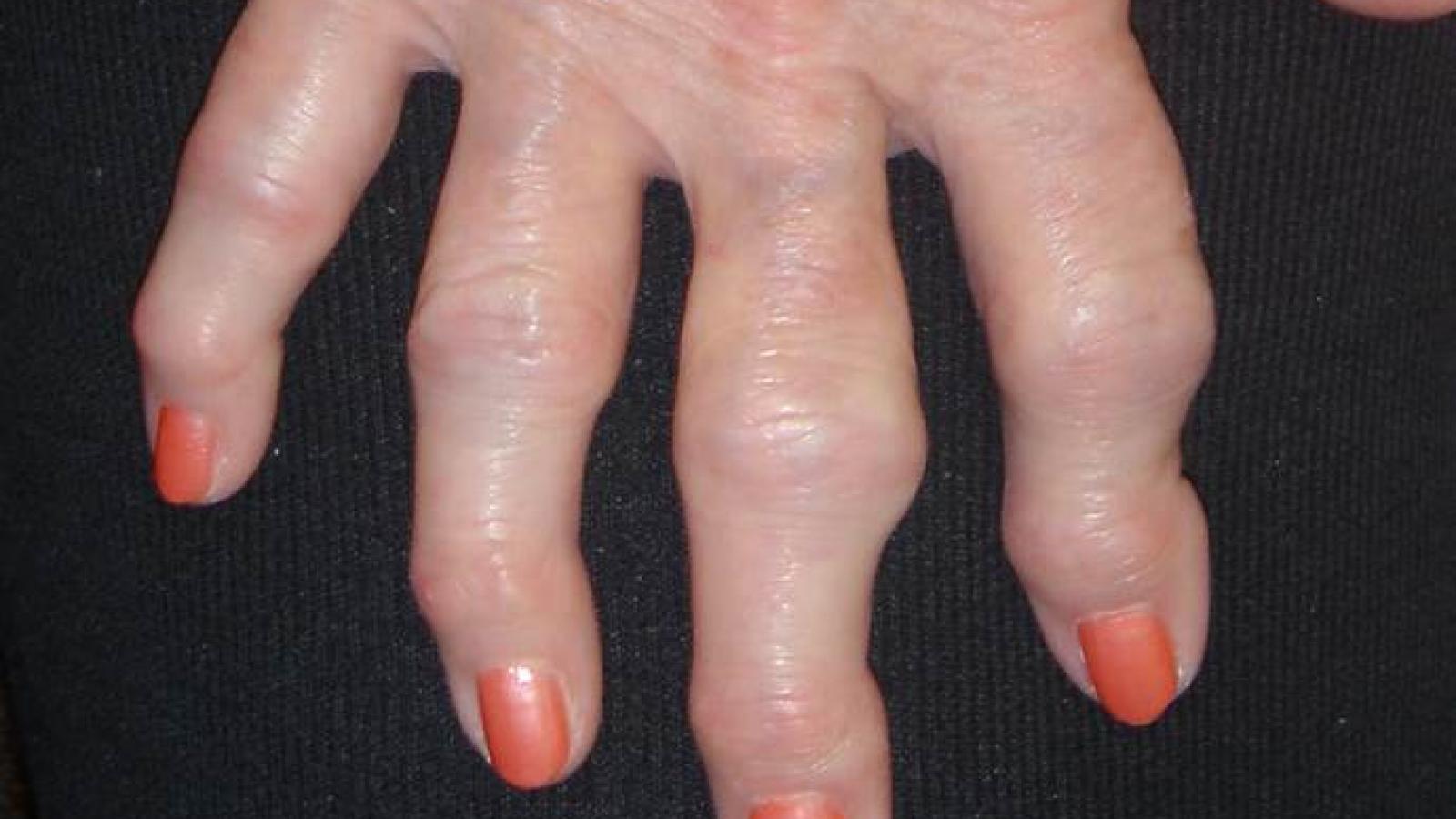
Today, the American College of Rheumatology (ACR), in partnership with the Arthritis Foundation (AF), released the 2019 ACR/AF Guideline for the Management of Osteoarthritis of the Hand, Hip and Knee. The ACR periodically updates guidelines to reflect any advances in management added to the literature since the last publication, which in this case was 2012.

Ixekizumab (IXE), an interleukin-17A (IL-17A) inhibitor, was recently approved for use in ankylosing spondylitis (also known as radiographic axial spondyloarthritis- axSpA). Lancet has published the results of the COAST-X study showing that ixekizumab was effective in patients with non-radiographic axial spondyloarthritis.

Dr. Jack Cush reviews highlights from 2019 on RheumNow.com. Topics covered in this annual review include: superheroes lost; venous thromboembolic events and JAKs; free medical tuition; women in rheumatology; 52 new drug approvals in 2019 and 330 drugs with a 2020 price hike; scleroderma disappointments; novel new treatments and newer tests; the boom of Shingrix; RheumNow.Live - and more.
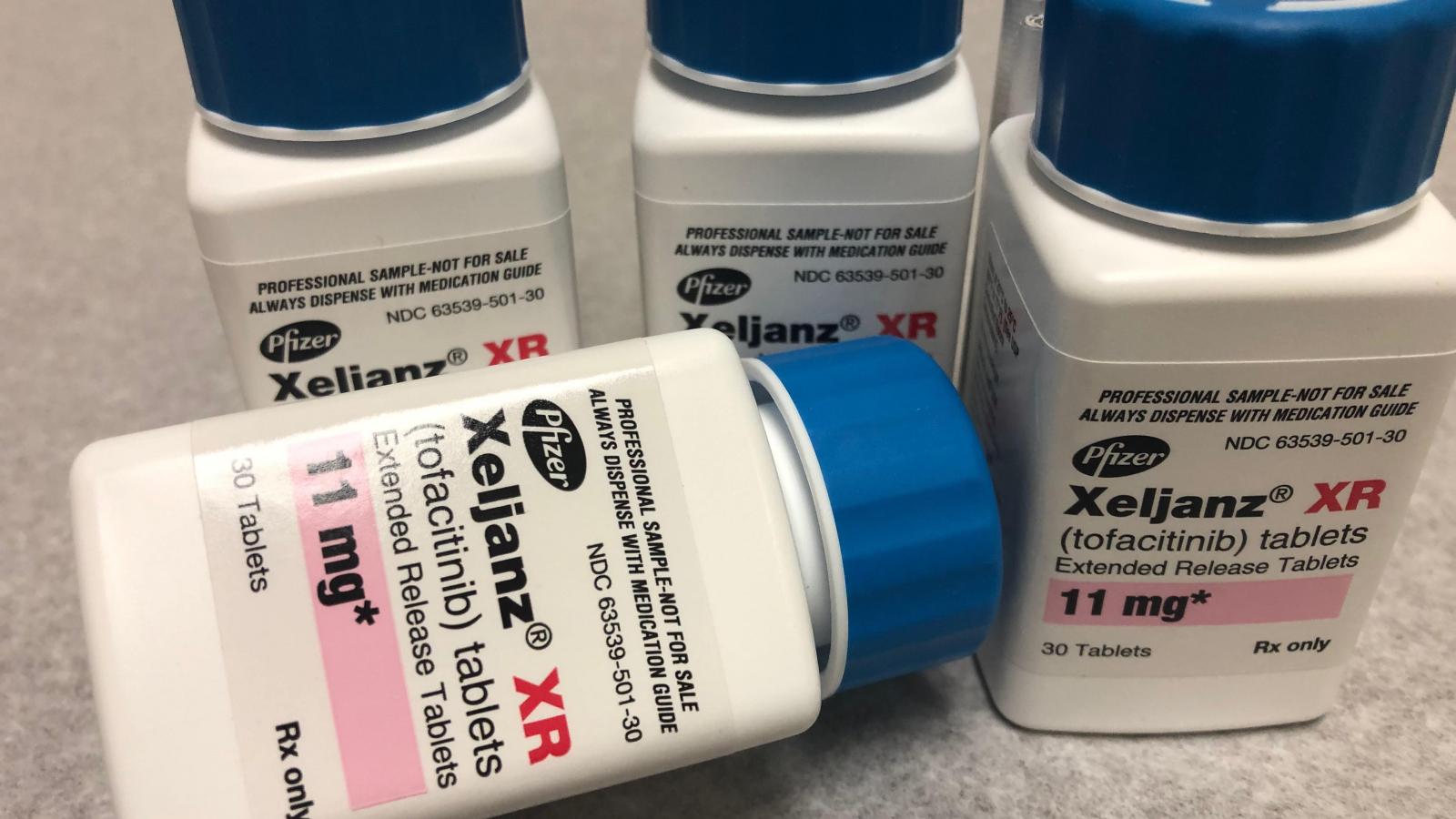
Rheumatoid arthritis patients taking tofacitinib (Xeljanz) plus methotrexate who achieved low disease activity (LDA) may be able to withdraw from the latter agent without significant worsening of disease activity, a researcher reported at EULAR 2019 in Madrid.

It’s a great time to be a rheumatologist and to manage RA. But, if you keep doing what you’re doing, you’re going to keep getting what you’ve got.

The House of God is probably more known of than read, with over 3 million copies sold since its release when I was a Chief Medical Resident in the era of its writing. The book itself, according to the author Samuel Schem (aka Steven Bergman, MD, DPhil), a psychiatrist and currently Professor of Humanities at NYU, is a true account of his internship, albeit laden with some liberties of fiction - and it's been quoted for generations. The House of

In the United Kingdom, NICE has looked to the British Society of Rheumatology (BSR) to develop evidence based guidance on the safe use of biologic DMARDs in patients with inflammatory arthritis. This guidance document on biologic safety covers baseline screening, monitoring, effect of co-morbidities, and when or under what circumstances biologic therapy should be interrupted.

Two recent studies have examined the effect of starting abatacept upon the risk of serious hospitalized infections or cancer, showing divergent results from claims data analyses.
We have options that are endless – we have 28 biologics in rheumatology; 19 approved for RA in the last 20 years, but 15 of these are me-too copies or biosimilars. We currently have 2 JAK inhibitors and may have 3 or 4 by year end. But what we really need is the right drug, at the right time, in the right patient – but how will we know.

Current ACR and EULAR guidelines list TNF-inhibitors (TNFi) abatacept, rituximab, and tocilizumab as being equally effective after methotrexate or as second line therapies when treating rheumatoid arthritis. An analysis from the Swedish Rheumatology Register shows that the non-TNFi biologic DMARDs (bDMARDs), in particular tocilizumab and rituximab, are more effective than TNFi.
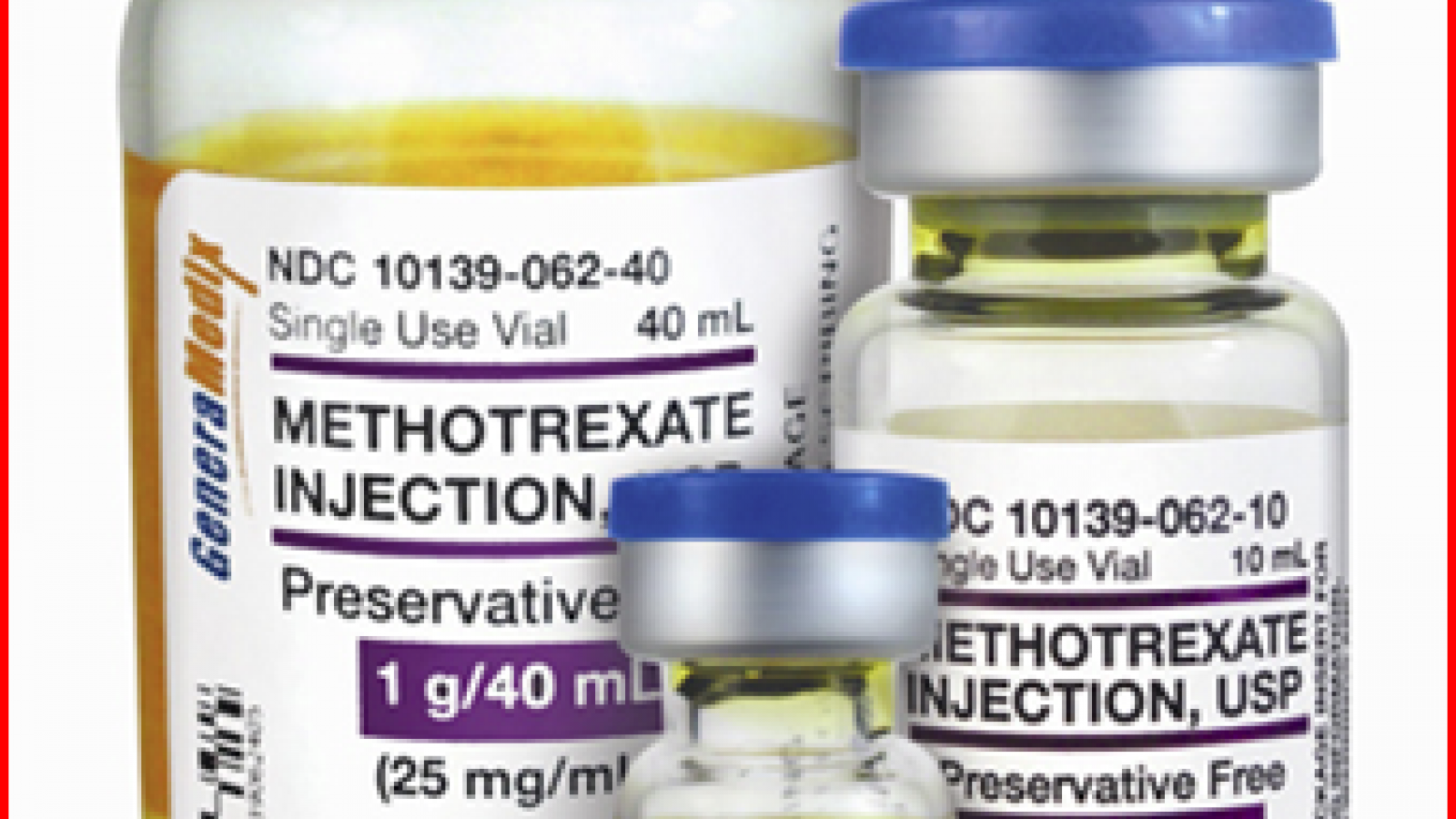
Rheumatology has a comprehensive overview of methotrexate (MTX) and the risk of lung injury, MTX-related pneumonitis and interstitial lung disease (RA-ILD) with rheumatoid arthritis (RA). Past reports suggest the frequence of MTX-pneumonitis to be between 0.3 and 11.6%; recent studies suggest it may be much lower.

JAMA has an article this week on the shift from biologic drugs to less expensive therapeutic biosimilar agents. The impact of biosimilars can be easily represented by the shift from adalimuamb - a biologic with nearly $19 billion in sales in 2018 - to any one of the four FDA approved biosimilars for adalimumab (see the daily download for slides on new adalimumab and other biosimilars).

