

Dr. Jack Cush reviews the news and journal articles from the past week on RheumNow.com.

Continuous use of nonsteroidal anti-inflammatory drugs (NSAIDs) among patients with ankylosing spondylitis (AS) was associated with the development of incident hypertension, a prospective cohort study found.

Pregnancy for patients with lupus has long been considered high risk and associated with both medical and obstetric complications, but outcomes have improved over the last 2 decades and continue to improve. The large decline in in-hospital maternal mortality was greater for lupus pregnancies than for non-lupus pregnancies. Findings from a retrospective cohort study are published in Annals of Internal Medicine.
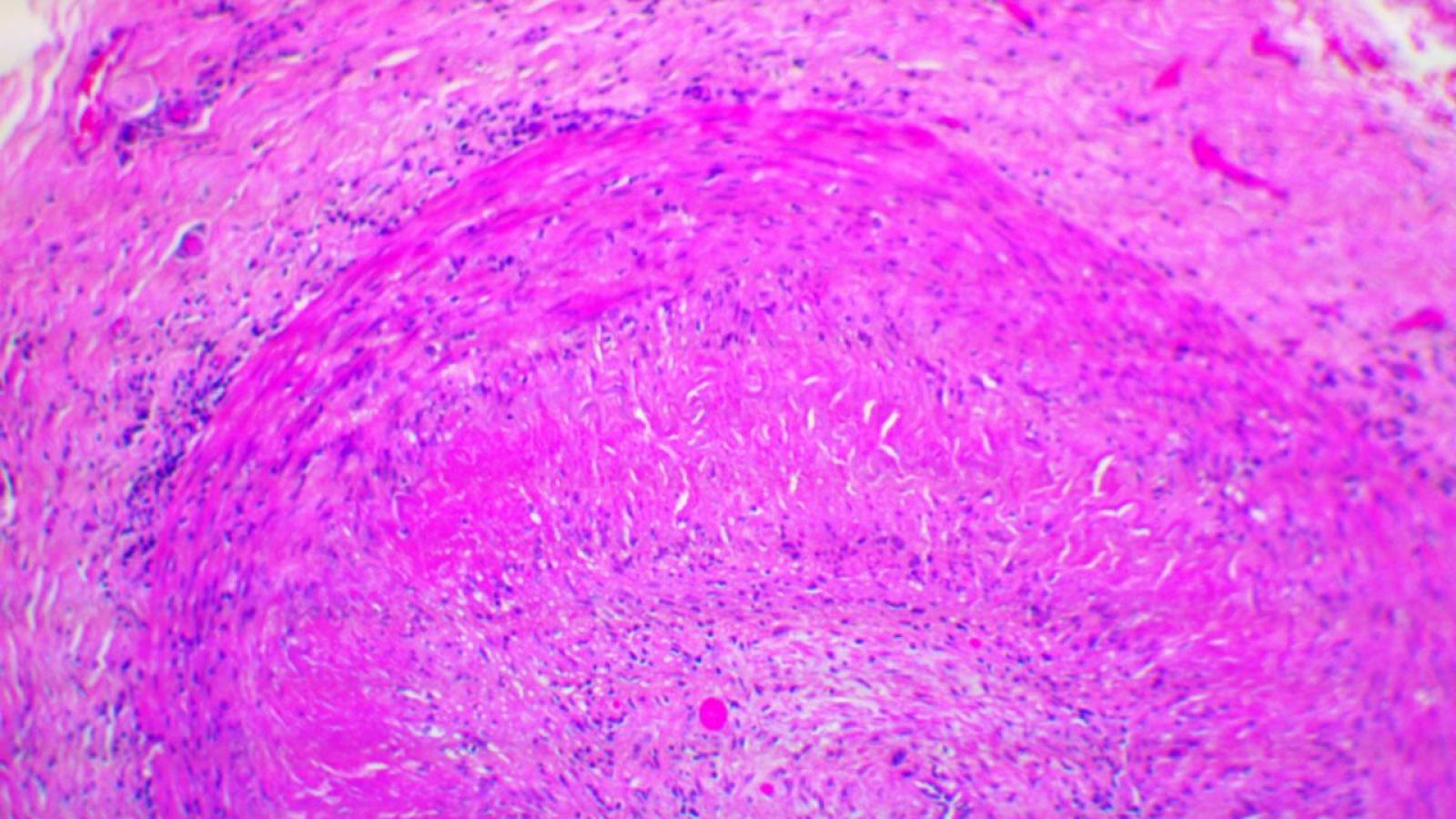
Metanalysis shows that temporal artery biopsy (TAB) for the diagnosis of giant cell arteritis (GCA) has a sensitivity of 77%, similar to results seen with temporal artery imaging. These data suggest clinicians may be willing to accept a GCA diagnosis without proof by TAB.

Obinutuzumab (Gazyva) has been granted Breakthrough Therapy Designation (BTD) by the U.S. Food and Drug Administration (FDA) for use in adults with lupus nephritis (LN). The drug made by Genentech, is going forward based on the Phase II NOBILITY study in adult patients with proliferative lupus nephritis (LN). Currently, there are no FDA-approved medicines for lupus nephritis.
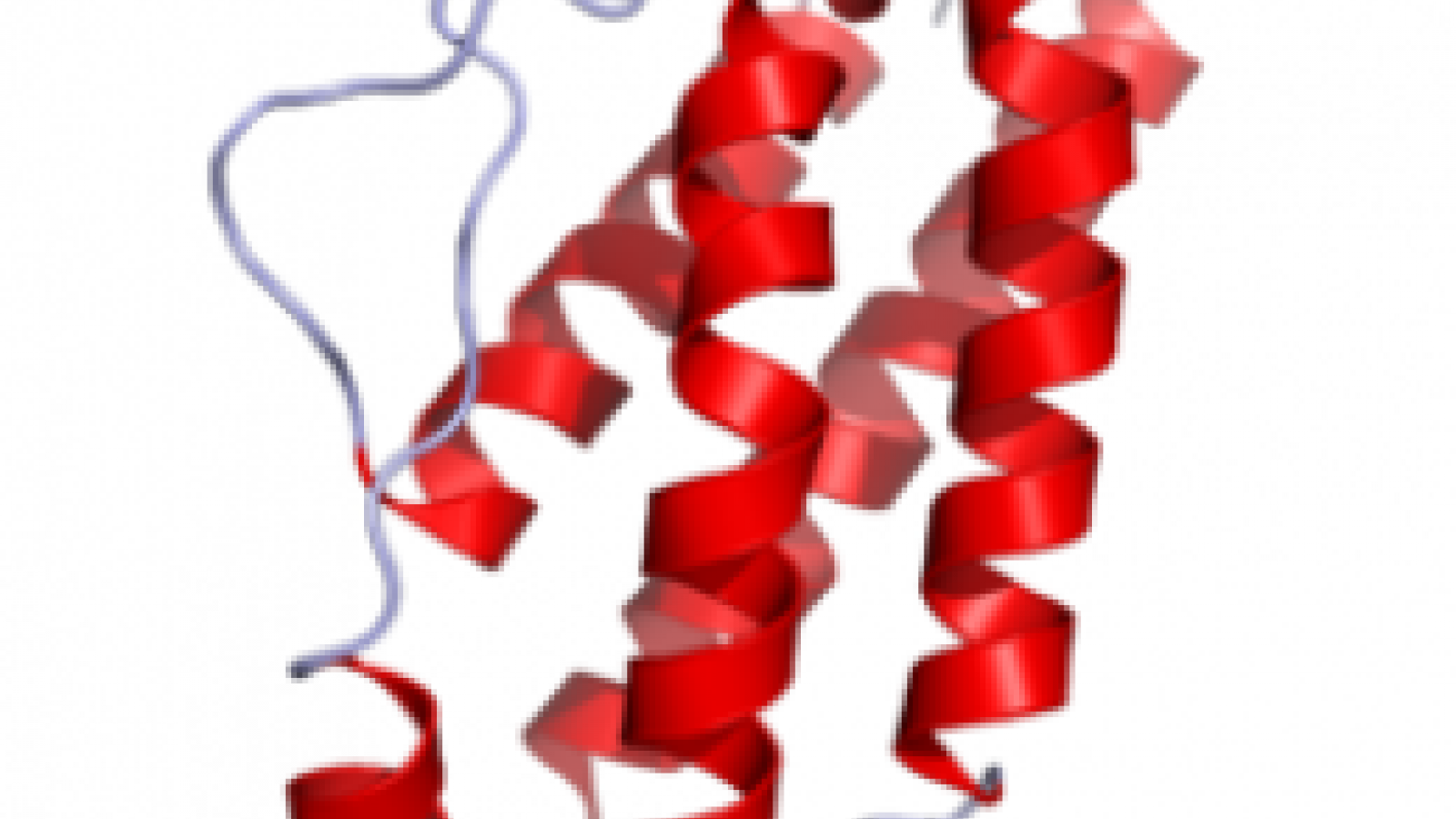
A double-blind, placebo-controlled clinical trial of low-dose IL-2 in patients with systemic lupus erythematosus (SLE) has shown that low-dose IL-2 induced was clinically effective while expandng regulatory T cells and NK cells, which may benefit immune homeostasis in SLE patients.

The interleukin (IL)-1 receptor antagonist anakinra (Kineret) showed promise in critically ill children who develop the often-lethal condition known as secondary hemophagocytic lymphohistiocytosis (sHLH)/macrophage activation syndrome (MAS), a retrospective single-center study found.

Americans living with rheumatic disease face significant healthcare challenges, according to a national patient survey released this week by the American College of Rheumatology. More than 1,500 U.S. adults living with rheumatic disease responded to the survey, which asked a range of questions related to healthcare access, affordability and lifestyle. Key findings include that even though 90 percent of respondents reported having health

JAMA has published an overview of cannabis and its medical uses. Although nearly 10% of cannabis users in the United States report using it for medicinal purposes, there is insufficient evidence to support the use of medical cannabis for most conditions for which its use is advocated or advised. Nevertheless, there is increase in favoring the public availability of cannabis, largely for the management of more than 50 medical conditions.

Physicians who believe their patients' health is negatively affected by insurers' demands for prior authorization, and the delays that often result, will find that opinion vindicated by a new study of rheumatology care: when permission had to be sought from insurers to provide intravenous drugs, average time to begin treatment was longer and patients had twice the corticosteroid exposure, a single-center analysis found.

Dr. Jack Cush reviews the news and journal articles from the past week on RheumNow.com.
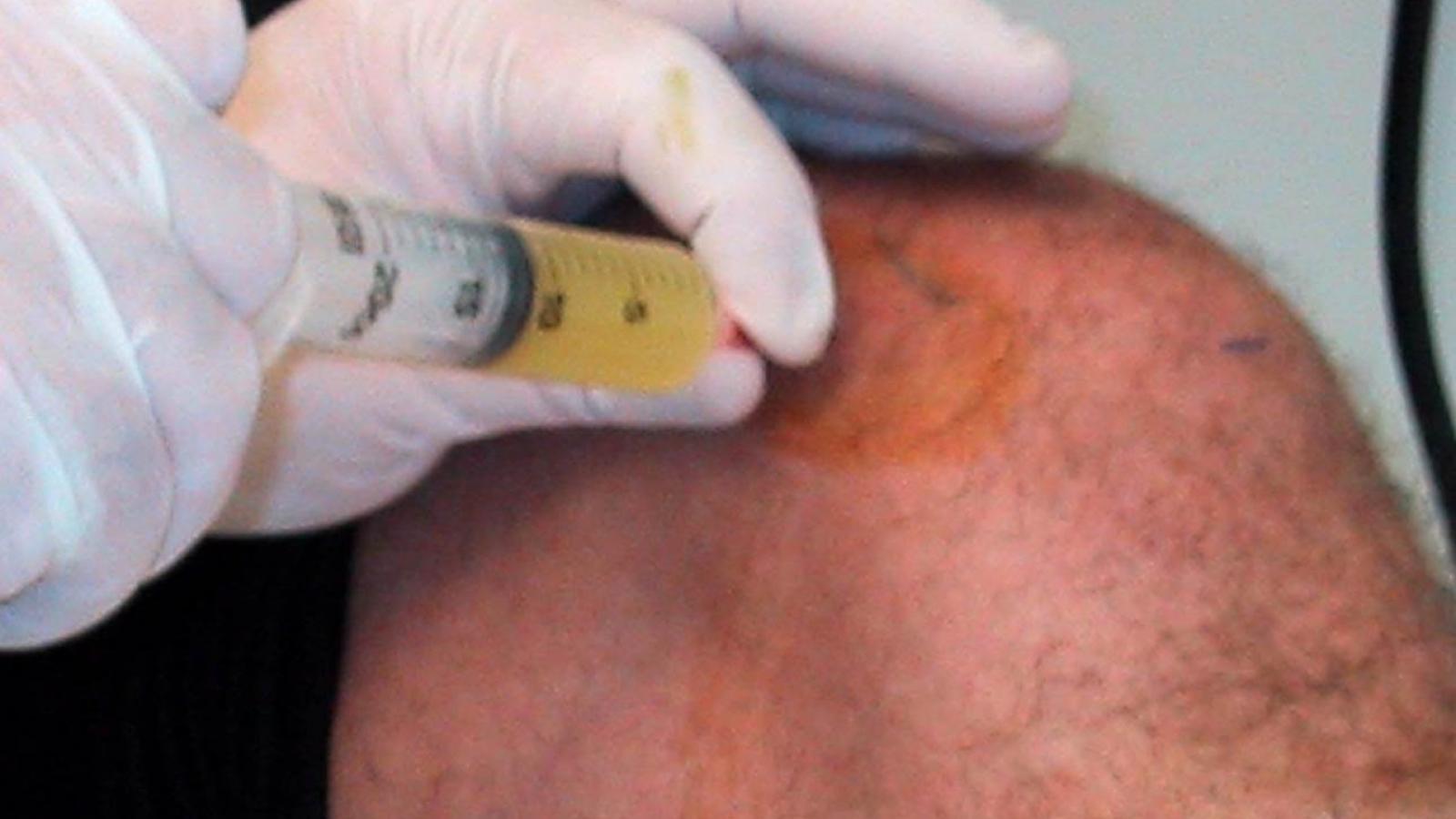
A prospective trial has shown that 2 weeks of antibiotic therapy is as effective as 4 weeks of antibiotic therapy, with similar outcomes but shorter hospital stays.
This Swiss study was a prospective, unblinded, randomised, non-inferiority study comparing either 2 or 4 weeks of antibiotic therapy after surgical drainage of native joint bacterial arthritis in adults.
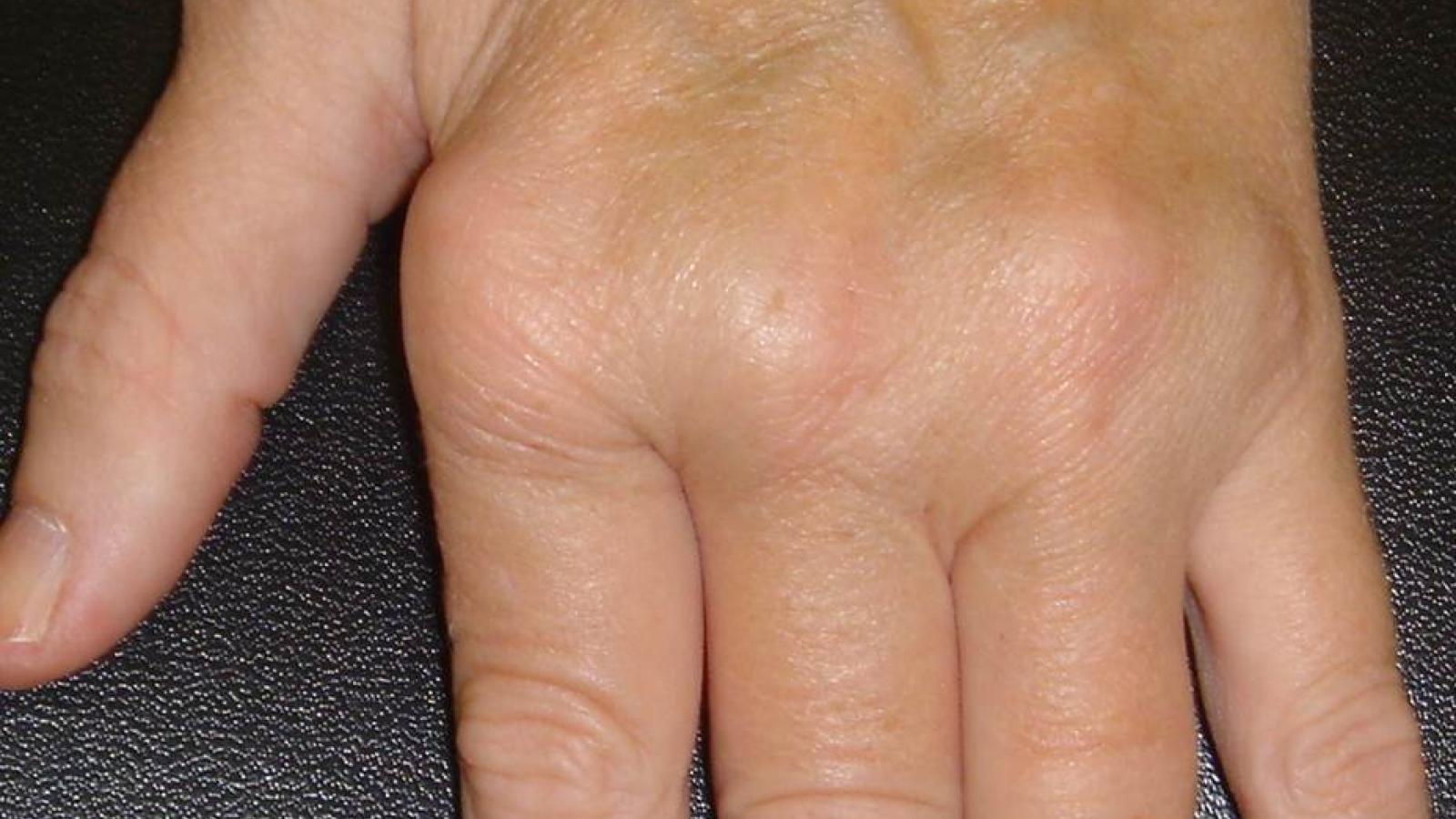
Bimekizumab is a dual inhibitor of IL-17A and IL-17F that has been shown to be effective in psoriasis and psoriatic arthritis. A proof-of-concept study shows that giving bimekizumab to rheumatoid arthritis patients not adequately controlled by certolizumab pegol resulted in a rapid decrease in disease activity achieved after 12 weeks of treatment. These findings are novel as anti-IL-17 monoclonal antibody therapy has previously been shown to be

CreakyJoints has completed a 258 patient survey showing that nearly three-fourths of people with rheumatoid arthritis (RA) have expressed dissatisfaction with their treatments, including conventional (csDMARDs) and biologic Disease Modifying Antirheumatic Drugs (bDMARDs).
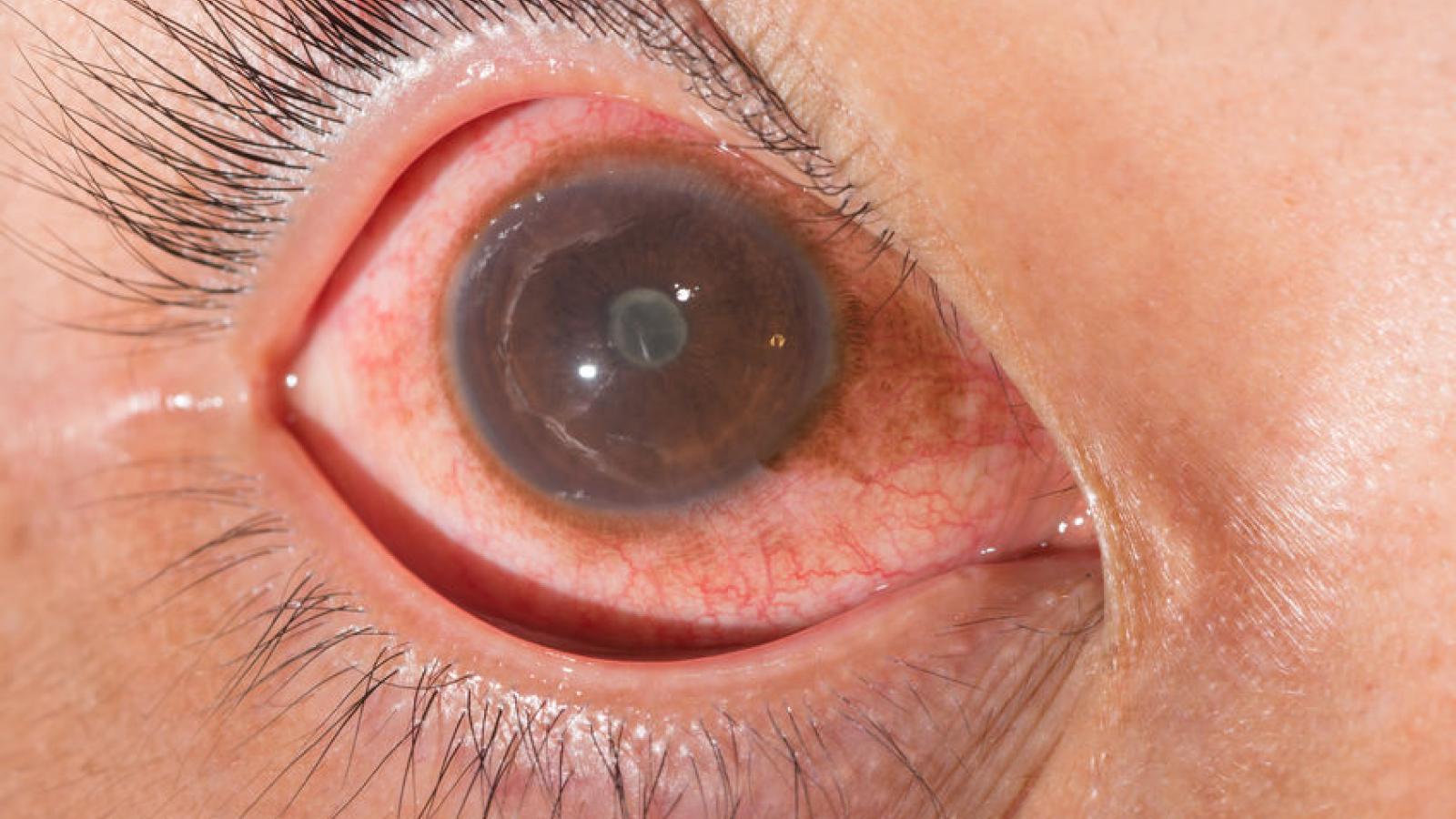
Patients with noninfectious uveitis (intermediate, posterior uveitis, or panuveitis) often require high dose corticosteroids and therefore may need steroid-sparing DMARD therapy. The FAST study investigated the corticosteroid-sparing effect of methotrexate or mycophenolate mofetil in adults with noninfectious uveitis.

