
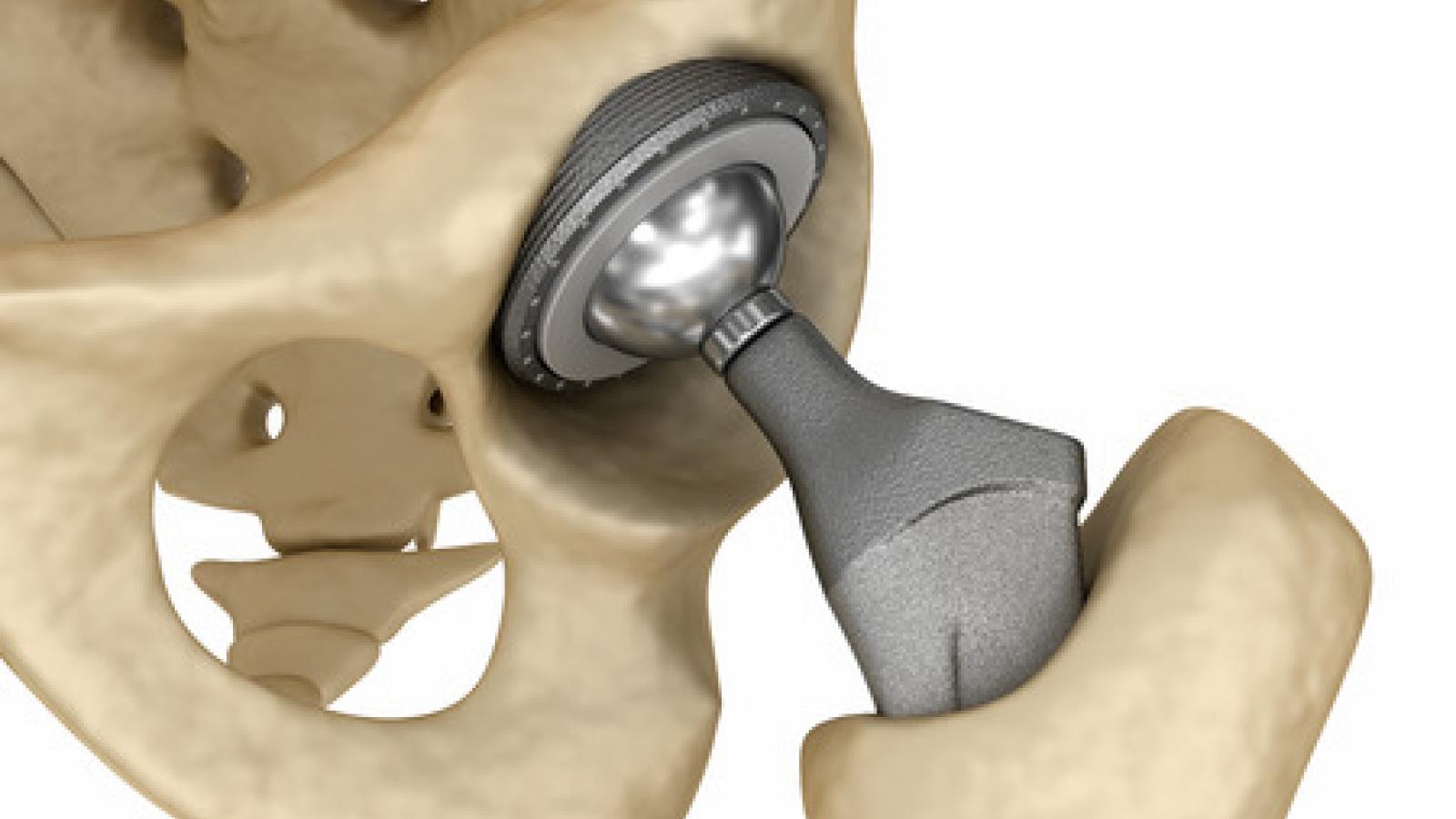
JAMA reports on a large Medicare cohort study showing that amongst patients undergoing total joint replacement (TJR), preoperative HbA1c testing was performed in 26% to 43% of patients with diabetes and in only 5% of those without diabetes. Importantly research has shown that an elevated HbA1c level is associated with postoperative complications.
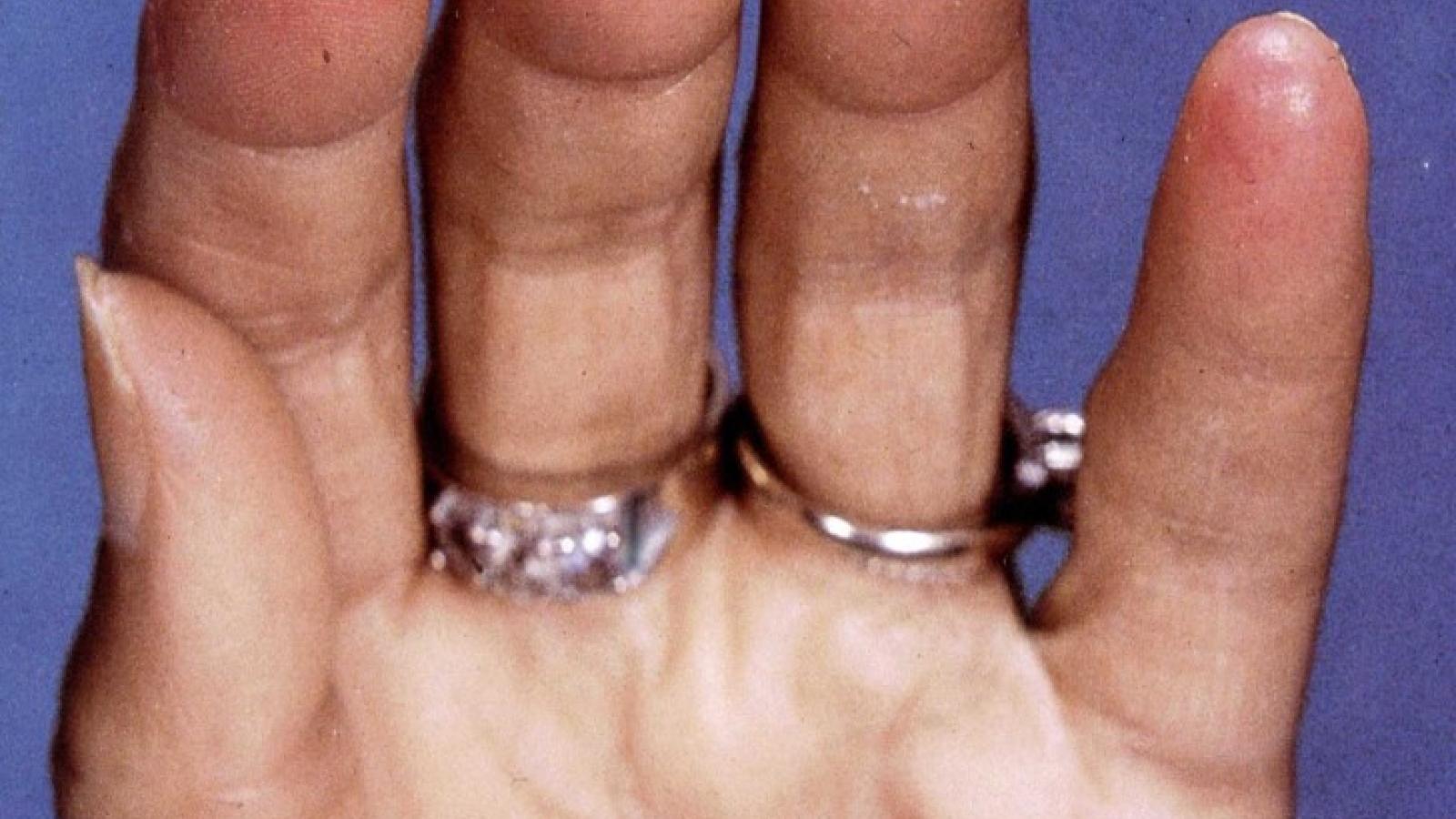
Riociguat is an oral, selective soluble guanylate cyclase stimulator that has been studied in patients with digital ulcers (DU) due to systemic sclerosis (SSc) but study results show that short term (16 weeks) riociquat therapy does not sufficiently reduce the DU burden in SSc patients.

Lancet reports a head-to-head trial of antibodies against interleukin (IL)-23 and IL-17A in patients with moderate-to-severe psoriasis favored guselkumab with superior PASI 90 responses at week 48 (compared to secukinumab).

Last Friday, the US Food and Drug Administration approved Ofev (nintedanib) to slow the rate of decline in pulmonary function in adults with interstitial lung disease associated with systemic sclerosis or scleroderma, called SSc-ILD.
ILD as a complication of SSc may lead to progressive loss of lung function and may be associated with a significant mortality risk. Prior to the approval of Olev, there were no FDA approved drugs for SSc-ILD.

A large pregnancy registry has published their results showing rheumatoid arthritis (RA) patients who become pregnant are less likely to breastfeed compared to non-RA women from the general population, with many women stopping breastfeeding so that they could start medication, even though many of these meds are safe to use during lactation.

Dr. Jack Cush reviews the news and important research published in the last two weeks on RheumNow.com.

Choi and colleagues have shown that four modifiable risk factors (BMI, the DASH diet, alcohol use, and diuretic use) could individually account for a notable proportion of observed hyperuricemia.
Researchers examine modifiable risk factors for hyperuricemia and how this could be prevented through risk factor modification in the general population.

An insurance claims based study of RA patients with COPD shows that biologics do not have an increased rate of respiratory events compared to those on conventional DMARDs.
A real world cohort of RA patients with COPD was drawn from US-based MarketScan databases. Patients on biologic DMARDs and/or targeted synthetic DMARDs (tsDMARDs) were propensity matched to those on conventional synthetic DMARDs (csDMARDs).

Morbidly obese patients who lost 20 lbs before total knee arthroplasty (TKA) cut their hospital stays by about 1 day, and were 76% less likely to have an extended hospital stay, research showed.

FDA's Vaccines and Related Biological Products Advisory Committee met in Silver Spring, Maryland, on March 6 and 22, 2019, to select the influenza viruses for the composition of the influenza vaccine for the 2019-2020 U.S. influenza season.

The ENTRACTE trial examined the risk for major adverse cardiovascular events (MACE) in RA patients and found no increased risk of MACE in patients treated with tocilizumab (TCZ) versus etanercept (ETN).
The trial was undertaken to examine the CV consequences of the hyperlipidemia seen in up to 20% of patientstreated with IL-6 inhibitors.

Detailed analysis of two clinical trials in RA has shown that clinical responses decrease as the disease duration and number of prior DMARDs increase.
The associations between disease duration and number of prior DMARDs and response to therapy were assessed using data from two randomised controlled trials in patients with established RA (mean duration, 11 years) receiving adalimumab+methotrexate.

Dr. Jack Cush vents on choosing new therapies in rheumatoid arthritis.

Vitamin D might not be much help for strengthening bones among healthy adults without osteoporosis, Canadian researchers reported, even at doses far higher than recommended daily allowances.
In a clinical trial assessing three levels of daily vitamin D supplementation -- 400 IU, 4,000 IU, and 10,000 IU -- radial volumetric bone mineral density was significantly lower among those (ages 55-70) taking higher doses for 3 years, according to Steven
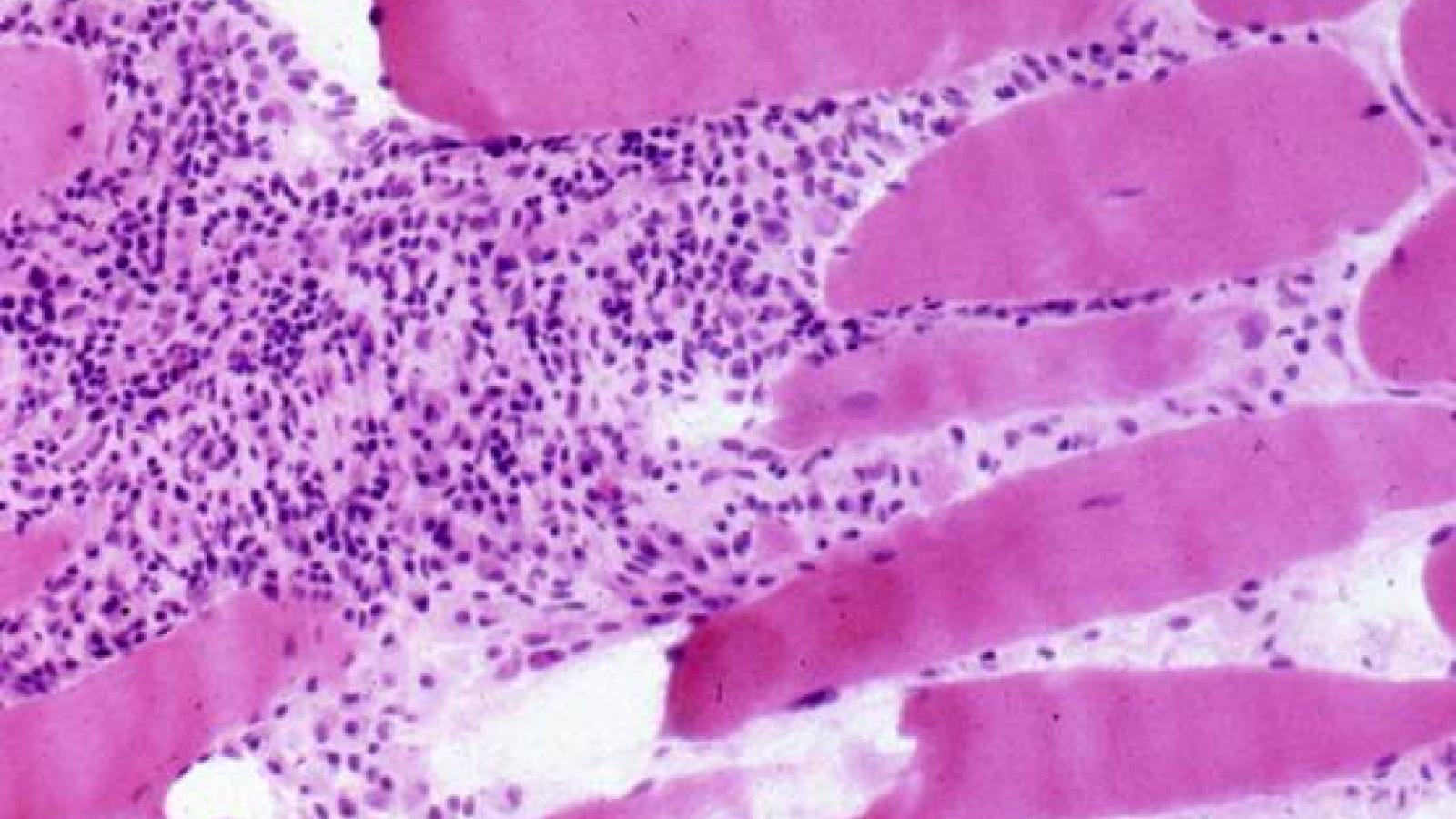
The usual risk factors for myocarditis may not apply to who gets it while on immune checkpoint inhibiting cancer drugs, an FDA adverse event database suggested.

