

Lancet has reported on a clinical trial comparing total knee replacement (TKR) and partial knee replacement (PKR) in late-stage isolated medial compartment knee osteoarthritis patients finding that both TKR and PKR are equally effective, PKR should be considered the first, because of lower costs and better cost-effectiveness.

The US Food and Drug Administration (FDA) has approved apremilast (Otezla) for the treatment of oral ulcers associated with Behçet’s Disease, a rare chronic multisystem inflammatory disease that affects about 5 in 100,000 persons in the USA.

Dr. Jack Cush reports the news and new journal articles from the past week on RheumNow.com.

Correlates with fatigue were assessed in psoriatic arthritis (PsA) patients in the DANBIO registry and found to be associated with clinical inflammatory factors, disease duration, and chronic pain.
A toital of 2062 PsA patients in the Danish nationwide registry DANBIO were studied by cross-sectional survey from December 2013 to June 2014.

A novel compound, synthetic trans‐capsaicin (CNTX‐4975), has been studied as an intraarticular injection and shown to significantly reduce pain in patients with chronic moderate‐to‐severe osteoarthritis of the knee.
A phase II, multicenter, double‐blind study enrolled 172 knee OA patients between the ages of 45–80 years. Patients were randomized to receive either intraarticular placebo, or a high‐purity synthetic trans‐capsaicin CNTX‐4975 0.5
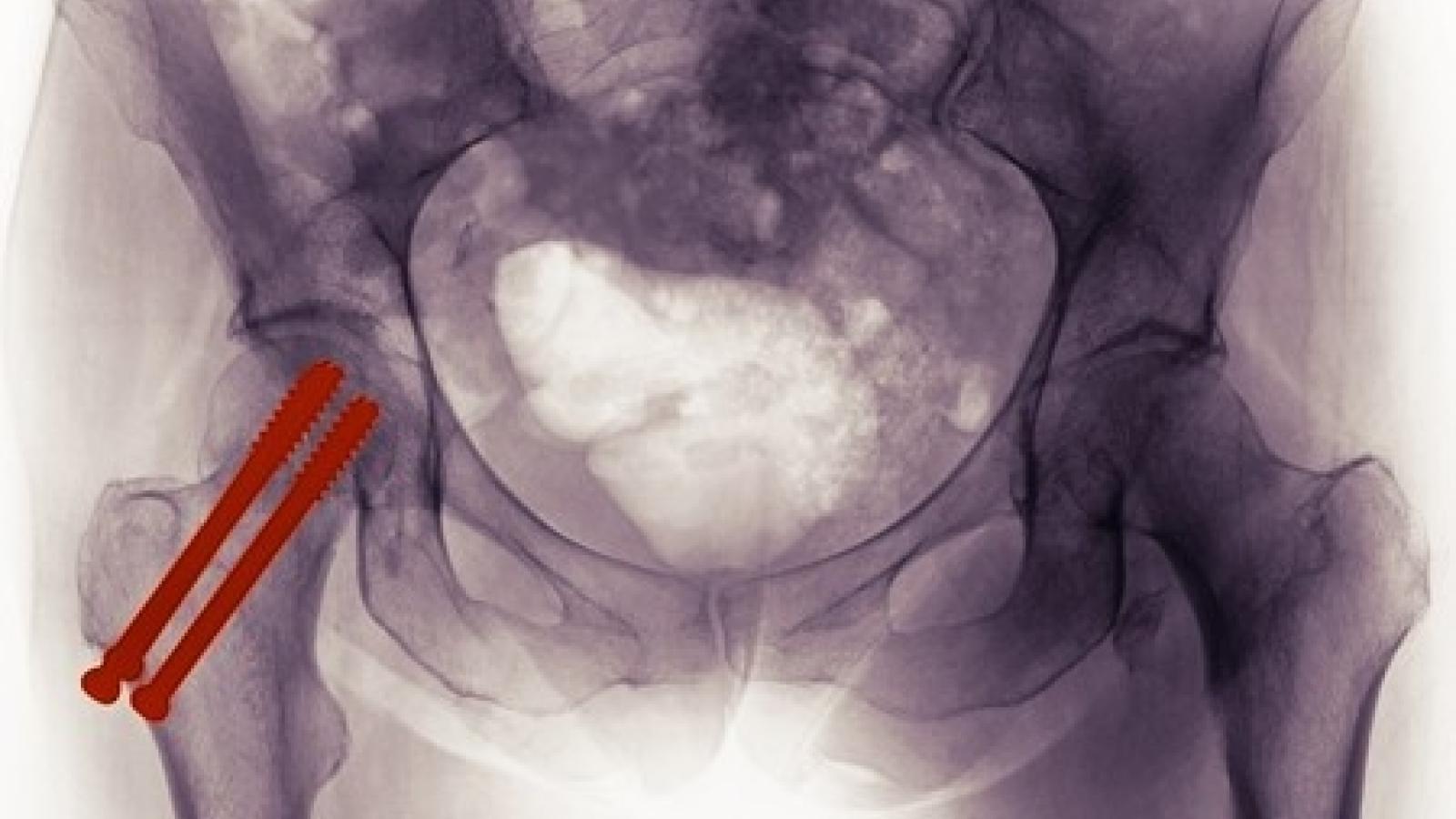
Hip and knee osteoarthritis patients have been shown to have increased mortality rates from cardiovascular events when compared to the general population.
The study included patients in the Skåne Healthcare Register from southern Sweden who were 45–84 years old and seen over 2004-2014. Overall, there were 15,901 such patients in the study.

Myalgic encephalomyelitis/chronic fatigue syndrome affects at least 2 million people in the United States and bears tremendous overlap with fibromyalgia - both being difficult to diagnosis because the symptom complex is often unrecognized and these conditions have no biomarker test.

Upadacitinib, a JAK1-selective inhibitor, was studied head to head against adalimumab and placebo in rheumatoid arthritis after an inadequate response to methotrexate, and shown to be superior to ADA and PBO in ACR20 and DAS remission level responses.

Systemic lupus erythematosus (SLE) patients who are hospitalized have an increased prevalence of atherosclerotic cardiovascular disease (ASCVD) and its individual phenotypes of coronary artery disease (CAD), peripheral artery disease (PAD), and cerebrovascular disease.

The House of God is probably more known of than read, with over 3 million copies sold since its release when I was a Chief Medical Resident in the era of its writing. The book itself, according to the author Samuel Schem (aka Steven Bergman, MD, DPhil), a psychiatrist and currently Professor of Humanities at NYU, is a true account of his internship, albeit laden with some liberties of fiction - and it's been quoted for generations. The House of

The SUNSTONE study evaluated the long‐term safety of rituximab in rheumatoid arthritis (RA) previously exposed to ≥1 anti–tumor necrosis factor inhibitors (TNFi) and showed a stable, but high, rate of serious infections, opportunistic infections and an overall higher mortality rate.
The NEJM has reported that rituximab (RTX) and cyclosporine (CYA) was noninferior to cyclosporine in inducing complete or partial remission of proteinuria at 12 months and was superior in maintaining proteinuria remission up to 24 months.
Dr. Jack Cush reviews this week's news and journal reports featured on RheumNow.com. PsA v. non-PsA pregnancies, Still's disease, lupus, nutritional supplements and dietary interventions, use of cannabis, tanezumab in OA, CBD oils and more.

The current issue of JAMA reviews recent advances on chronic fatigue syndrome, also known as myalgic encephalomyelitis/(ME/CFS), based on a 2-day conference held at the NIH in an April 2019.
The NIH 2-day conference reviewed recent progress and new research in several areas described below.

NEJM reports on the utility of C-reactive protein (CRP) testing in chronic obstructive pulmonary disease (COPD) patients, showing that CRP guided prescribing of antibiotics for exacerbations of COPD in primary care clinics resulted in a lower percentage of patients who reported antibiotic use.

