

The ACR/ARHP 2018 national meeting in Chicago presented us with opportunities to learn more about inflammatory myositis. A particularly interesting lecture was HOT topics in myositis. There were a few abstracts on MDA-5 related disease and a few on new or repurposed medications for dermatomyositis which will be covered here.

Highlights from Tuesday and Wednesday (days 3 and 4) from the ACR annual meeting include: the important and impactful abstracts covered by the Rheumatology Roundup session; upadacitinib clinical trials; and the baricitinib CV and VTE safety analysis.
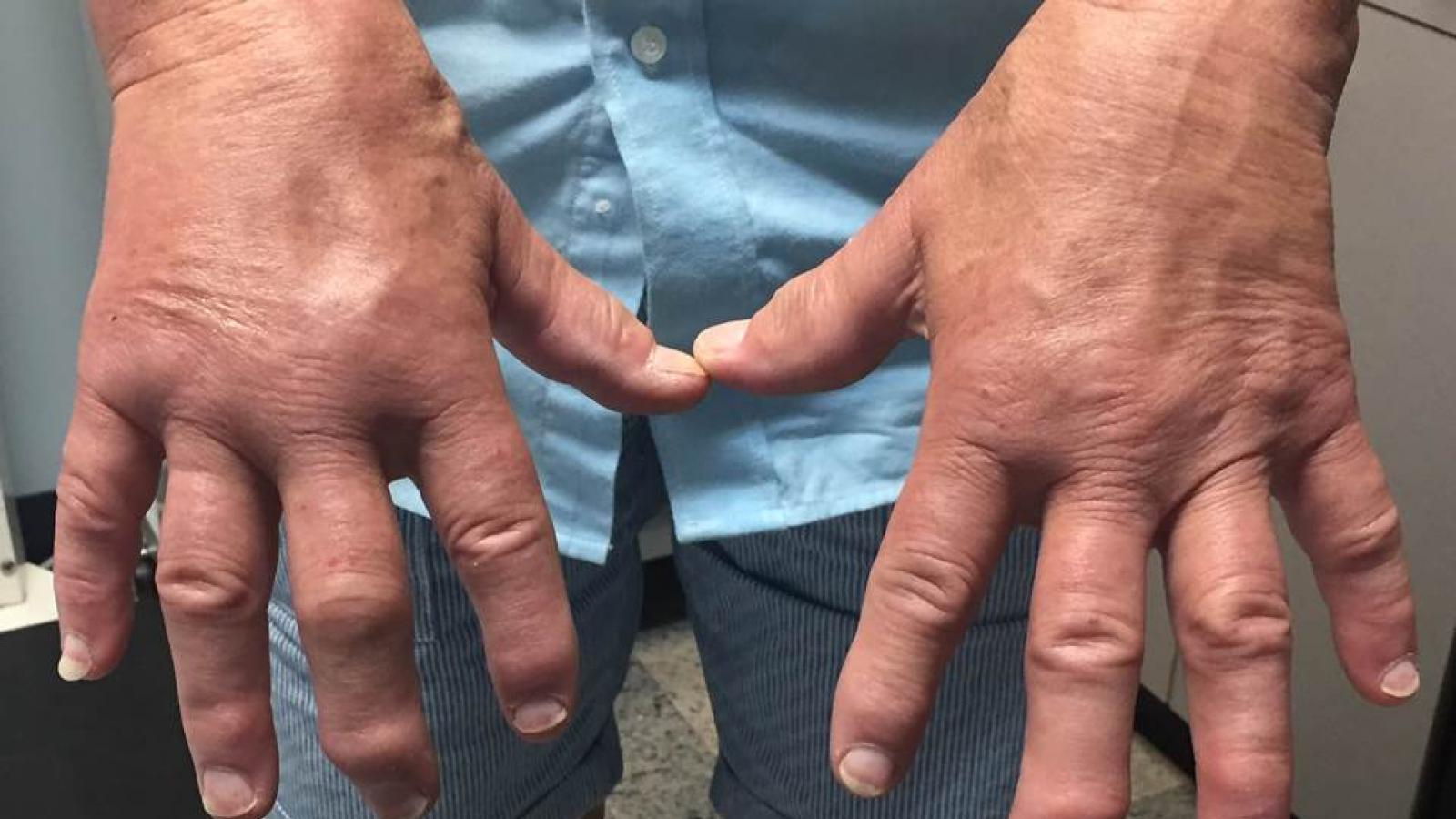
I think 2018 was the year that belonged to psoriatic arthritis (although some may argue in favor of immune conditions induced by Checkpoint inhibitors). Many years ago the late Professor Verna Wright in Leeds (UK) was a lone voice for many years describing the clinical subtypes of Psoriatic arthritis as something distinctive from rheumatoid arthritis. For a long time we thought that the treatments for PsA were just the same as RA since we were

La Paulee is traditionally the party/feast after harvest and a time when hard work is rewarded with food, fun, and wine. And so it was that evening; after better understanding genes, cytokines, and pathology it was time to have a good time with friends, old and new.

As expected, this year’s ACR meeting saw an upswing in the number of abstracts on immune related adverse events from checkpoint inhibitor therapy compared to last year. With the increase in approved indications for checkpoint inhibitors (CPIs), rheumatologists everywhere are going to be getting referrals for rheumatic irAEs.
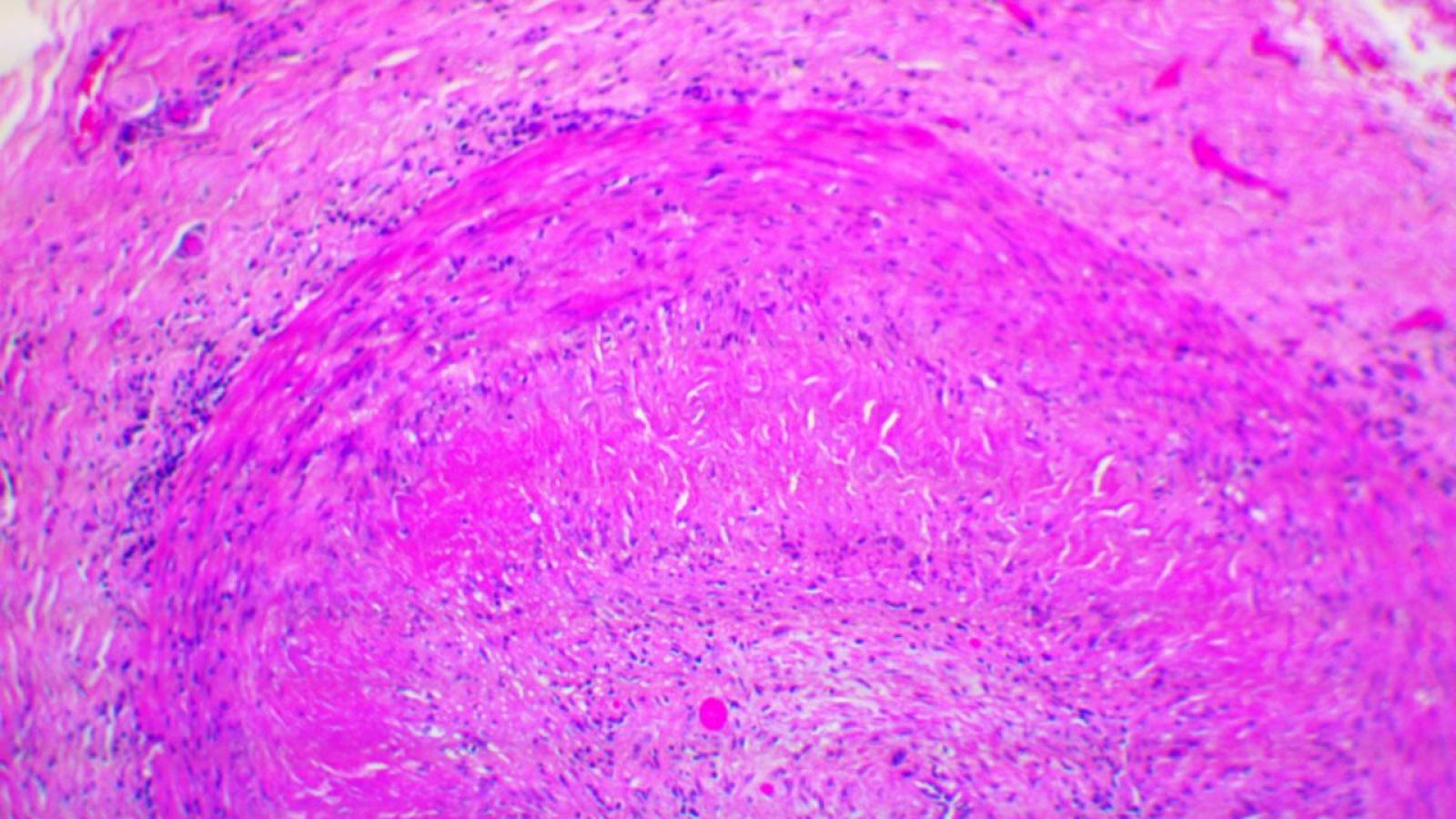
A very small study presented at ACR18 looking at tocilizumab monotherapy in patients with a new diagnosis of giant cell arteritis has nevertheless given hope to the tantalising idea that some GCA patients might achieve drug-free remission without steroids, although broader data are required.

A number of abstracts at this year’s ACR in Chicago highlighted issues around pregnancy and contraception advice in routine clinical practice.

Audio Highlights and Interviews from Day 3 at the ACR 2018 meeting LISTEN HERE

Rheumatologists tend to be a conservative bunch of people. We’re law abiding and we (mostly) follow guidelines. Which is fine when they are in the best interests of our patients, but what do we do when we fundamentally disagree?

Highlights from Tuesday, day 3 of the ACR Annual meeting in Chicago, included:
The PEXIVAS Study – 2x2 Trial of Plasma Exchange and Reduced Steroids in ANCA-Associated Vasculitis (AAV) - Abstract #2788
There have been a number of interesting posters and presentations covering the field of axial spondyloarthropathy. I’ve picked out a few points that I found particularly relevant.
Classification Criteria

Physicians as a group are trained to have excellent clinical skills, but the difference between an average and extremely successful physician often comes down to factors outside of their ability to provide clinical care.
Human NK cells express multiple receptors that interact with HLA class I molecules which, in turn, suppy peptides that bind HLA-E to form CD94/NKG2A NK receptor ligands. These peptides correspond to -22 to -14 residues in the leader sequences of HLA-A, HLA-B and HLA-C binding to the HLA-E site. Methionine – 21 delivers functional peptides in stark contrast to threonine – 21 which does not.

Like most rheumatologists, I retain a deep and abiding love for methotrexate. And with each passing decade since the drug’s ‘re-discovery’ by rheumatology, evidence for a positive trade-off between its benefits and harms has continued to accrue, ensuring its role as the centrepiece of our treatment strategies for rheumatoid arthritis, even as an avalanche of biologics and targeted synthetic DMARDs has swept over us.
There are many avenues for interdisciplinary collaboration within rheumatology, as our specialty encompasses every organ system and diseases with protean manifestations. The intersection of rheumatology and immunology is well known and has become increasingly important, given the association of autoimmune conditions with many of the primary immunodeficiency syndromes.

