
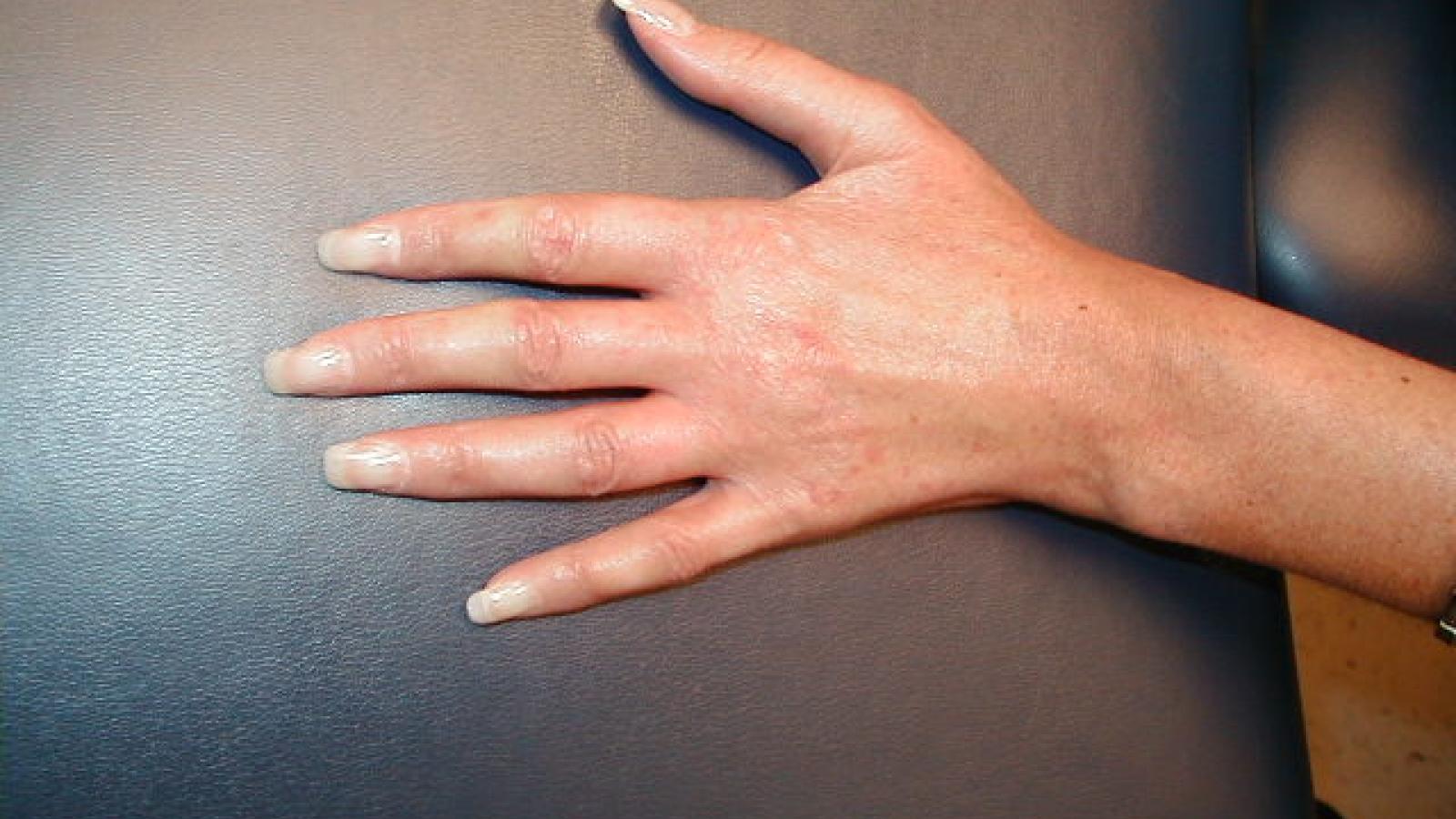
Overlap of autoimmune disorders represents a significant diagnostic and management challenge to the rheumatologist. A novel cohort analysis of overlap between systemic sclerosis (SSc) and systemic lupus erythematous (SLE) suggests such patients tend to be younger, more frequently have PAH, but less cutaneous manifestations of SSc.

Some patients typically contraindicated for prescription nonsteroidal anti-inflammatory drug (NSAID) use may be able to take them with no increased risk of harm, according to a large observational study.
Emergency physician Chris Hahn, MD, doesn't have any trouble conjuring a simple definition of fibromyalgia. "Just think about the most annoying chief complaints you can imagine. That's the diagnostic criteria."
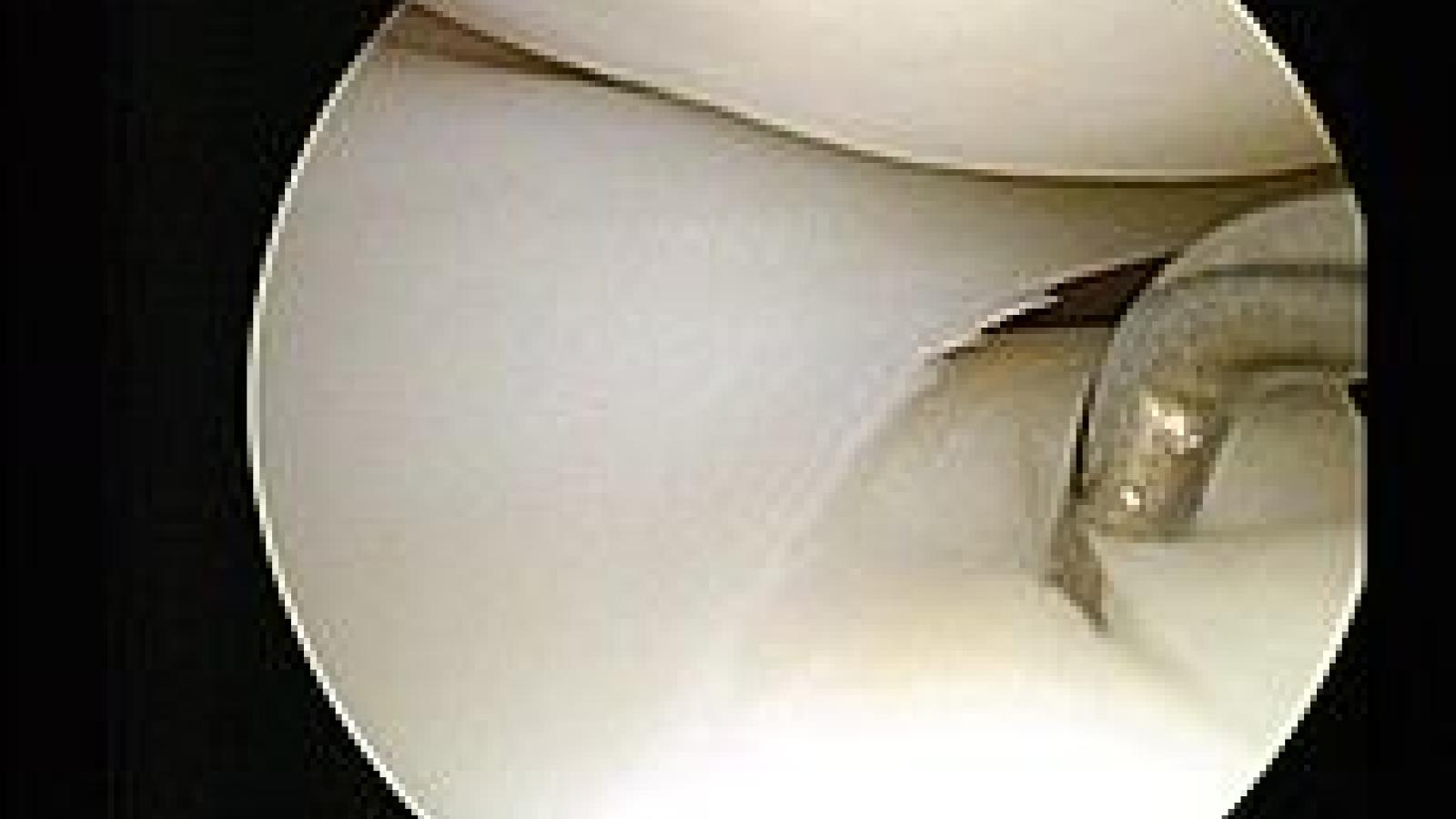
Several new trials suggest that conservative management may be as efficacious as arthroscopic surgery in patients with meniscal tears, thus contributing to the trend of fewer arthroscopic surgeries. A new trial of patients with nonobstructive meniscal tears shows no significant difference in 2 year outcomes between physical therapy and early arthroscopic partial meniscectomy.
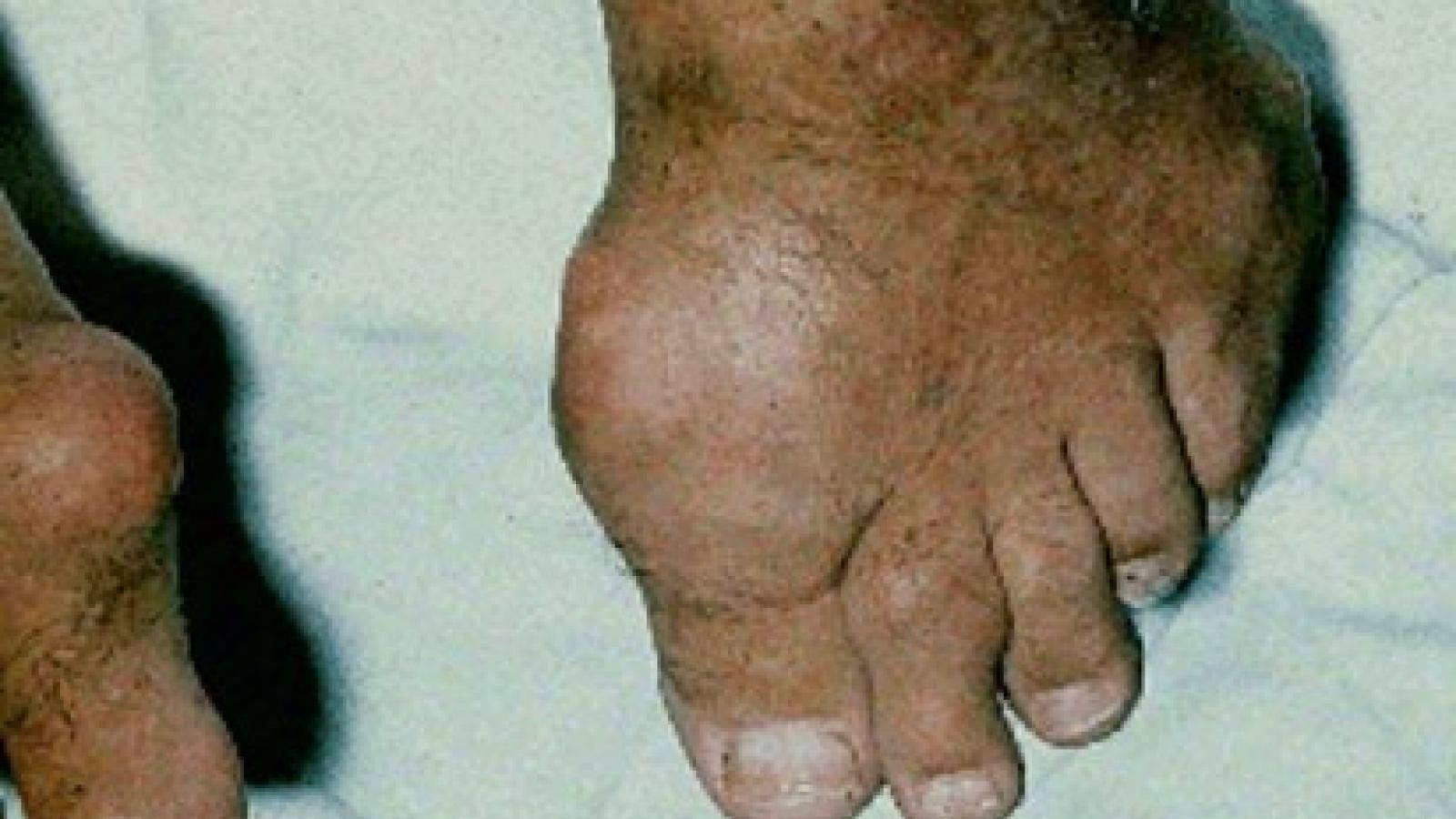
Neogi and colleagues have shown that standard doses of allopurinol (300 mg/day) were associated with a 13% lower risk of renal function deterioration in chronic gout patients - thus, allopurinol does not appear to impair renal function over time.
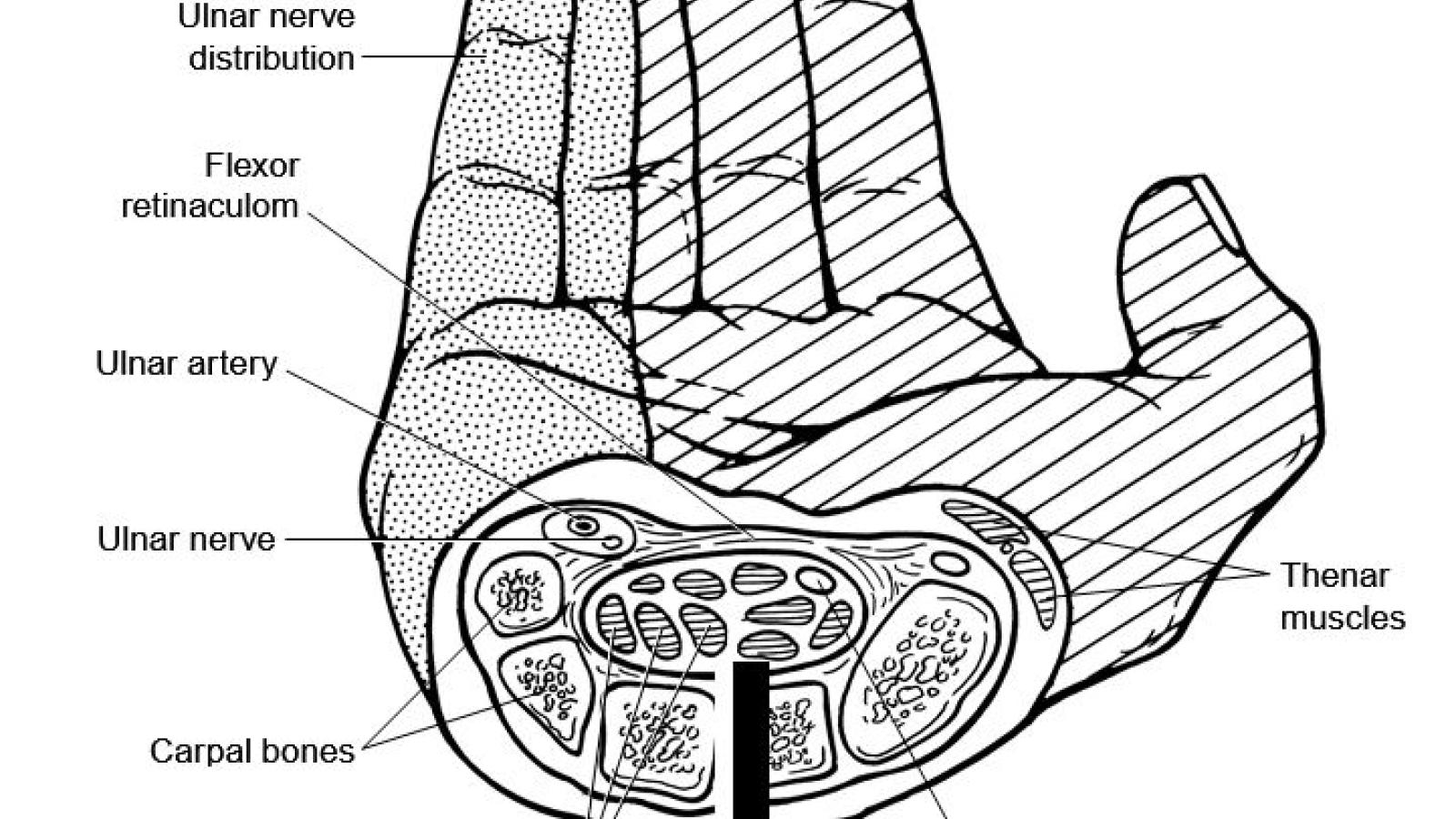
MMWR reports that workers’ compensation claims for carpal tunnel syndrome (CTS) in California during 2007–2014 were 6.3 per 10,000 full-time equivalent workers, with female workers and workers in industries that manufacture apparel, process food, and perform administrative work being at highest risk for CTS.

The high prevalence of symptoms of anxiety and depression among adults with arthritis warrants awareness, screening, and subsequent treatment of these conditions. Health care providers can refer patients to mental health professionals and self-management education programs, and encourage physical activity to reduce anxiety and depression symptoms and improve quality of life.

Dr. Jack Cush reviews the news from the past week on RheumNow.com.

The current edition of Lancet Diabetes & Endocrinology suggests that neither vitamin D supplementation, nor dose, will improve bone density or prevent fractures in adults. (Citation source: https://buff.ly/2O9tqxI)

Use of wearable activity trackers was associated with increases in the number of daily steps among individuals with rheumatic and musculoskeletal disorders, a meta-analysis found.
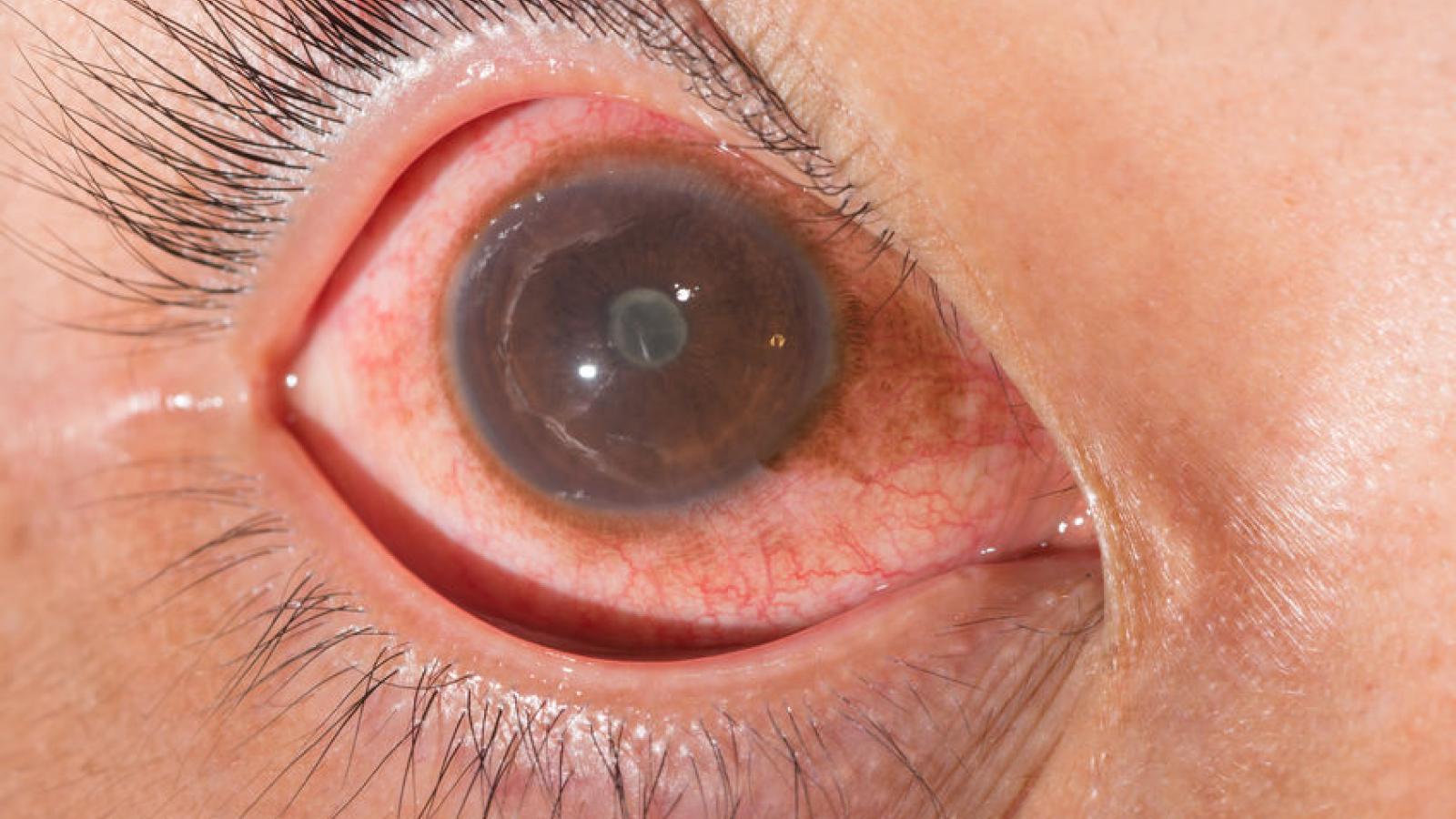
Researchers from Germany have studied a large cohort of juvenile idiopathic arthritis (JIA) patients and shown that JIA disease activity scores and laboratory biomarkers could be used to better define the group of JIA patients at high risk of uveitis onset.
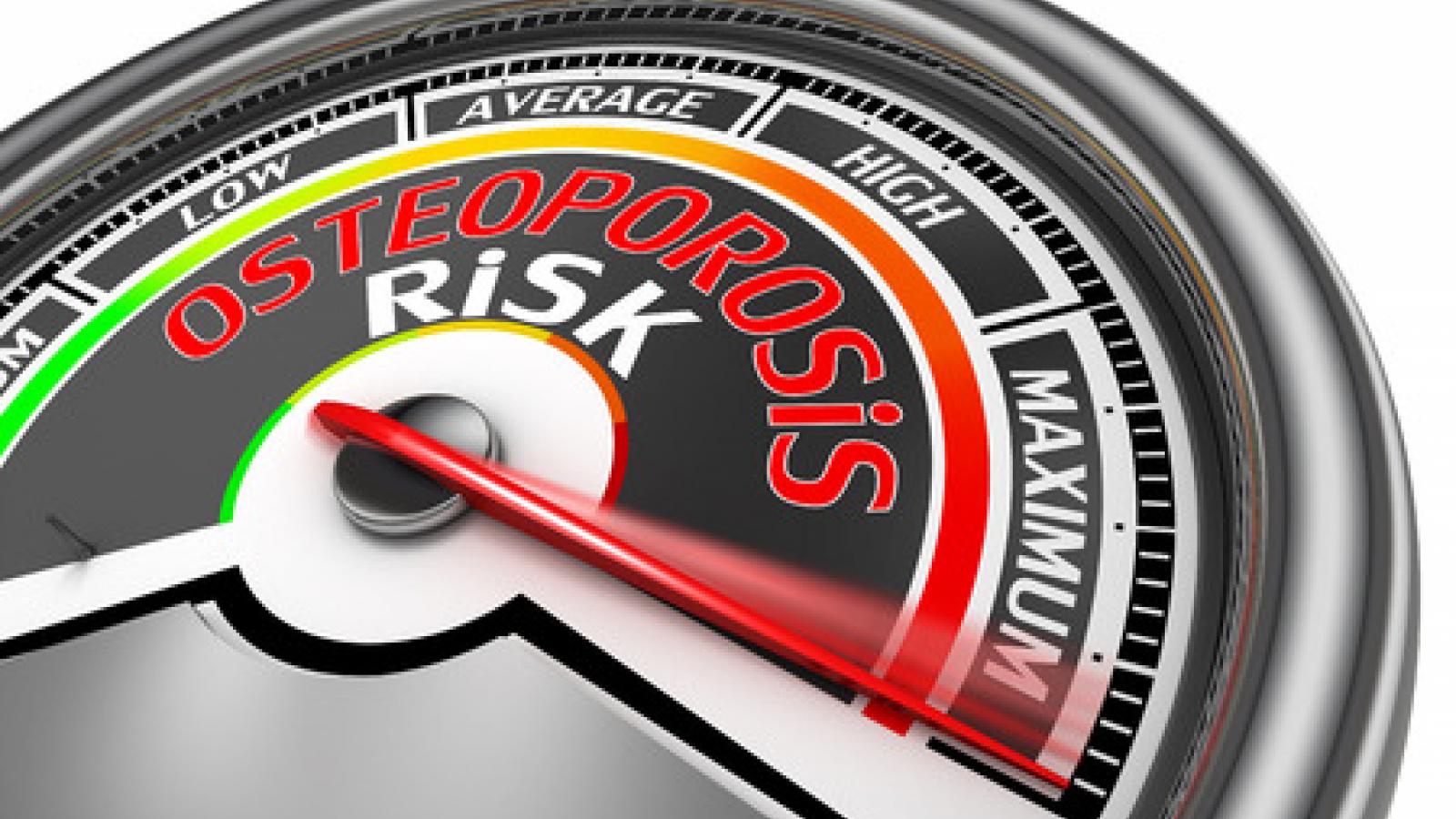
The NEJM reports that zolendronic acid was shown to significantly lower the risk of nonvertebral or vertebral fragility fractures in older women with osteopenia.
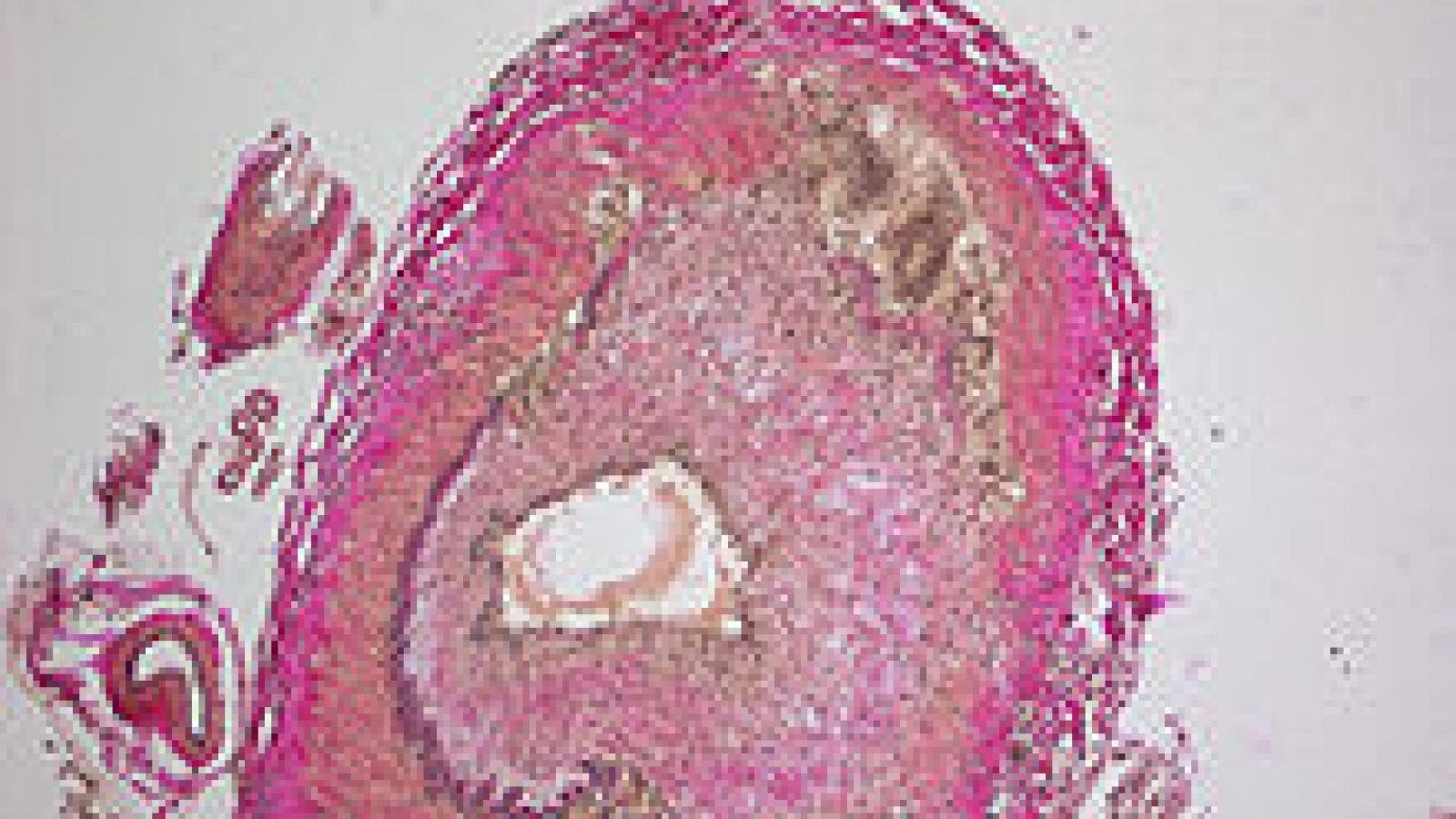
The Norwegian connective tissue disease (CTD) and systemic vasculitis (PSV) registry (NOSVAR) studied patient outcomes over a 15 year period and found overall mortality to be higher in the CTD compared to the PSV group.

Multiple studies have shown that elderly rheumatoid arthritis (RA) patients tend to be under-treated and receive DMARD therapies less often than younger RA patients. Now a VAMC study shows that the elderly are less likely to receive biologic agents yet are as likely to be subjected to glucocorticoid use.
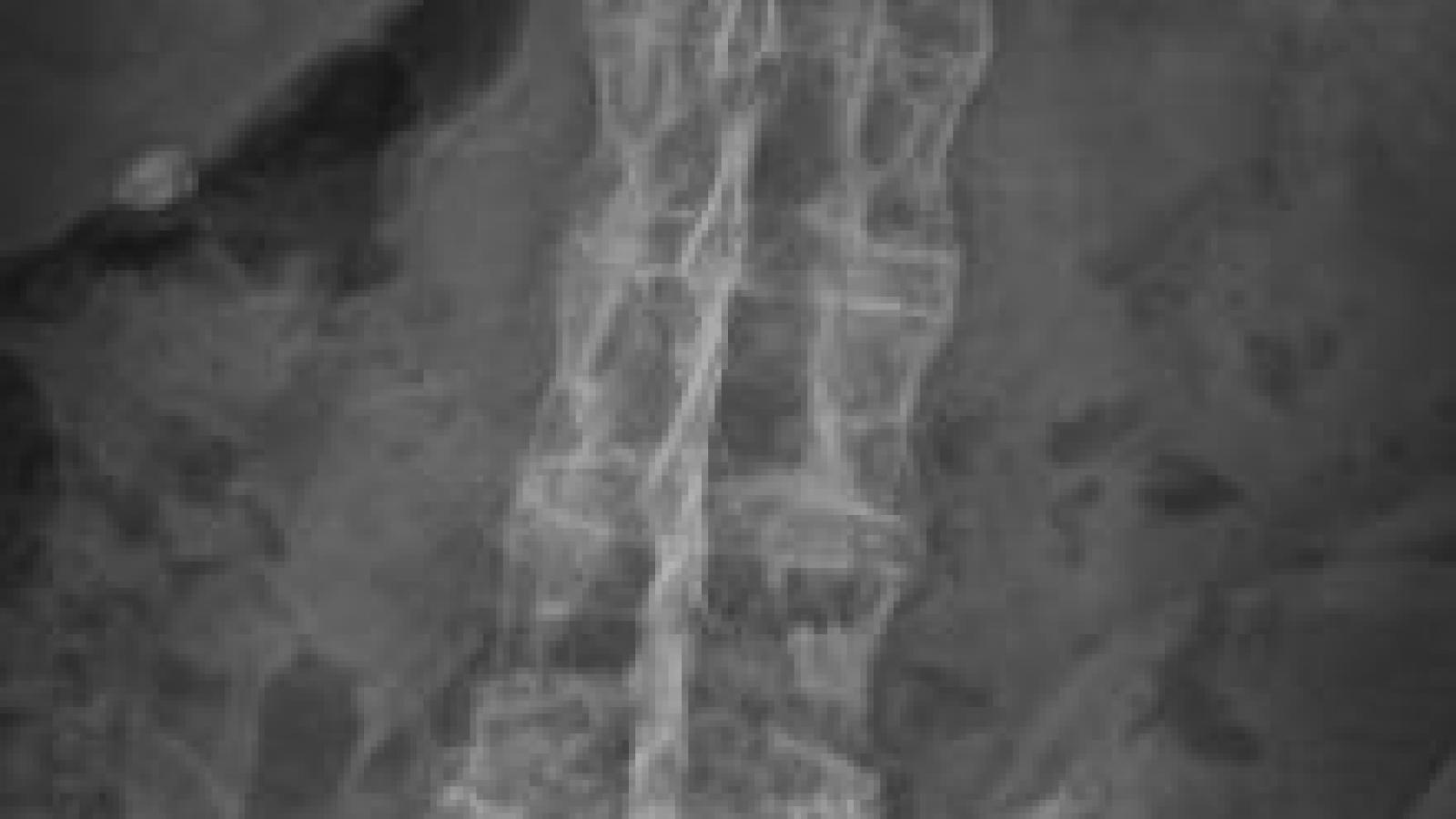
Males and females can both be affected by axial spondyloarthritis (axSpA). A recent study shows that while there are some differences and similarities, HLA-B27 and imaging are still pivotal elements for diagnosis of axSpA in both genders.

