
Many patients with rheumatoid arthritis (RA) who achieved sustained disease control with baricitinib (Olumiant) treatment were able to reduce their daily dose from 4 mg to 2 mg and maintain their response, a double-blind substudy of a long-term extension trial found.

A metanalysis of studies and over 42,000 physician shows that MD burnout is associated with 2-fold increased in unsafe care, unprofessional behaviors, and low patient satisfaction.
The primary outcomes were the quantitative associations between burnout and patient safety, professionalism, and patient satisfaction.

Yet another setback has occurred in the efforts to develop new medications for treating systemic lupus erythematosus (SLE), as anifrolumab failed to meet the primary endpoint in a phase III trial, according to AstraZeneca and MedImmune.

Dr. Jack Cush reviews news and journal articles from the past week on RheumNow.com.
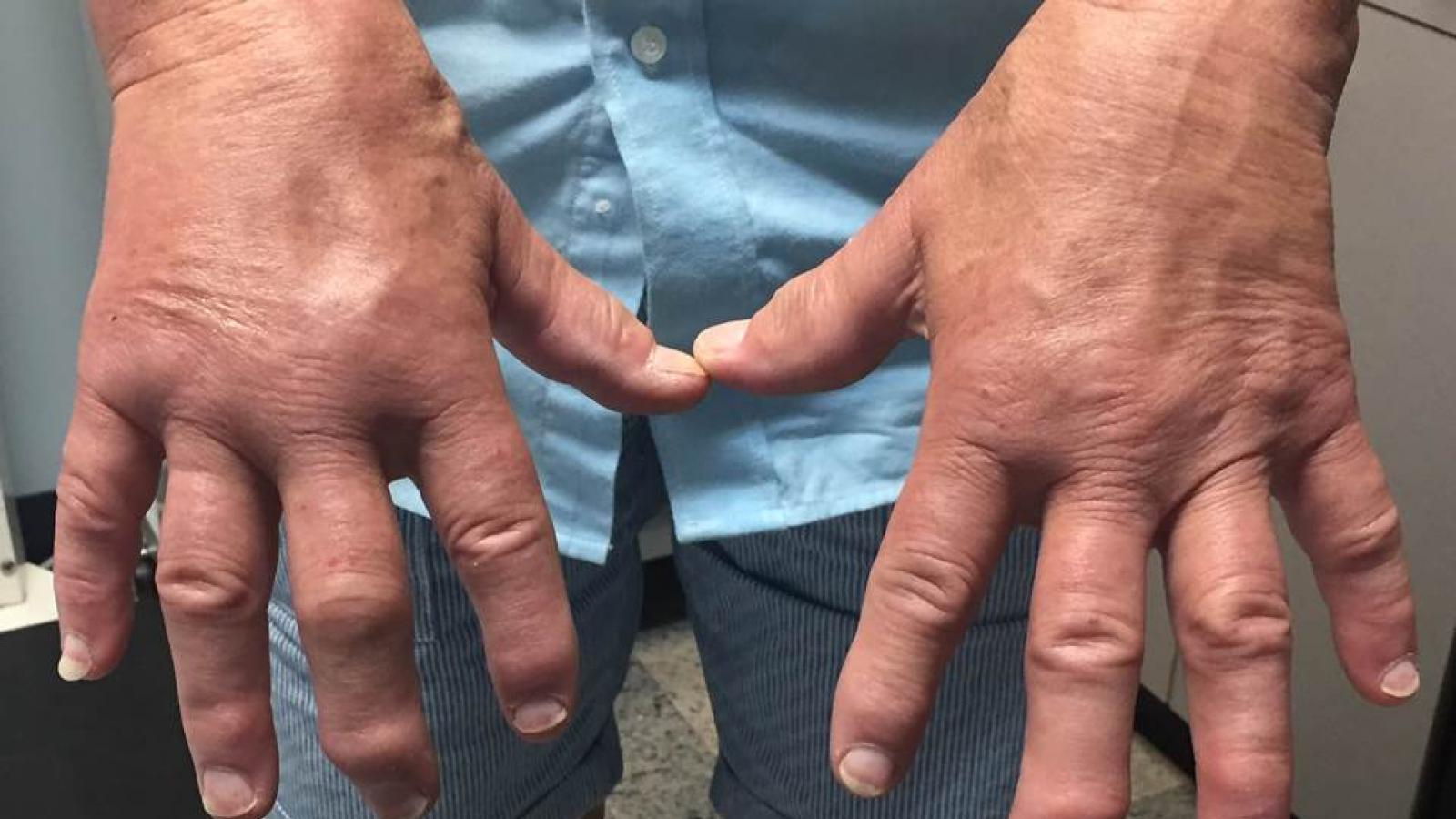
Osteoarthritis (OA) affects 27 million Americans but its affect on mortality is uncertain. A recent study shows that while self-reported OA does not increase mortality, radiographic OA of the knee (RKOA) is associated with higher mortality related to CVD, diabetes and renal disease.
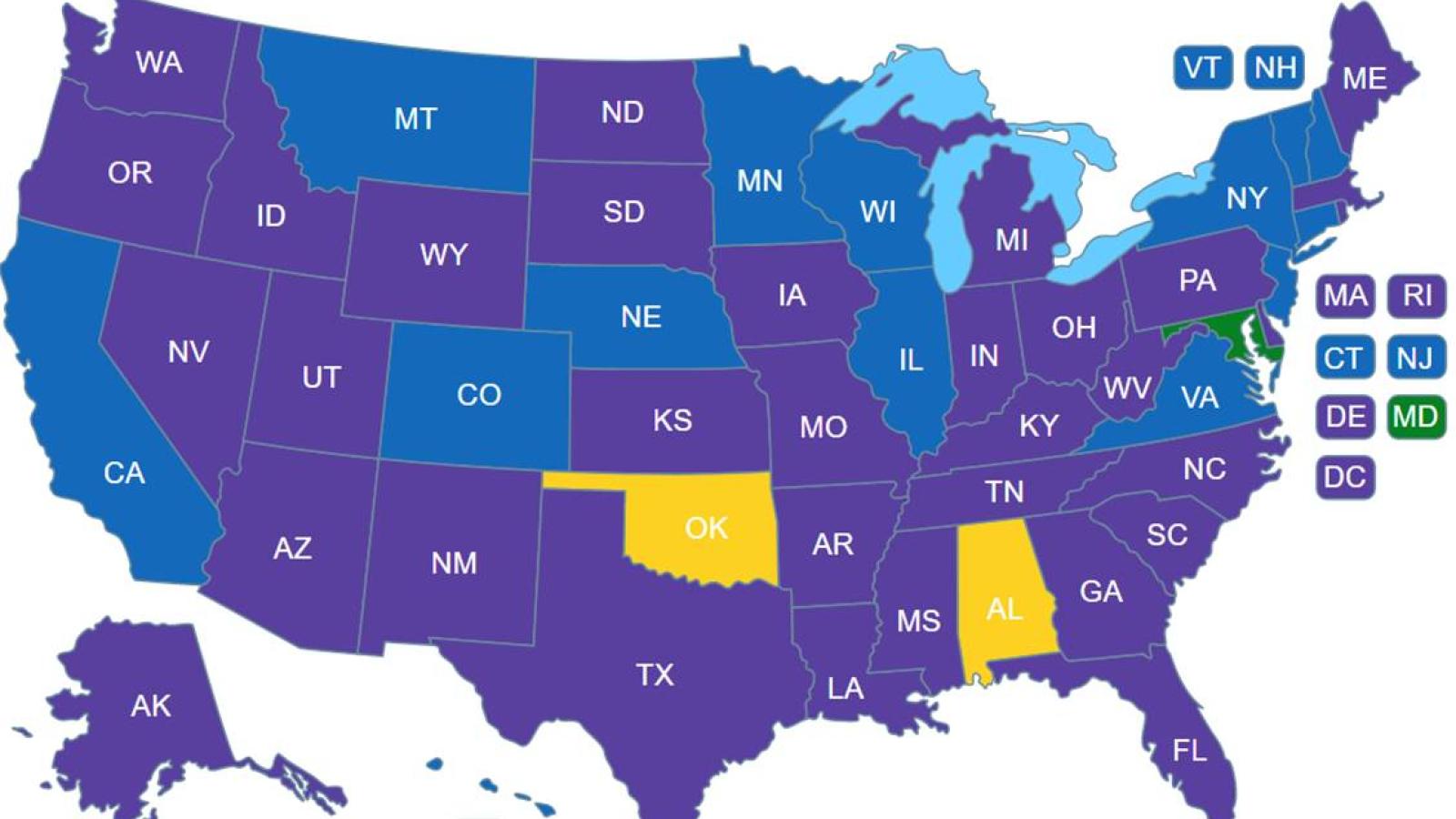
The American College of Rheumatology (ACR) today released the Rheumatic Disease Report Card: Raising the Grade on Rheumatology Care in America, a first-of-its-kind report that evaluates just how difficult it can be to live well with a rheumatic disease in the United States.
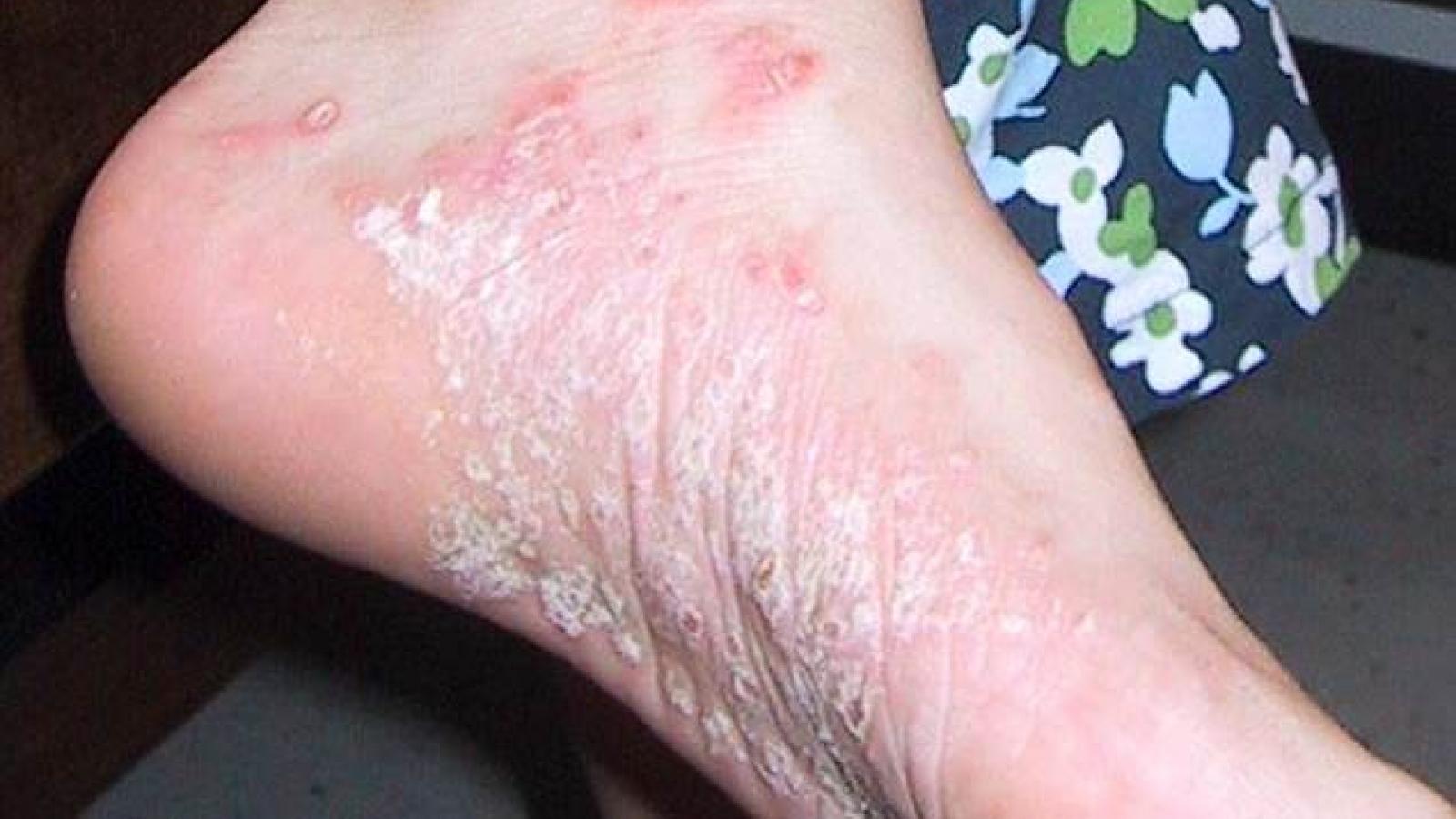
In a prospective, double-blind, randomized placebo-controlled study, Warren et al. studied the effect of an intensified methotrexate (MTX) in chronic plaque psoriasis and showed MTX to be effective and superior to placebo.

Uric acid (sUA) control may be a challenge in patients with chronic kidney disease (CKD). A cohort study shows that conventional dosing recommendations for allopurinol are unlikely to reach target serum sUA goals.

A Canadian Rheumatology Association SLE Working Group was established to develop recommendations for the assessment of people with systemic lupus erythematosus.
A panel that included 23 adult rheumatologists, 4 pediatric rheumatologists, 1 immunologist, 4 general internal medicine and rheumatology trainees, and a patient representative, used GRADE methodology to assess the literature and develop guidelines.

An odd side effect of several new agents is the risk of hyperlipidemia. While this has been seen with tocilizumab (TCZ), there does not appear to be a resultant risk of cardiovascular (CV) events. A study of claims data compared CV risk in rheumatoid arthritis (RA) patients receiving TOC (an IL6 receptor antagonists) and other biologics and found no differences with regard to CV outcomes.
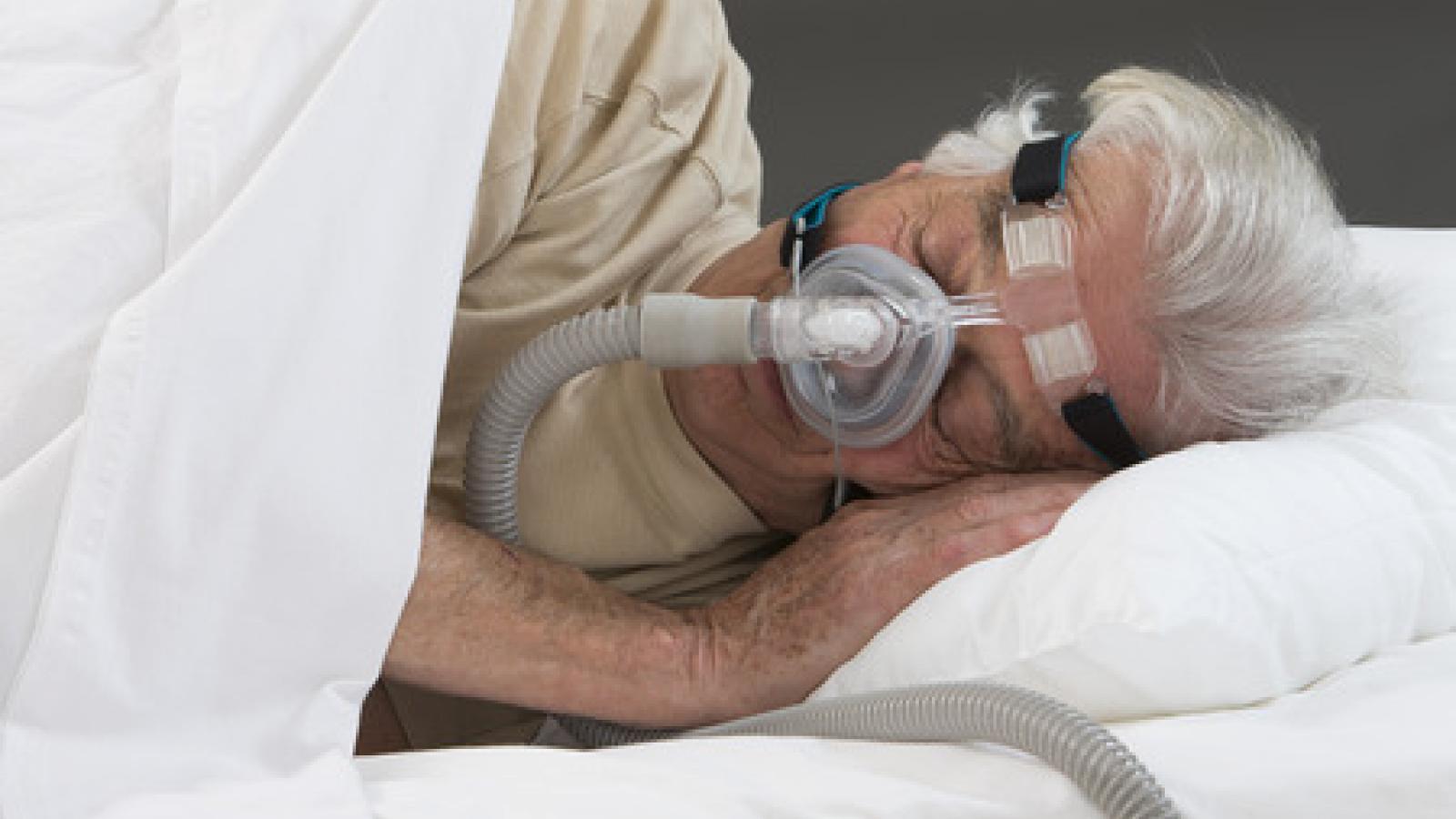
Patients with obstructive sleep apnea were at increased risk for incident gout, particularly in the first years after the sleep apnea diagnosis, U.K. researchers reported.
In a large retrospective cohort study, the adjusted hazard ratio for a new gout diagnosis among individuals with sleep apnea was 1.42 (95% CI 1.29-1.56), according to Milica Blagojevic-Bucknall, PhD, of Keele University in Keele, England, and colleagues.
Dr. Jack Cush reviews the news and journal articles from the past week on RheumNow.com. Cool info on paternal exposures to DMARDs/Biologics, Contraceptive let downs, good outcomes in PsA, depression-insomnia-pain triad in OA and how to store your biologic in a hurricane.

The British Society of Rheumatology has produced a set of NICE accredited guidelines for the use of biologic therapies in patients with inflammatory arthritis.
It addresses safety recommendations for all biologic therapies approved by the National Institute for Health and Care Excellence (NICE) up to June 2016, for use in all inflammatory arthritides [RA, PsA and axial SpA (SpA) including AS].
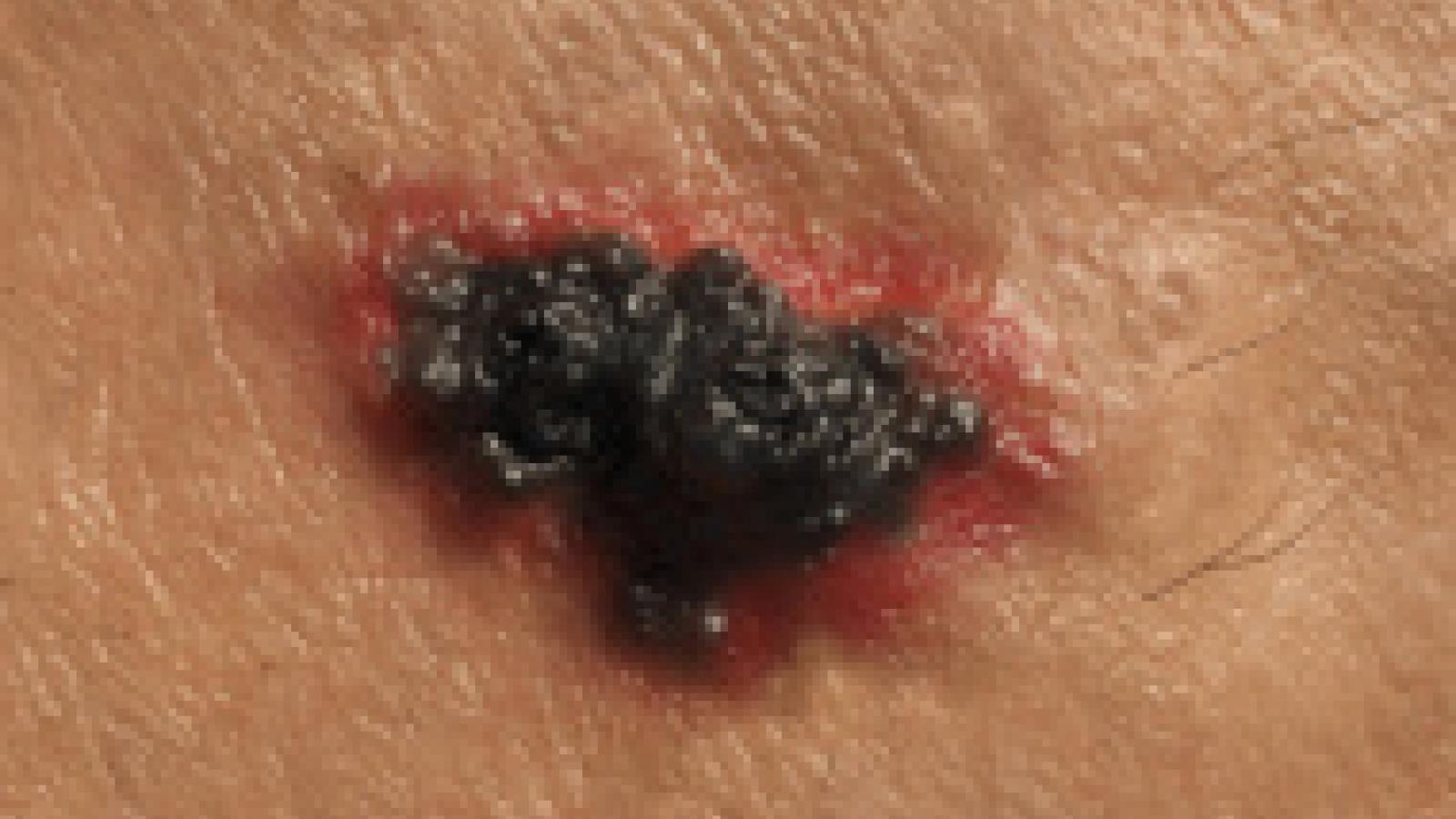
Inflammmation is a strong risk factor for malignancy. Yet there are mixed results on whether patients with psoriatic arthritis (PsAg) augments the incidence of cancer and all-cause and cause-mortality.
A study from the national British Society for Rheumatology Biologics Register examined the risk of cancer, assessed by standardized incidence ratios (SIRs) or standardized mortality ratios (SMRs).
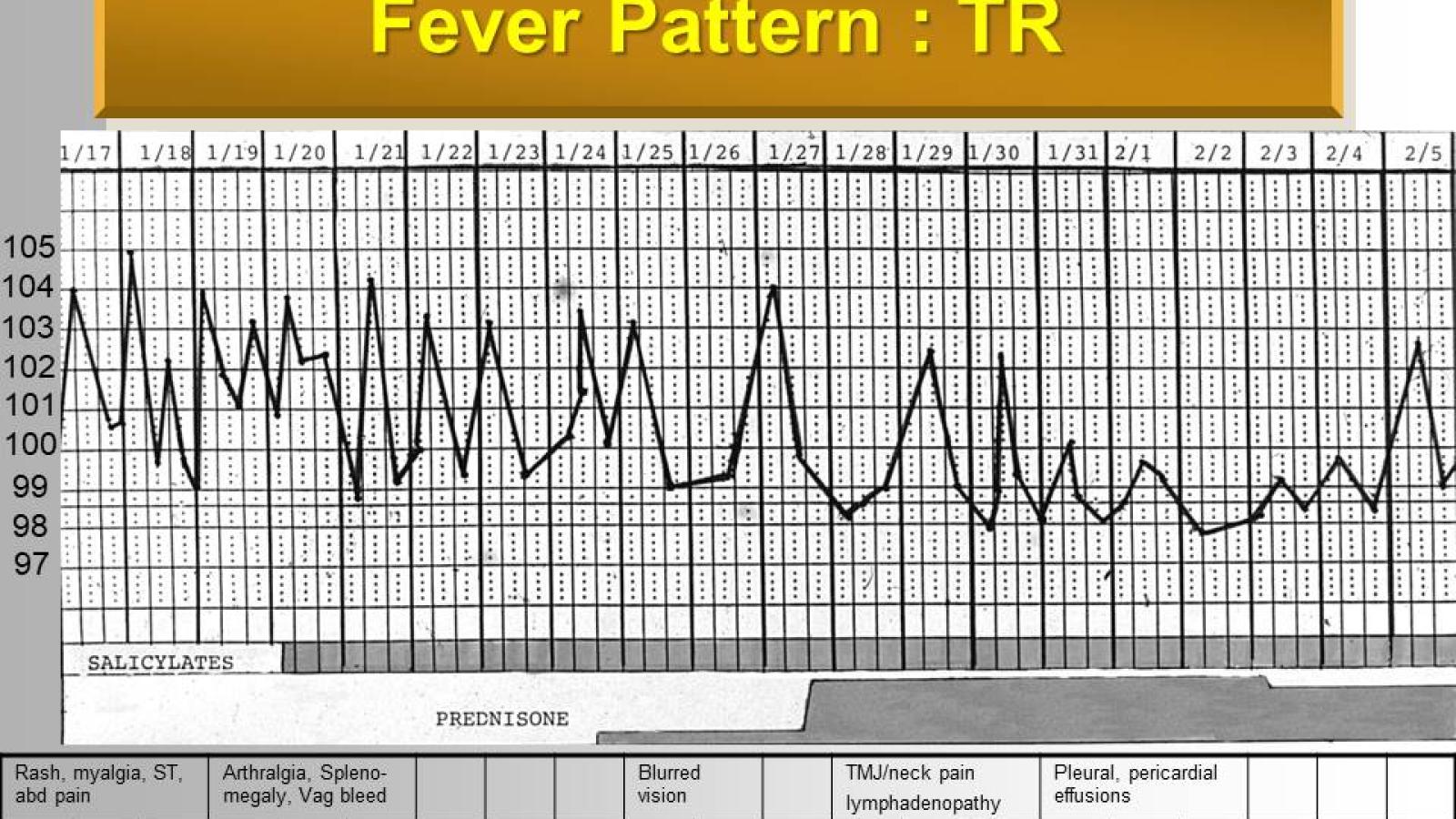
In July 2018, RheumNow launched a “Live Vote” survey of US and non-US rheumatologists that asked how they diagnose and treat systemic juvenile idiopathic arthritis (sJIA), also known as “Still’s disease”. It appears that many prefer to start therapy with an IL-1 inhibitor, after a course of steroids and MTX/DMARD. Yet, these findings suggest there are significant unmet needs in the diagnosis and management of sJIA patients.

