

Yesterday, the American College of Rheumatology (ACR) met with U.S. Department of Health and Human Services Secretary Alex Azar for a productive discussion about the rheumatology community's concerns with a new policy that will allow Medicare Advantage plans to utilize step therapy in Medicare Part B. In the meeting, the ACR expressed concerns that this policy would delay rheumatology patients' access to treatments.

Dr. Cush reviews the articles and news from the last week on RheumNow.com. Information on comorbidities, the downside of steroids, unmet need in psoriatic arthritis, and the top 10 rheumatology programs.
Exposure to second-hand smoke during childhood was associated with an increased risk for developing rheumatoid arthritis (RA) later in life, researchers said.

Comorbidity is pervasive and complicates medical care in general. It can be a by-product of aging. It may result from drug therapy or an inciting disease process and may be part of the constellation that defines the primary disorder. A growing body of evidence that suggests that comorbidity has a significant dampening effect on drug responsiveness and, adds to poorer outcomes in patients with inflammatory arthritis.
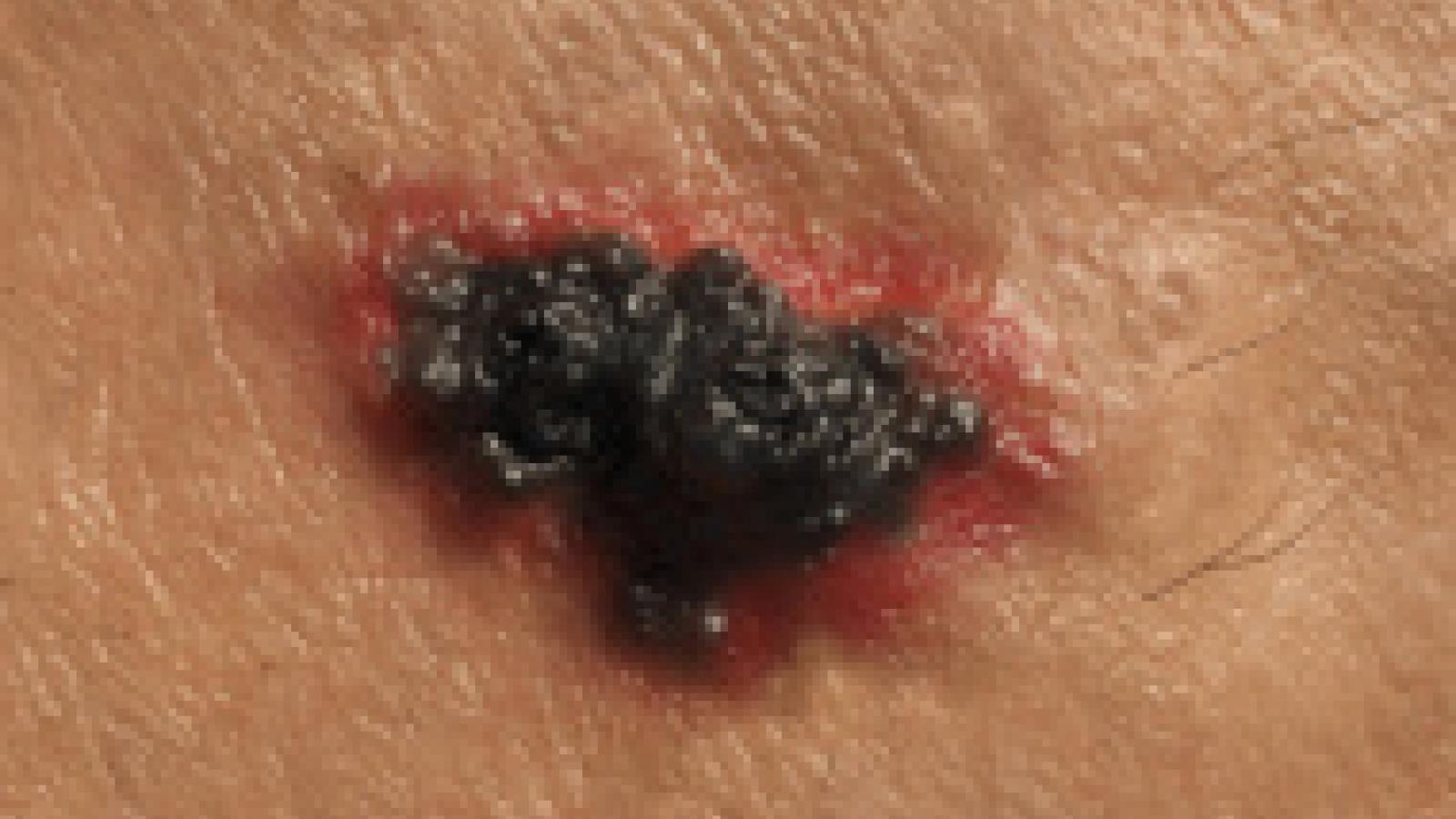
There is a large body of data that shows tumor necrosis factor inhibitors (TNFi) use in rheumatoid arthritis (RA) confers the same risk as that seen in RA - meaning there is no increase over and above that incurred by inflammation and RA itself. There are fewer studies about whether it is safe to use a TNFi in someone with a pre-existing history of cancer.
Among elderly female Medicare patients, persistent use of osteoporosis medications was associated with reduced risk of fracture and significantly lower total health care costs.
Osteoporosis International reports the results of research examining records of 294,369 women >65 years old, on Medicare and taking osteoporosis medicines for the first time at some point between 2009 and 2011. (Citation Source: bit.ly/2vALm98)

The Annual U.S. News and World Report Rankings of Hospitals has listed the top contenders in the field of rheumatology. The U.S. News Review rates hospitals nationwide in 16 specialties – including rheumatology. Of the 4,500 hospitals covered by U.S. News that were analyzed, 158 were classified nationally in at least one specialty area.

The type of biologic disease-modifying anti-rheumatic drug (DMARD) being used and remission duration were important factors predicting whether remission was maintained among patients with rheumatoid arthritis after cessation of the biologic, a Japanese study found.

An Australian prospective study of patients with rheumatoid arthritis (RA), psoriatic arthritis (PsA) and ankylosing spondylitis (AS) has shown that sustained use of tumour necrosis factor (TNFi) inhibitors or biologics can reduce the risks of cardiovascular events (CVEs).

Dr. Jack Cush reviews the news and latest journal articles from the past week on RheumNow.com. Info on Surgery and Hip Fractures, Gout drugs abandoned, Allopurinol escalation, hydroxychloroquine drug levels, how to treat scleroderma in India and exactly who gets back pain.

This nationwide study of adults (50+ yrs) from Denmark has shown that following a fragility fracture, the 10-years mortality risk was increased, especially in the first year following the fracture.
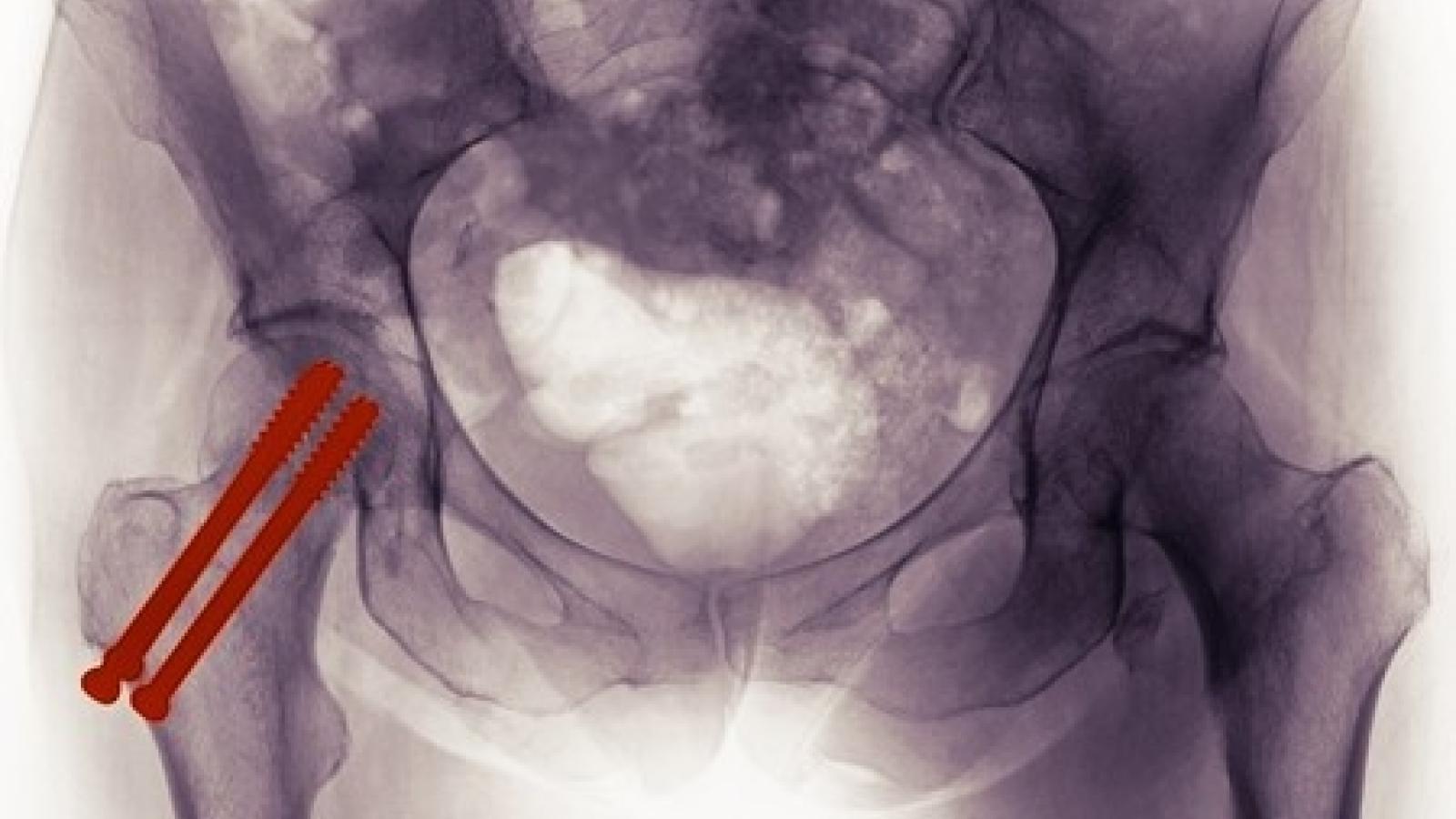
CMAJ reports that seniors are more likely to survive a hip fracture if the surgery is done as soon as they’re admitted to the hospital - suggesting hospitals should expedite operating room access for patients whose surgery has already been delayed for nonmedical reasons. (Citation source: bit.ly/2KzdrCt)

Dr. Roland Moskowitz was a giant in the rheumatology world for decades, and one of a handful of researchers who doggedly rose to one of rheumatology's greatest challenge: osteoarthritis. He has passed away at the age 88 years.

The current edition of JAMA Internal Medicine describes an Asian gout patient who presents with an allopurinol hypersensitivity reaction that could have been diagnosed by testing for HLA-B*5801.

Saag and colleagues report the results of a 3 month phase III trial demonstrating equal efficacy between febuxostat extended release (XR) and immediate release (IR) formulations in patients with gout. and normal or impaired renal function.

