

The majority of patients with psoriatic arthritis (PsA) who achieved a state of minimal disease activity (MDA) after 6 months of treatment with adalimumab (Humira) maintained that response through 24 months, a large observational study found.

By recognizing the limitations of memory and patient recall, I tend to focus historic elements that have high predictive value and avoid time consuming worm-holes in history-taking that have low predictive value. This leaves me with more time to listen to the patient.

Gout, the ancient disease of kings is usually treated with the ancient (and costly) drug colchicine, often without consideration of nonsteroidal antiinflammatory drugs (NSAID) or corticosteroids. A recent metanalysis compared the NSAIDS and steroids and showed that both were equipotent in managing the pain of acute gout, but corticosteroids appear had a more favorable safety profile.

A consensus panel was convened to develop consensus-based clinical and therapeutic recommendations for the use of methotrexate (MTX) in the management of Juvenile Idiopathic Arthritis (JIA) patients.

The Journal of Rheumatology reports a population-based study demonstrating that gout is associated with an increased risk of developing erectile dysfunction (ED) suggesting that hyperuricemia and inflammation may be independent risk factors for ED.
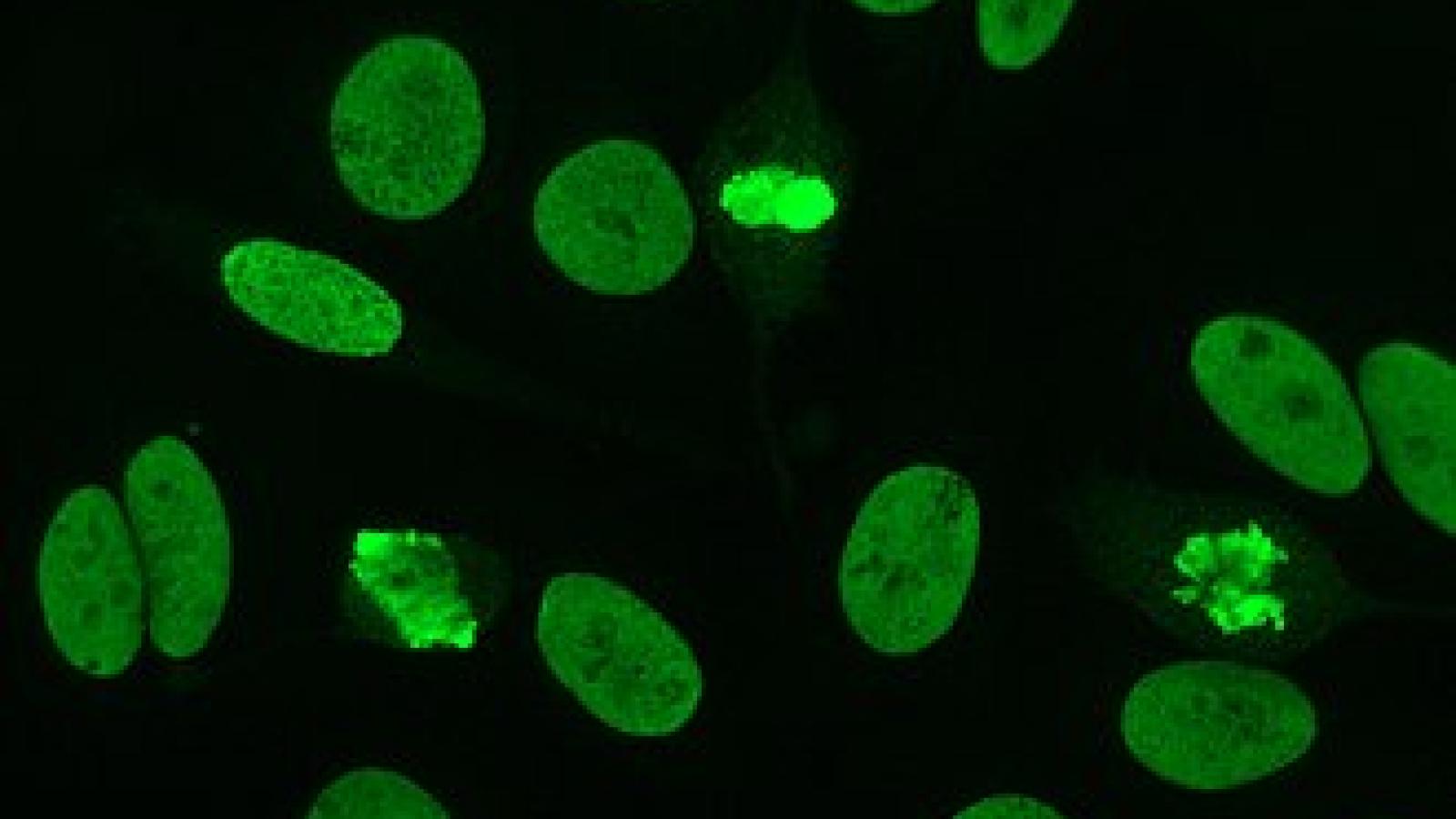
Positive tests results for antinuclear antibodies (ANAs) are frequently referred to rheumatology despite their poor predictive value, even in individuals who are ‘At Risk’ for autoimmune connective tissue diseases (AI-CTDs). A new study shows that combining ANA positive with interferon-stimulated gene expression increased the liklihood of progression to AI-CTD.

Dan Wallace and colleagues report in Lancet the results of a phase II study of the selective baricitinib, an oral selective Janus kinase (JAK1 and JAK2) inhibitor, in patients with systemic lupus erythematosus, demonstrating the efficacy and safety of JAK1/2 inhibition with baricitinib as a new potential oral therapy for SLE.

Dr. Jack Cush reviews highlights from the news and social media on RheumNow.com in the past week.
Based on clinical trial data, patients starting tumour necrosis factor-alpha inhibitors (TNFi) have roughly a two-thirds chance of achieiving a good clinical response. French investigators have studied a series of potential biomarkers and surmised that the combination of baseline prealbumin, platelet factor 4 and S100A12 can predict a 78% response to TNFi in rheumatoid arthritis (RA) patients.

The progress that has been seen in the management of many aspects of rheumatoid arthritis (RA) has not been paralleled for the pulmonary disease that remains the second most common cause of death among these patients, an Australian expert reported here at the annual meeting of the Florida Society of Rheumatology.

Ambien (zolpidem) is the most widely used prescription hypnotic sedative since its introduction in 1992 and is currently the fourth most frequently prescribed psychiatric drug (2013). Recent US Food and Drug Administration Drug Safety Communications suggest limitations on use to reduce adverse effects. A study of the Medical Expenditures Survey in 2015 revealed that over 3.8 million adults reported using one or more prescriptions for zolpidem.

Gout may be an ancient disease, with arthritis of the big toe having been described in Egypt in 2,600 BC, but only now are the underlying pathophysiologic events being elucidated and understood.

Musculoskeletal ultrasound (US) has become a more widely used tool in rheumatology clinical practice. This study of early inflammatory arthritis patients shows that US-defined digit flexor tenosynovitis was more predictive of subsequent rheumatoid arthritis than findings of ACPA positivity or US-defined joint synovitis.

On July 12th the Centers for Medicare & Medicaid Services (CMS) released its proposed rule changes for the 2019 Medicare physician fee schedule. This year, CMS has combined the Medicare physician fee schedule proposed rule with recommendations for the Quality Payment Program (QPP), which will be officially published in the Federal Register on July 27.

New research from a UK study suggests that nonresponse to oral or subcutaneous MTX was seen in 43% and is predicted by seronegativity, higher disease activity measures and higher anxiety scores.

