

MMWR reports that eight states, including Colorado, have legalized recreational marijuana for use by adults and that a study of use in Colorado has shown that nearly 15% of Colorado adult workers have used marijuana in the past 30 days. Use was highest among young adults, especially men, working in the Accommodation/Food Services and Food Preparation/Serving industries.

CreakyJoints and Pfizer have selected the Mayo Clinic and the University of Alabama at Birmingham (UAB) to each receive a $500K research award (funded by Pfizer Independent Grants) for Learning & Change.
Grants submitted from both centers haved focused on shared decision making between rheumatoid arthritis (RA) and health care providers.
Dr. Jack Cush reviews the news and journal reports from the past week on RheumNow.com. Highlights includes manpower shortfalls, comorbidities in AA Lupus, certolizumab pregnancy safety, which Shingles vaccine is best and the power of combination biologics in severe refractory SLE.
The current issue of the NEJM reviews the Food and Drug Administration (FDA) “breakthrough therapy” designation that was introduced in 2012 to expedite testing and approval of medications that were intended to treat serious or life-threatening conditions. This status is granted when preliminary evidence with a new drug suggests substantial benefits over existing therapies for these unfortunate conditions.
One of the driving pathogenic mechanisms in systemic lupus erythematosus (SLE) is the generation of immune complexes capable of inducing netosis (NET formation) and NET-derived DNA that may be an amplifying autoantigen and give rise to anti-nuclear autoantibodies (ANAs).
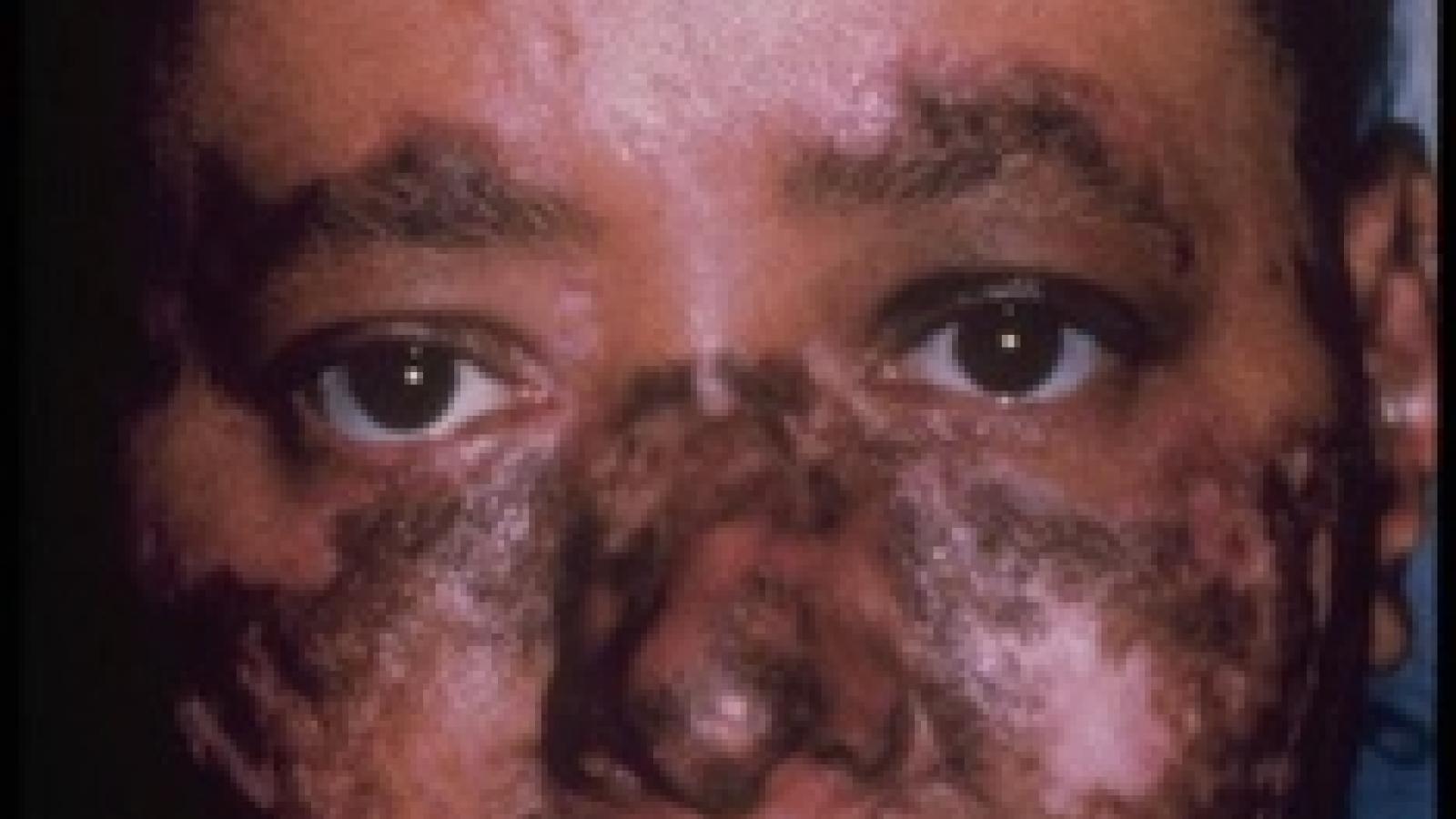
Researchers from Vanderbilt University Medical Center used electronic health records (EHR) to perform a phenome-wide study comparing African American (AA-SLE) and Caucasian (C-SLE) with systemic lupus erythematosus (SLE) and found more comorbidities in AA-SLE, especially renal, cardiovascular, and infectious diseases.

A gal with rheumatoid arthritis moved to my town and has transferred her care to me. Despite having RA for 3 years and swollen joints at the last three visits, she has taken surprisingly few effective drugs thus far.On this visit I declared my concerns for her future health, especially if we didn’t make significant changes in therapy. So I recommended she start a new drug. She asked several good questions, then stated she wanted to go home and

Arthritis & Rheumatology has published the results of the 2015 Workforce Study of Rheumatology Specialists, and estimates a current shortage (demand > supply) of 700 (12.9%) full-time rheumatologists and that this deficit will worsen (102%) to 4133 FTE by 2030.
Apremilast (Otezla) monotherapy was effective for psoriatic arthritis among patients who had not previously received disease-modifying anti-rheumatic drugs (DMARDs) or biologics, a phase III clinical trial funded by the drug's manufacturer found.
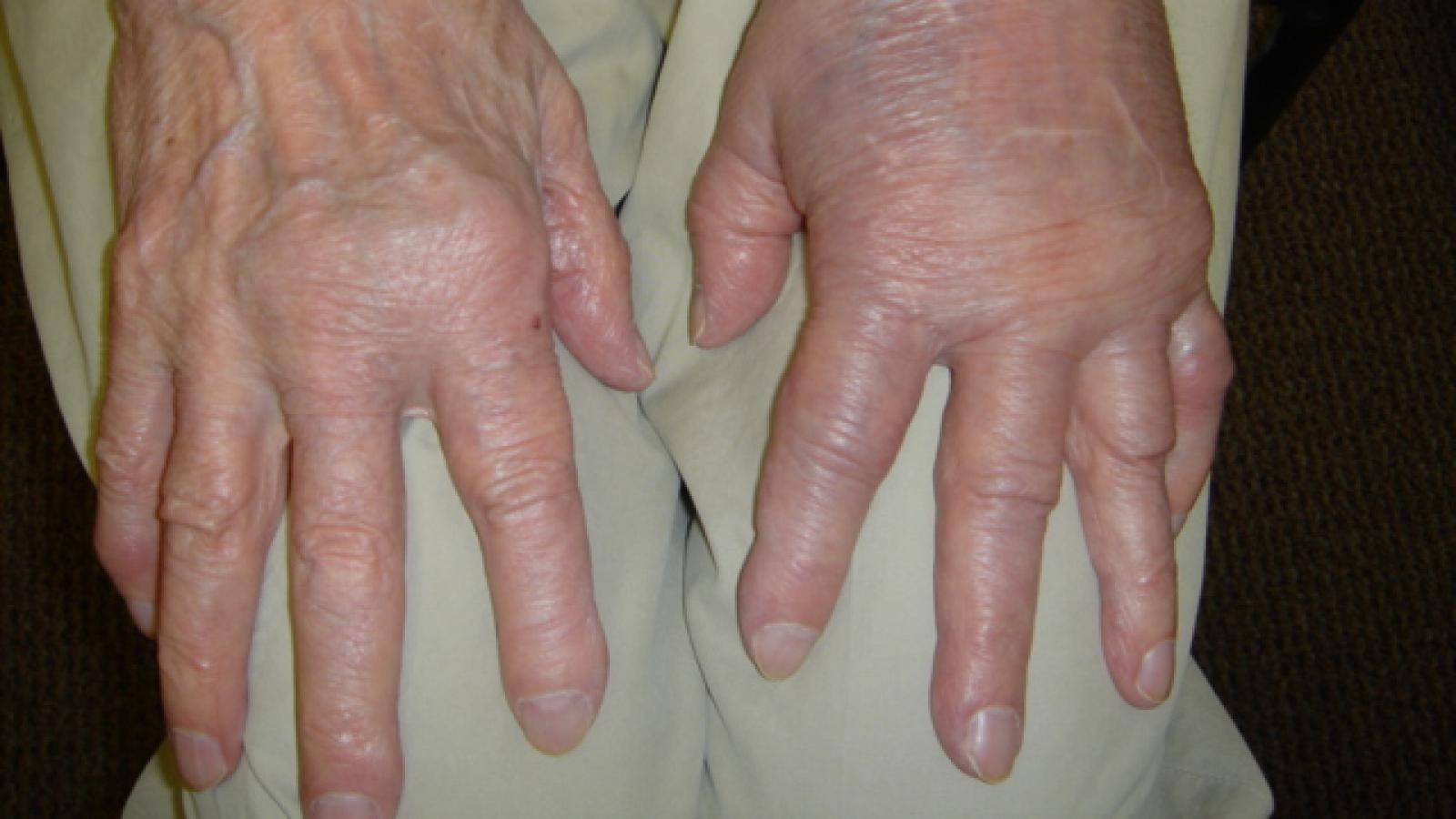
Dr. Maya Buch from Leeds has a thoughtful Viewpoint article in Annals of Rheumatic Disease on how to consider and manage the refractory or difficult rheumatoid arthritis (RA) patient.
Despite advances in our understanding the pathogenesis of RA and the advent of novel biologic and small molecule disease-modifying antirheumatic drugs, we still have a regretful proportion of patients who are refractory to our best therapies.

Clowse and colleagues have published an extensive review of the certolizumab pegol (CZP) in pregnancy database, and found no evidence that CZP has a teratogenic effect or contributes to fetal harm when compared to the general population.
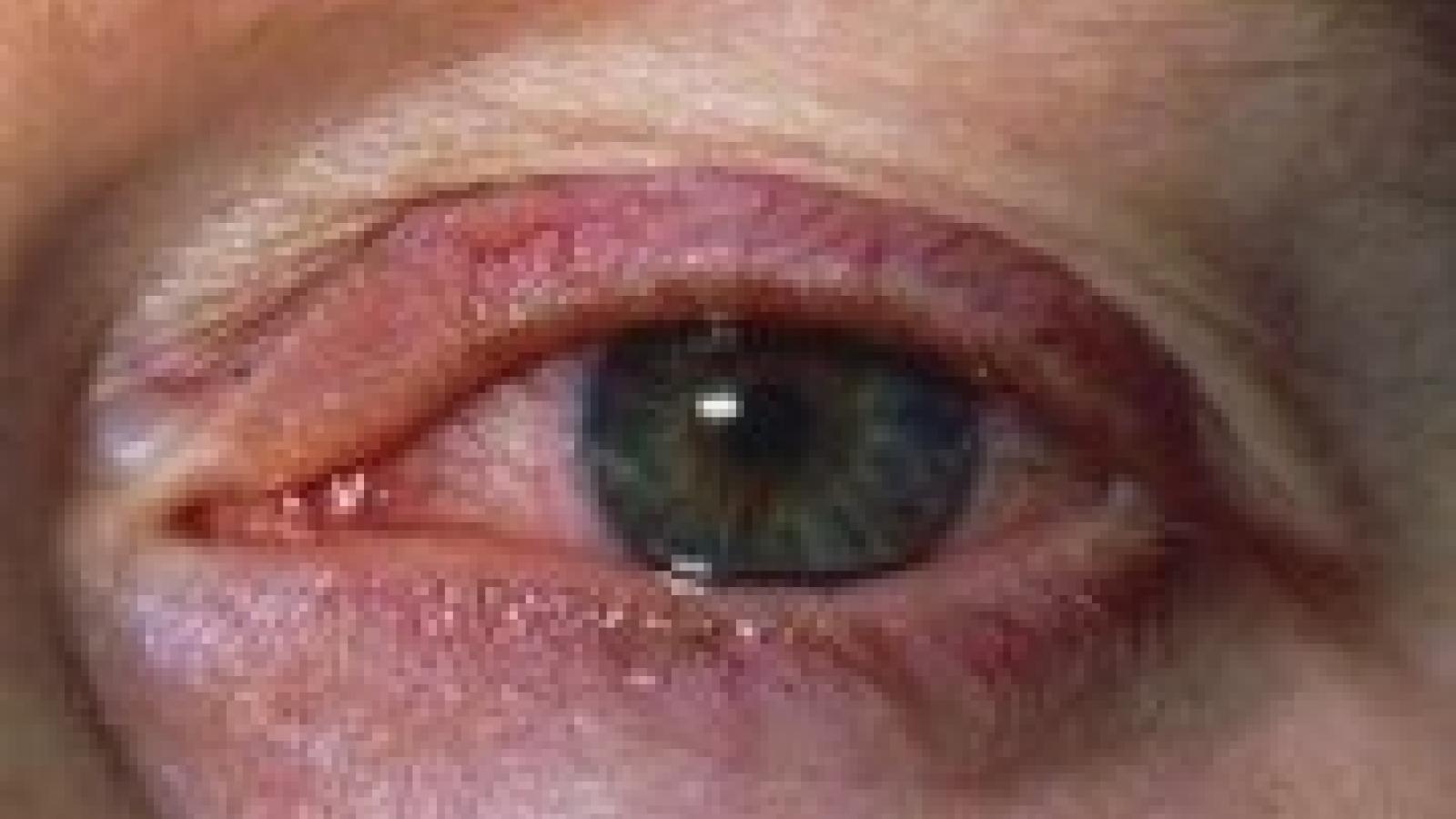
A European group of experts has formulated consensus-based recommendations for the treatment of juvenile idiopathic arthritis (JIA)-associated uveitis, focusing on screening, monitoring, and treatment of this potentially devastating extra-articular manifestation of JIA.

Dr. Jack Cush reviews the news and journal reports from the past week on RheumNow.com. News on the cost of RA care, infections on planes, CV events and Sacroiliitis in IBD, NXP-2 antibodies and calcinosis and rituximab in myositis ILD patients.

The German Autoinflammatory Disease (AID) registry has studied the effects of the IL-6 inhibitor tocilizumab (TCZ) in systemic juvenile idiopathic arthritis (sJIA) patients and shown a clinical response rate of 35% during the first 12 weeks, and inactive disease and/or remission (with medication) in 75% at 12 months.

A multicenter study assessed patients with the antisynthetase syndrome (AS) and interstitial lung disease (ILD) and found that rituximab (RTX) therapy was associated with either improved or stable pulmonary outcomes in most.

