

In the wake of the well-publicized "opioid epidemic", researchers report in the Annals of Internal Medicine (online July 31) that more than one third of U.S. adults were prescribed opioids in 2015 and that misuse remains a major problem. (Citation source http://buff.ly/2vkd8au)
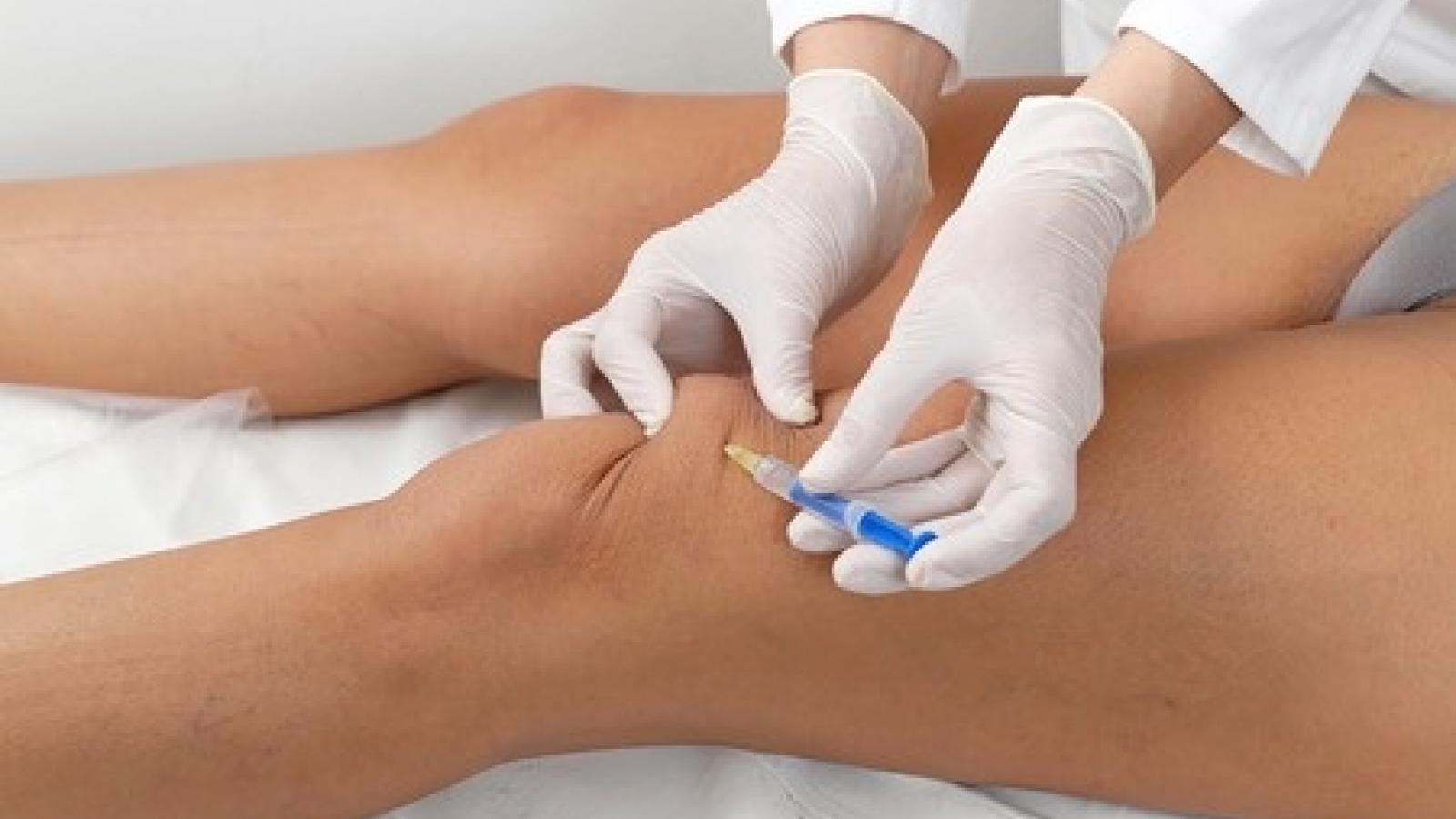
In March 2017, an outbreak of 41 cases of septic arthritis associated with intra-articular injections administered at an single outpatient practice occurred in New Jersey. A public health investigation identified multiple breaches of recommended infection prevention practices during the preparation and administration of PBP products. The intraarticular injections were done using fluoroscopic visualization. The CDC has reported the results of its

On August 2, the US Food and Drug Administration (FDA) will convene a hearing of the Arthritis Advisory Committee (AAC) to review the safety of the novel IL-6 inhibitor, sirukumab, being developed by Janssen (Johnson & Johnson). Specifically, FDA reviewers have concerns over the number of deaths on sirukumab compared to those receiving placebo.
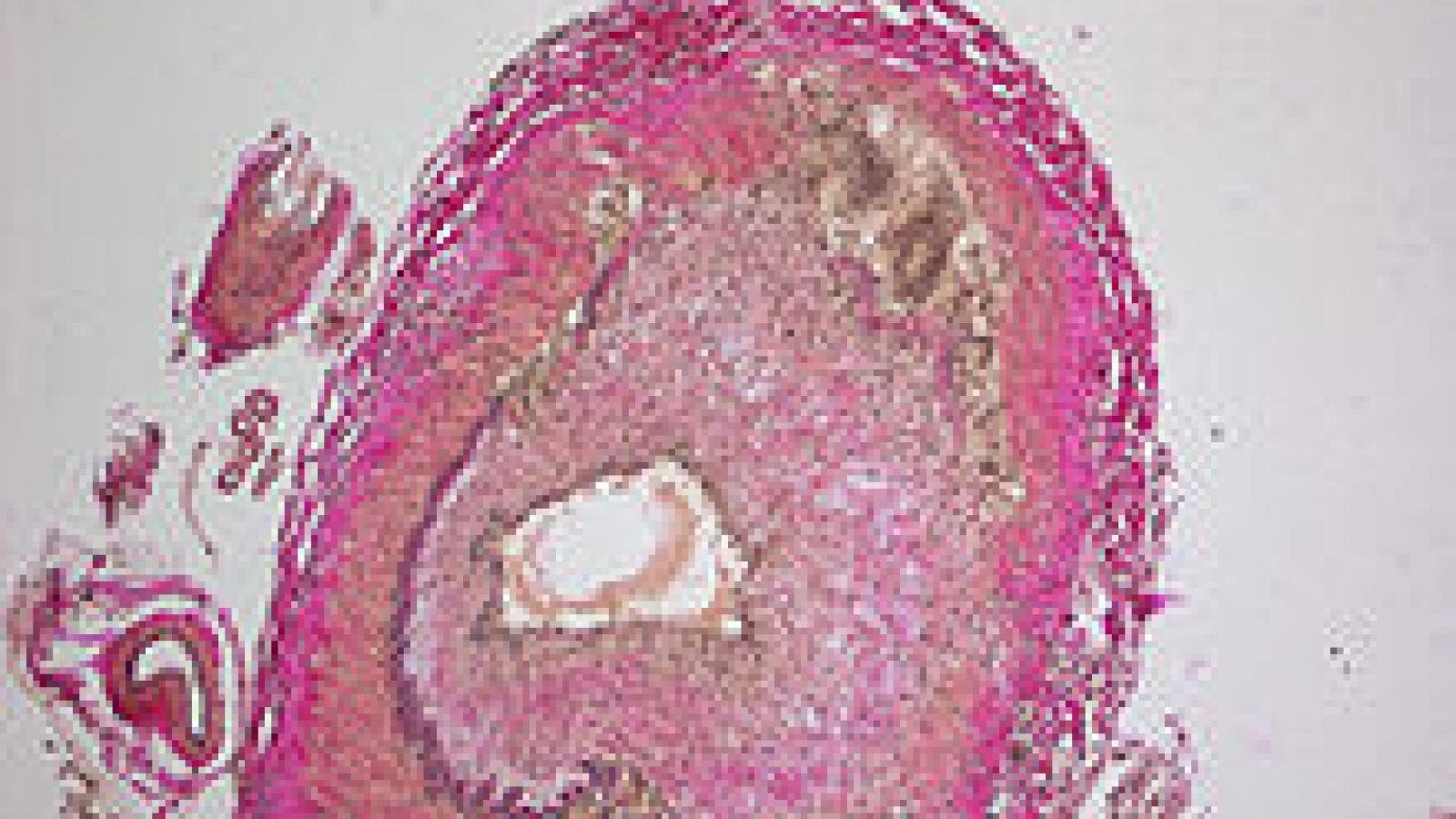
On May 22, Genentech received FDA approval for the use of subcutaneous (sc) tocilizumab (TCZ) in patients with giant cell arteritis (GCA) – also known as temporal arteritis. This new indication is largely based on the landmark GiACTA study presented at the annual ACR meeting in November 2016. The results are now published in the New England Journal of Medicine (NEJM).

Dr. Jack Cush reviews the news and articles from the past week on RheumNow.com:

Bone mineral density (BMD) measurement vie DEXA scan commonly used to assess bone density and fracture risk in postmenopausal osteoporosis provides us with approximate assessment of bone health while lacking sensitivity in vertebral fracture risk prediction. Newer techniques, such as the trabecular bone score (TBS), provide better insight into bone microarchitecture - an important factor for fragility fracture.

Despite the approval of four anti-TNF biosimilars in 12 months, their introduction into the U.S. market has been slow and - until now - with paultry discounts compared to their introduction throughout Europe, where discounts averaged 50% and were as high as 70% (compared to the price of Remicade).
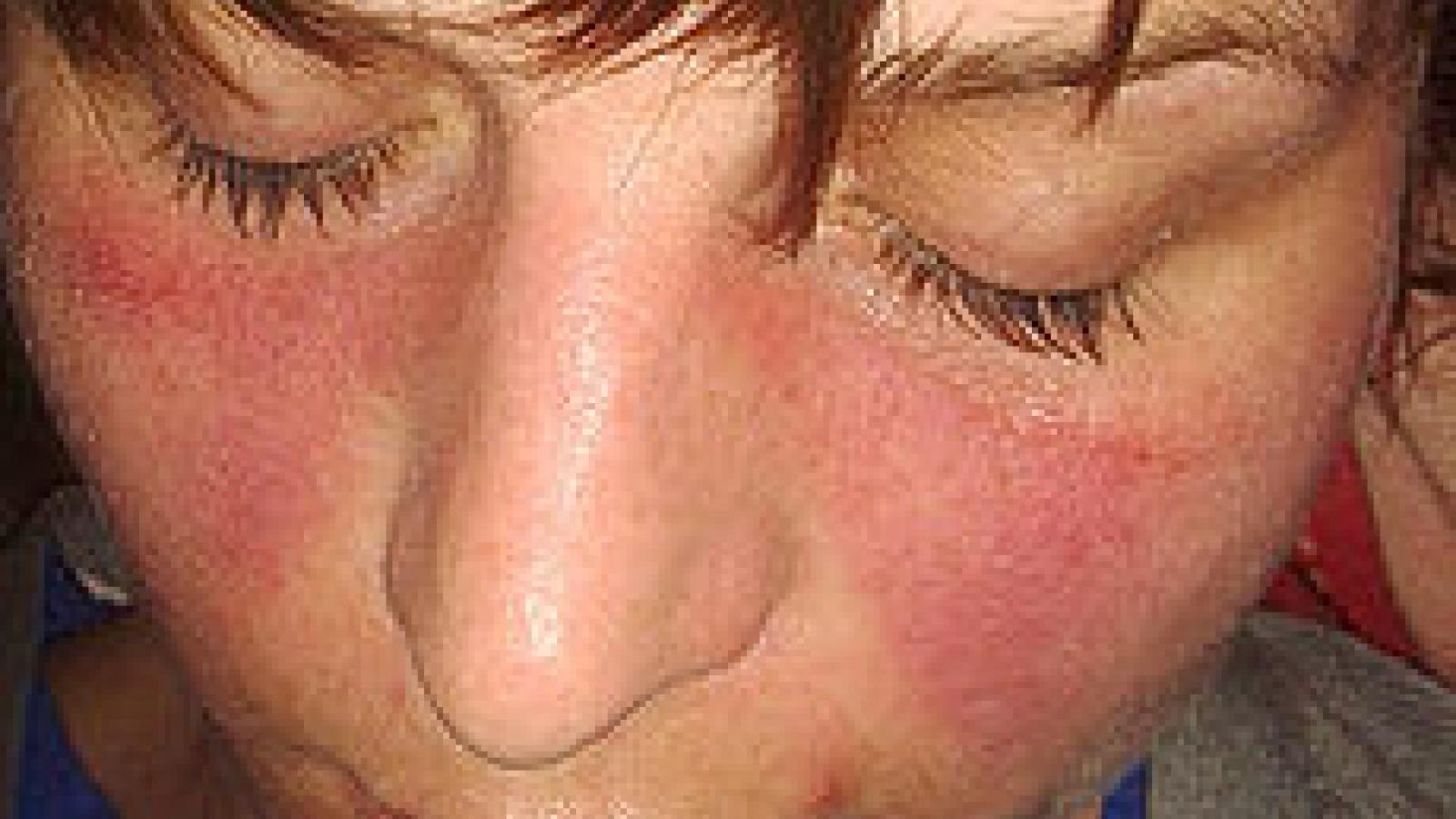
Systemic lupus erythematosus (SLE) poses numerous vascular risks, many of which are thought to be autoantibody mediated.
A retrospective population-based analysis was done to determine the association of SLE and plumonary embolism (PE) using the National Hospital Discharge Survey data, a representative sample of hospital discharges throughout the United States.

It's Monday morning and my first patient is a newly diagnosed rheumatoid. This is his first visit back after starting methotrexate 6 weeks ago. Despite doing great and in remission with only one active joint, he asks, “Are sure this is RA? Or could this be Still’s disease?” Admittedly, this is a weird second-visit question, but I was impressed.
The presence of tubulointerstitial damage (TID) may provide a potential window for early intervention in lupus nephritis (LN) to ward off end-stage renal disease (ESRD), according to a data analysis.

Eli Lilly and Co disclosed today that upon further discussions with the US Food and Drug Administration (FDA) there would be a delay in further regulatory decisions regarding baricitinib, a JAK inhibitor, that is being developed for use in rheumatoid arthritis (RA).

The US Food and Drug Administration (FDA) has approved a new subcutaneous formulation of Benlysta (belimumab) for use in active, autoantibody‑positive Systemic Lupus Erythematosus (SLE) patients. While the intravenous formulation was first approved in 2011, this becomes the first subcutaneous injectable treatment option SLE.
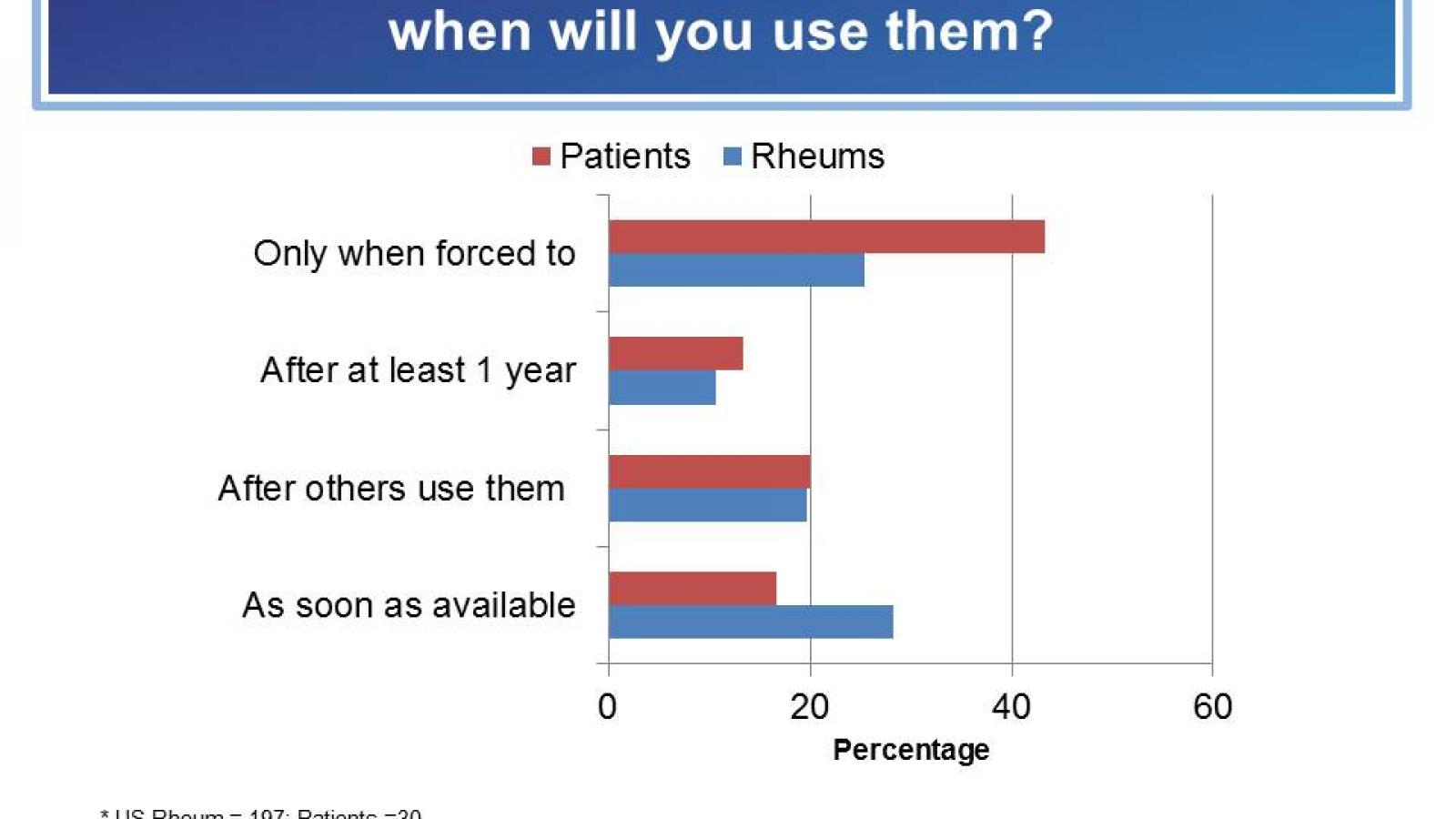
The RheumNow “Live Vote” on the use, uptake and safety of biosimilars contrasts rheumatologist and patient views. Despite FDA approval and looming introduction, there is considerable concern, knowledge gaps and hesitancy regarding their uptake in the US. The survey's primary question demonstrates that less than one-third of US rheumatologists are prepared to adopt biosimilars when they are available.
HIV infection and AIDs has been associated with numerous complications, presumably resulting from impaired immunity from infection. Sporadic cases and small cohorts of patients with rheumatic and autoimmune syndromes have been described but epidemiology data on the prevalence is scarce.
Dr. Jack Cush reviews the news from the past week on RheumNow.com:

