

Lancet has reported the results of risankizumab, an interleukin-23 (IL-23) inhibitor, in Crohn's disease. Risankizumab is a humanised monoclonal antibody targeting the p19 subunit of interleukin-23, and is being developed for Crohn's disease. Other IL-23 inhibitors are currently under tudy for inflammatory bowel disease, psoriasis, psoriatic arthritis, and spondyloarthritis.

The NY Times points out "there is is an out-of-control epidemic in the United States that costs more and affects more people than any disease Americans currently worry about. It’s called nonadherence to prescribed medications, and it is — potentially, at least — 100 percent preventable by the very individuals it afflicts.

Eli Lilly and Company and Incyte Corporation announced today that the U.S. Food and Drug Administration (FDA) has delayed its' decision on baricitinib by issuing a complete response letter for baricitinib's New Drug Application.
Lilly and Incyte originally submitted the NDA for baricitinib to the FDA in January 2016.

Dr. Jack Cush reviews the past week's news, articles and advances from RheumNow.com.
Steroids are known for their acute therpeutic wonders and chronic hazards. Hence most practitioners are comfortable using short term, limited dose corticosteroids for a variety of ailments.
When do the risks outweigh the benefits of NSAIDs use, especially in those with prior cardiovascular and gastrointestinal events? The CONCERN study has tested the effects of proton-pump inhibitor (PPI) in preventing GI bleeds when using NSAIDs and ASA.

JAMA has published a review of 15 RCTs (1711 patients) analyzing the role of spinal manipulation therapy in patients with acute low back pain. The authors found modest improvements in pain and function at up to 6 weeks, with temporary minor musculoskeletal harms.

Arkema et al has published in Annals of Rheumatic Disease a study showing that ischaemic and haemorrhagic stroke (CVA) is elevated in systemic lupus erythematosus (SLE) compared with the general population, especially in the first year.
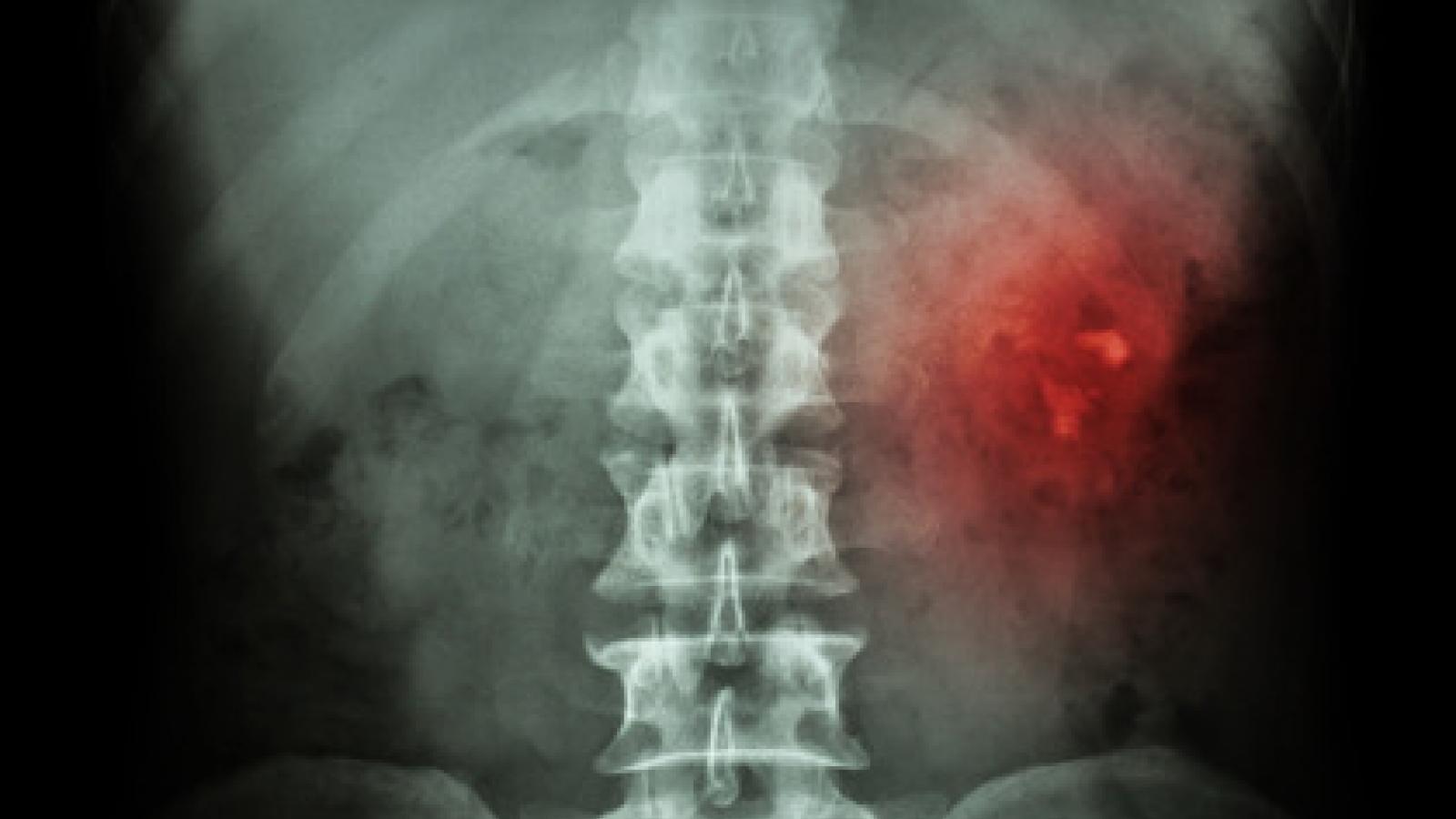
More research is needed to determine the benefits and harms of osteoporosis medications on bone mineral density (BMD), fracture risk, and safety among patients with chronic kidney disease (CKD). This is important because complications of CKD include weak bones and increased fracture risk. The results of a systematic review and meta-analysis are published in Annals of Internal Medicine.
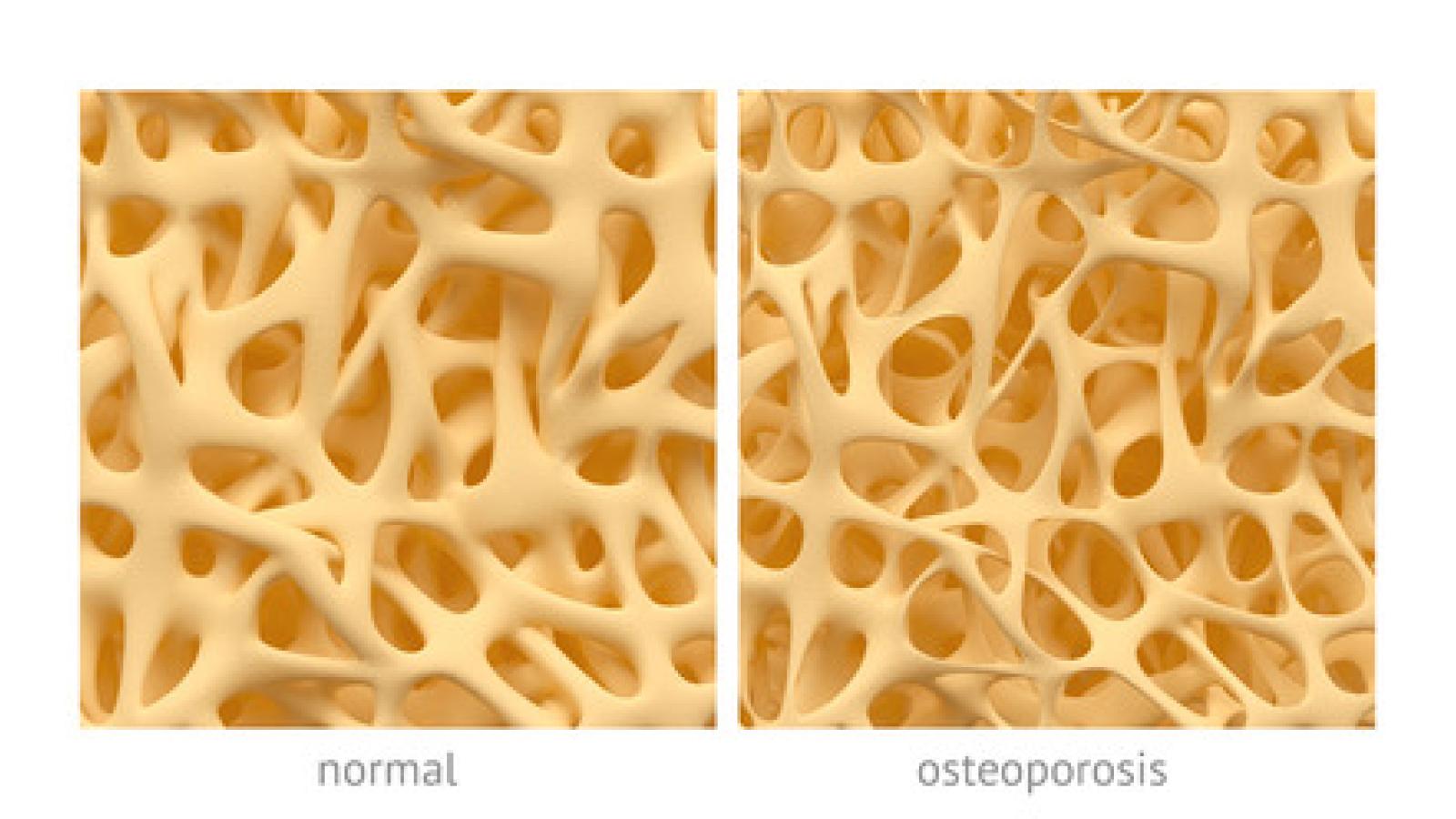
The Archives of Osteoporosis have published the results of a cohort study supporting the use of osteoporosis (OP) screening in those sustaining a non-vertebral fracture in patients over age 50 years, independent of sex of level of trauma sustained.

Hydroxychloroquine has become a mainstay in the treatement of patients with systemic lupus erythematosus (SLE) with proven efficacy in managing many domains of lupus, including skin, joint, and other autoimmune features.

Dr. Jack Cush reviews highlights from this week's meeting at the Cleveland Clinic Foundation - Biologics Summit VII; and of course a few other tweets and journal articles.

An updated systematic literature review has provided reassuring evidence regarding the increasing safety of biologic disease-modifying anti-rheumatic drugs (DMARDs) in the treatment of rheumatoid arthritis (RA), European researchers reported.


The issue of medication management is a complicated one, especially in complex rheumatoid arthritis (RA) patients taking biologic or immunosuppressive drugs. The 2016 Annual ACR meeting saw new guidelines on perioperative management and a number of abstracts suggesting the safety and advantages of continued DMARD and biologic use in those undergoing major surgery.

