
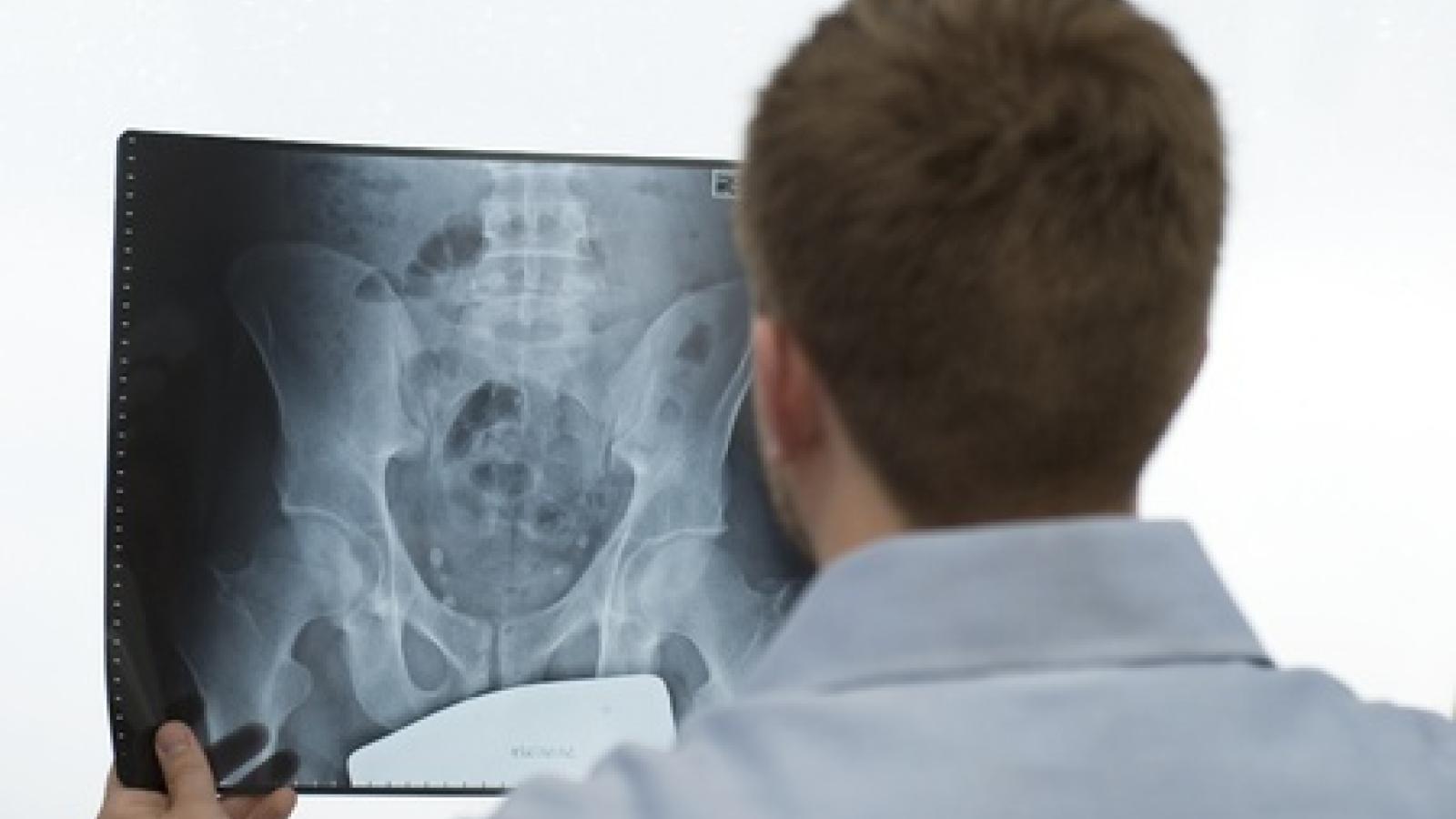
As a musculoskeletal radiologist, I work every day with rheumatologists. I have been in practice for approximately 17 years and had a musculoskeletal radiology fellowship prior to establishing my practice. I greatly enjoy working with rheumatologists and their patients and, like you, want to get the most out of the imaging studies you order.
As such, here are my top ten things every rheumatologist should know when ordering imaging:

FDA has approvesd the IL-17 targeted therapy Siliq (brodalumab) for moderate-severe plaque psoriasis.
The drug was originally developed by Amgen and Astra-Zenica but they abandoned its development with concerns about depression and risk of suicide. The agent was purchased by Valeant and brought to market, but not without some concernes. Notably the agent comes with a black box warning for suicide.

The European Commission has approved Eli Lilly's rheumatoid arthritis drug Olumiant (baricitinib) for use in Europe for RA patients with moderate-to-severe active disease in adults who have not responded one or more disease-modifying antirheumatic drugs.

Articular manifestations of Crohn's disease affects a significant number of patients with either oligoarticular or RA-like polyarthritis or spondyloarthritis.
A novel report in Science Translational Medicine links the occurence of peripheral spondyloarthritis (SpA) to Crohn's disease, potentially enlightening mechanisms for more effective therapies.
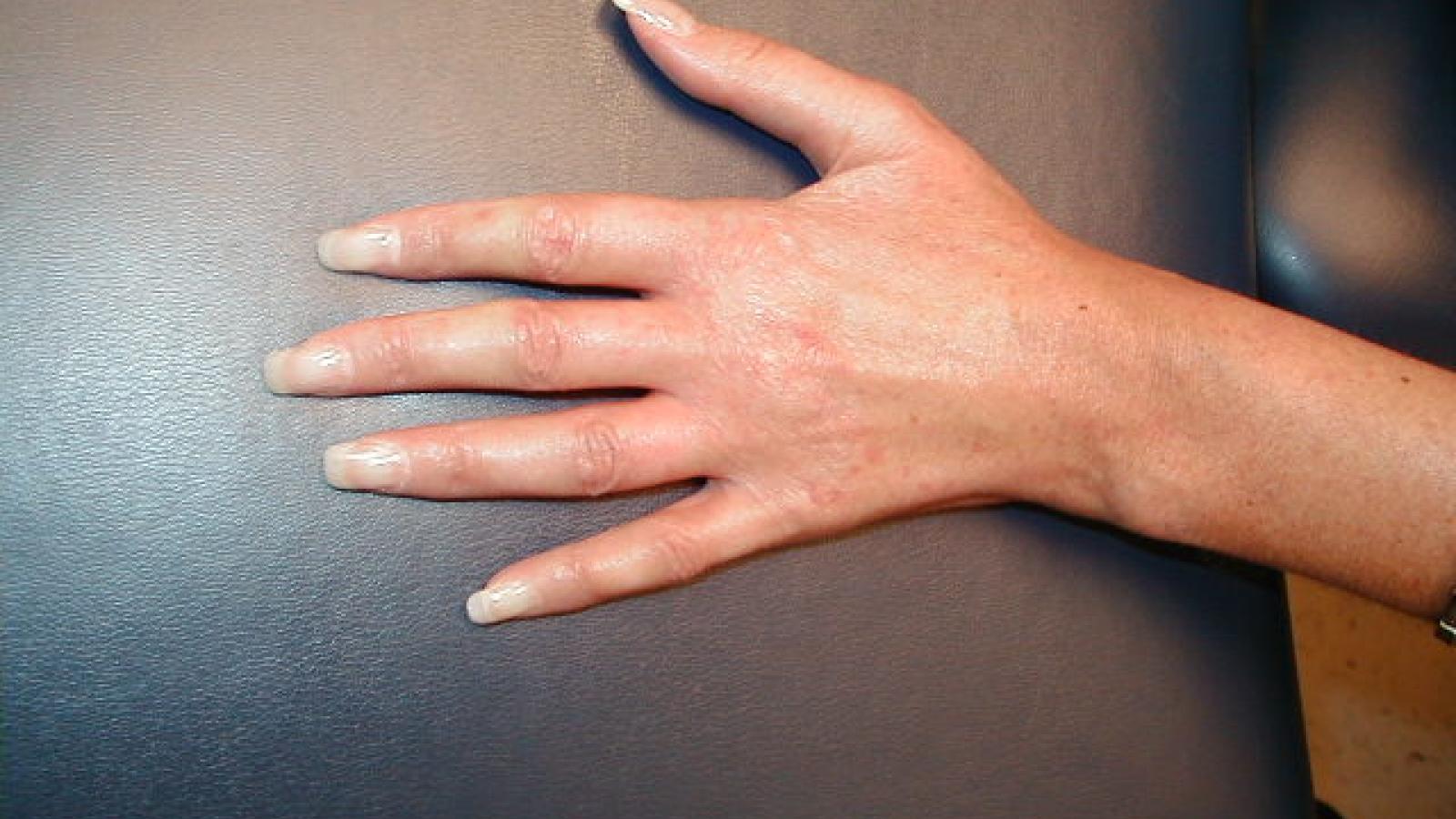
Treatment of systemic sclerosis is difficult, as there have few proven therapies capable of altering the course of the disease. Ideally, early intervention affords the optimal scenario wherein drug intervention can be proven to work.
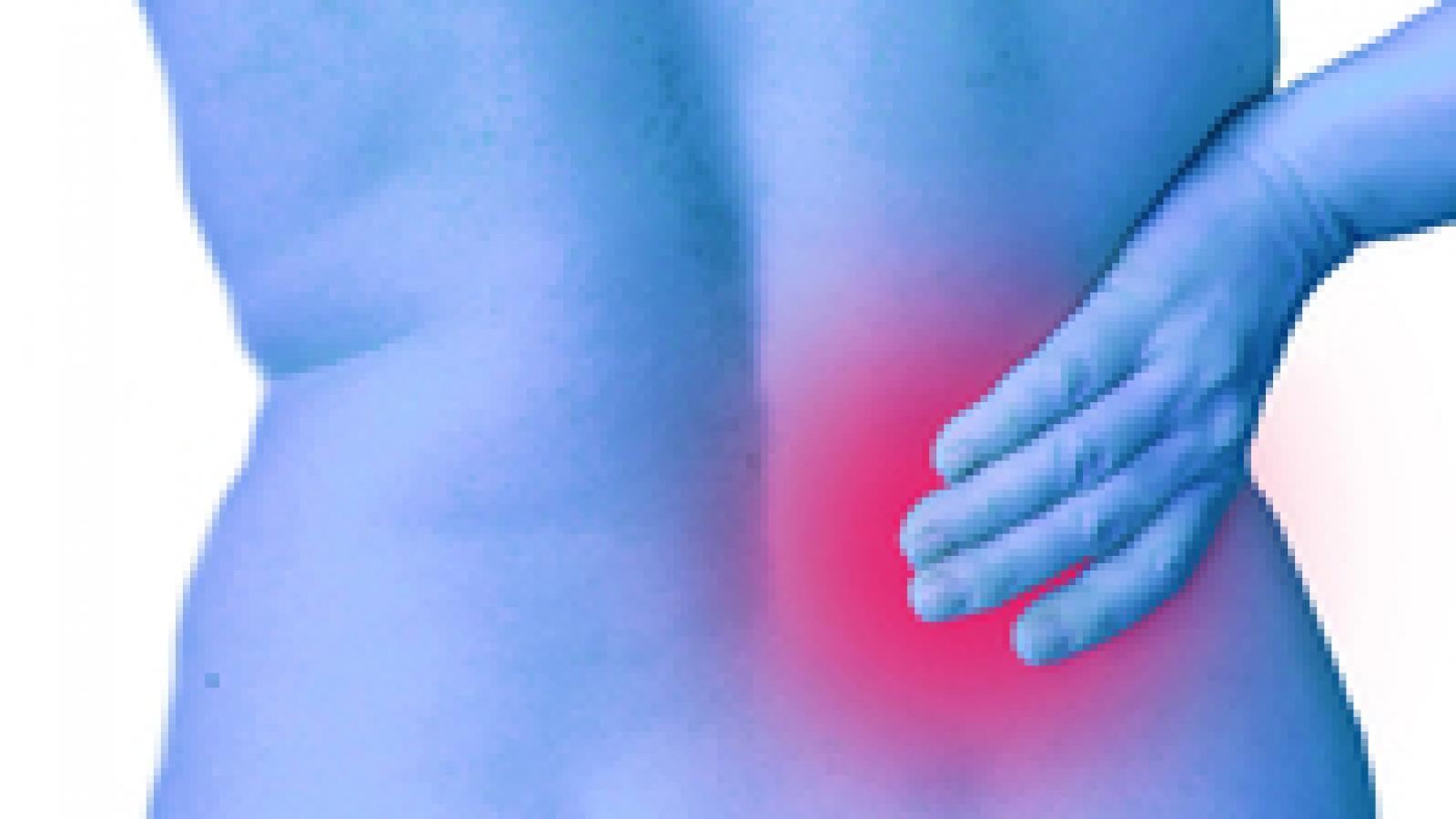
The American College of Physicians (ACP) recommends that physicians avoid prescribing drugs, especially narcotics, for patients with acute or subacute low back pain. Patients should be treated first with non-pharmaceutical therapies, such as superficial heat, massage, acupuncture, or spinal manipulation. If drugs are needed, the evidence supports prescribing nonsteroidal anti-inflammatory drugs (NSAIDs) and skeletal muscle relaxants.

This is going to be my third visit with this patient and I’m not looking forward to it.
In the first two, I discovered how sick she was and how, despite my handouts, efforts, insights and words, my educated medical expertise was totally wasted.
New research confirms that patients with psoriatic arthritis (PsA) face significant healthcare and socioeconomic hurdles.For instance, healthcare costs for PsA patients increased from less than €2000 ($2,137) annually 5 years prior to diagnosis to over €5000 ($5,344)/year at the time of diagnosis, Danish researchers reported. At all time points, total healthcare costs were higher for patients than for controls.

Since its US approval in 2012, tofacitinib has become a widely used treatment for rheumatoid arthritis (RA).
Whether you're impressed with its efficacy, or distressed with its side effects, its track record is voluminous and has been recently reviewed.

Dr. Jack Cush discusses the news and reports from this week on RheumNow:

A new study sheds important light on the long-term outcomes of children diagnosed with systemic lupus erythematosus (SLE).
The most common form of organ damage in a large Canadian cohort was cataracts, which developed in 14% of the children, and avascular necrosis, which was seen in 10%, according to Earl Silverman, MD, of the Hospital for Sick Children (SickKids) in Toronto, and colleagues.

Poorer and less-educated older Americans are more likely to suffer from chronic pain than those with greater wealth and more education, but the disparity between the two groups is much greater than previously thought, according to new research.

Patients known to be autoantibody positive (e.g., anti- Jo1) for the anti-synthetase syndrome were assayed by indirect immunofluorescence (IIF) for other reactivities, showing antinuclear staining (ANA) or cytoplasmic staining (Anti-Cyt Ab+).
Control included sera from patients with scleroderma, lupus, Sjögrens, rheumatoid arthritis, and healthy subjects.
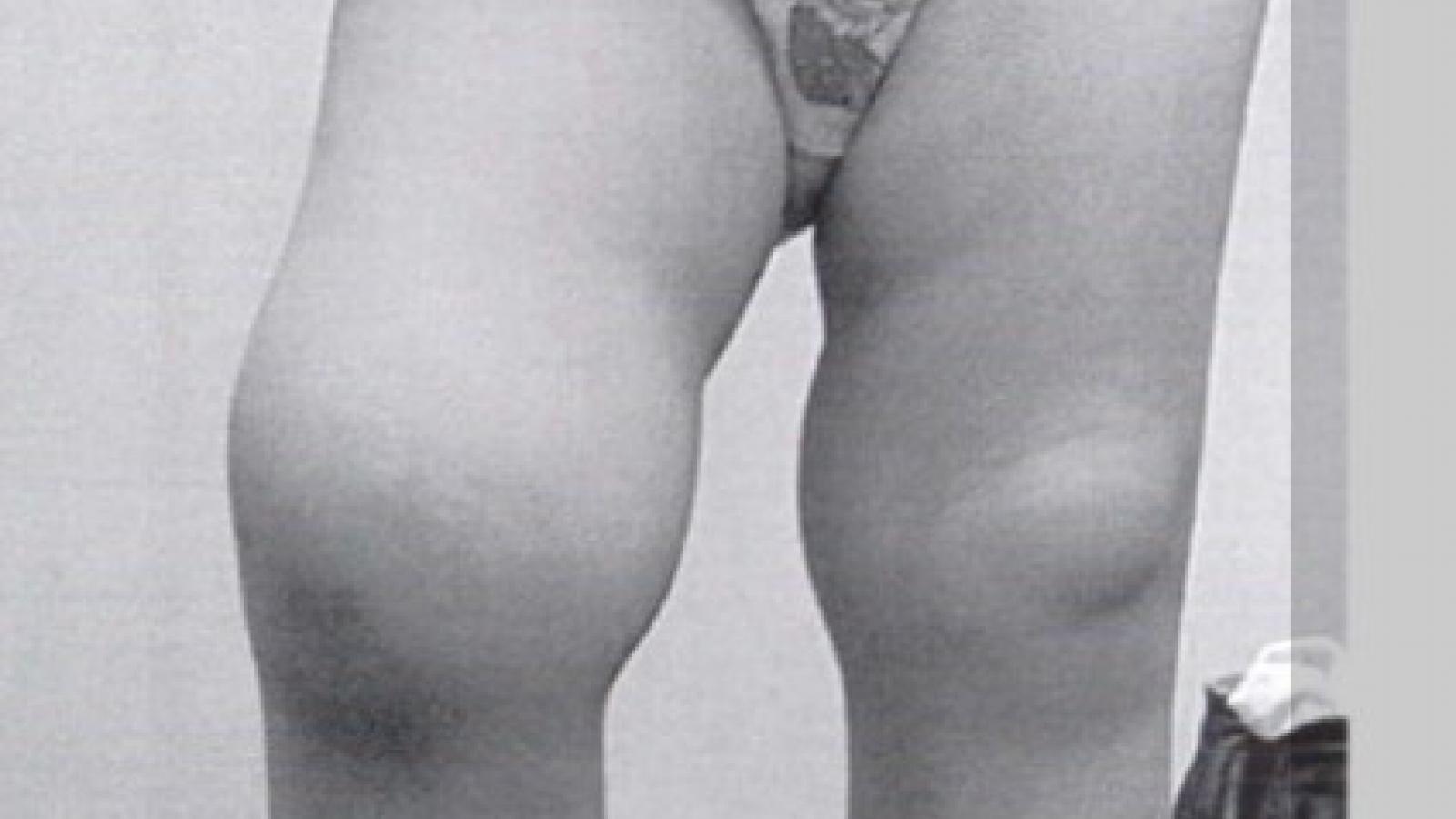
Oligoarticular-onset juvenile idiopathic arthritis accounts for nearly half of all JIA patients. While many of these children will require DMARD therapy, many others are treated with antiinflammatory meds or intra-articular corticosteroids. But the evidence for this latter approach is scant.
US and UK researchers have identified a unique subset of helper T-cells called ‘peripheral helper’ T-cells in the synoviums that may be linked to the pathogenesis of rheumatoid arthritis.

