
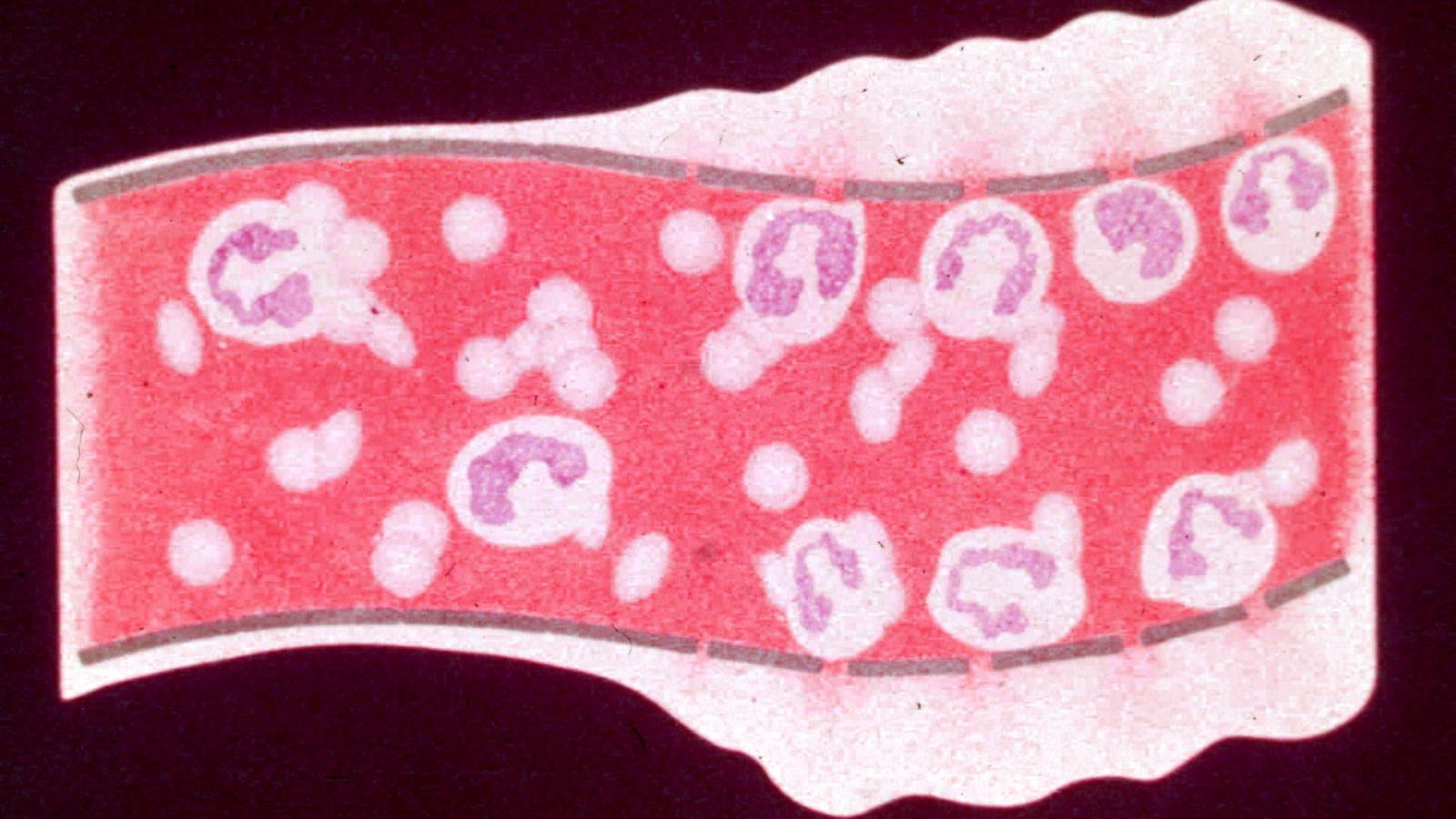
Researchers from the Massachusetts General Hospital (MGH) have studied the initial steps in an animal model of inflammatory arthritis and found that complement C5a is critical to neutrophils migration into joints. The findings of these early events in the inflammatory cascade were published in Science Immunology. (Citation source: http://buff.ly/2kpeR5D)

A study published in The BMJ shows that financial ties between researchers and companies that make the drugs they are studying are independently associated with positive trial results; thereby questioning the bias in these objective trials. (Citation source: http://buff.ly/2jUnA3q)

Interchangeability, or the substitution of a biosimilar for its innovator biologic, is on the horizon. Will the prescriber chose the biosimilar in place of the originator? Or will this allow pharmacists or healthcare plans to substitute a biosimilar, without intervention from a healthcare provider?

Dr. Jack Cush reviews highlights from the past week on RheumNow.

If Congress changes or repeals the Affordable Care Act (ACA), which adults are at risk of losing health insurance? A new research letter published online by JAMA Internal Medicine reports on their socioeconomic characteristics, rates of chronic disease and health care use compared with adults covered by employer-sponsored health care who are unlikely to be affected by changes in subsidies on the exchanges or to Medicaid.
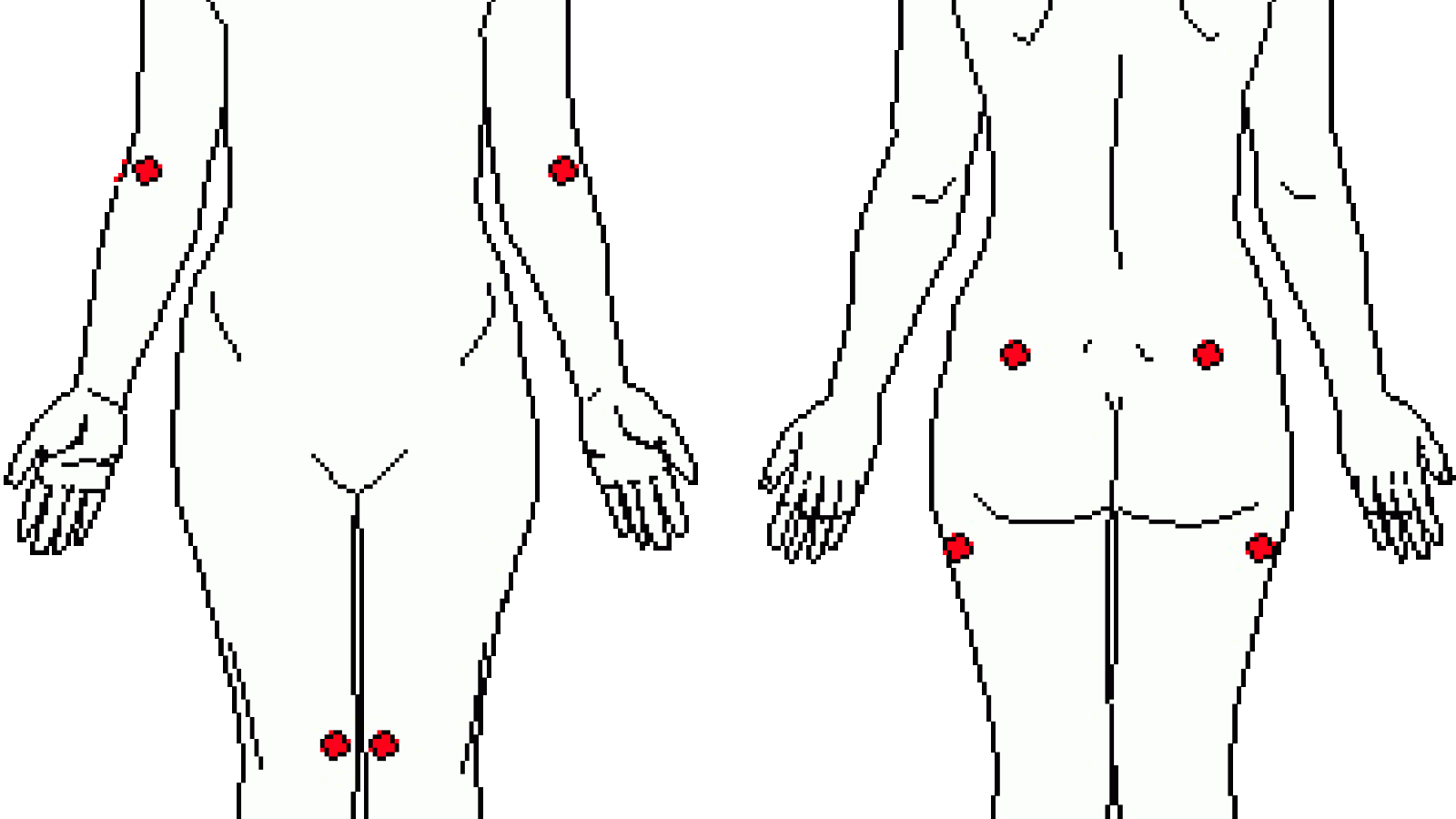
The European League Against Rheumatism (EULAR) recommendations for fibromyalgia (FM) management were published in 2007 and largely had recommendations based on expert opinion’. These guidelines were updated in May of 2015 after a systematic reviews and meta-analyses of the data.
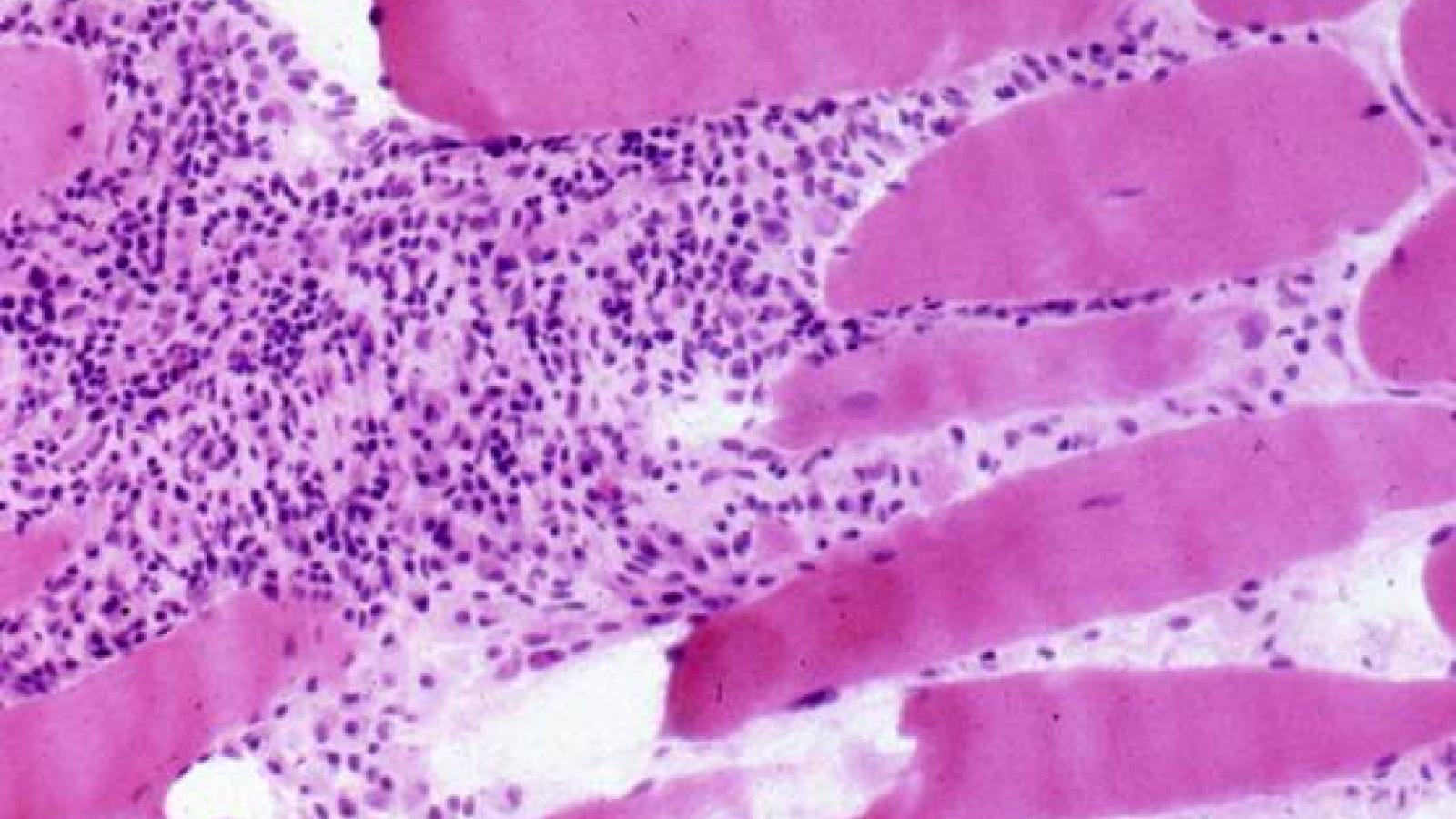
SHARE (Single Hub and Access point for pediatric Rheumatology in Europe) was established in 2012 to optimise the diagnosis and treatment of several pediatric diseases. They have recently published their recommendations regarding the diagnosis and management of juvenile dermatomyositis (JDM).
IL-1β, along with pancreatic insulin, helps regulate blood sugar levels, as well as chronic inflammation.

A randomized trial of 537 knee osteoarthritis (OA) patients in the Duke Healthcare system has shown that patient- and provider interventions were no better than the usual standard of care.

Rituximab has significantly changed the management of patiehts with ANCA-associated vasculitis (AAV). Yet the longitudinal assessment of such patients needs to be guideded by clinical and laboratory parameters.
A multicenter, retrospective study assessed the effect of rituximab on autoantibodies and immunoglobulin levels, and clinical outcomes in 239 AAV patients.
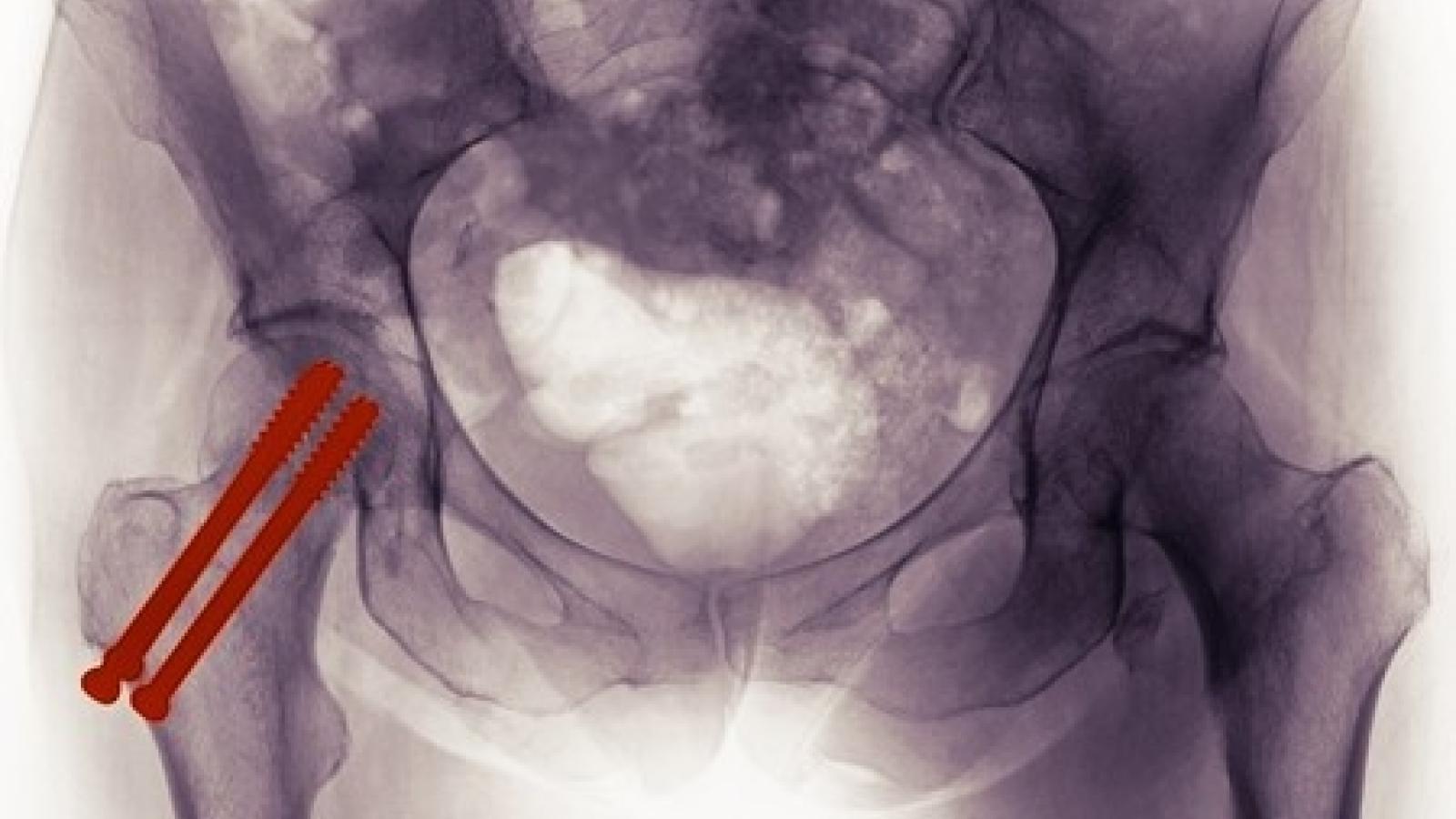
The association between the use of proton pump inhibitors (PPIs), osteoporosis (OP) and OP-related fragility fractures has been a topic of ongoing discussion in rheumatology community.
Dr. Jack Cush reviews highlights from this past week on RheumNow.com:
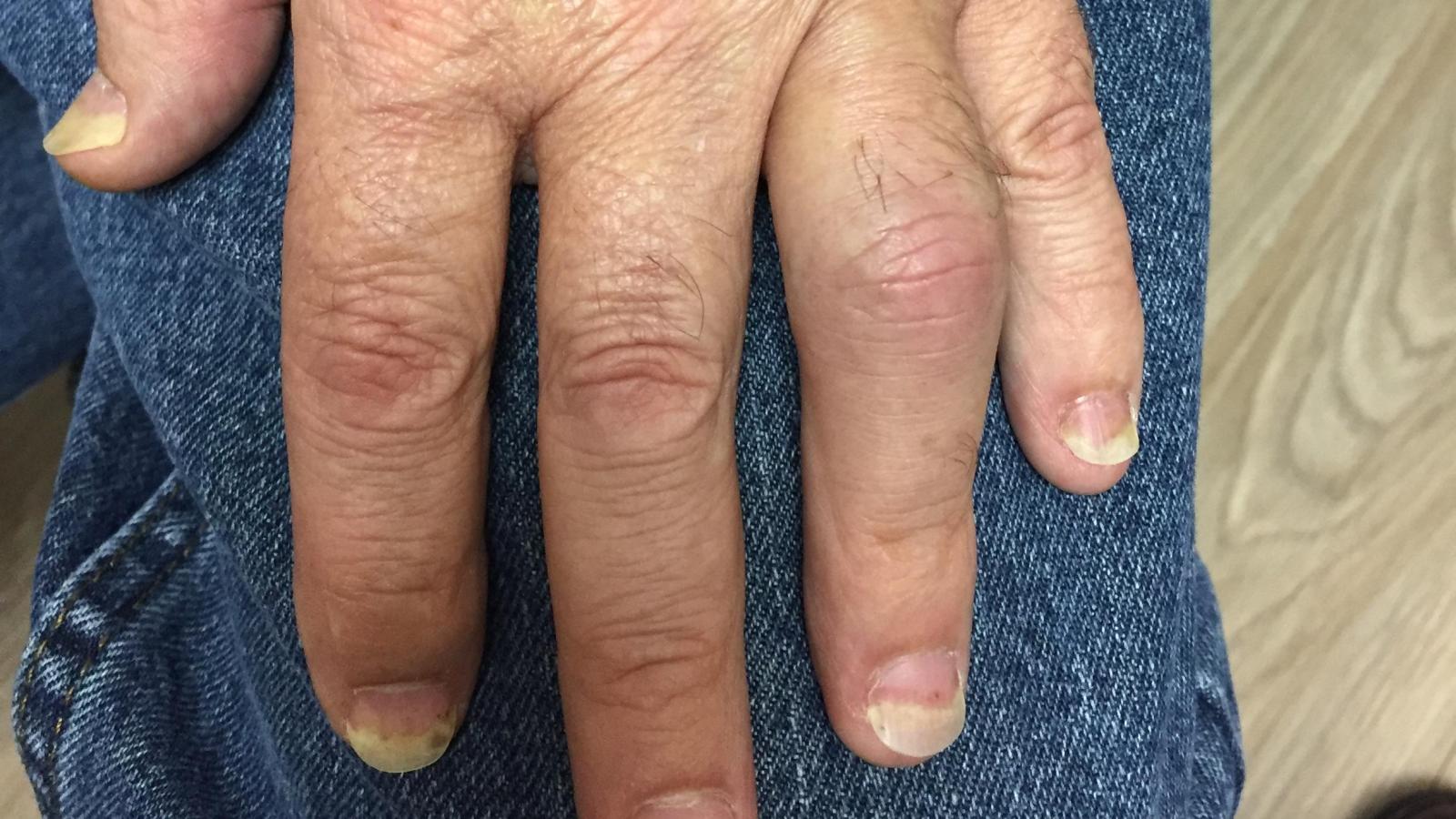
A study of 90 consecutive male (50.3±11.1 years) with psoriatic arthritis (PsA) were were compared to 240 age matched controls without known cardiovascular (CV) diseases who underwent angiography for chest pain and/or multiple CV risk factors.PsA patients had significantly more verall plaque (60% vs. 35%; p0.001), calcified plaque (32% vs. 17%; p=0.002),and non-calcified plaque (NCP) (43% vs, 22%; p0.001).

Neuromyopathy is a rare side effect of chronic colchicine use. Statins are more commonly implicated as a cause of drug-induced myopathy.
Given the frequent occurrence of the metabolic syndrome, simultaneous use of both colchicine and statins is common.
A Korean study compared 486 gout patients on colchicine against 188 on colchicine and a statin.

The 2017 Crafoord Prize from the Royal Swedish Academy of Sciences has been awarded to a Japanese scientists and two American scientists for their discovery and research on T regulatory cells (TRegs).

