

Rheumatoid arthritis (RA) is associated with an increased risk of myocardial infarction (MI) and post-MI fatality compared with the general population. At issue is whether this applies to those undergoing a surgical procedure.

Eating a Mediterranean diet full of fruits, vegetables, fish, nuts, legumes and whole grains appears to be associated with a lower risk of hip fracture in women, although the actual risk reduction was small, according to a new study published online by JAMA Internal Medicine.
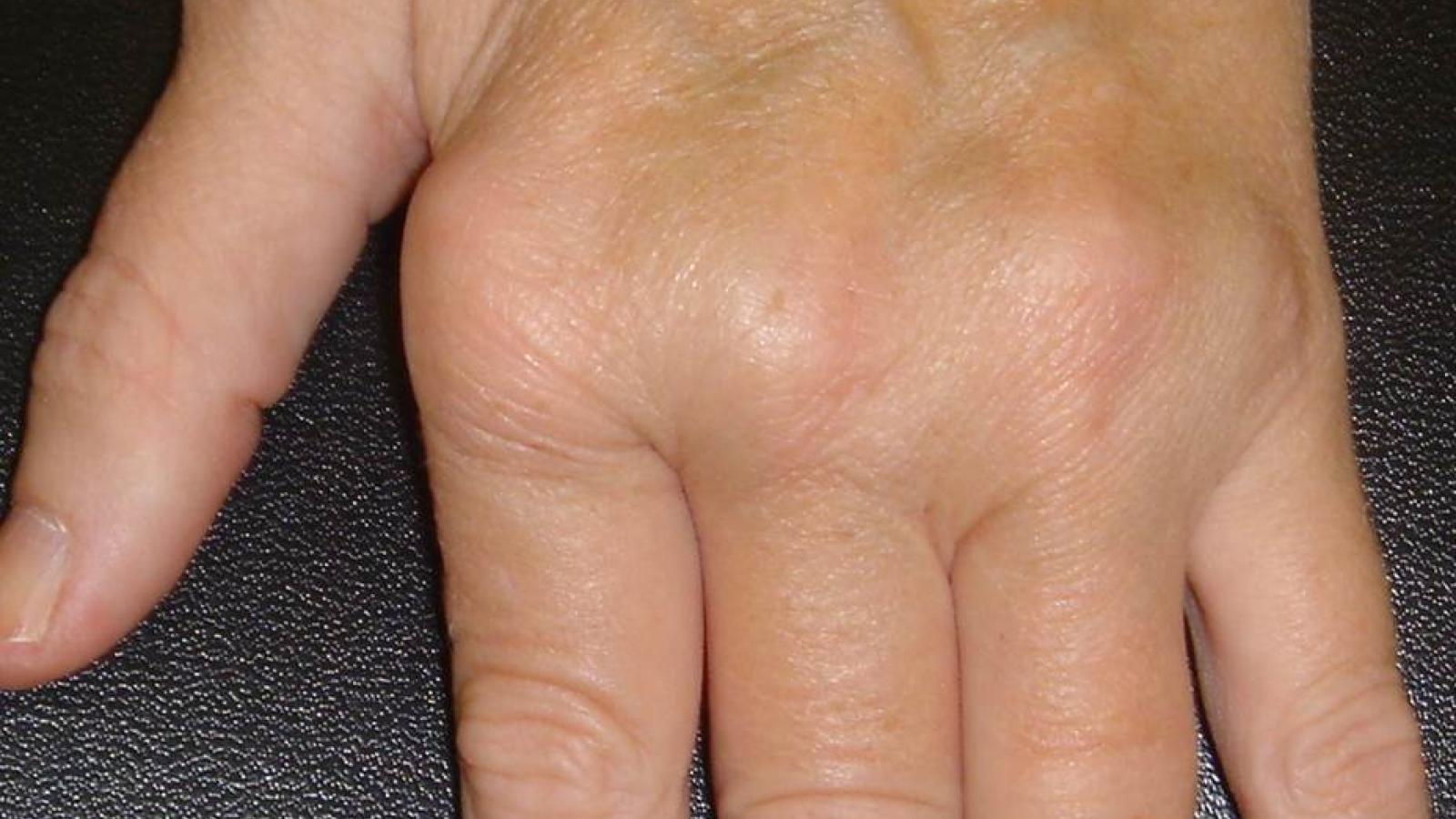
How many clues are needed for a rheumatologist to know something is wrong with the therapeutic soup he/she is trying to concoct? One patient's tale leads to rethinking the RA treatment paradigm.

This is a reposting of an earlier report on RheumNow that includes additional commentary from Dr. Sunada Kane, a gastroenterologist at the Mayo Clinic who specializes in both inflammatory bowel disease (IBD) and pregnancy.

phase 3, BRIDGE study shows romosozumab (anti-sclerostin MAb) significantly increases lumbar BMD in men with osteoporosis
Statin use is associated with a 21% increased risk of skin cancer (NMSC) - data from >130K postmenopausal women (Womens Health Initiative)
Metanalysis shows RA Xray progress

In the March 15th issue of JAMA, Chavalarias and coworkers describe the evolution of the “P value” and its use in biomedical research in the last 25 years. (CItation Source http://buff.ly/22L0pG7)

A three-therapy protocol did not prove superior for achieving remission in rheumatoid arthritis (RA) patients after 1 year, but the regimen did lead to a shorter time until first remission versus a step-up approach, according to an analysis of the DREAM registry.

Qato and colleagues have published in JAMA a cohort study that examined the use of both prescription and over-the-counter medications among older adults and the frequency of major drug-drug interactions. The study shows the elderly are especially at risk, and the situation is getting steadily worse.

Comparative efficacy trials may be the best way to make informed treatment choices in a sea of treatment options for rheumatoid arthritis (RA). Recent years have seen impressive head-to-head (H2H) clinical trials for RA, including AMPLE (abatacept vs. adalimumab) and ADACTA (tocilizumab vs adalimumab).

RheumNow sadly notes that rheumatology icon and educator Dr. Evelyn Hess passed away on December 25, 2015. She leaves behind a legacy career and a legion of clinicians, teachers, researchers and leaders whom she taught and inspired.
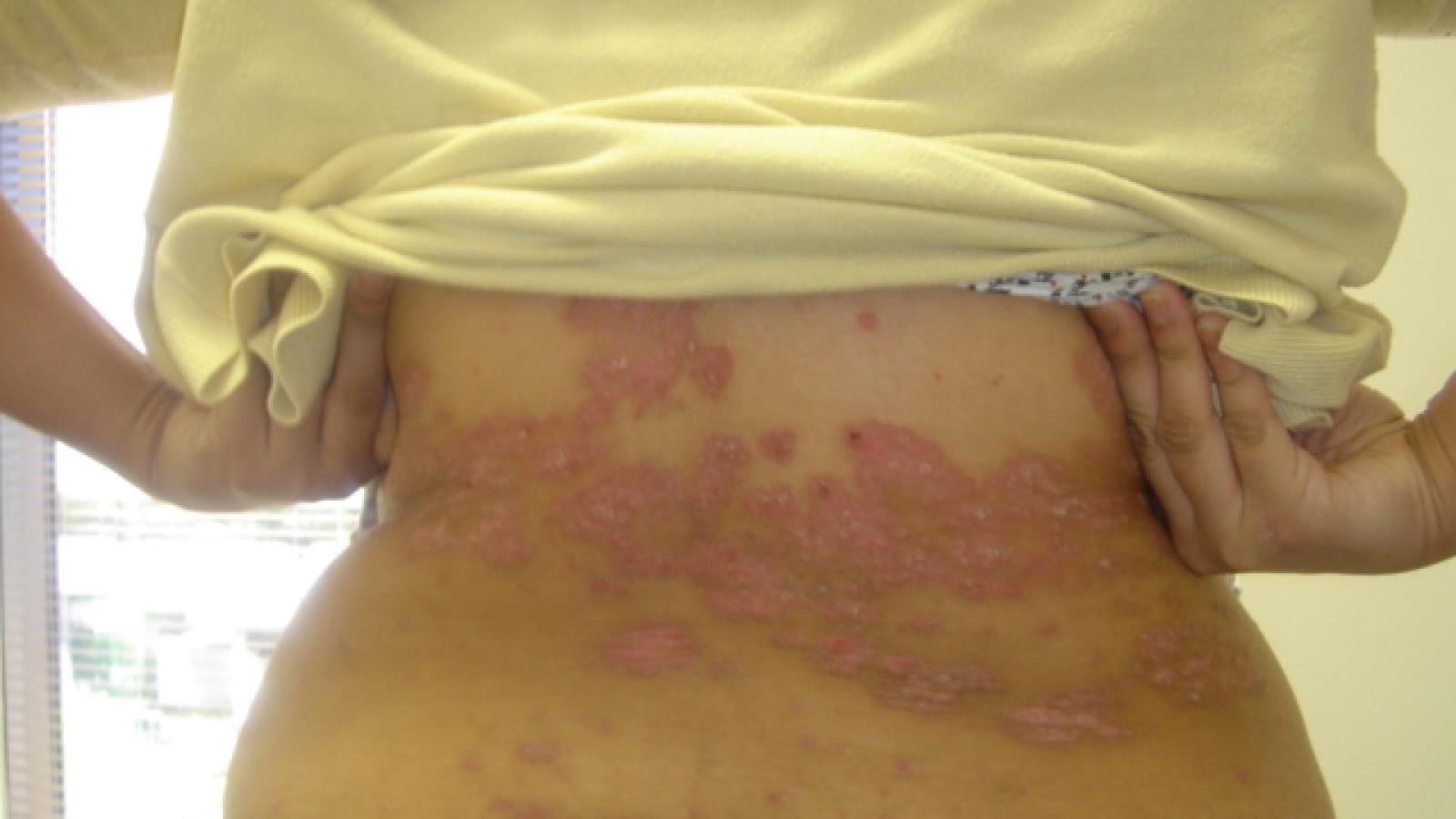
Tuesday the FDA approved the IL-17 inhibitor, Taltz (ixekizumab) for adults with moderate to severe plaque psoriasis. (Citation source http://buff.ly/1py10wd)
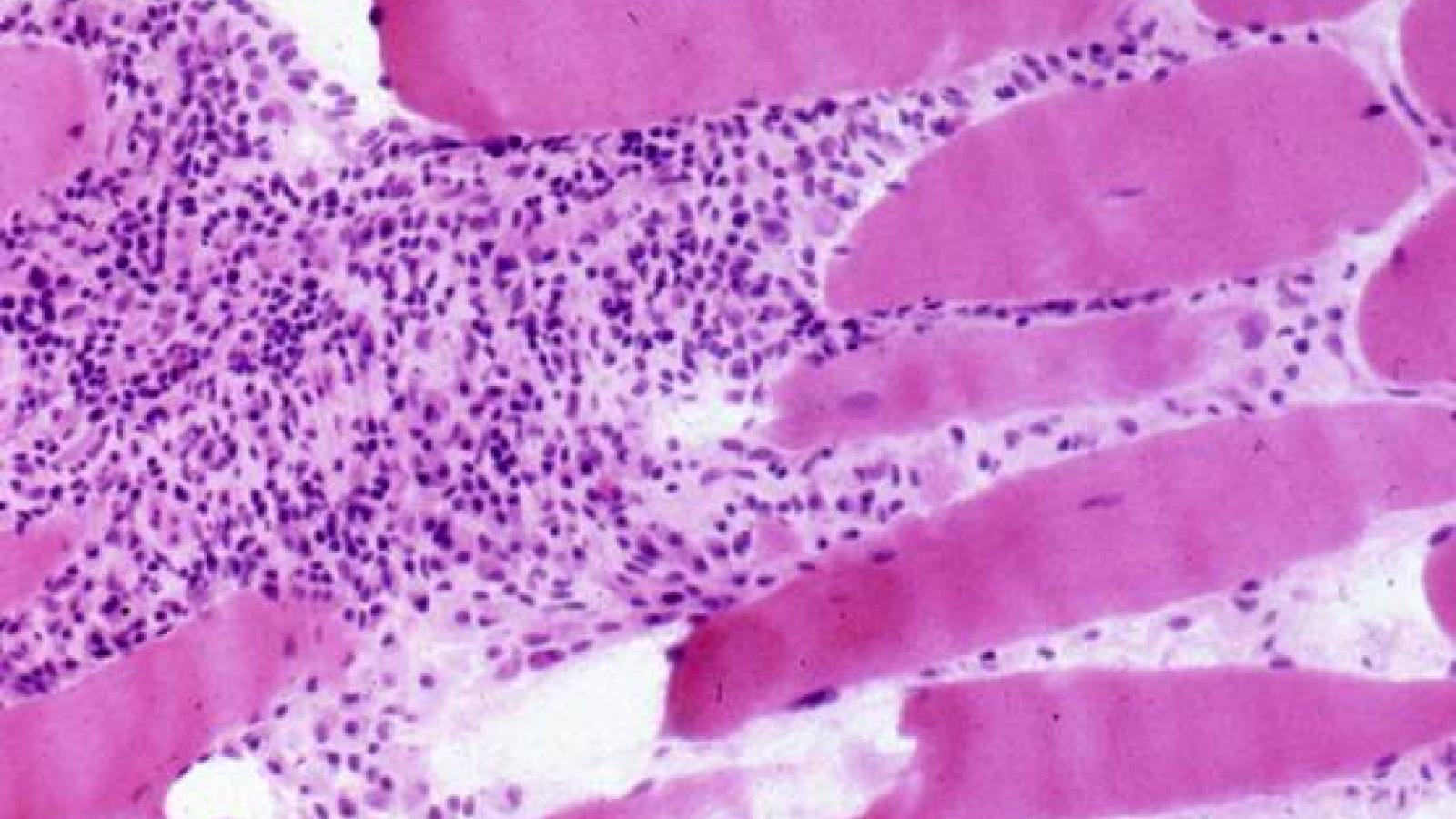
The CDC estimates nearly 71% of adults with cardiovascular disease and 54% of adults with hypercholesterolemia use a cholesterol-lowering
medication, and that "statin" use has grown significantly in recent years. During 2003–2012, statin use has increased from 20% to 28% in adults over age 40 years.
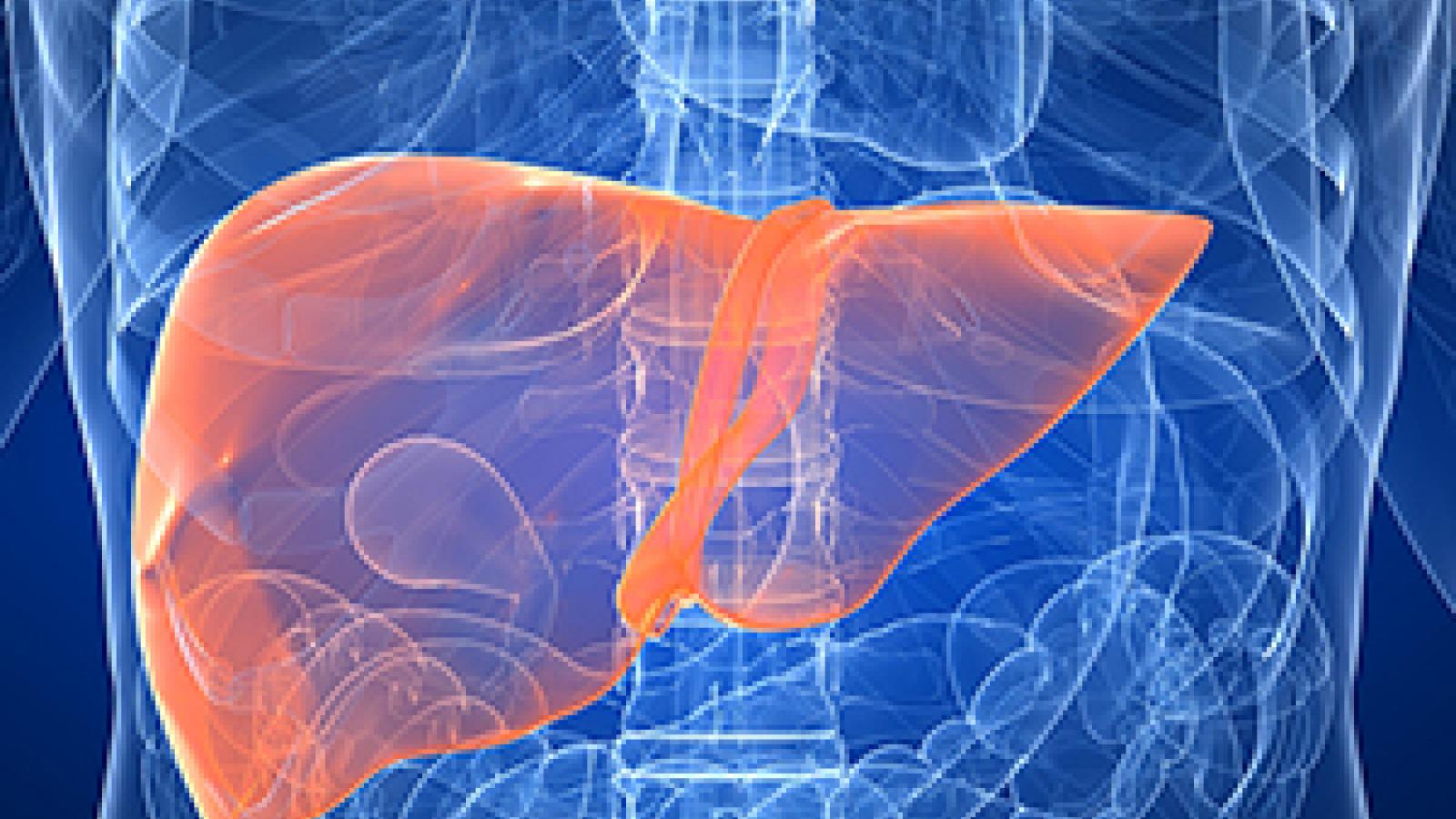
Powell et al have published in Lancet a review of hemochromatosis; its genetics, pathogenesis, clinical manifestations and management. Hemochromatosis is an iron-storage disease, with genetic heterogeneity, that results in low production of the hepcidin and an increase in intestinal absorption and deposition of excess iron in parenchymal cells, ultimately leading to tissue damage and organ failure.

The Centers for Disease Control and Prevention (CDC) reported that in the last year (January 2015 to February 2016), they have identified and confirmed 116 cases of the Zika virus among US residents, with nearly all having traveled to endemic regions.
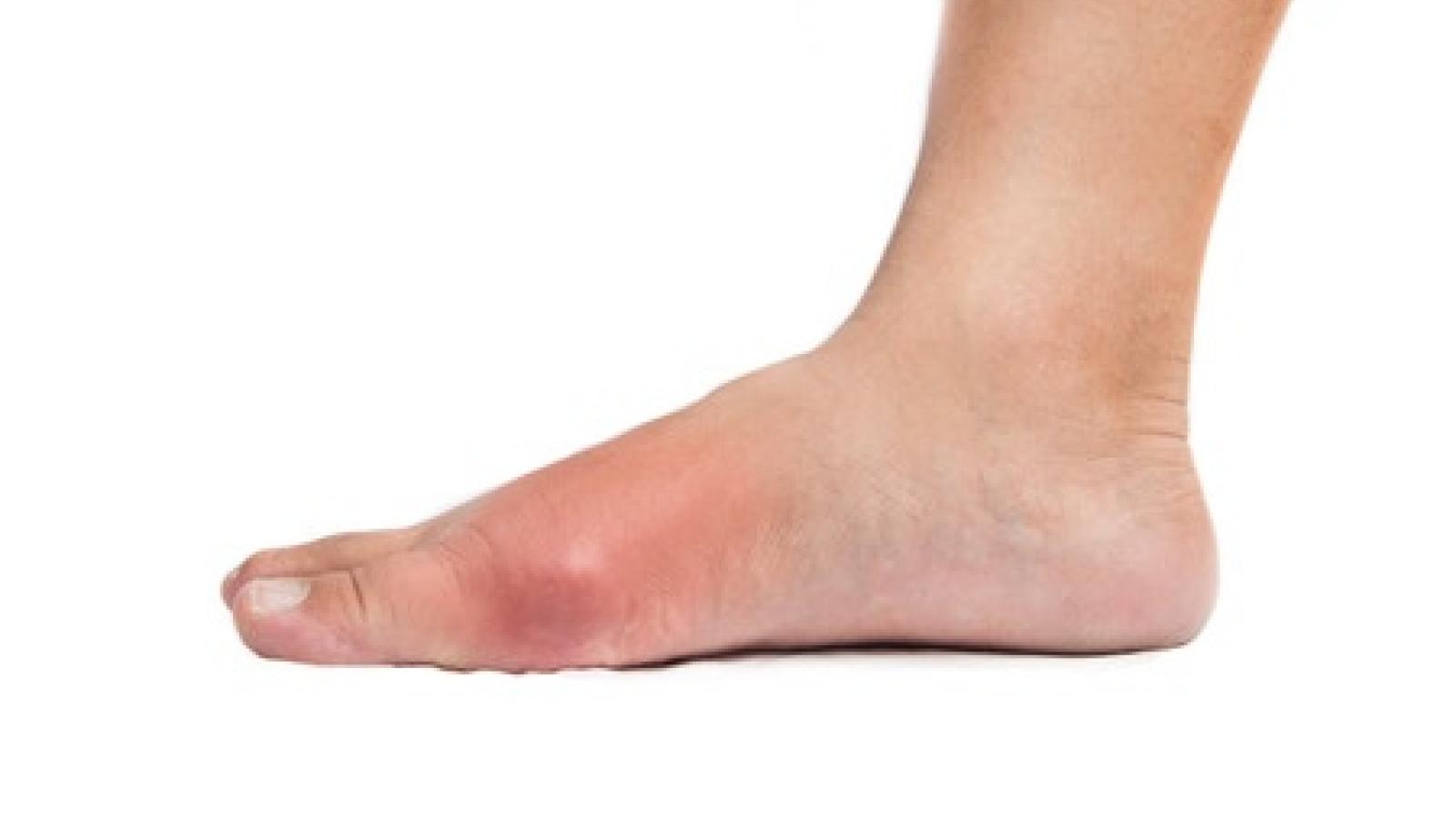
Diuretics are frequently implicated causes of hyperuricemia and gout. And there are gout variants wherein age, renal dysfunction and diuretic use may give rise to gouty attack in the hands of women with nodal osteoarthritis.

