
Many of us in academic centers, for better and worse, have had more and longer experience with EMRs than some of our colleagues in practice.
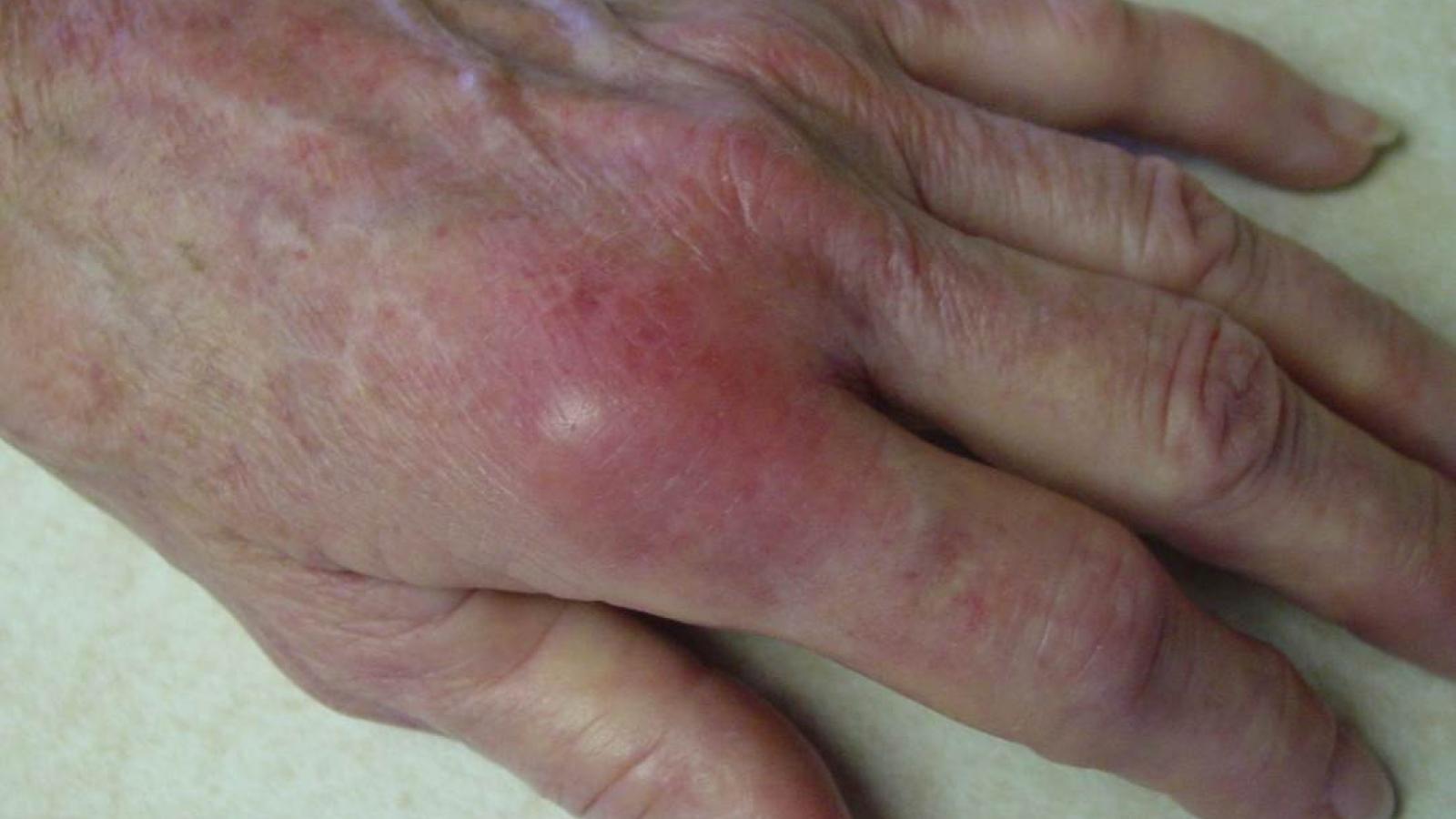
May is Arthritis Awareness Month. Arthritis affects an estimated 52.5 million U.S. adults, is a common comorbidity among those with multiple chronic conditions, and is a leading cause of disability in the United States.

An at-risk population of 407 middle-aged overweight women (BMI ≥ 27 kg/m2) without clinical signs of knee osteoarthritis were prospectively studied for 2.5 years and randomized to receive either glucosamine or diet and exercise in a double-blind, placebo-controlled trial. No significant effect for either intervention was observed.

Calprotectin a major S100 protein, produced by leukocytes is a potential new biomarker for use as it may be more sensitive disease activity changes than conventional acute-phase proteins. It is easily measured in fluids and feces and is often used as a biomarker in inflammatory bowel disease. This review shows that calprotectin levels may be elevated several conditions, including RA, PsA, IBD and Still’s disease.

Morning stiffness is a historic feature of RA and may be related to prolonged inactivity or the chronobiology of rheumatoid inflammation. Chronobiology and chronopharmacology are receiving consideration in investigation and RA trial design. Researchers from Maynooth, Berlin, Vienna and Basel found evidence that matching drug administration to a person’s body clock may be a better approach to reducing joint pain and stiffness. Th
Highlights and take-home messages from the Cleveland Clinic Center for Continuing Education's Biologic Therapies Summit held this week (April 30 – May 2, 2015).

Despite guidelines stating that low dose aspirin is indicated for secondary prevention of MI and stroke, a recent survey shows that over half of US adults take daily low dose aspirin. Four out of five users claimed to be taking it to prevent a first MI or CVA. At issue is whether this number is high or just about right, especially for rheumatic patients already receiving NSAIDs. [Image: "Aspirine macro shot" by Sauligno - Own work.

The Journal For Nurse Practitioners provides a succinct overview of atypical femoral fractures and bisphosphonates. These popular agents account for 14 million prescriptions annually in the United States.

Lyme disease remains endemic in many parts of North America and continues as a public health concern. This article reviews endemic and nonedemic areas, the lack of an available Lyme vaccine, immune pathways and what is known about the vector and bug.
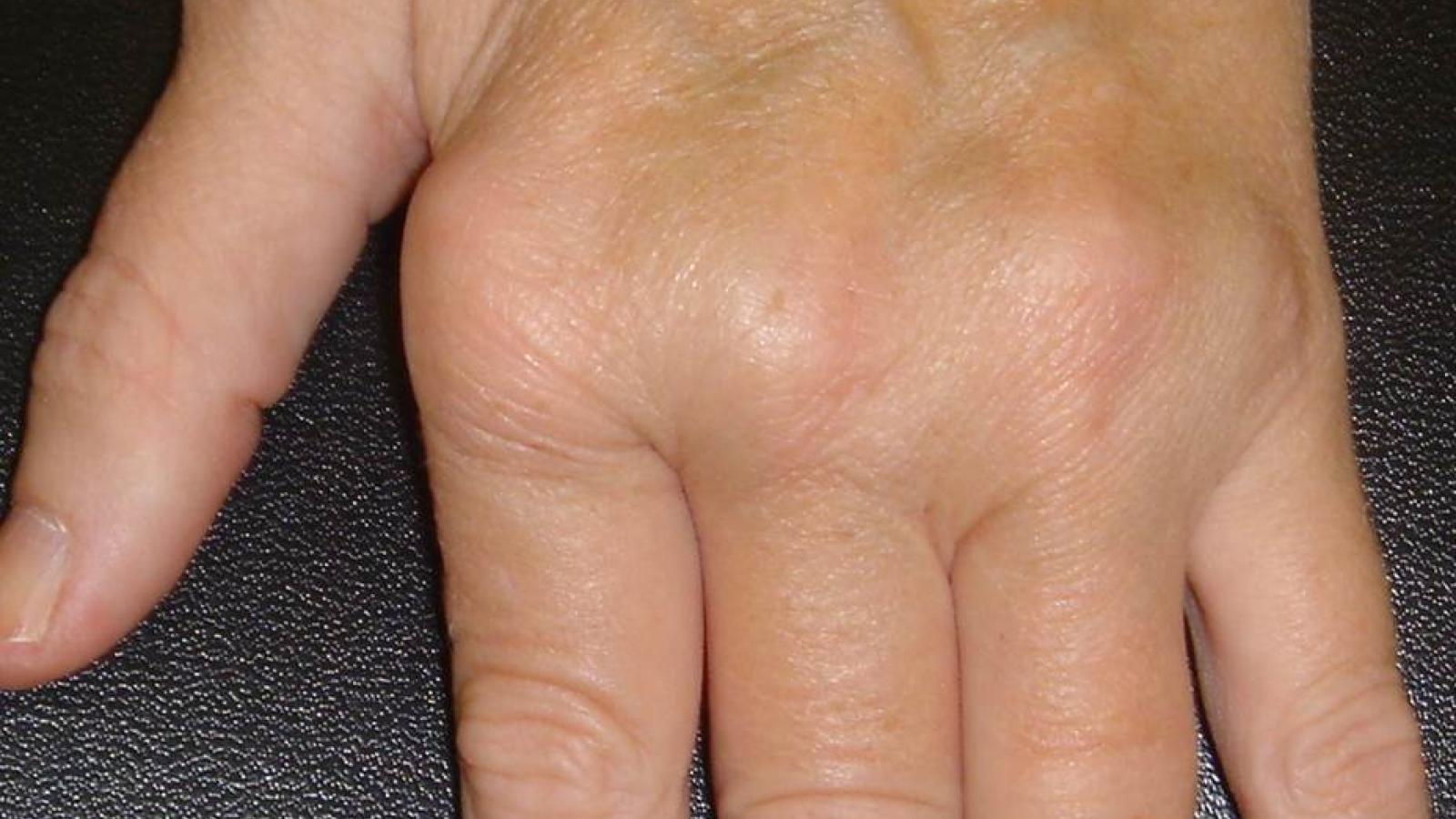
The HLA-DRB1 haplotype is a known risk factor for RA. Viatta and researchers from the UK Norfolk Arthritis Register (NOAR) analyzed their cohorts and found that among those with the HLA-DRB1 genotypes, the presence of valine at position 11 not only increased risk but also compouned disease severity with more early erosions, higher all-cause mortality rates and, conversely, better EULAR responses to TNF inhibitor therapy.

Reactivation of hepatitis B virus infection can have devastating consequences, especially amongst those patients receiving immunosuppressive therapy.
Reactivation of hepatitis B virus infection can have devastating consequences, especially amongst those patients receiving immunosuppressive therapy.
While the FRAX is useful to determine if individuals with low bone mass may benefit from treatment for osteoporosis, this method also has some shortcomings.

Professor Fergus Shanahan, a consultant gastroenterologist and professor of medicine at University College Cork, has an issue with the label “auto-immune” disease being applied to conditions such as RA, lupus, multiple sclerosis, Crohn’s disease, asthma and type 1 diabetes.

The traditional FDA pregnancy risk categories (A, B, C, D, X) have been scrapped in favor of a new labeling mandate called the pregnancy and lactation labeling rule (PLLR). This change has been under consideration at the FDA for nearly 2 years and was brought about by the belief that the old A-X labels were “confusing and overly simplistic”, did not adequately portray risk differences and tended to minimize discussion between physician an

