

The full house immunofluorescence pattern is the classic histopathologic finding of lupus and lupus nephritis. Glomerular deposits staining for IgG, IgA, IgM, C3 and C1q can help confirm a suspected diagnosis of SLE. But what about patients with negative immunofluorescence and no proliferative or membranous features?

Investigators from the Netherlands have published their findings that smoking is a risk factor in rheumatoid arthritis (RA), led by the induction of local autoimmune responses at mucosal sites (in the lungs) and exemplified by RA-specific autoantibodies.

Recent reports on small numbers of lupus patients treated with CAR-T cells directed against CD19+ B lymphocytes have generated considerable excitement, not so much because the initial response to this therapy was favorable, but because after follow-up durations of two years or longer the patients were reported to have an ongoing clinical remission without the need for further treatment and in the absence of most autoantibodies. This state has

I want to talk about a large Canadian registry that sometimes doesn't get as much airtime. Our group is called CaNIOS: Canadian Network for Improved Outcomes in SLE. We've enrolled more than a thousand patients, seen at least annually and some for many years. These patients are incident or prevalent and they've consented to be in the database. So what have we learned looking at kid-onset versus adult-onset lupus?

Attendees at the 2025 RheumaPreg meeting were excited to discuss the newly released EULAR recommendations for use of antirheumatic drugs in reproduction, pregnancy, and lactation. Table 1 summarizes the major recommendations from EULAR (2025) and the American College of Rheumatology (2020) reproductive guidelines for commonly used medications in SLE. It should be noted that these two sets of guidelines largely align, however, the updated

From fellowship through current times to looking ahead to the future, here are my lupus perspectives.

Dr. Jack Cush reviews the news, journal reports and lupus highlights from the past week on RheumNow.com. Triple positivity, the gut and CRPS, and hope for better outcomes with Vitamin D therapy.

New research from the University of Sydney reveals that obesity, having a knee injury and occupational risks such as shift work and lifting heavy loads are primary causes of knee osteoarthritis.

Recently a landmark paper was published in A&R studying the results of an emulation trial on SGLT2i (sodium-glucose co-transporter 2 inhibitors) showing benefit in SLE patients with diabetes mellitus (DM), for both renal protection and reducing cardiovascular events, using data from an American large insurance claim database. My colleagues and I were able to write an editorial on this paper and describe emulation trials.

I have been investigating the mechanisms of antinuclear antibody (ANA) expression in SLE since 1978. In this pursuit, I have followed the advice of my first division chief, Dr. Ralph Snyderman, a great academician. Ralph told me to identify a research focus and make it mine. I think I have done reasonably well in my mission so you can imagine my surprise (and excitement) when, for the Lupus 2025 meeting in Toronto, I was asked to

Women with the autoimmune diseases rheumatoid arthritis, lupus or systemic sclerosis may have a higher rate of death related to cardiovascular disease than men with the autoimmune diseases, according to new research published in the American Heart Association’s journal Circulation: Cardiovascular Quality and Outcomes.

A randomized clinical trial with oral high-dose cholecalciferol ( vitamin D3) was shown to prevent or delay the onset of clinically isolated syndrome (CIS), typical for multiple sclerosis (MS).
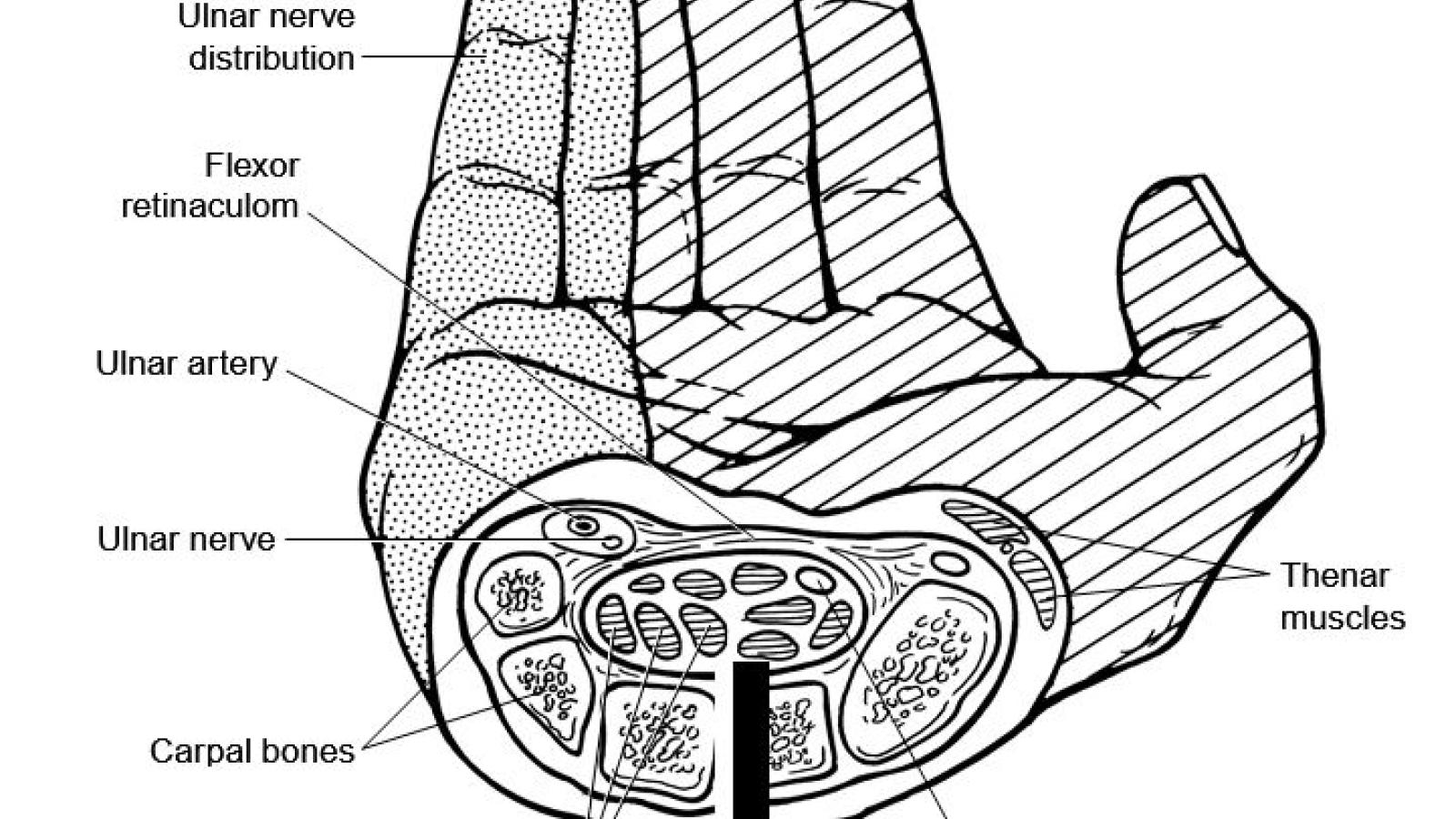
Rates of carpal tunnel syndrome were significantly greater in patients later diagnosed with rheumatoid arthritis, according to a large, long-running observational study.

I think we're all somewhat familiar with PJP prophylaxis. This is the thing we do to stop the scary, opportunistic infection that affects people who are immunocompromised. I'm going to start by actually steelmanning the case for doing PJP prophylaxis before I explain why I think you probably shouldn't be doing too much of it.

An open-label, single-centre, randomized controlled trial tested whether immunosuppressant (IS) withdrawal is noninferior to glucocorticoid (GC) withdrawal in systemic lupus erythematosus (SLE) patients and found that IS withdrawal is noninferior to GC withdrawal in SLE patients in long-term clinical remission.

