

The British Society of Rheumatology has published its 2025 Guidelines for the Treatment of Axial Spondyloarthritis (axSpA); addressing axial and extra-musculoskeletal manifestations including acute anterior uveitis, psoriasis and IBD. They address the effectiveness and safety of targeted therapies; switching, combining, tapering or withdrawing targeted therapies; and treating to target. The guideline applies only to adults with axSpA.

In a preclinical study led by McGill University researchers, two drugs targeting “zombie cells” have been shown to treat the underlying cause of chronic low back pain. The condition affects millions of people worldwide.Current treatments manage symptoms through painkillers or surgery, without addressing the root cause.

As organizations representing nearly 60 million adults and children living with arthritis in the United States and the rheumatologists and health care professionals who treat them, we are deeply alarmed by this week’s dismantling of multiple branches of the Centers for Disease Control and Prevention (CDC) that manage essential research and public health programs critical to the well-being of millions of people living with chronic conditions.

A Taiwanese insurance claims analysis looked at hydroxychloroquine (HCQ) use in primary Sjögren syndrome (pSS) and showed that HCQ exposure significantly reduces the risk of new onset diabetes in pSS.

Dr. Jack Cush reviews the news and Journal reports from this week on RheumNow.com. Osteoarthritis patients have unique risks and synovial fluid WBC numbers can tell you when to worry about septic arthritis in gout and pseudogout patients.

Genetic sequencing as a research and diagnostic tool has expanded in medicine and rheumatology. An interesting review in Arthritis and Rheumatology suggests that despite currently modest use, there will be an expanded role for genetic sequencing in the field of rheumatology.

A national commercial claims analysis of first-line use of biologics in biologic−naive plaque psoriasis patients found a near doubling of net treatment costs from 2007 to 2021 ($21 236 to $47 125). Despite the increasing costs, the 2021 average cost could have been 44% lower if the lowest-cost drug in the same mechanistic class were chosen.

A large scale genomic population study found antinuclear antibodies (ANA) in up to 14% of the population; most with ANA are asymptomatic, and ANA production is not associated with significant genetic risk.

A Nature article details the results of an osteoarthritis, genome-wide association study meta-analyses across up to 489,975 cases and 1,472,094 controls, establishing 962 independent associations, 513 of which have not been previously reported. Results were published this week in the journal Nature.
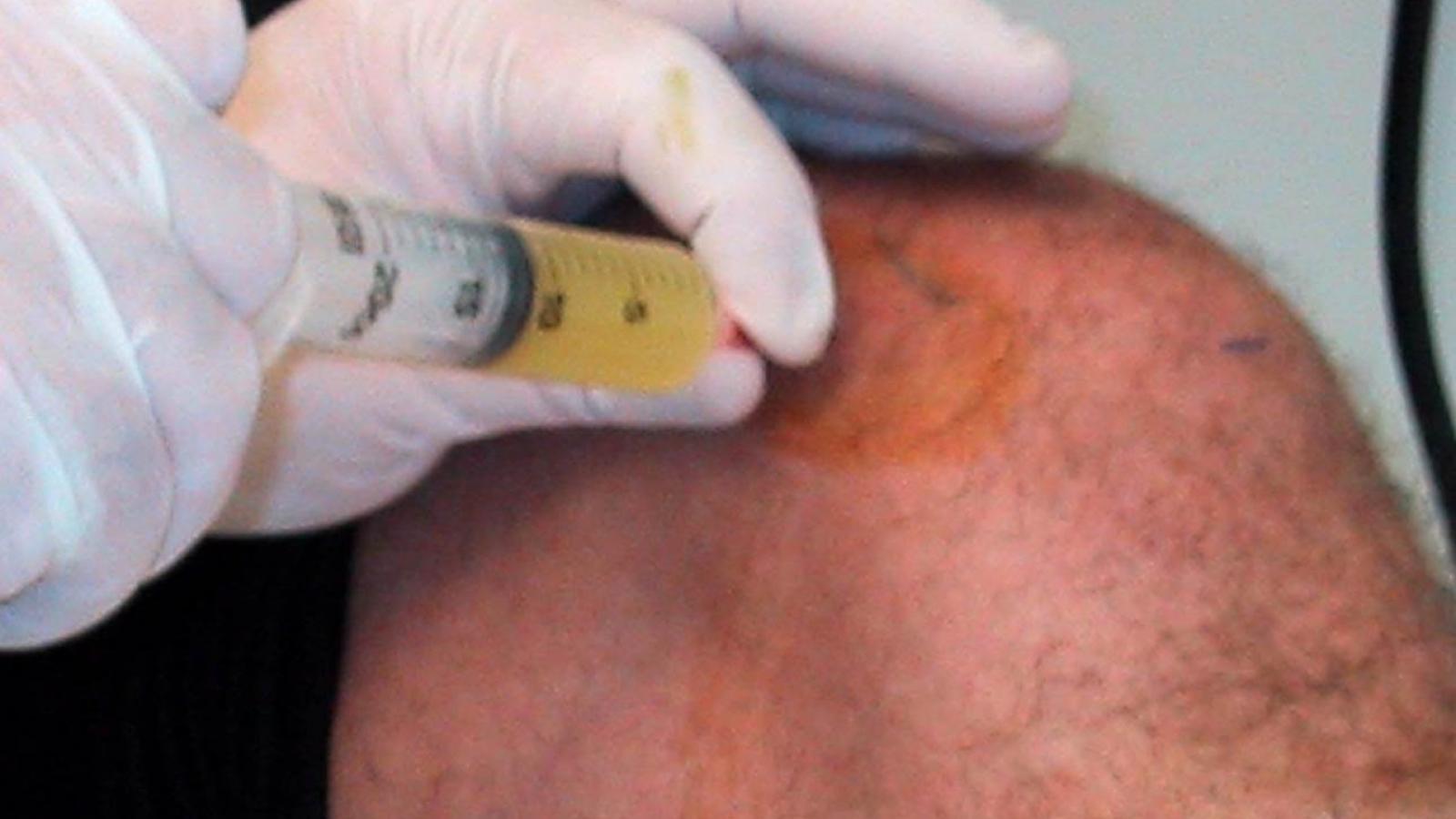
A single center, retrospective review of patients undergoing knee joint fluid aspirations for presumed crystalline arthritis (CA) showed that synovial WBC may provide a useful diagnostic marker for SA with an optimal threshold of 50,000 cells/mm3.
A prospective cohort study of seropositive arthralgia patients demonstrated that baseline characteristics and labs can be used to predict which arthralgia patients are at highest risk of developing rheumatoid arthritis (RA).

Does aspirin add any advantage to intravenous immunoglobulin (IVIG) alone in children with Kawasaki disease (KD)? A randomized clinical trial IVIG alone was not inferior to IVIG plus aspirin, suggesting that high-dose aspirin during initial IVIG treatment did not reduce coronary artery lesions (CAL).
Dr. Jack Cush reviews the news, journal reports and regulatory approvals from this past week on RheumNow.com

A current review article suggests that the need for Pneumocystis jirovecii pneumonia (PJP) prophylaxis in patients with systemic lupus erythematosus (SLE) and lupus nephritis will need to be individualized based on therapies and risk factors.

A CDC cross-sectional national study showed an increase in pregnancy-related deaths in the US from 2018 to 2022, with highest rates among American Indian, Alaska Native women, and non-Hispanic Black women.

