

A randomized clinical trial in knee osteoarthritis (KOA) patients showed both yoga and strengthening improved knee pain over 12 weeks, with no difference between groups.There is limited evidence on the comparative effectiveness of yoga and strengthening exercises in managing knee osteoarthritis (OA).
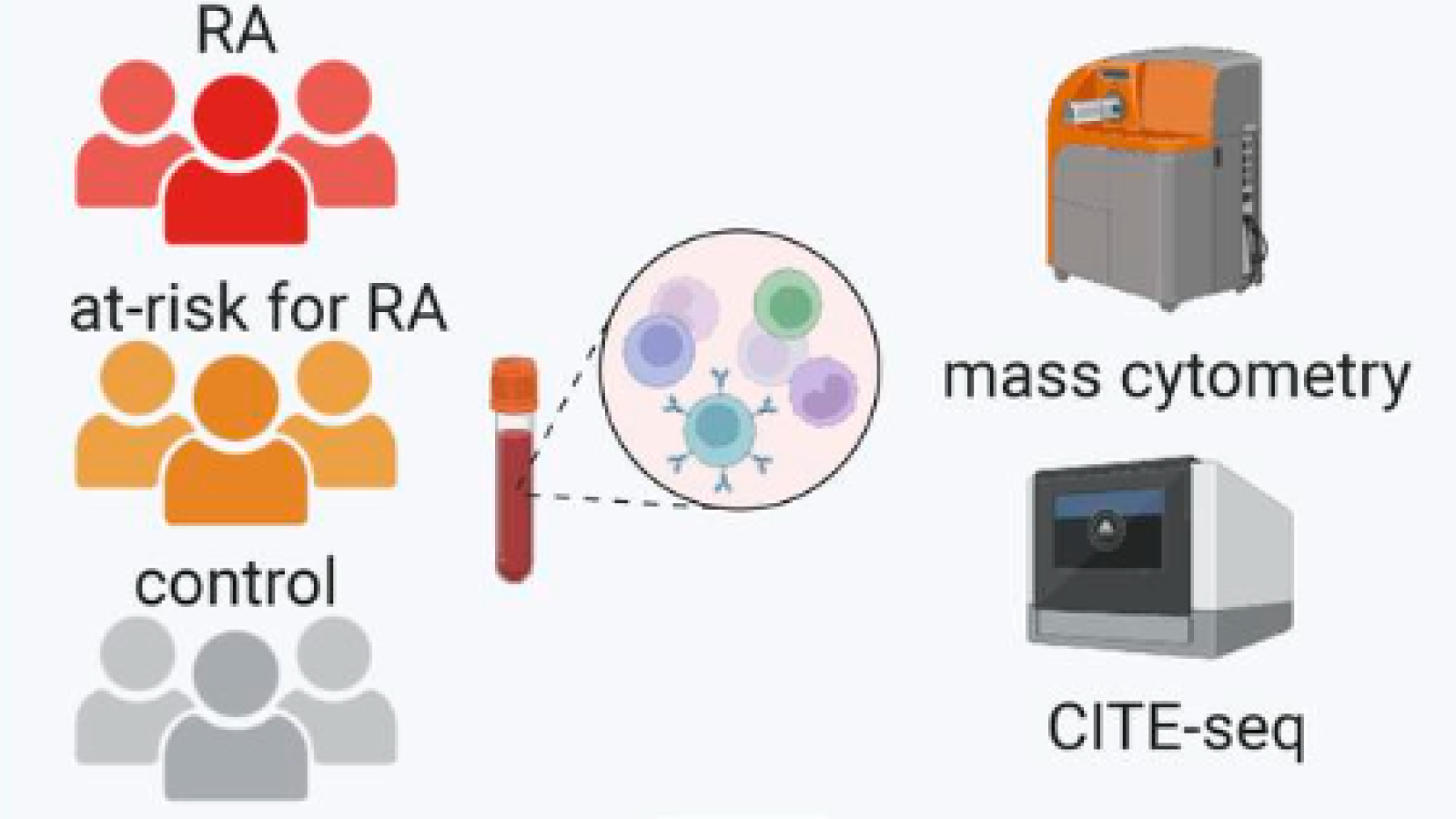
Researchers at the University of Colorado have identified pathogenic immune phenotypes in at-risk populations for rheumatoid arthritis (RA). They have found the expansion of specific T cell subtypes, in the at-risk group, and postulate this could lead to future immunospecific prevention strategies.
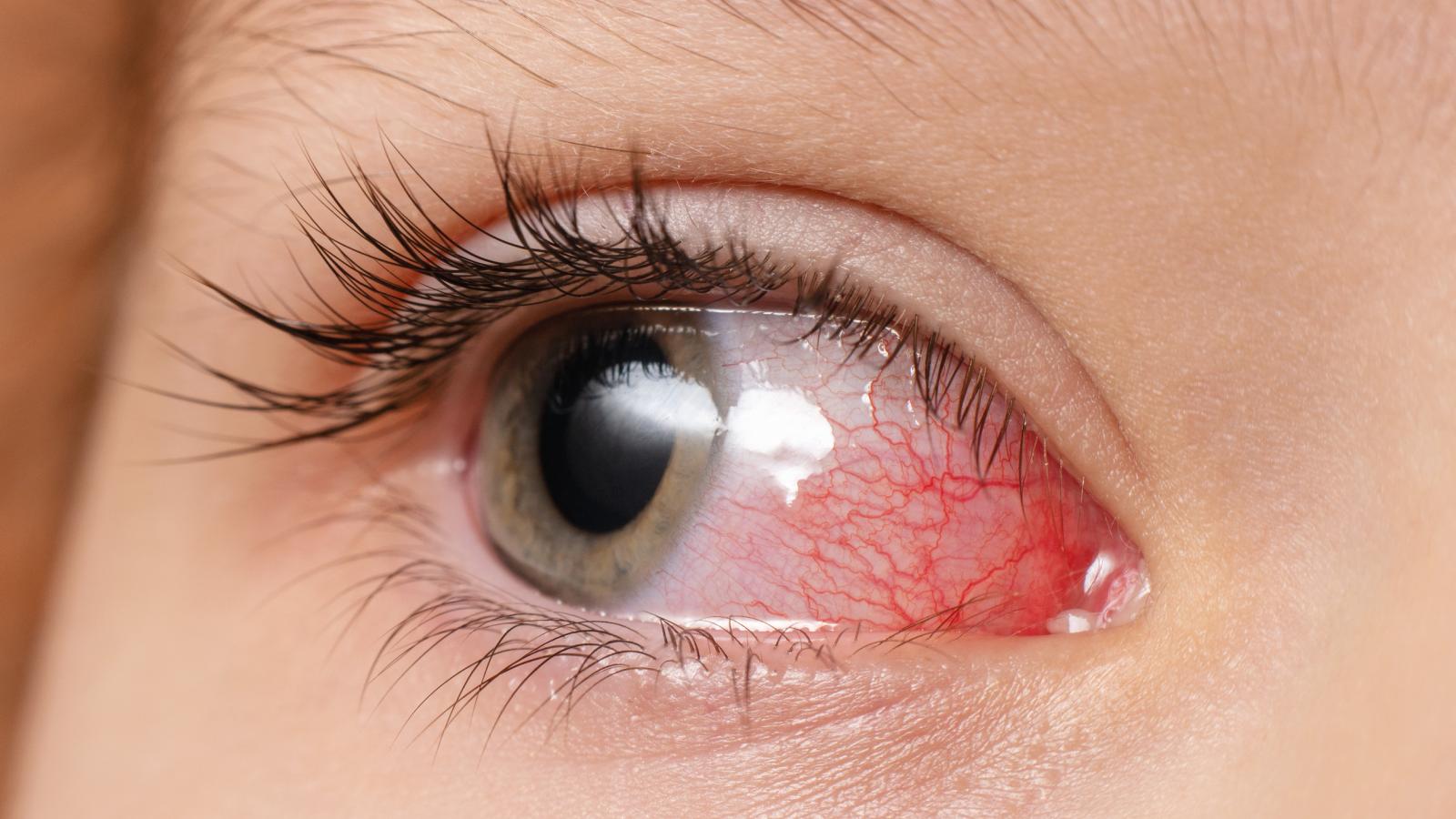
Patients with pediatric non-infectious uveitis (NIU) who achieved remission on adalimumab (Humira) had lower recurrence rates when the drug was withdrawn more gradually, a retrospective cohort analysis indicated.
The American College of Physicians published a best practice advisory on cannabis or cannabinoids in the Annals of Internal Medicine.

Behavioral interventions were associated with reduced pain and daily opioid use and improved function and quality of life for up to 12 months among adults with opioid-treated chronic low back pain, according to a new randomized clinical trial.

Dr. Jack Cush reviews the news and journal reports from this past week on RheumNow.com.

Vamorolone is a potentially new alternative to traditional glucocorticoids for use in inflammatory diseases. It is a dissociated steroidal compound with reduced side effects, and in an animal model of inflammation has shown effective antiinflammatory properties and reduced systemic effects, as compared with prednisolone. But will this hold true in humans and at higher doses?
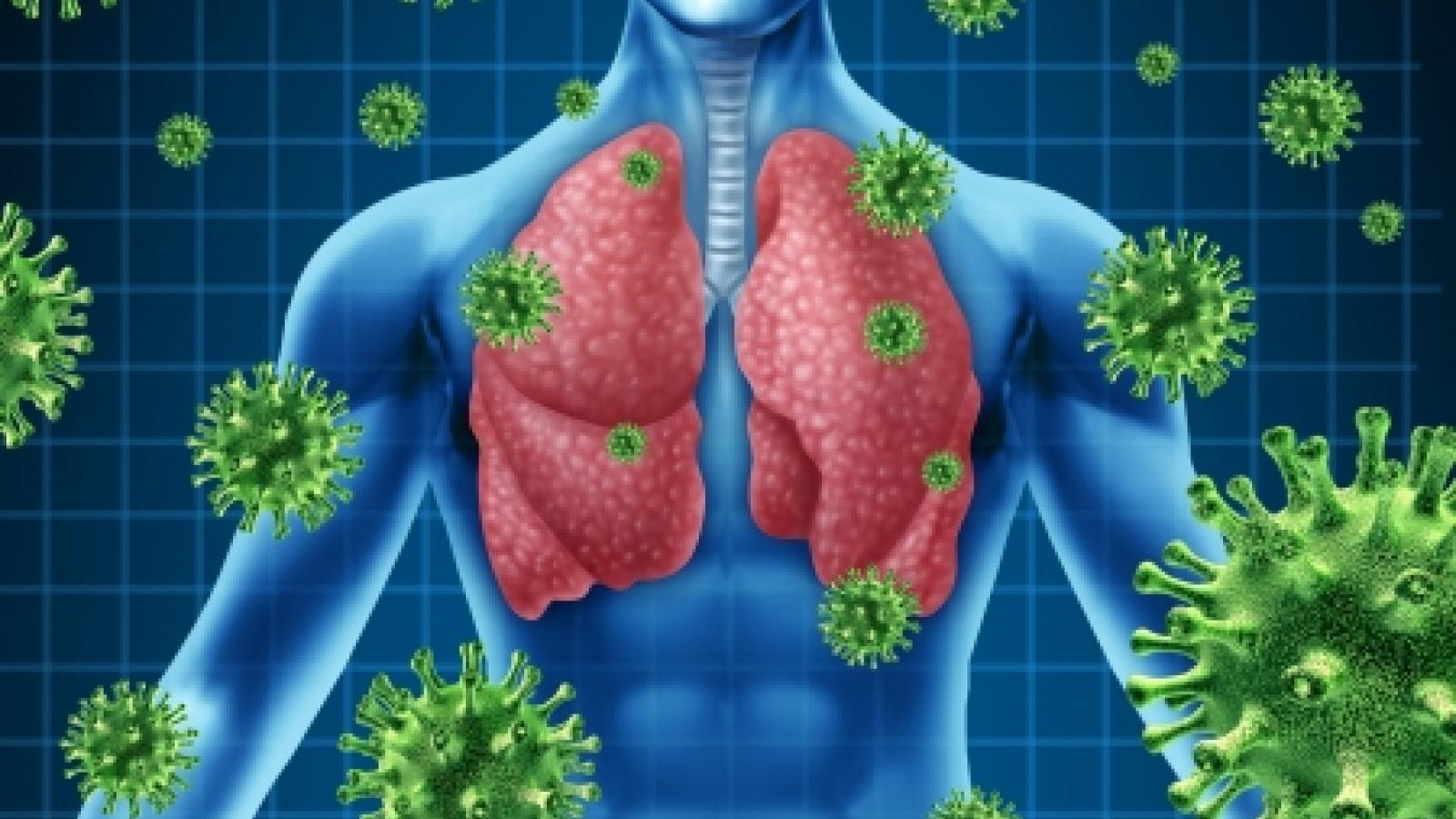
A case-control study has shown that glucocorticoids and tapering glucocorticoids are risk factors for the development of Pneumocystis jirovecii pneumonia (PJP). The authors provide guidance on the optimal timing for prophylaxis use and withdrawal.
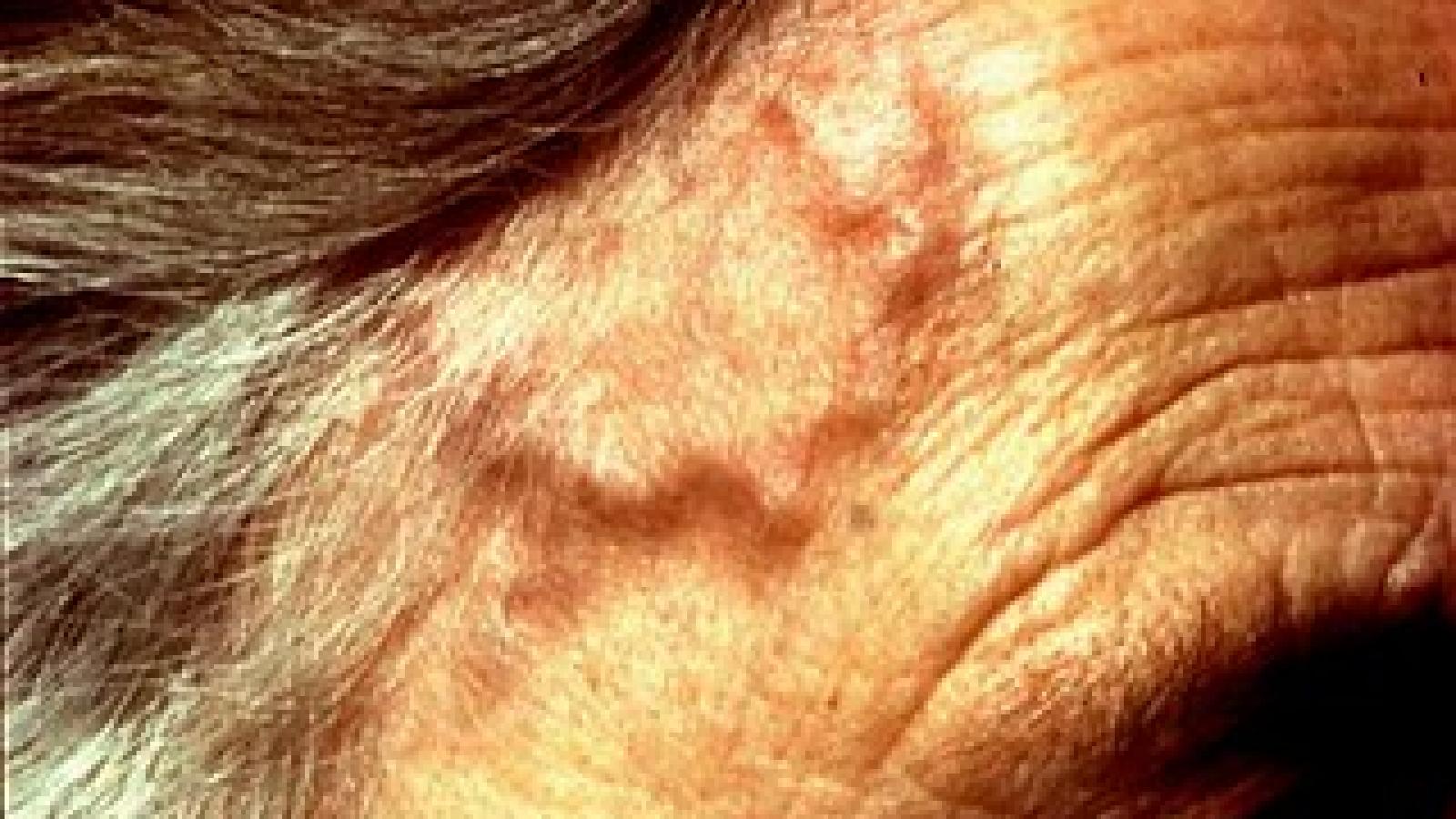
The NEJM has published a randomized controlled trial in giant-cell arteritis (GCA) patients, demonstrating significant efficacy and safety of upadacitinib (UPA), given as 15 mg daily, as compared to placebo. A total of 209 GCA patients (70% had had new onset GCA) were randomized in a 2:1:1 ratio, to receive upadacitinib at a dose of 15
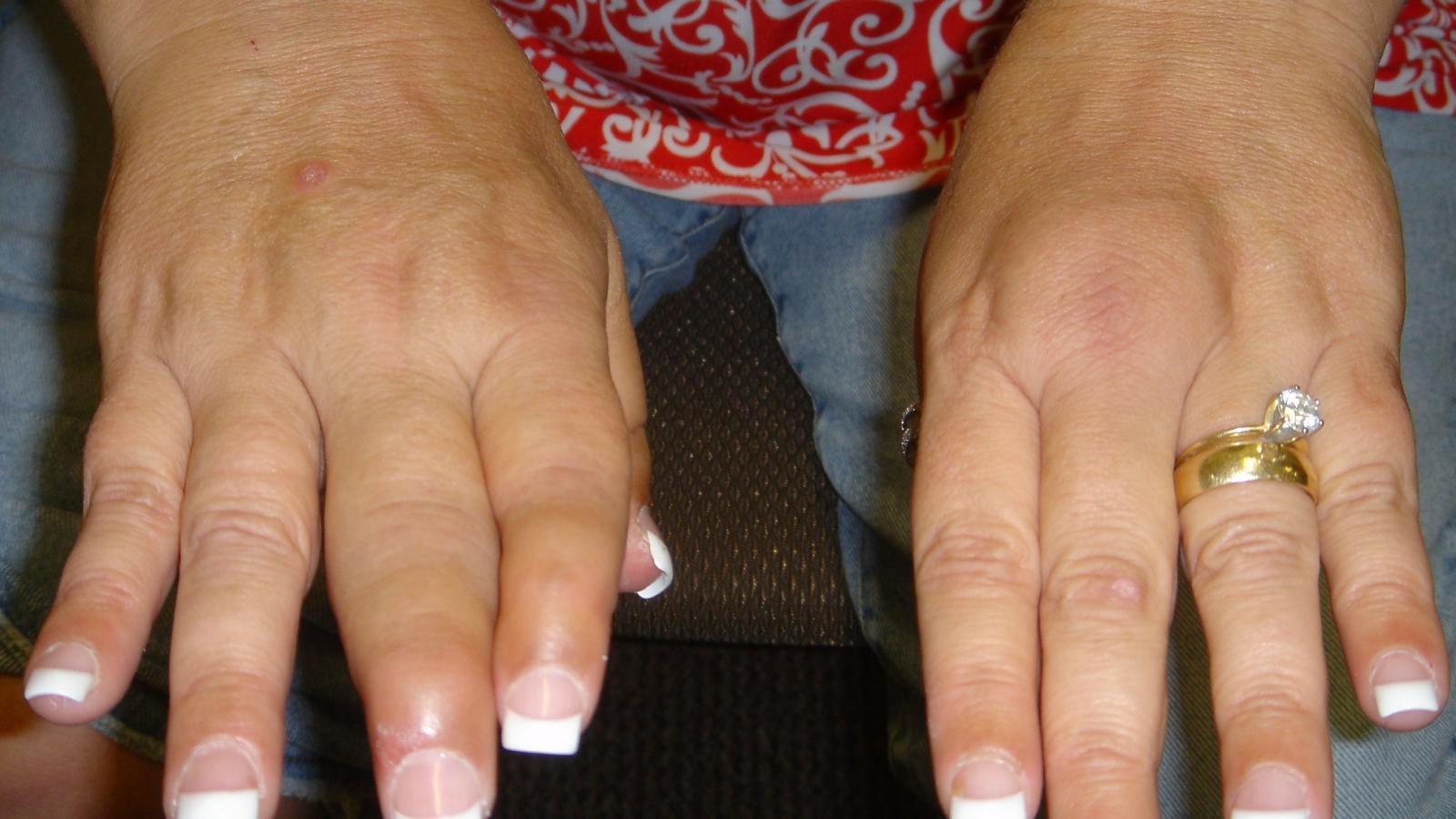
New research from the University of Bath in the UK reveals delayed diagnosis and undertreatment of psoriatic arthritis often results in irreversible damage to joints.
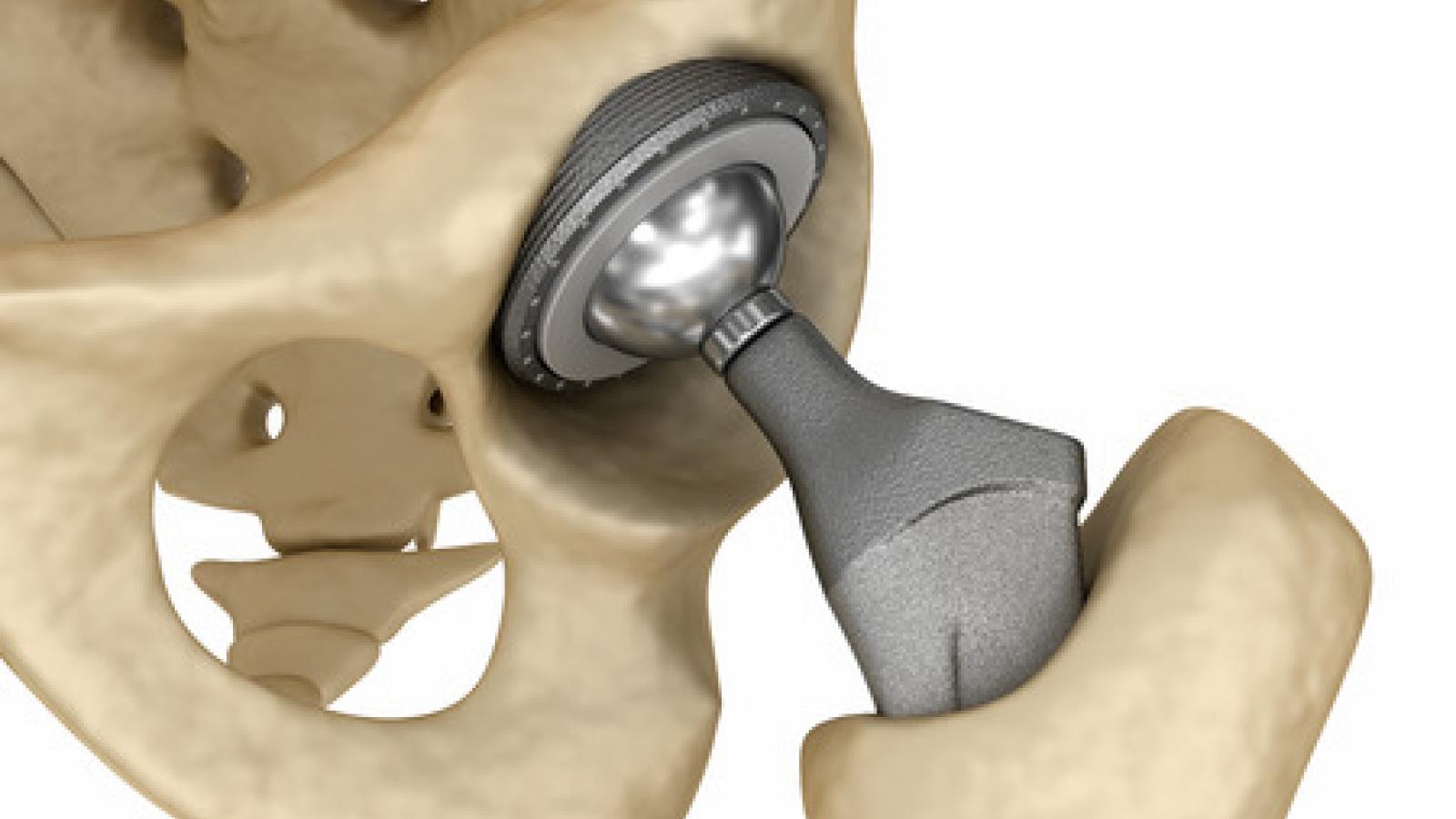
Patients with metal-containing joint replacements had significantly higher concentrations of cobalt in their cerebrospinal fluid (CSF) relative to patients without arthroplasties, researchers reported.

A German multicentre, retrospective study assessed the first-line efficacy of biologics and conventional synthetic DMARD therapy in patients with adult-onset Still's disease and found biologic agents were significantly better with sustained, event-free remissions and fewer complications.
BMJ has published a clinical practice guideline resulting from the work of an international, multidisciplinary panel addressing chronic spine pain (≥3 months duration) not associated with cancer or inflammatory arthropathy. This is a chronic (not acute) spine pain guideline.
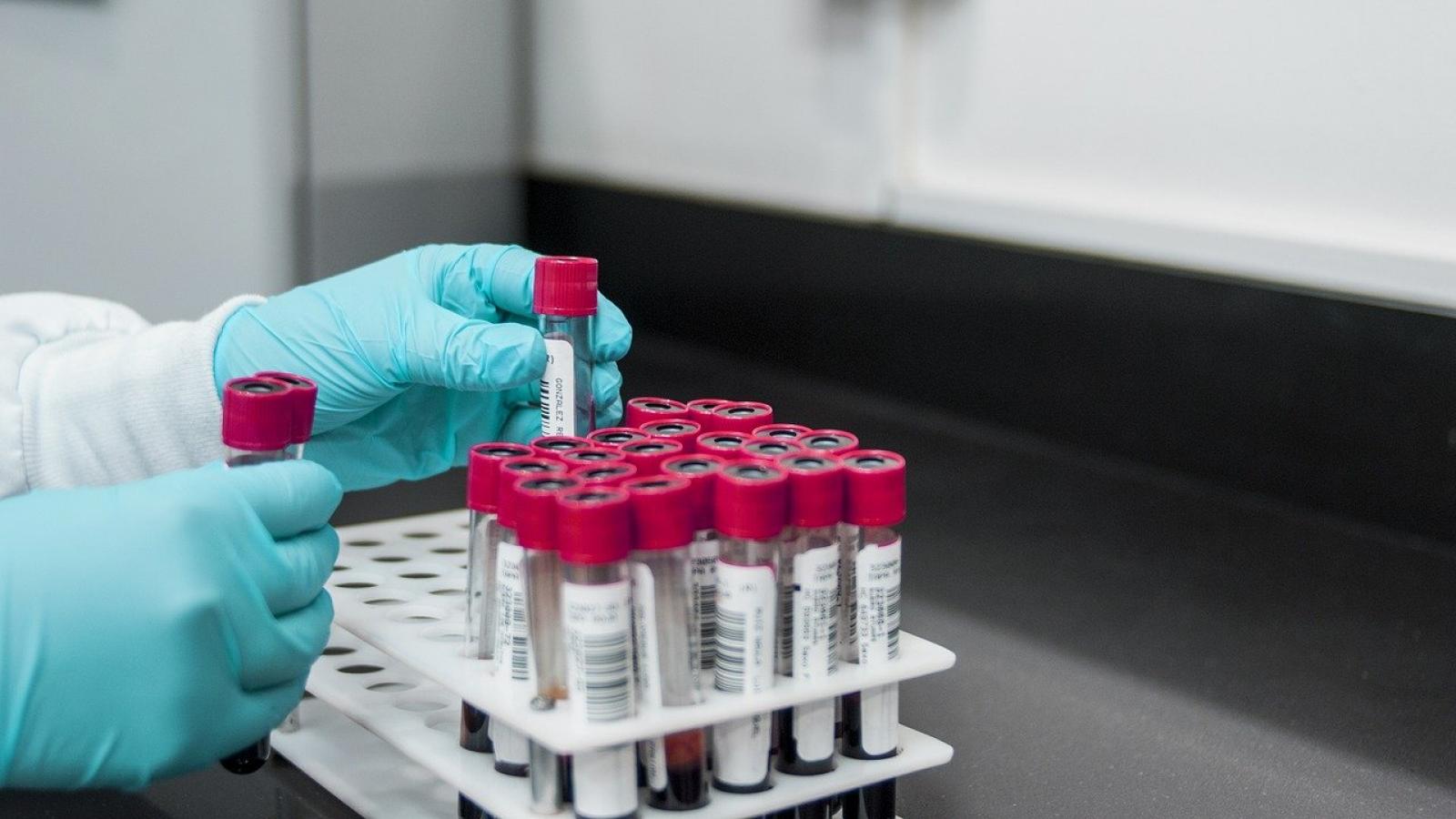
A new consensus paper, published by the European Society for Clinical and Economic Aspects of Osteoporosis, Osteoarthritis and Musculoskeletal Diseases (ESCEO), the International Osteoporosis Foundation (IOF), and the International Federation of Clinical Chemistry and Laboratory Medicine (IFCC), provides an updated evaluation of reference bone turnover markers (BTMs) and newer markers in the diagnosis and management of osteoporosis.
Dr. Jack Cush reviews the news and journal reports from this past week on RheumNow.com

