

Atherosclerosis progression was more than twice as common in younger people with SLE than in healthy controls in a prospective study from Greece, but the rate difference narrowed substantially with sustained SLE remission and conventional cardiovascular risk factor management.

The British Society for Rheumatology has updated its 2015 guidelines for the management of patients with systemic sclerosis (SSc) based on published evidence, systematic literature review and expert opinion.

A systematic review of randomized clinical trials of patients with biopsy-proven lupus nephritis demonstrates both the benefits and harms to early glucocorticoid regimens on lupus outcomes.

The majority of practicing rheumatologists at RheumNow Live 2024 were unaware of the new ACR guidelines issued in 2022 regarding dietary and lifestyle recommendations for patients with Rheumatoid Arthritis. Dr. Monica Guma reviewed these guidelines during her lecture on the impact of diet on disease activity and therapeutic response.

A follow-up analysis of a randomized clinical trial found that the use of calcium and vitamin D supplements among postmenopausal women was associated with decreased risk for cancer mortality, but increased risk for cardiovascular disease mortality. The analysis is published in Annals of Internal Medicine.

Systemic lupus erythematosus (SLE) outcomes were assessed based on whether they received sodium-glucose co-transporter 2 inhibitors (SGLT2i), in the setting of comorbid type 2 diabetes (T2D).
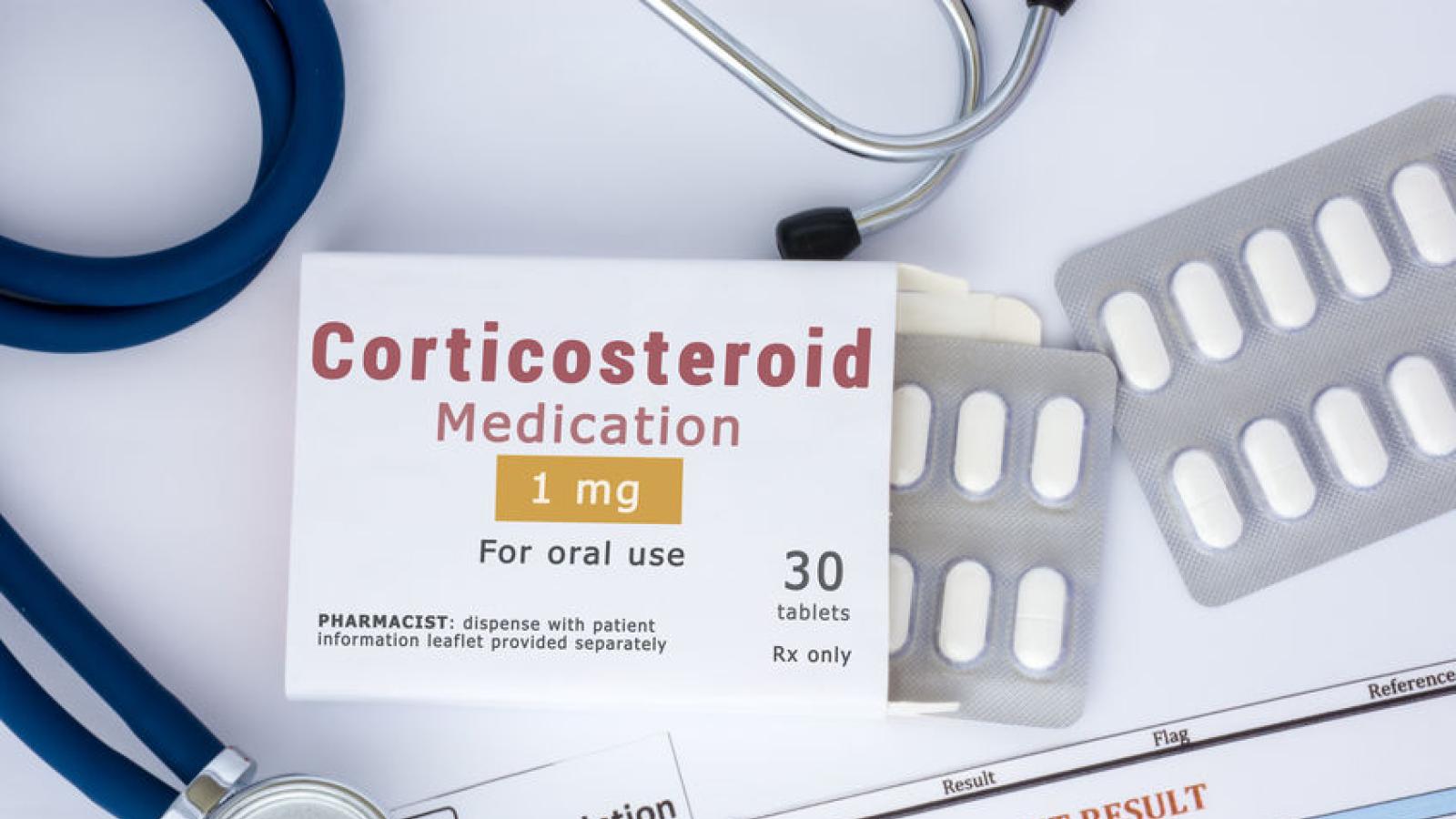
Glucocorticoids are widely prescribed as anti-inflammatory and immunosuppressive agents. This results in at least 1% of the population using chronic glucocorticoid therapy being at risk for glucocorticoid-induced adrenal insufficiency. This risk is dependent on the dose, duration and potency of the glucocorticoid, route of administration, and individual susceptibility.
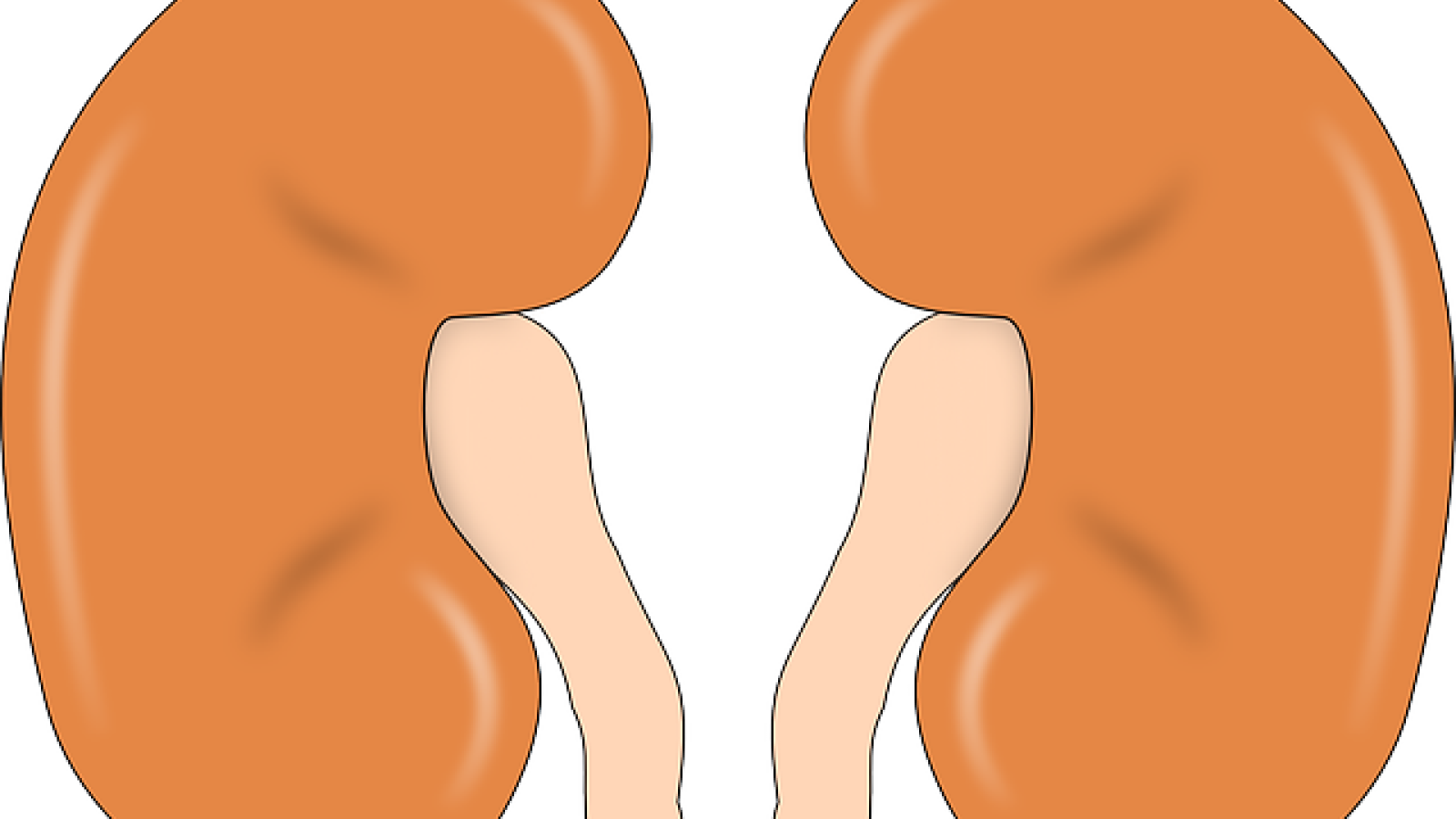
A retrospective cohort study of biological disease-modifying antirheumatic drugs (bDMARDs) persistence in rheumatoid arthritis patients with chronic kidney disease, shows the 3 year survival to be under 50% but that all studied biologics were nearly equivalents with regard to safety and efficacy.
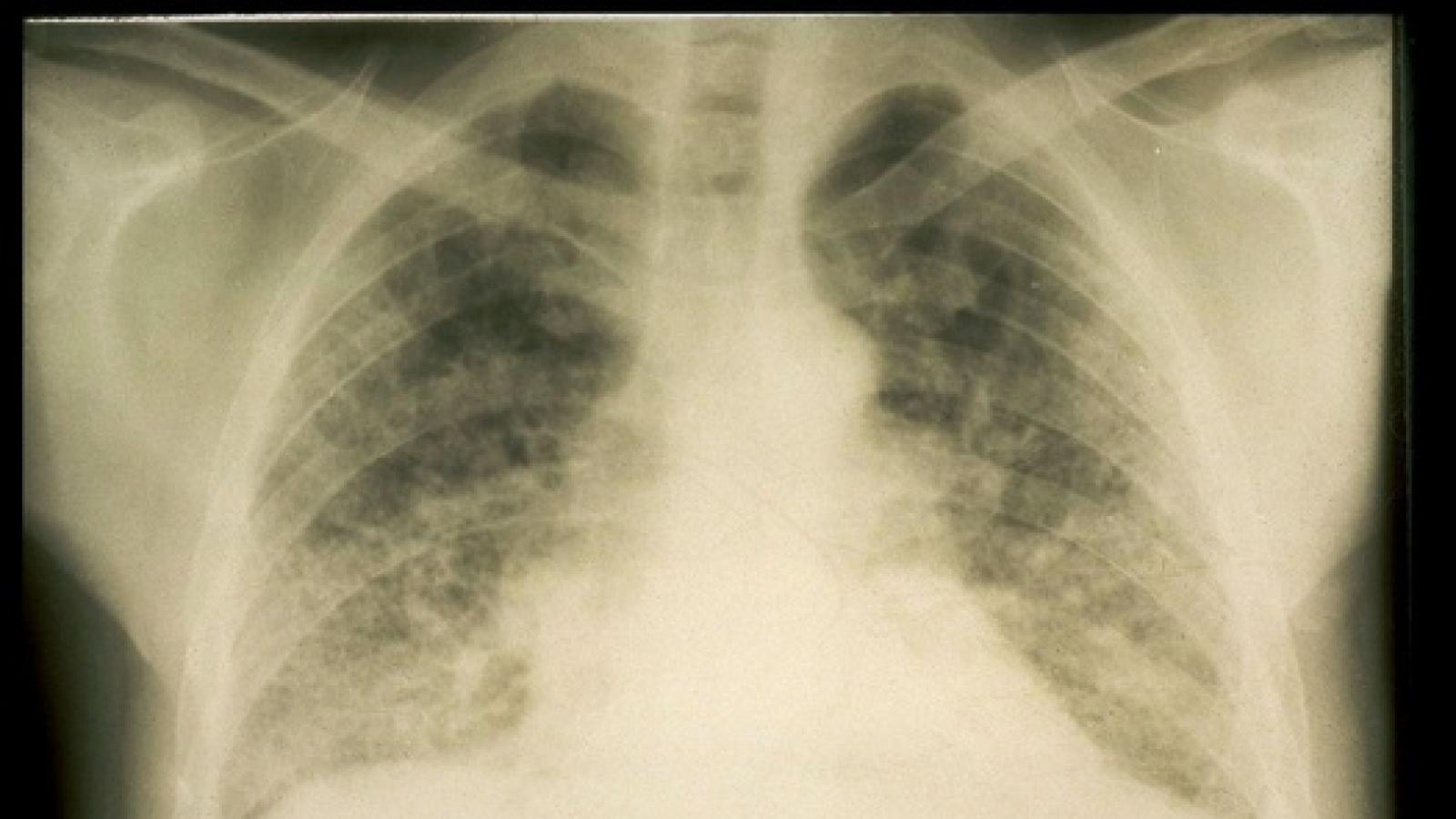
Interstitial lung disease (ILD) is the most widespread and fatal pulmonary complication of rheumatoid arthritis (RA). A recent metanalysis shows the pooled prevalence of RA-ILD was approximately 18.7%.
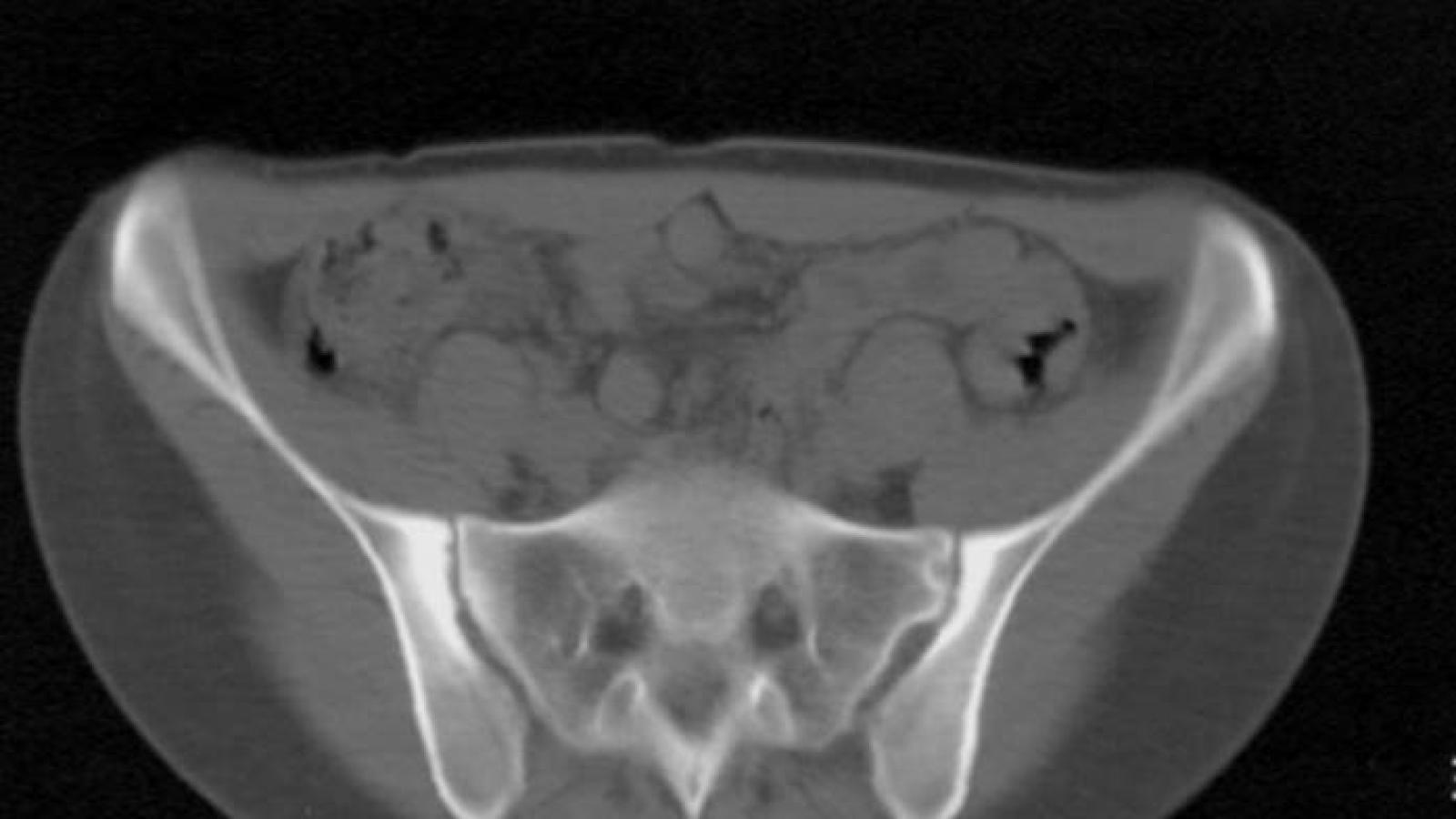
Ankylosing spondylitis (AS) patients not responding to usual dosing with secukinumab (150 mg) after 16 weeks were dose escalated to secukinumab (SEC) 300 mg, but failed to show improvement by week 52.

The “Controversies in Vitamin D” International Conference has published their proceedings on vitamin D metabolism, assessment, actions, and supplementation. Interestingly, optimal levels of 25-hydroxy vitamin D (25(OH)D) are still being debated.

A VA study of shows that recombinant zoster vaccine (RZV) vaccination in immunocompromised patients or those receiving immunosuppressive medications is insufficient, given these are high risk individuals.

The Annals of Internal Medicine reports that oral, low dose, weekly methotrexate significantly reduced knee osteoarthritis pain, stiffness, and function in a randomized controlled trial.

A matched cohort study from the Veterans Health Administration shows that rheumatoid arthritis patients have a >50% increased risk of lung cancer, and a 3-fold higher risk of lung cancer in RA-interstitial lung disease (ILD).

A UK cross-sectional EHR clinical practice analysis between 2004 and 2020 shows that analgesic prescribing in inflammatory arthritis patients has declined, but still remains substantial, including opioid prescribing. Data was drawn from the Clinical Practice Research Datalink Aurum to evaluate analgesic prescription annual prevalence in patients with RA, PsA and axSpA and found that analgesic prescribing declined over time but remained common.

