

Patients with rheumatoid arthritis (RA) all have a unique and diverse set of antibodies that are involved in the development of the disease. Researchers at Utrecht University unveiled the complexity of these antibodies using powerful lab tools capable of analysing our immune system at molecular levels.
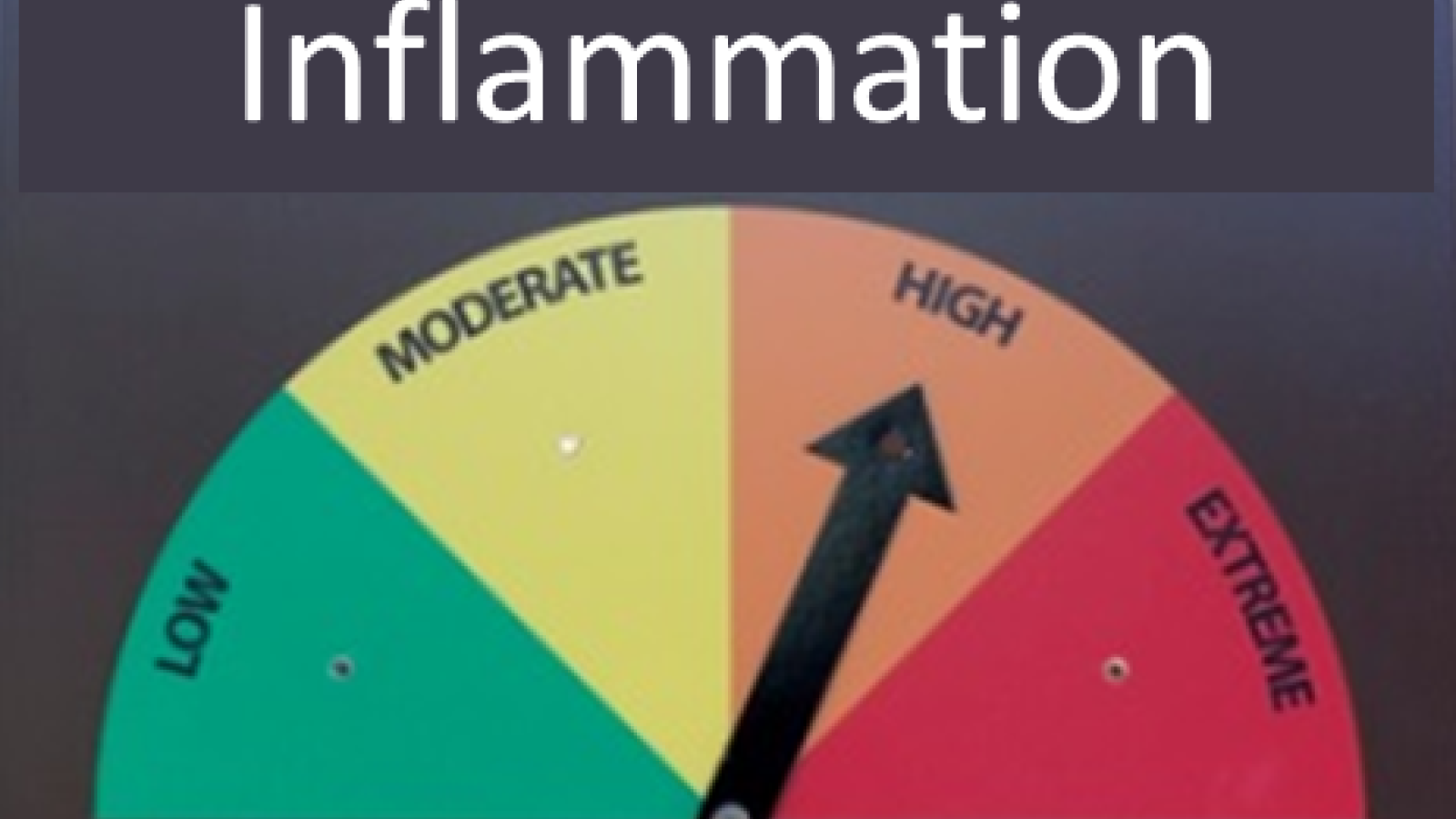
Analysis of the German RABBIT registry shows that systemic inflammation, more so than disease activity, strongly influences all-cause mortality in patients with rheumatoid arthritis and prevalent interstitial lung disease (RA-ILD).
Science Advances has reported that Duke University researchers have validated a biomarkers of osteoarthritis that may be identified 2 years before the appearance of radiographic OA.
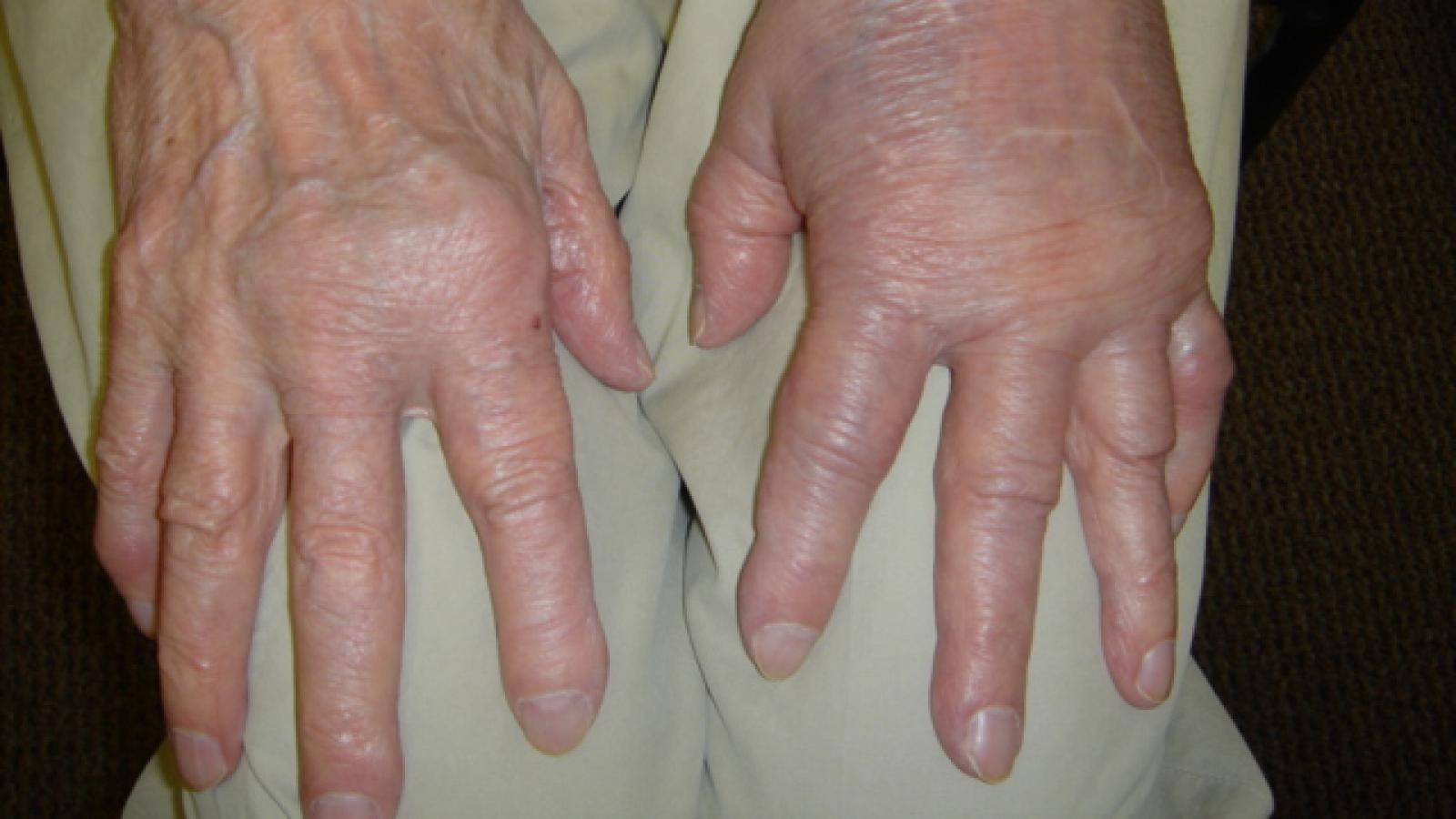
In an open-label, randomized, non-inferiority trial, rheumatoid arthritis patients in remission were subject to tapering of disease-modifying antirheumatic drugs (DMARDs), and while maintenance of remission was seen in some, many DMARD tapering patients did flare and were unable to maintain flare-free survival compared to those on stable conventional synthetic DMARDs.
An investigational Toll-like receptor (TLR) antagonist was effective in reducing biomarkers and clinical symptoms of systemic lupus erythematosus (SLE) in a pilot trial, evidence that the innate immune system may hold the key to lupus pathophysiology.

Incomplete lupus? Undifferentiated connective tissue disease? Pre-clinical autoimmune disease? During the lupus pod at RheumNow Live 2024, Dr. David Karp discussed the spectrum of autoimmune disease and the confusing terminology that is used with the complex world of early autoimmune disease. He cautioned against the traditional use of phrases such as incomplete lupus or undifferentiated connective tissue disease, which are heterogeneous and

Dr. Jack Cush reviews this past week’s news and journal articles from RheumNow.com.
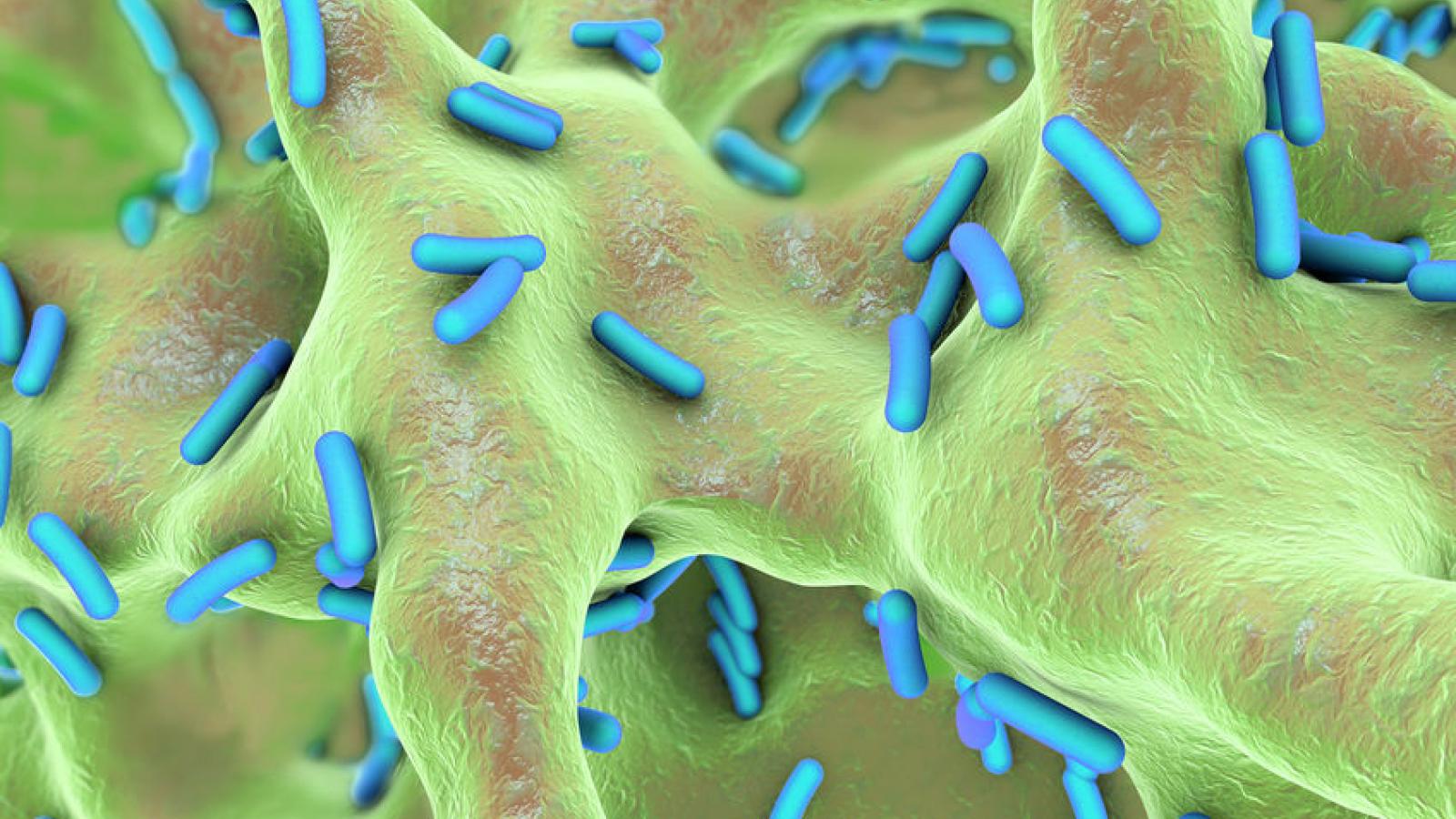
Machine learning (ML) models were applied to 3 cohorts of lupus nephritis (LN) patients and established algorithms to predict co-infection in LN. This study analyzed 111 non-infected LN patients, 72 infected LN patients, and 206 healthy controls (HCs), looking at patient demographics, infection outcomes, medication, and laboratory indexes (including cell counts and lymphocyte subsets).
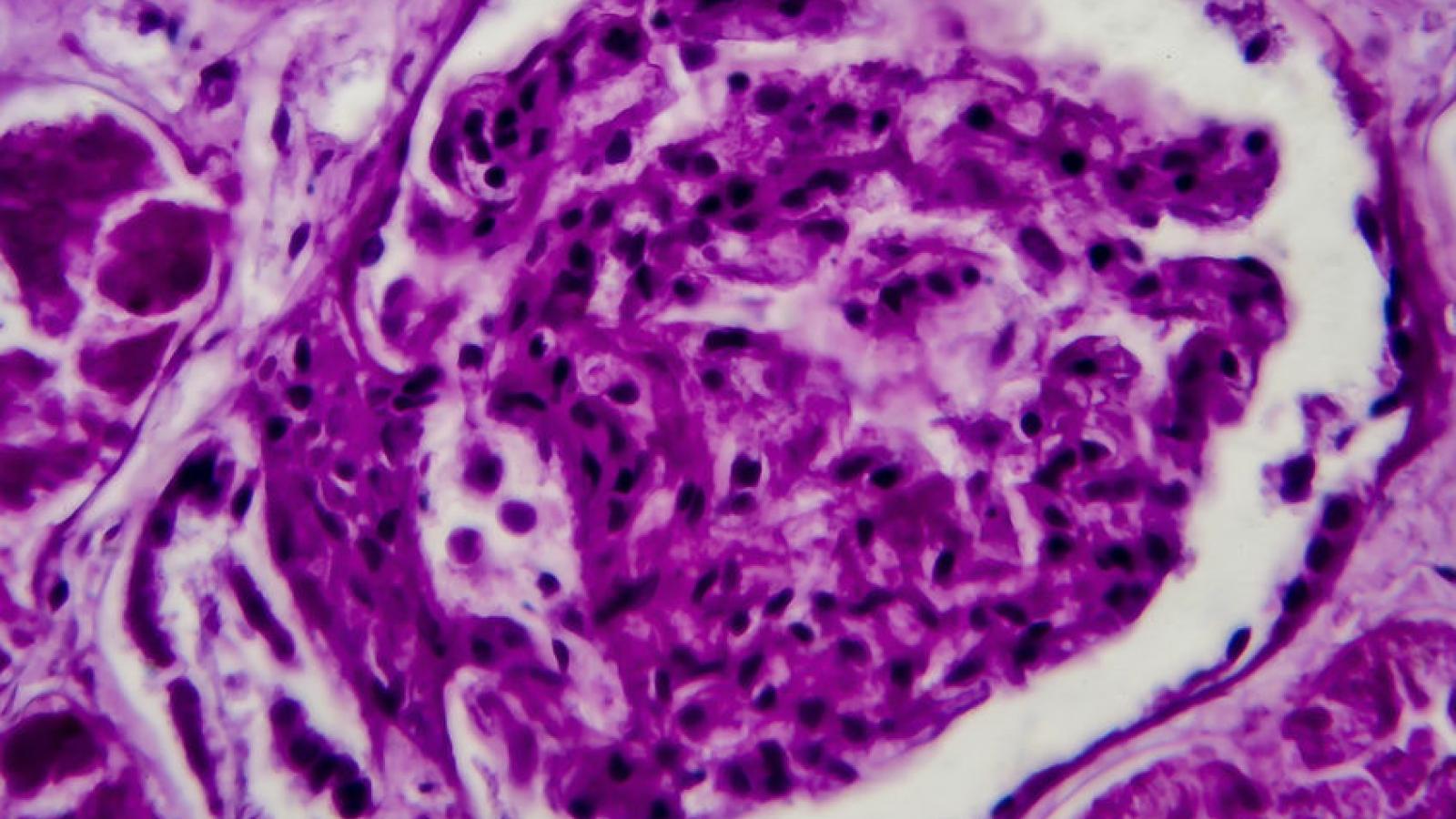
An observational cohort study suggests that proteinuria levels in lupus nephritis (LN) patients did not predict their histologic class.
A multicentre observational study of patients with biopsy-proven LN; either proliferative (PLN) or membranous (MLN) lupus nephritis were compared regarding clinical and laboratory presentation and long-term outcomes. The primary outcome was progression to chronic kidney disease (CKD).

Continuing with the theme of clinical pearls, the PsA and SpA speakers also provided a wealth of information. Here are my five key takeaways and clinical pearls.

One of the first words I was taught by my parents was “chào”. In Vietnamese, you say chào and bow when you greet someone or when you leave as a sign of respect.
In my first blog about self-discovery, I detailed the burnout and why I left clinical practice. In this second blog of the trilogy, I wanted to share encounters with patients as I told them goodbye. While I received great advice when I started practice, no one ever talks about how hard
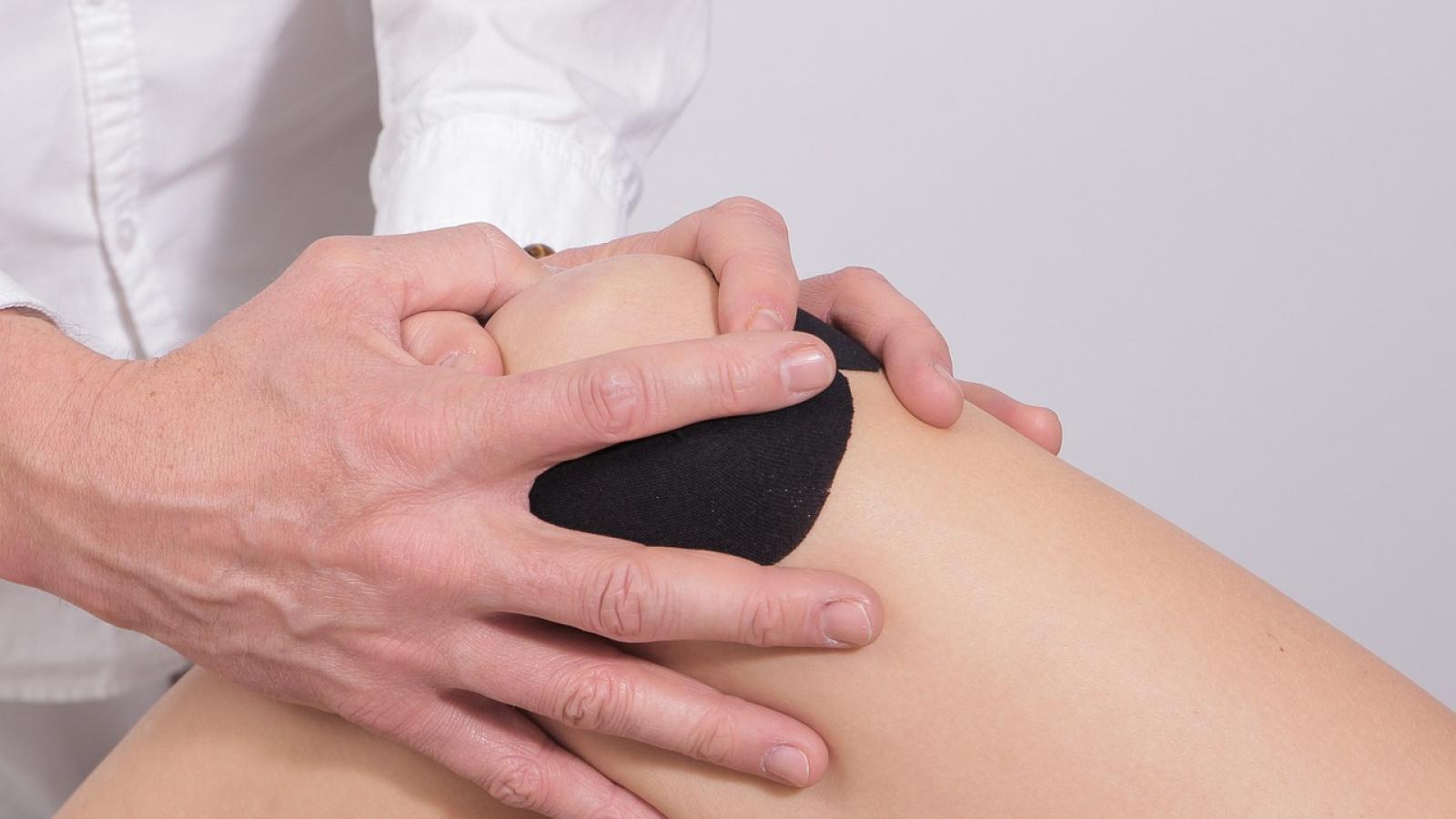
A clinical trial has shown that self-administered acupressure (SAA) is effective in relieving knee osteoarthritis (KOA) patients.
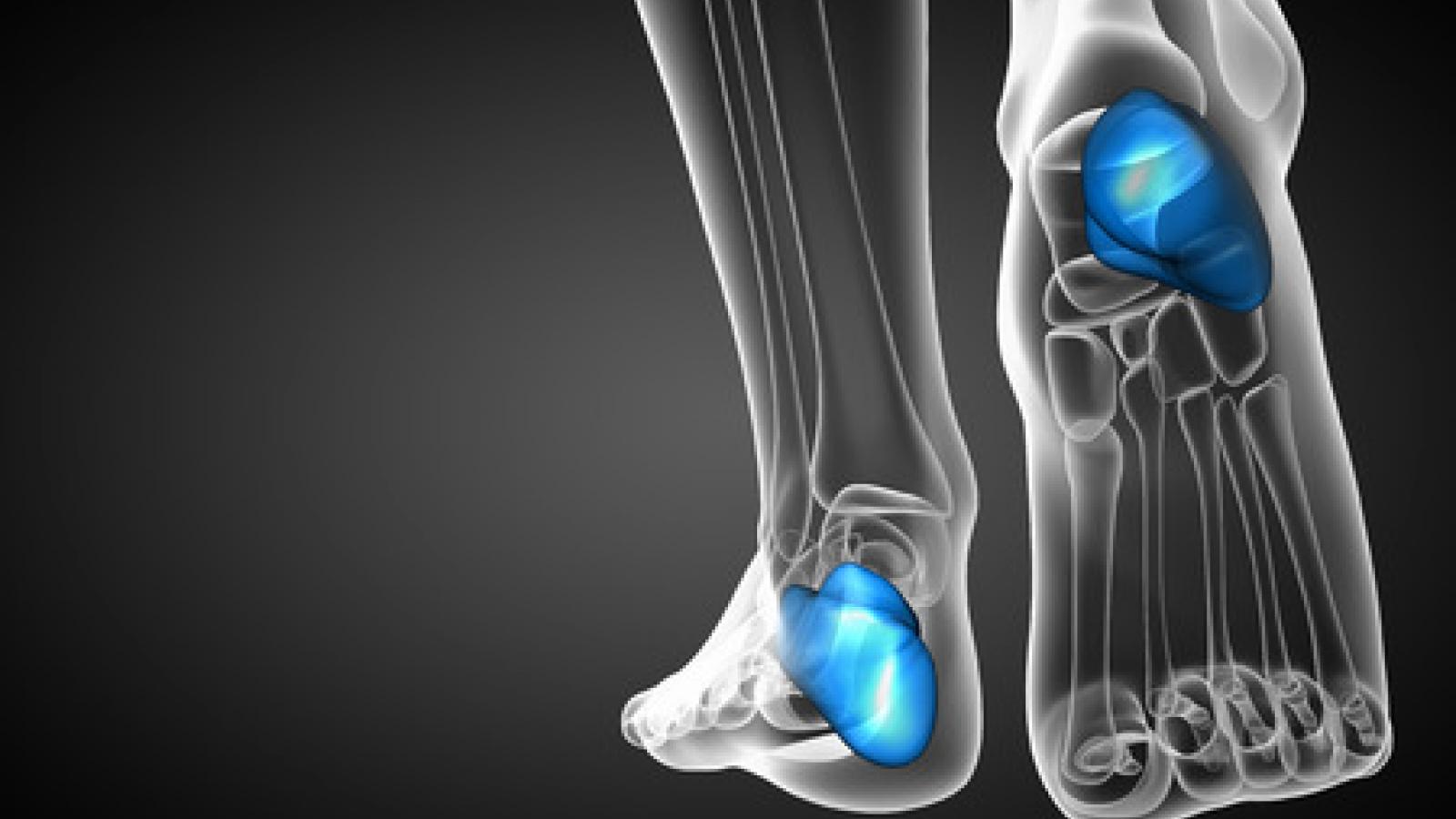
Enthesitis can be a challenge for clinicians to identify, evaluate, and manage in patients with psoriatic arthritis (PsA) and axial spondyloarthritis (axSpA). It affects 27-35% of PsA patients and 36% of axSpA patients. Dr. Lihi Eder discussed the evaluation and treatment of enthesitis at RheumNow Live on January 28, 2024.
Dr. Jack Cush reviews regulatory reports, news and novel journal articles - this week focusing on Sjogren's, ILD, Gout and Uveitis.
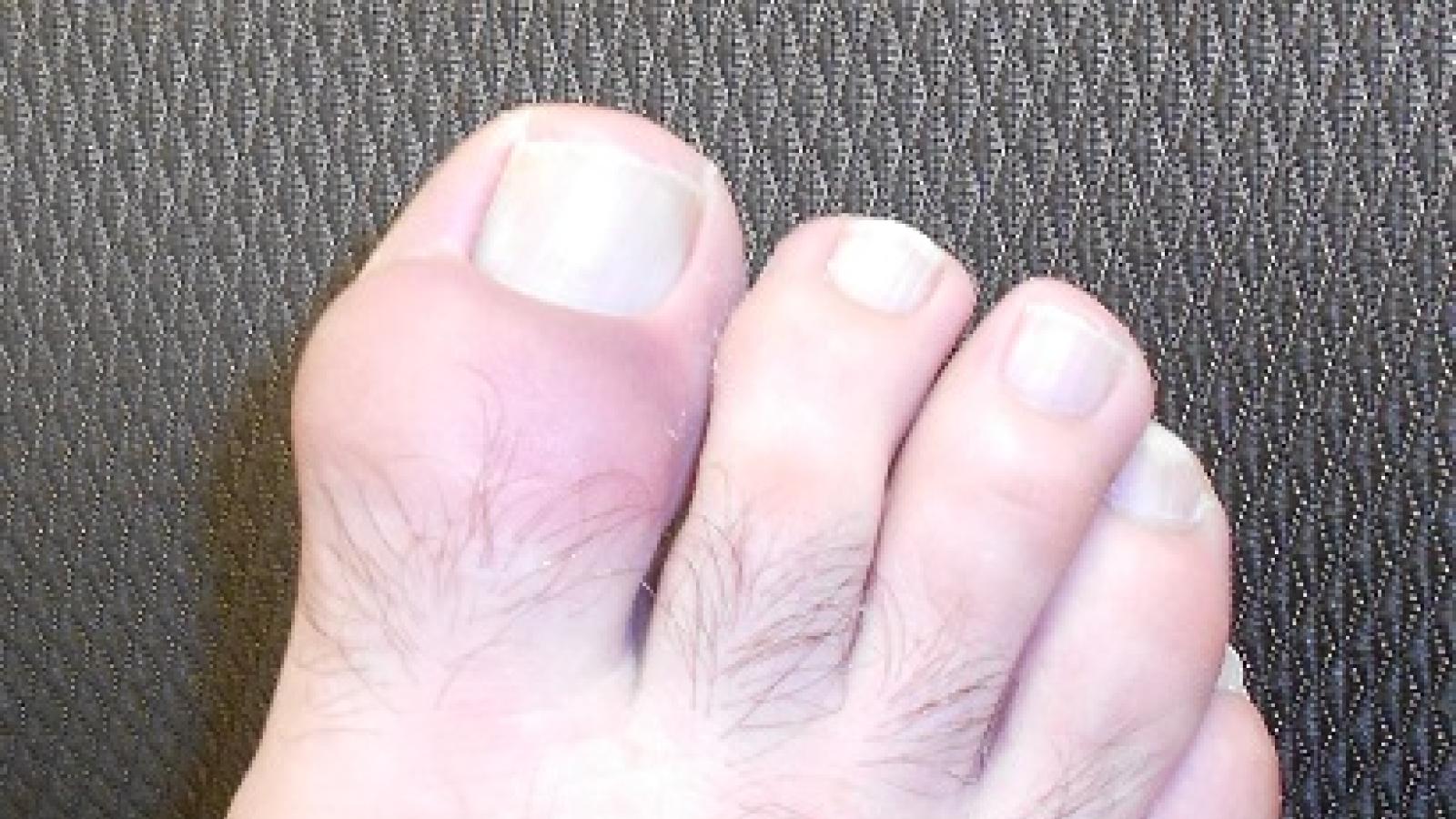
A population-based cohort has demonstrated that sodium-glucose cotransporter-2 inhibitors (SGLT2i) use in gout patients is superior to sulfonylurea therapy in lowering the risk of incident gout and recurrent flares among patients with type 2 diabetes (T2D).

