

Dr. Jack Cush reviews the news and journal reports from the past week on RheumNow.com. Are these associations with infection, biomarkers and weather real or imaginary? Linked or luck? Causal or casual? You decide....
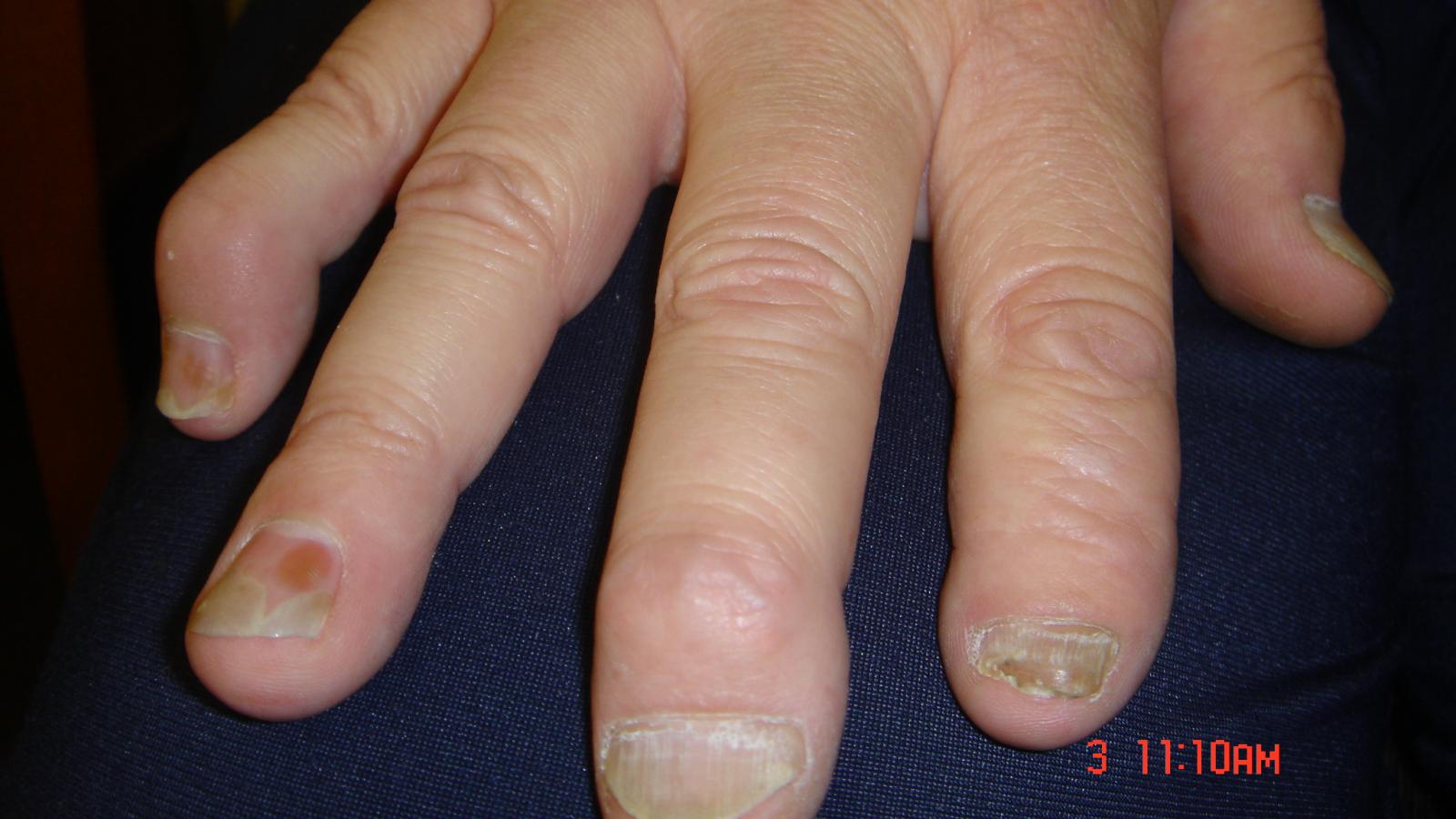
Despite the availability of numerous advanced therapies for psoriatic arthritis (PsA), there remains a substantial burden and unmet need for improved therapies, according to a newly published Canadian study.
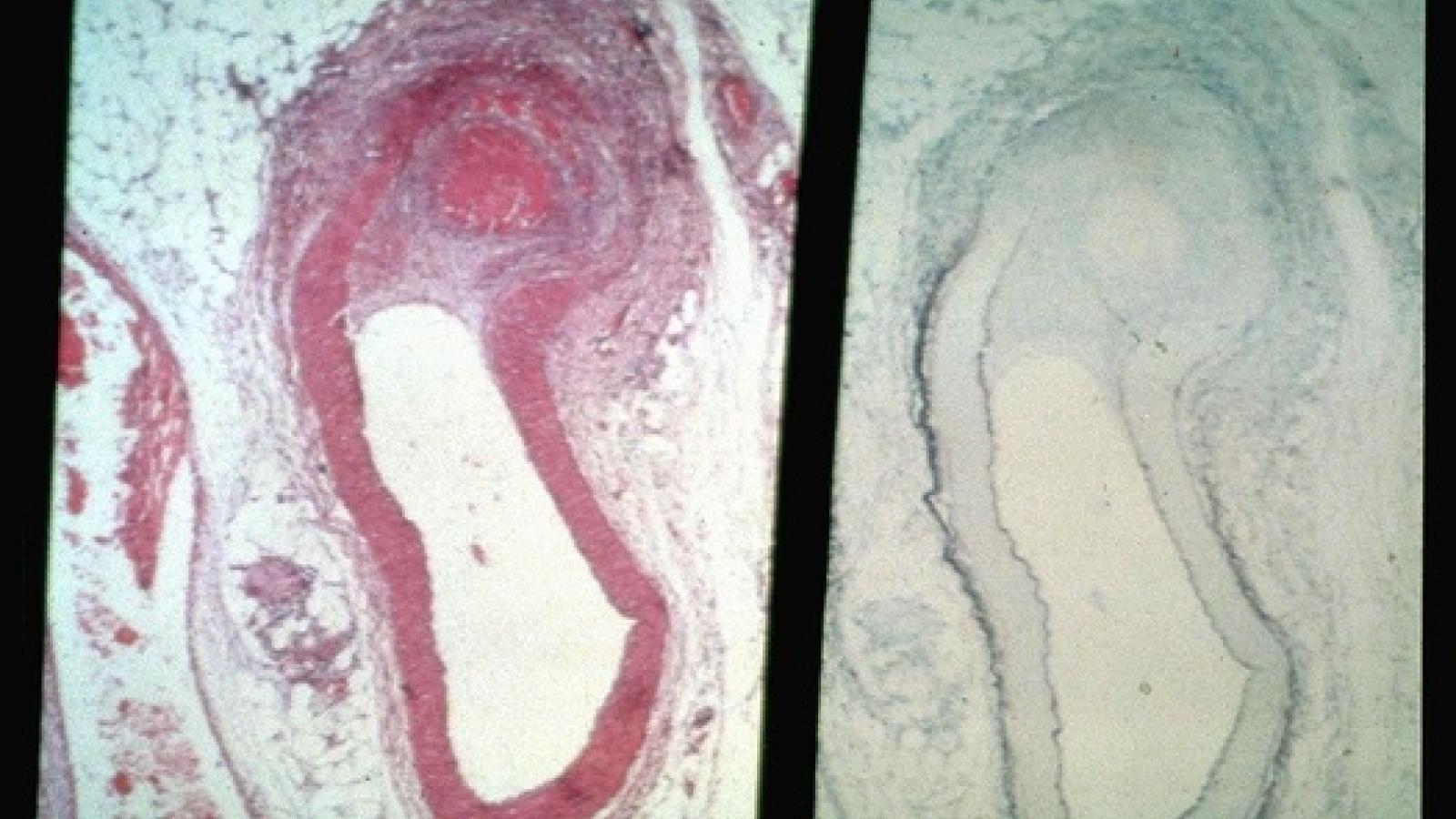
A multinational study of polyarteritis nodosa (PAN) through the international GLOBAL-PAN network shows PAN to be a complex, multisystem disorder with a high risk of relapse and low risk of death (11% at 10 years).

A UK population cohort study has shown that gout carries an increased risk for a wide variety of cardiovascular disorders.
A matched case–control study examined the electronic health records from the UK Clinical Practice Research Datalink and compared gout (one to five) with controls matched for age, sex, socioeconomic status, geographical region, and calendar, to look a the incidence of 12 cardiovascular diseases.
The TARGET (Treatments Against RA and Effect on FDG PET/CT) trial showed that different treatment strategies equally benefited arterial inflammation (by FDG-PET) in rheumatoid arthritis. A subsequent analysis of these patients showed several candidate biomarkers that may correlate with baseline and treatment‐associated changes in arterial inflammation in patients with RA.
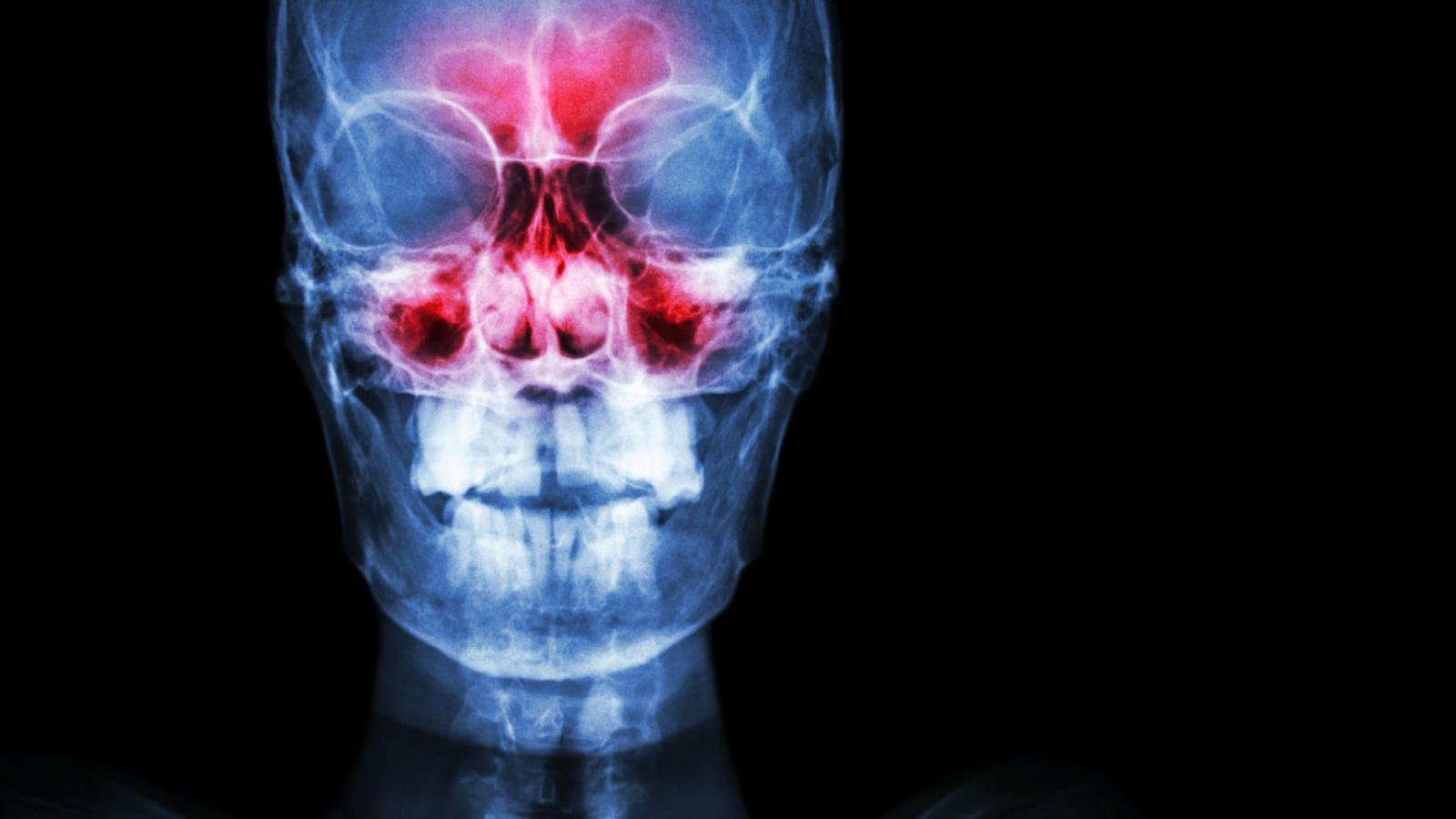
The common inflammatory condition sinusitis is linked to a 40% heightened risk of a subsequent diagnosis of rheumatic disease, particularly in the 5 to 10 years preceding the start of symptoms, finds research published in the open access journal RMD Open.
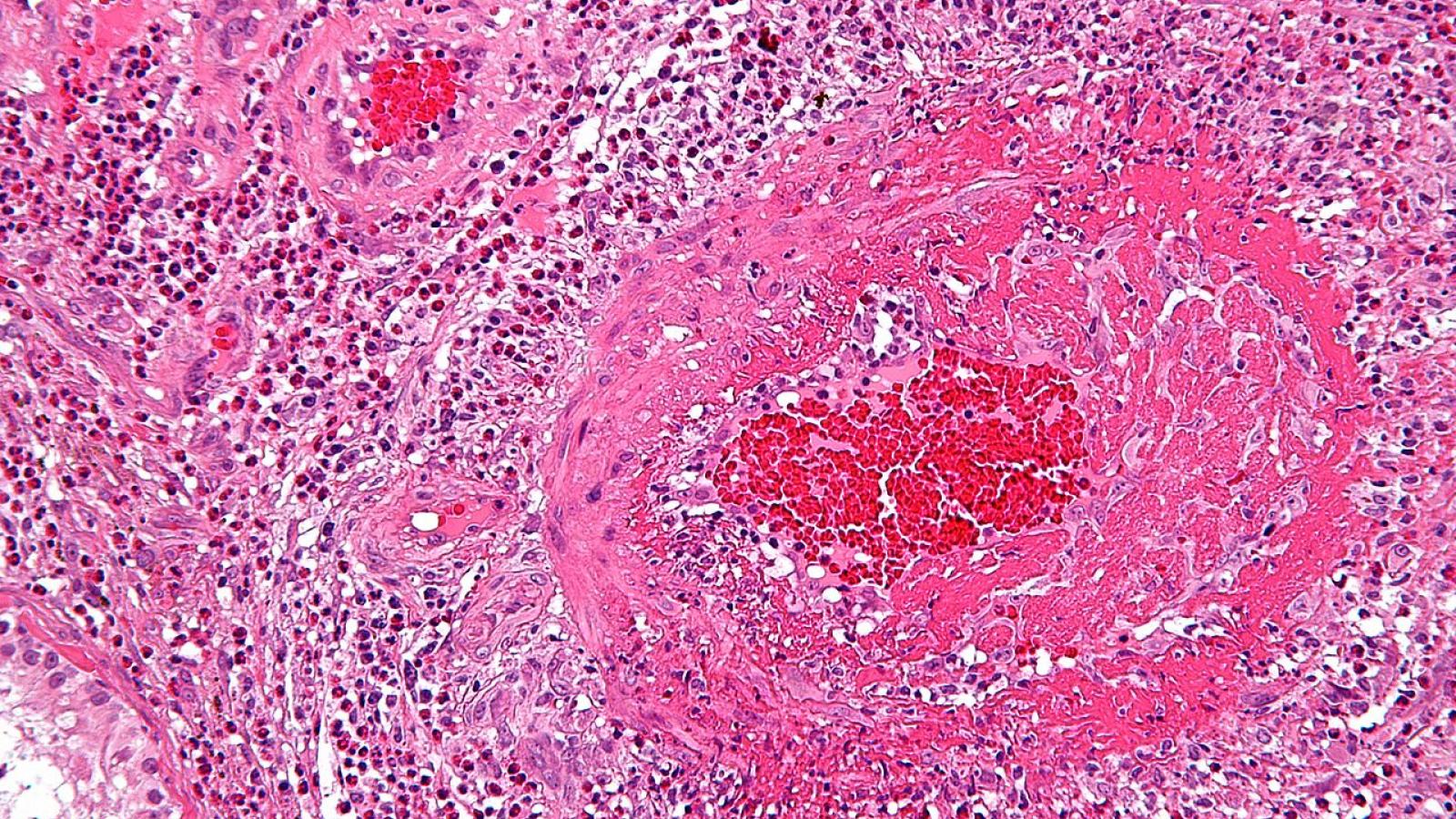
A multicenter, double-blind, phase 3, randomized, active-controlled trial has shown that Benralizumab (BEN) was noninferior to mepolizumab (MEP) for the induction of remission of patients with relapsing or refractory Eosinophilic granulomatosis with polyangiitis (EGPA).
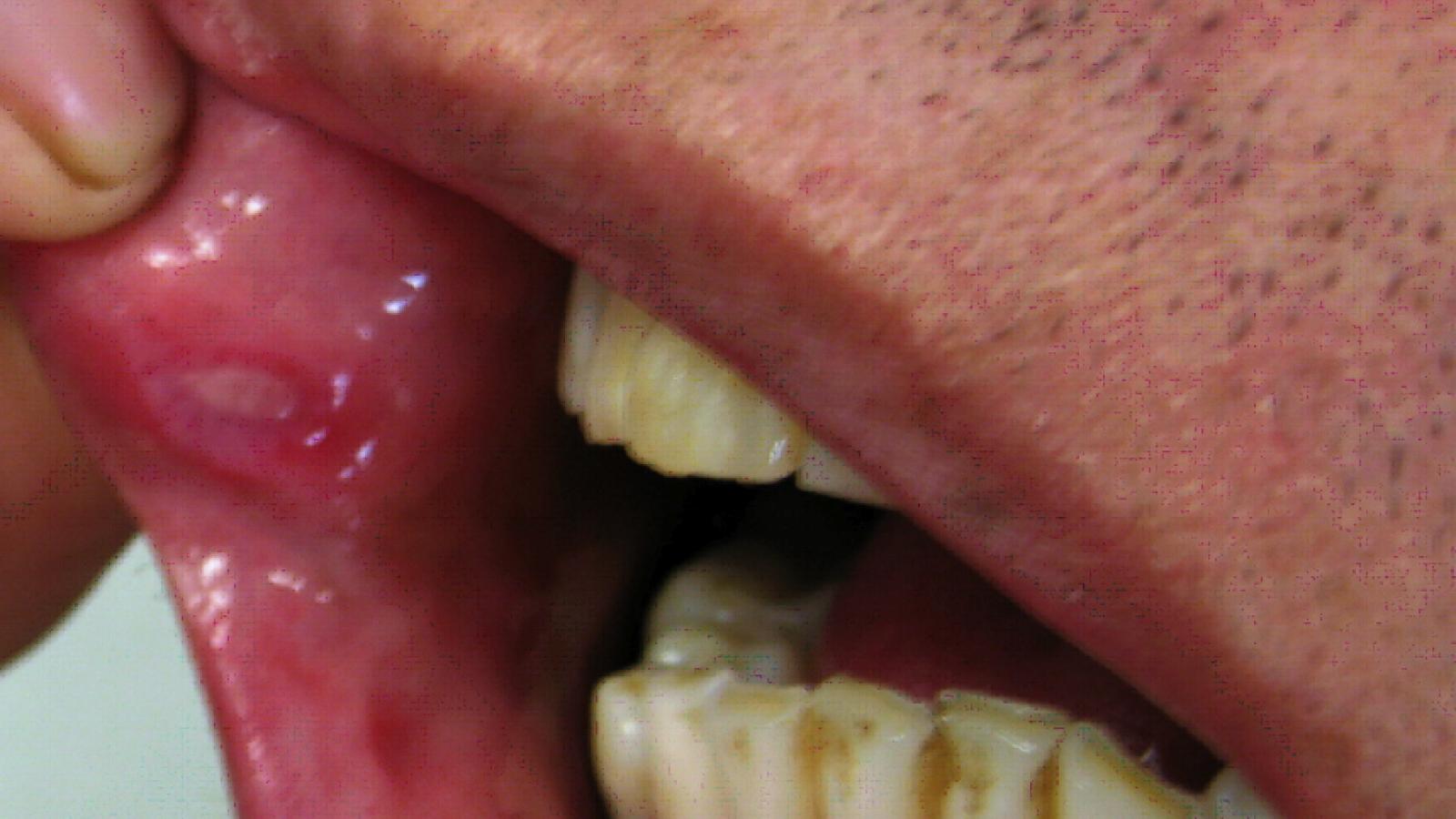
A comprehensive overview of Behcet's syndrome appeared in last week's NEJM, reviewing the numerous advances in the immunogenetics, syndrome recognition, and targeted therapeutic approaches. Despite certain advances, there remains a need for better clinical trials, better diagnostic tools, and biologic treatments to afford better outcomes.
Dr. Jack Cush reviews the news and journal reports from the past 2 weeks on RheumNow.com; but begins with a discussion of what constitutes "immunosuppression" and how it applies to our patients.

There is a longstanding belief that changes in weather conditions, such as impending rain or temperature, can trigger or worsen muscle and joint pain but Australian researchers have found no clear pattern between the two.
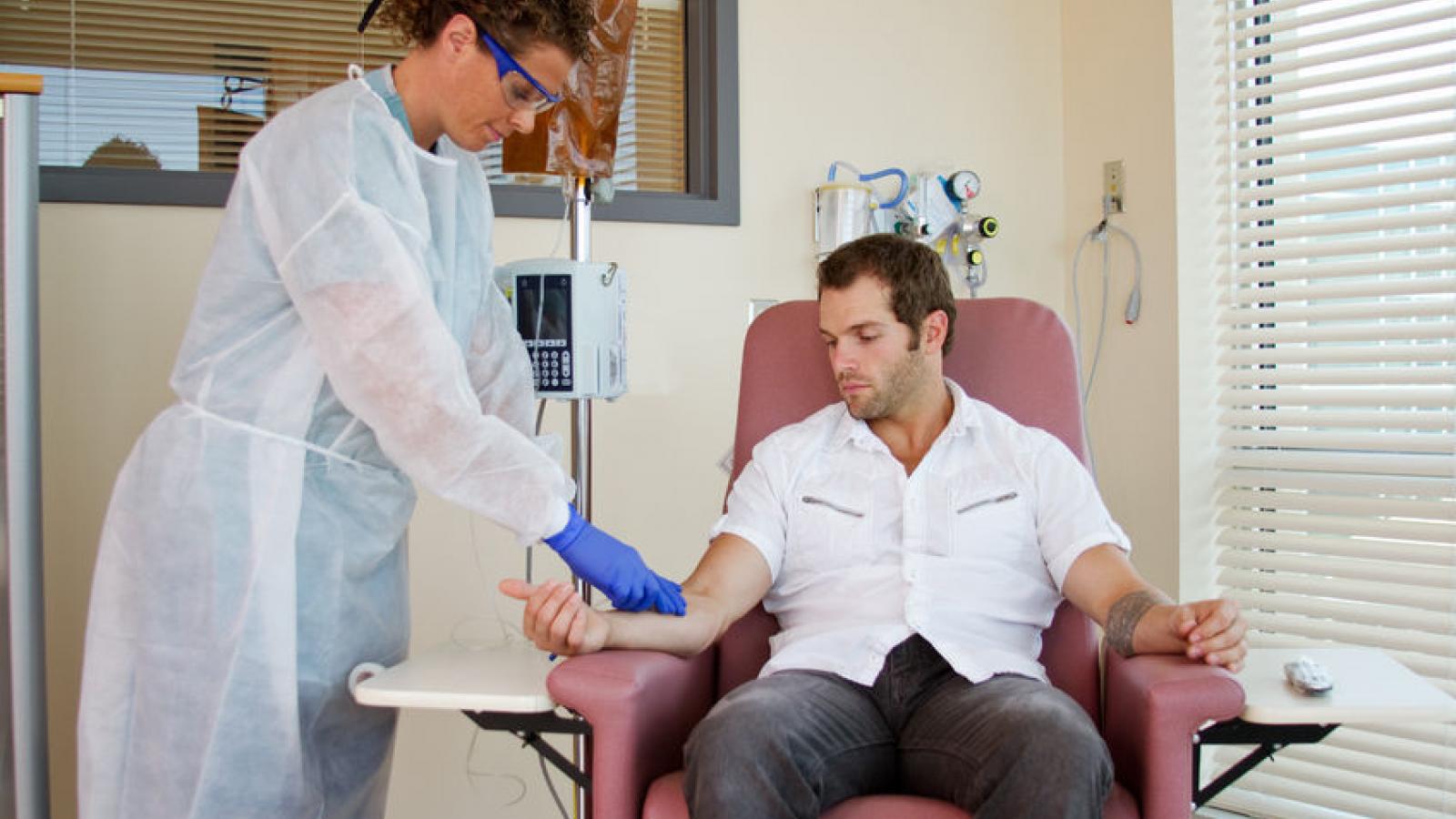
The NEJM has published the results of CD19 B cell depletion (by CAR-T cell therapy) in autoimmune disease patients, demonstrating it to be feasible, safe, and efficacious.
The rationale to CD19 CAR-T cell transfer is to reset aberrant autoimmunity via deep depletion of B cells with the hope of achieving sustained drug-free remission.
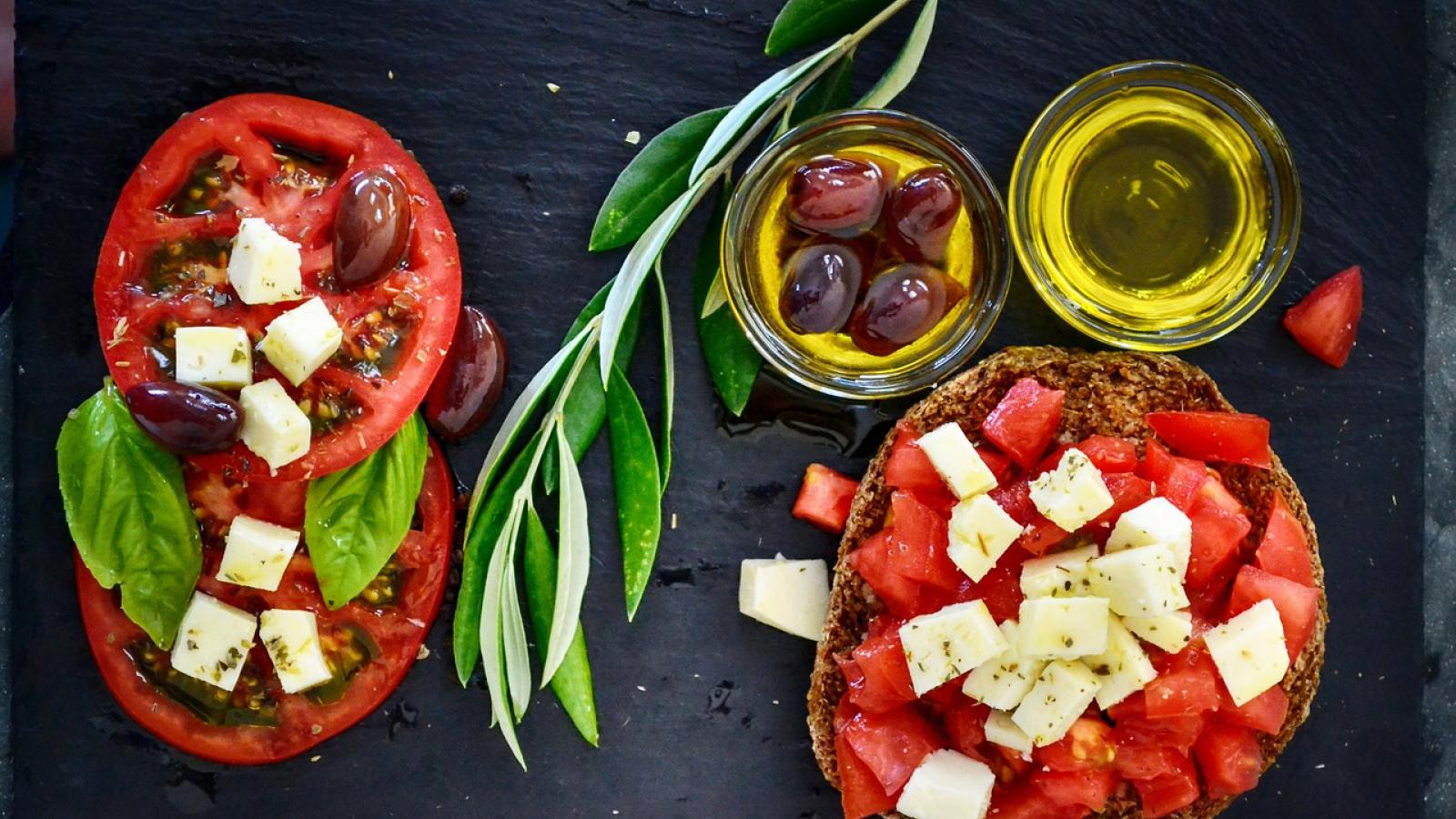
The majority of practicing rheumatologists at RheumNow Live were unaware of the new ACR guidelines issued in 2022 regarding dietary and lifestyle recommendations for patients with Rheumatoid Arthritis. Dr. Monica Guma reviewed these guidelines during her lecture on the impact of diet on disease activity and therapeutic response.
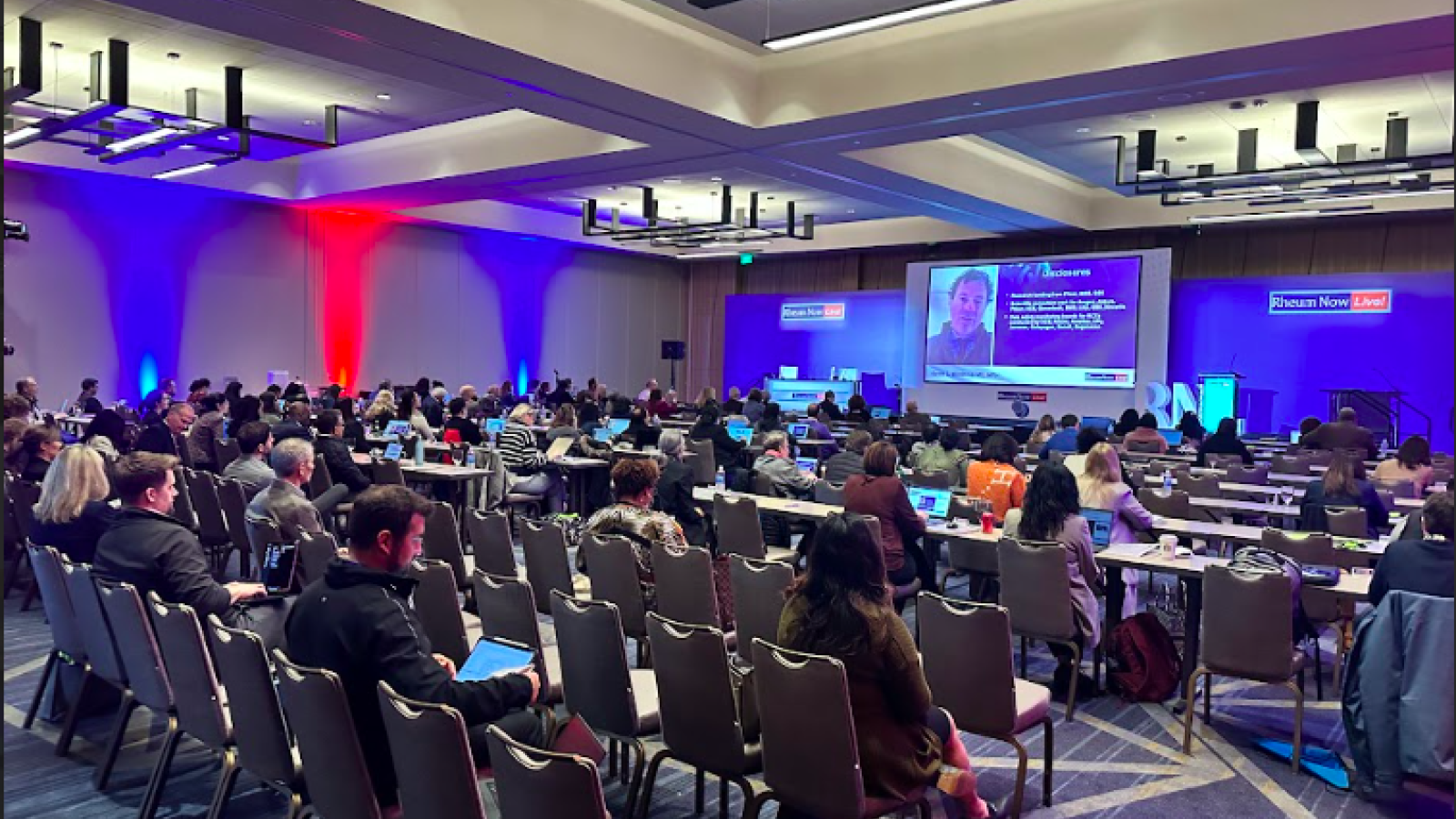
Continuing with the theme of clinical pearls, the PsA and SpA speakers also provided a wealth of information. Here are my five key takeaways and clinical pearls.
The ARIAA trial tested the utility of IV abatacept in individuals ACPA+ arthralgia patients with subclinical inflammation and showed abatacept to decrease MRI inflammation, clinical symptoms, and risk of future rheumatoid arthritis (RA) development.
Is temporal artery ultrasound equivalent or superior to the reference standard of temporal artery biopsy when diagnosing giant cell arteritis (GCA)?

