


B cell Targeted CAR-T Therapy for Autoimmune Diseases Save
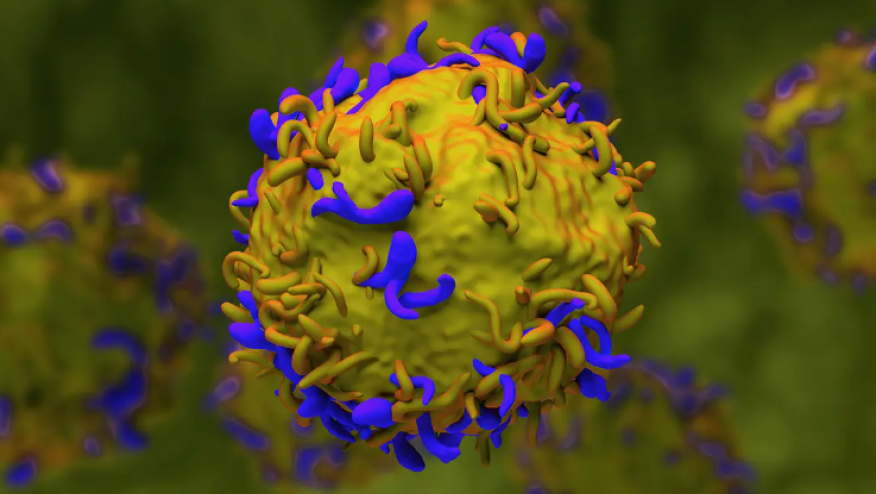
Chimeric antigen receptor T (CAR-T) cell therapy has emerged as a transformative approach in modern medicine, demonstrating remarkable efficacy in targeting pathogenic B-cell lineages with unprecedented specificity. Originally developed for B cell malignancies, this innovative immunotherapy has recently shown extraordinary potential in treating various autoimmune diseases by depleting autoreactive B cells and effectively resetting the immune system. The review by Qi Li and colleagues provides a comprehensive examination of the progression, clinical applications, challenges, and future directions of B cell-targeted CAR-T therapy across multiple autoimmune conditions.
The fundamental principle underlying CAR-T therapy in autoimmune diseases centers on the targeted elimination of B cells that drive pathological autoantibody production and immune dysregulation. Unlike conventional immunosuppressive treatments that broadly dampen immune responses, CAR-T cells offer precision targeting of disease-causing B cell populations while potentially allowing for immune system reconstitution with naive, non-autoreactive B cells. This mechanism represents a paradigm shift from chronic disease management to potential curative intervention.
Systemic lupus erythematosus (SLE) stands as one of the most extensively studied applications of CAR-T therapy in autoimmunity. Clinical evidence demonstrates that CD19-targeted CAR-T cells induce rapid and sustained disease remission in refractory SLE patients. Multiple case series report normalization of disease activity indices, disappearance of anti-double-stranded DNA antibodies, and restoration of complement levels within months following infusion. Notably, patients achieved drug-free remission, with B cells reconstituting as naive populations lacking autoreactive characteristics. The introduction of dual-targeting strategies, such as BCMA-CD19 compound CAR-T cells, addresses both mature B cells and long-lived plasma cells, offering deeper and more durable responses in lupus nephritis and systemic manifestations.
Beyond SLE, CAR-T therapy has demonstrated promising efficacy in systemic sclerosis, where B cells contribute to fibrosis through cytokine production and interactions with fibroblasts. Clinical reports document reversal of skin fibrosis, improvement in pulmonary function, and reduction of autoantibody titers following CD19-targeted treatment. The therapy has also shown remarkable results in idiopathic inflammatory myopathies, including antisynthetase syndrome and immune-mediated necrotizing myopathy, with patients experiencing normalized muscle function and discontinuation of immunosuppressive medications.
Neurological autoimmune diseases represent another frontier for CAR-T applications. In multiple sclerosis, early clinical data indicate reduction of cerebrospinal fluid antibody levels following CD19-targeted therapy. Myasthenia gravis treatment has yielded particularly impressive outcomes, with dual BCMA-CD19 targeting achieving clinical remission and elimination of pathogenic anti-acetylcholine receptor antibodies. The use of mRNA-engineered CAR-T cells (rCAR-T) in myasthenia gravis has demonstrated safety without requiring lymphodepletion conditioning, representing a significant advancement in treatment accessibility.
Rheumatoid arthritis management has also benefited from CAR-T innovation, with fourth-generation CAR-T constructs showing tolerability and efficacy in treatment-resistant cases. The therapy effectively reduces rheumatoid factor antibody titers and improves arthritis symptoms, offering hope for patients who have exhausted conventional therapeutic options.
Despite these encouraging clinical outcomes, several challenges and safety considerations require careful attention. Cytokine release syndrome (CRS) and immune effector cell-associated neurotoxicity syndrome (ICANS) remain the primary adverse events, though these manifestations appear generally milder in autoimmune populations compared to oncology patients. Infectious complications represent another significant concern, particularly given the profound B cell depletion and hypogammaglobulinemia induced by therapy. Long-term monitoring for secondary malignancies and the durability of therapeutic responses necessitates extended follow-up periods beyond current available data.
Manufacturing complexities and cost considerations present substantial barriers to widespread clinical implementation. Current autologous production processes are time-consuming and expensive, prompting development of allogeneic "off-the-shelf" CAR-T products utilizing gene-editing technologies to prevent graft-versus-host disease. These universal CAR-T cells have shown preliminary efficacy in severe systemic sclerosis and myositis, potentially democratizing access to this advanced therapy.
Future directions encompass several innovative strategies aimed at enhancing safety and efficacy. Switchable CAR-T systems employing adapter molecules enable controllable activation and termination of therapeutic responses. Suicide gene integration provides emergency safety switches for adverse event management. Regulatory CAR-T cells offer alternative approaches that suppress rather than eliminate autoreactive immune populations. Additionally, in vivo CAR-T generation techniques may eliminate ex vivo manufacturing requirements entirely.
The convergence of enhanced understanding of autoimmune pathogenesis with advanced cellular engineering positions B cell-targeted CAR-T therapy at the forefront of precision medicine in rheumatology and clinical immunology. While current data derive primarily from small case series and early-phase trials, the consistency of therapeutic responses across diverse autoimmune conditions suggests a fundamental mechanism of immune reset achievable through targeted B cell depletion. As larger randomized controlled trials mature and manufacturing processes optimize, CAR-T therapy may transition from experimental intervention to standard-of-care for severe, refractory autoimmune diseases, fundamentally altering the therapeutic landscape for millions of patients worldwide.
Continue Reading
ADD THE FIRST COMMENT
Disclosures
Disclosures
The author has no conflicts of interest to disclose related to this subject





If you are a health practitioner, you may Login/Register to comment.
Due to the nature of these comment forums, only health practitioners are allowed to comment at this time.