Lupus Nephritis
Sponsored by RheumNow

Search for Terms or Answers
Estrogen-only menopausal hormone therapy was associated with a slightly higher incidence of autoimmune disease compared with estrogen-progestogen therapy, a retrospective cohort study suggested.

Toyoda and colleagues from the British Society for Rheumatology have published new PMR treatment guidelines to supercede the previously published 2009 BSR/BHPR PMR guidelines. These guidelines emphasize earlier specialist input, methotrexate as an option, and bone protection for all PMR patients


A French study has shown that rituximab is more effective than azathioprine at maintaining remission in patients with eosinophilic granulomatosis with polyangiitis (EGPA) on chronic prednisone.
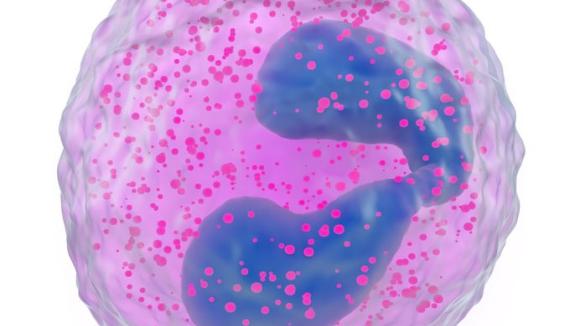

Professor van Vollenhoven has compiled a state-of-the-art review on lupus treatment advances – current and future. SLE management is entering an unprecedented phase.

Most patients with rheumatoid arthritis (RA) whose initial treatment used a stringent treat-to-target strategy in a clinical trial were in remission 10 years later, with only modest radiographic progression over that time, researchers said.


Systemic sclerosis (SSc) may have overlap features such as myositis. When present, myositis in SSc is associated with an increased risk of cardiac involvement and a shift in mortality away from ILD towards a greater cardiac risk.


A new Frontiers in Immunology review from Ong, Wincup and colleagues, shows that lupus arthropathy is not a single uniform entity and it is biologically under-studied and clinically mismeasured, Moreover, the biology of lupus arthritis may shed light on choosing the best therapy for MSK


Dr. Jack Cush reviews this week's news from RheumNow.com, including: placebo trumps controversial therapies, the dynamics of disease activity, fuse the big toe, and patients don’t appreciate being told “it's all in your head”!

There's this low grade buzz from some rheumatologists about the potential analgesic benefits of low dose naltrexone. I haven't used it. Should you?

In honor of World Arthritis Day (Oct. 12th), The Lancet has published a public Health Policy report is to "outline a globally relevant roadmap to address the osteoarthritis identity problem, focusing on health policy responses."

Avacopan (Tavneos), the complement pathway inhibitor for antineutrophil cytoplasmic antibody (ANCA)-associated vasculitis (AAV), appeared strongly effective in an Italian registry study -- a step, maybe, toward setting to rest questions about its efficacy, if not its safety.

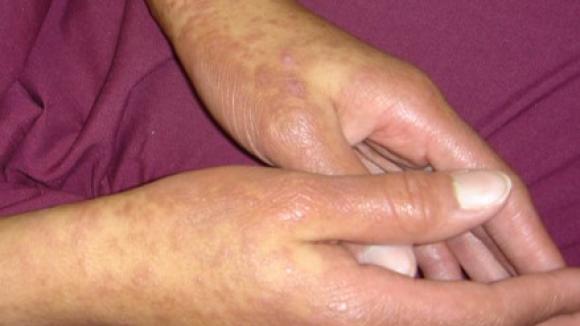
After years of inactivity, therapeutic development for dermatomyositis has begun to move forward with several new therapies and therapeutic strategies.
"This is a very exciting time for the field because we're finally going to get some new treatments, and I think it will be helpful in
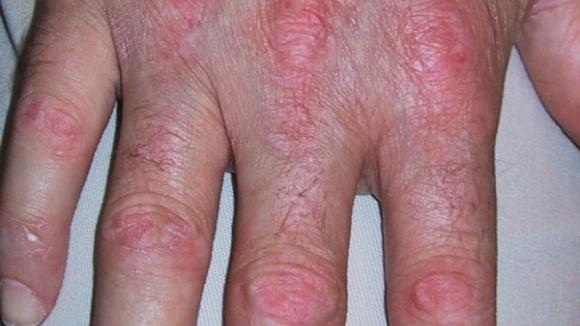

Close to 90% of patients with rheumatoid arthritis (RA) well controlled on targeted therapies were able to take 50% dosage reductions without experiencing worsened disease activity in a randomized trial, South Korean researchers said.

A randomized clinical trial in inflammatory arthritis arthritis shows that temporarily holding biologic or Janus kinase (JAK) inhibitor therapy at the time of COVID-19 vaccination is not warranted.



By downloading this material, I acknowledge that it may be used only for personal use and personal education and that I will accredit RheumNow.com as the source and owner of this material. Commercial use or mass reproduction of this material without permission from RheumNow (info@rheumnow.com) is prohibited.