



Efgartigimod: A New Mechanism for Myositis? Save


Abstracts come and go, but new trials and new mechanisms stay with us for the long haul. One of the more interesting new mechanisms is the FcRn drugs, and at ACR Convergence 2026 we got to see positive results from the Phase 3 ALKIVIA trial for efgartigimod.
Efgartigimod is a human IgG1 antibody Fc fragment that binds FcRn. The idea is that this reduces IgG antibodies by impairing recycling and increasing lysosomal degradation. For antibody-mediated diseases, this is kind of a mix between B cell depletion and plasma exchange? It is a peculiar idea, but apparently one that works!
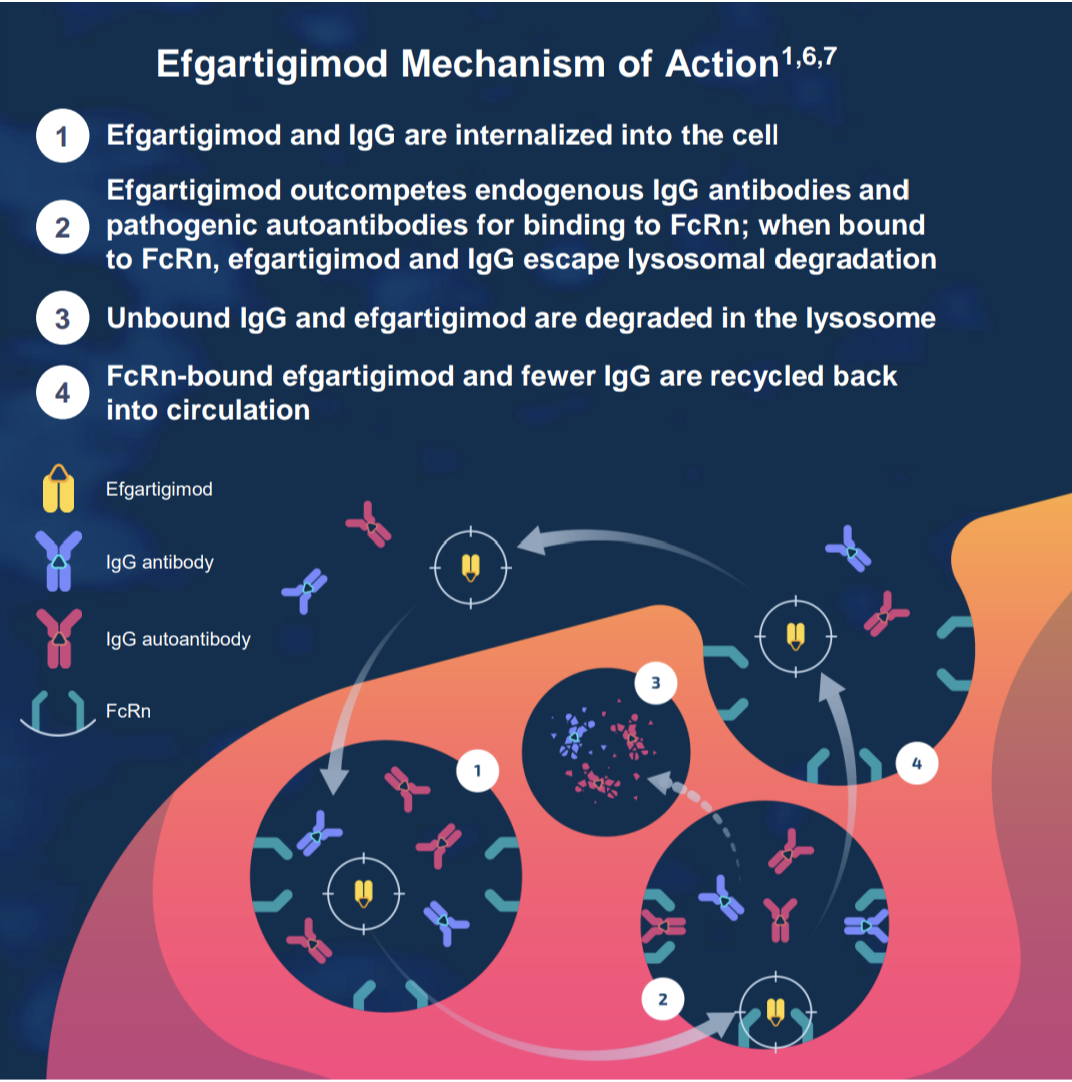
Figure 1: Reproduced from Efgartigimod PH20 SC Reduces Total Immunoglobulin G and Myositis-Specific Autoantibodies in Adults With Active Idiopathic Inflammatory Myopathy: phase 2 data from ALKIVIA, ACR Convergence; November 6-11, 2026.
Late Breaker 24 described the results of the ALKIVIA study, a phase 3 randomized controlled trial for patients with immune-mediated necrotizing myopathy (IMNM), dermatomyositis, or polymyositis. Patients were randomized to receive efgartigimod or placebo in addition to background therapy and followed for 52 weeks. The primary endpoint was the total improvement score, which is the current standard of care for myositis trials. This will be familiar for those who read the PRODERM and VALOR studies, which both met this endpoint and established IVIG and brepocitinib, respectively, as FDA-approved therapies for myositis.
ALKIVIA randomized 175 participants; the majority were IMNM or dermatomyositis. At week 52, the difference in total improvement score was better for those who received FcRn by about 15 points; this persisted for IMNM but was not statistically significant for dermatomyositis. It was directionally the same, however, and I would largely disregard this as the kind of statistical noise you see when you do subgroup analyses with smaller sample sizes.
More important for me are the kinds of things I can tell my patients — how many people got moderately better?
A moderate total improvement score is defined by a change of ≥40; the delta in ALKIVIA was 22 points for IMNM and 27 points for dermatomyositis, so roughly one out of every four people had a meaningful improvement in their strength. Patient global scores, skin scores, and CK values were all significantly better among patients who received efgartigimod.
Overall, I think this was a big win, though there was a 7% higher rate of serious adverse events among those who received the drug, which was largely driven by an increase in serious infections of 5%, and half of those on drug had an injection site reaction.
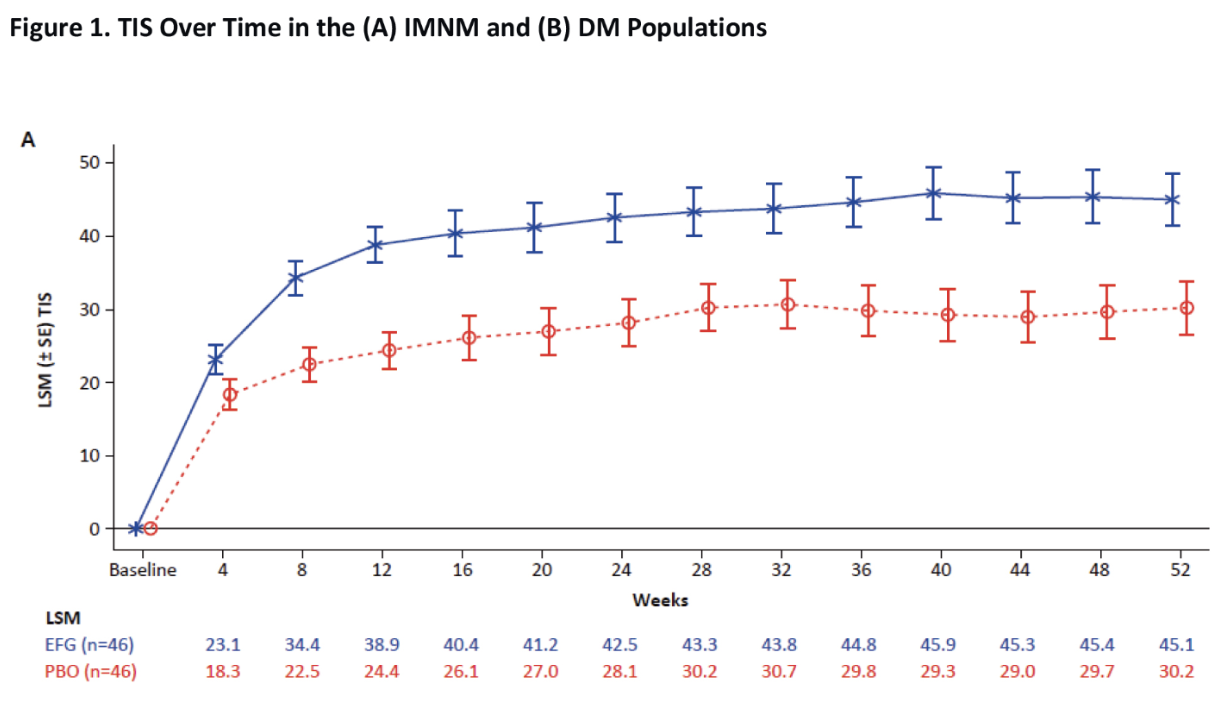
Figure 2: Reproduced from Efgartigimod PH20 SC in adults with idiopathic inflammatory myopathy: results from the phase 3 randomized placebo-controlled ALKIVIA trial. American College of Rheumatology Convergence, November 11, 2026
The biggest question at this point is how to decide which patients should receive which therapies.
- ALKIVIA actually included patients with immune-mediated necrotizing myopathies. Such patients were excluded from both PRODERM and the VALOR studies and often have a highly refractory phenotype.
- ALLKIVIA did not tell us much yet about lung disease, and I would be curious to have a more granular view of skin outcomes.
- Both IVIG and brepocitinib have relatively high price tags; I am assuming FcRn will follow suit, but that is currently unknown.
Regardless of these and other unanswered questions, it is exciting to see new therapies coming to myositis.
More ACR Coverage:
Related Content
Dr. Janet Pope reports on myositis data being presented at ACR Convergence 26
RheumNow expert faculty highlights key abstracts, emerging research, and clinical insights from the day's sessions, offering perspective on what these findings may mean for rheumatology practice. Faculty: Drs. Mike Putman, Janet Pope, Akhil Sood, David Liew, and Daric Mueller, PA-C.
Today Argenx announced the results of their Phase 3 "ALKIVIA" study; demonstrating efficacy and safety of subcutaneous efgartigimod for Idiopathic Inflammatory Myopathy (IIM, AKA inflammatory myositis).



If you are a health practitioner, you may Login/Register to comment.
Due to the nature of these comment forums, only health practitioners are allowed to comment at this time.