


Exploring Idiopathic Myopathies Save

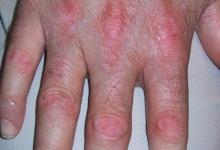
Idiopathic inflammatory myopathies (IIM) are a heterogenous group of autoimmune conditions with substantial morbidity. EULAR – The European Alliance of Associations for Rheumatology – in collaboration with the American College of Rheumatology (ACR) introduced classification criteria for the major subgroups in 2017,1 but there is a need for contemporary real-world data to understand the burden – and well as new ways of assessing disease activity.
There is a lack of recent, population-based epidemiology for IIM, particularly at the level of individual IIM subtypes. A group from the United Kingdom aimed to provide a detailed, largescale, epidemiological assessment across the three main IIM subtypes and by sociodemographic groups. A total of 4,105 people were identified with dermatomyositis, inclusion body myositis, or other IIM. Of those classified as other IIM, more than half had polymyositis. Over the 19-year study period, the incidence of all three subtypes increased substantially. While crude incidence increased over time, age-standardised rates were broadly stable, indicating that demographic changes such as an aging population could be the likely drivers, rather than a true increase in disease occurrence. Across the life course there were distinct differences by sex, with female patients having a greater incidence of dermatomyositis and other IIM, whereas males had more inclusion body myositis.
In the adjusted models there were distinct risk differences for the subtypes across ethnic groups. Those of South Asian, black, and unknown ethnicity had greater incidence of dermatomyositis compared to those of white ethnicity. The risk of having the other IIM subtype also differed substantially across ethnic groups, with those of South Asian, black, and mixed ethnic groups having greater risk compared to those of white ethnicity. The recorded incidence of inclusion body myositis was lower in the most versus least deprived – but it is not clear if these patterns reflect true differences, or an unequal chance of detection and access to care. Further research is needed to understand the differences and to identify any barriers for diagnosis and management.
Speaking at the EULAR 2026 Congress in London, Patrick Gordon said “This is one of the first population-based studies to characterise the epidemiology of IIM subtypes across key sociodemographic groups. Our findings indicate that subtypes differ in incidence – particularly by sex and ethnicity – providing much-needed insight into these conditions across the lifespan and among diverse populations.”
Current disease activity assessment in IIM relies on serum muscle enzymes and acute-phase reactants such as ESR and CRP but these do not correlate perfectly with clinical status. Another option is nailfold videocapillaroscopy (NVC), which can directly visualise microvascular inflammation – but its use as an activity biomarker remains unexplored. To address this, the CapIAMI group have developed a standardised, automated quantitative NVC model to predict IIM EULAR disease activity, and have shared data about its discriminative performance compared to conventional laboratory biomarkers such as lactate dehydrogenase (LDH) or C-reactive protein. Five predictive models were developed: combined NVC plus laboratory findings, NVC alone, laboratory alone, capillary density, and LDH values.
The combined NVC plus laboratory model achieved the highest discriminative capacity, significantly outperforming all alternative approaches, with sensitivity of 60.2% and specificity of 83.3%. Critically, the NVC-only model was significantly superior to laboratory alone, establishing that quantitative microvascular assessment captures disease activity information independent of, and superior to, systemic inflammatory and muscle enzyme markers. Both the capillary density and LDH single-parameter models performed significantly worse. Multivariable logistic regression analysis revealed that NVC parameters emerged as the dominant independent predictors. Cutolo pattern and percentage normal capillaries had the strongest associations. Conversely, traditional biomarkers contributed minimal independent information.
These new findings suggest that automated quantitative NVC provides superior discrimination of IIM disease activity compared to standard serum biomarkers. With a positive predictive value of 91.4%, quantitative NVC effectively "rules in" active disease, supporting confident treatment intensification even when enzymes are equivocal. The authors argue these findings advocate for a paradigm shift toward integrating automated microvascular imaging into routine IIM monitoring algorithms.
Source
Gordon P, et al. Idiopathic inflammatory myopathies subtypes have clear epidemiological differences across sex and ethnicity subgroups: A population-based cohort in England, 2002- 2021. Presented at EULAR 2026; POS0262. Ann Rheum Dis 2026; DOI: 10.1136/annrheumdis2026-eular.B.263.
Álvarez Troncoso J, et al. Quantitative Nailfold Videocapillaroscopy Outperforms Muscle Enzymes for Assessing Disease Activity in Inflammatory Myopathies. Presented at EULAR 2026; OP0168. Ann Rheum Dis 2026; DOI: 10.1136/annrheumdis-2026-eular.B.3165.
References
1. Lundberg IE, et al. EULAR/ACR Classification Criteria for Adult and Juvenile Idiopathic Inflammatory Myopathies and their Major Subgroups. Ann Rheum Dis 2017;76(12):1955–64. DOI: 10.1136/annrheumdis-2017-211468.




If you are a health practitioner, you may Login/Register to comment.
Due to the nature of these comment forums, only health practitioners are allowed to comment at this time.