Sleep Apnea Raises Gout Risk
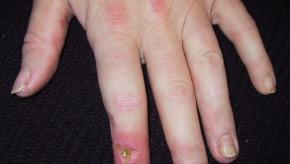
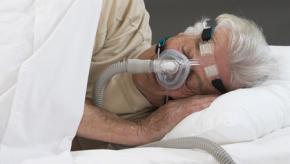
Patients with obstructive sleep apnea were at increased risk for incident gout, particularly in the first years after the sleep apnea diagnosis, U.K. researchers reported.

Search for Terms or Answers
Patients with obstructive sleep apnea were at increased risk for incident gout, particularly in the first years after the sleep apnea diagnosis, U.K. researchers reported.
The British Society of Rheumatology has produced a set of NICE accredited guidelines for the use of biologic therapies in patients with inflammatory arthritis.
Inflammmation is a strong risk factor for malignancy. Yet there are mixed results on whether patients with psoriatic arthritis (PsAg) augments the incidence of cancer and all-cause and cause-mortality.
The European League Against Rheumatism (EULAR) has previously put forth recommendations for management of hand osteoarthritis (OA) in 2007. But since then, advances and further evidence have emerged.
Pregnancy and drug safety is a complex issue, often with limited informatoin about maternal drug exposure on the offspring. Greater uncertainty exists when considering whether paternal exposure may also influence fetal outcomes.
The efficacy and safety of the new zoster vaccine Shingrix has not been established among patients with autoimmune diseases, researchers reported here.
The current issue of the CDC's MMWR reviews the new seasonal recommendations for vaccination against influenza. This is an update to the previous recommendations of the Advisory Committee on Immunization Practices (ACIP).
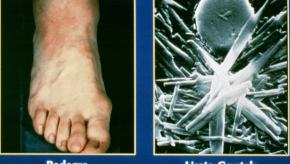
Dalbeth and colleagues studied 4 large prospective cohorts and found that rising levels of serum uric acid (SUA) leads to a non-linear increased risk of incident gout, but only half of those with SUA ≥10mg/dL developed clinically evident gout.
Dr. Jack Cush comments on the last week's news and journal highlights on RheumNow.com.
A large Canadian study of the drug use in ankylosing spondylitis (AS) demonstrated no evidence that the risk of serious, hospitalized infection was influenced by the use of DMARD and/or of tumour necrosis factor inhibitors (TNFi) therapy.
A study of inpatient systemic sclerosis (SSc) hospitalizations using the 2012–13 National Inpatient Sample database finds an inpatient mortality rate of 5%, and that infection was the most common cause of SSc hospitalizations and in-hospital death.
It has been postulated that TH1 and TH17 pathways are implicated in the pathogenesis of giant cell arteritis (GCA); this is supported by new research showing that interleukin 12 (IL-12) and interleukin 23 (IL-23) may stimulate inflammatory and proliferative pathways relevant to the path
By downloading this material, I acknowledge that it may be used only for personal use and personal education and that I will accredit RheumNow.com as the source and owner of this material. Commercial use or mass reproduction of this material without permission from RheumNow (info@rheumnow.com) is prohibited.