

Management of Relapses After CAR-T Therapy in SLE, SSc and IIM Save
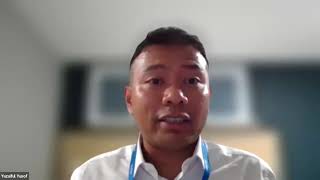
Dr. Yuz Yusof reviews abstract OP076 presented in London at the EULAR 2026 Congress.
Transcription
Hello everyone. My name is Yusuf. I am associate professor and consultant rheumatologist in Leeds. I'm reporting for RheumNow at the 2026 EULAR Congress in London, United Kingdom. Today I would like to discuss an abstract titled OP076. This abstract is about reporting the frequency of relapses after CAR T-cell therapy in autoimmunity and also how to manage these relapses.
As we may already be aware, back in 2021 the first patient with SLE was treated with autologous CD19 CAR T, and the result was presented the year after — that the patient was in drug-free remission. So we were optimistic about the study initially, that this may be a really dramatic change in the treatment paradigm for lupus.
Fast forward five years onwards, we now note some reports, some small cases, that patients had relapse — particularly patients with inflammatory myopathies. So in this study there were 50 patients that were treated originally at Erlangen using autologous CD19 CAR T-cell therapy. The majority of them were patients with systemic lupus erythematosus, followed by systemic sclerosis and also autoimmune myopathies.
So in this longer-term data, up to over four years of follow-up, they reported the frequency of relapses at about six out of 50 patients, amounting to 12%. The relapses were mostly from patients with autoimmune myositis — particularly with antisynthetase syndrome, three of them — two patients with systemic sclerosis relapsed, and also one patient with lupus relapsed. And when we're talking about these relapses, they were not minor relapses; they were significant. For example, the patient with lupus had new-onset transverse myelitis and also cutaneous lupus, whereas some other patients with antisynthetase syndrome had relapse of myositis and also interstitial lung disease. So these are really severe relapses.
And what they did in this cohort was that they were treated predominantly with autologous BCMA CAR T-cell therapies, and also two of the patients with systemic sclerosis were treated with BCMA T-cell engagers, and these patients responded to all these therapies.
So really the questions we are wanting to discuss in this video are: one, we thought that CAR T-cell therapy was going to be a permanent solution — unfortunately this is not the case, particularly in the field of autoimmune diseases. Secondly, the success of treatment with BCMA therapies might pose the question of whether BCMA should be targeted at the first instance as the antigen in CAR T-cell therapies. And thirdly, these patients have had to go through the process of CAR T-cell therapy in the beginning, and then with a median time to relapse of 13 months subsequently had to go through different therapies which are more intensive. We also have to pay attention in terms of safety profile, particularly long-term reduction in IGG levels and infections.
So only time will tell. I hope you found my video summary interesting about this progress. Follow RheumNow on the social media outlets for more congress content. Bye-bye.
As we may already be aware, back in 2021 the first patient with SLE was treated with autologous CD19 CAR T, and the result was presented the year after — that the patient was in drug-free remission. So we were optimistic about the study initially, that this may be a really dramatic change in the treatment paradigm for lupus.
Fast forward five years onwards, we now note some reports, some small cases, that patients had relapse — particularly patients with inflammatory myopathies. So in this study there were 50 patients that were treated originally at Erlangen using autologous CD19 CAR T-cell therapy. The majority of them were patients with systemic lupus erythematosus, followed by systemic sclerosis and also autoimmune myopathies.
So in this longer-term data, up to over four years of follow-up, they reported the frequency of relapses at about six out of 50 patients, amounting to 12%. The relapses were mostly from patients with autoimmune myositis — particularly with antisynthetase syndrome, three of them — two patients with systemic sclerosis relapsed, and also one patient with lupus relapsed. And when we're talking about these relapses, they were not minor relapses; they were significant. For example, the patient with lupus had new-onset transverse myelitis and also cutaneous lupus, whereas some other patients with antisynthetase syndrome had relapse of myositis and also interstitial lung disease. So these are really severe relapses.
And what they did in this cohort was that they were treated predominantly with autologous BCMA CAR T-cell therapies, and also two of the patients with systemic sclerosis were treated with BCMA T-cell engagers, and these patients responded to all these therapies.
So really the questions we are wanting to discuss in this video are: one, we thought that CAR T-cell therapy was going to be a permanent solution — unfortunately this is not the case, particularly in the field of autoimmune diseases. Secondly, the success of treatment with BCMA therapies might pose the question of whether BCMA should be targeted at the first instance as the antigen in CAR T-cell therapies. And thirdly, these patients have had to go through the process of CAR T-cell therapy in the beginning, and then with a median time to relapse of 13 months subsequently had to go through different therapies which are more intensive. We also have to pay attention in terms of safety profile, particularly long-term reduction in IGG levels and infections.
So only time will tell. I hope you found my video summary interesting about this progress. Follow RheumNow on the social media outlets for more congress content. Bye-bye.


If you are a health practitioner, you may Login/Register to comment.
Due to the nature of these comment forums, only health practitioners are allowed to comment at this time.