

QD CLINIC: Senior Year Gout
Daric Mueller, PA-C, discusses a case of difficult-to-treat gout in an individual first diagnosed at age 18 who is now in his early 30s. This QD Clinic is presented as part of RheumNow's "Gout: More than Flares" campaign.
Transcription
Hi there and welcome to Gout QD Clinic. My name is Derek Mueller, PA from St. Clair Shores, Michigan. And today's case is entitled Senior Year Gout.
So, a 31-year-old male presents for another opinion. This was a few years back regarding management of his known tophaceous gout. His first known flare of gout occurred at the age of 18. Initially classic monoarthritis involving the toe joints with later involvement of his ankles and knees and ascension to his upper extremities throughout his late teens and early 20s, eventually developing gout in his elbows, his wrists, his MCP joints, his IP joints. There weren't many places where his gout was not by his early 20s.
His medical history became complicated by depression, alcohol use disorder, obesity, deconditioning, chronic pain that comes along with gout of this severity. And the patient did not have any known inborn errors of uric acid metabolism such as Lesch-Nyhan syndrome and no underlying chronic kidney disease at all.
So this patient in his late teens and early 20s had consulted with several local rheumatologists as well as two major university centers. His past treatment included monotherapy of various urate-lowering agents including allopurinol, febuxostat, and probenecid, and for flare treatment and prophylaxis he was previously prescribed prednisone and colchicine. He underwent surgical excision due to severity of several tophi on his body involving his elbows, but these had recurred as time would pass with suboptimal management.
He was at one point in time offered Krystexxa in 2022 and also was co-prescribed a low dose of methotrexate 10 milligrams weekly. The patient only received about three infusions and there was a question of a possible infusion reaction, which the patient described later on as — you know, maybe the IV line was infiltrated and his arm was just getting kind of itchy.
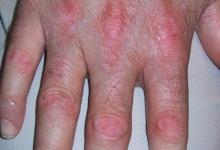
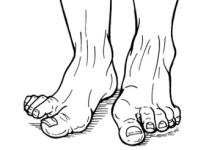
So he eventually makes his way to our little clinic for another opinion as he moved to our area of the state. On examination, this young man has — again at this point in his early 30s — deformities and very bulky tophi of his feet, fist-sized tophi that are draining on his elbows, and innumerable tophi upon his wrists and fingers, and still having many severe flares and essentially requiring prednisone 5 to 10 milligrams chronically.
So at this point we inherit a patient who has widely uncontrolled gout, tophaceous disease, chronic pain, multiple complex comorbidities. And the question is how are we going to treat this guy? You know, the list of what he's already been on — you could say what has he not been on? And one of the patient's main questions is can he be retreated with Krystexxa?
So I think this is a very difficult situation, and we know that an agent like Krystexxa or pegloticase is very effective as a debulking agent and really a go-to for a patient of this severity. However, there's this question of a possible infusion reaction. So I think retreatment really depends on the reason why the pegloticase was initially discontinued. If it was a clear non-response — a rising serum uric acid after several levels of being very low or undetectable — or if a patient did have a verified infusion reaction that was serious or life-threatening, I don't think we would even consider going back on pegloticase therapy.
But in this case the patient had a questionable reaction history. He received a sub-therapeutic — probably sub-efficacious — dose of methotrexate prior. So after hashing out the risks and benefits we decided to go for it.
Methotrexate was initiated orally at about 15 milligrams for about four weeks prior to his retreatment with pegloticase, and he was also prescribed colchicine low-dose 0.6 milligrams daily for flare prophylaxis. He received a total of three repeat pegloticase infusions. His baseline serum uric acid was 11.1, going down to 10.8, 10.5, and then later jumping back to 11.3. So no evidence of a reaction at any point in time, but essentially at this point we were calling the uricase therapy a failure.
So you know, what now? What's left to be done? So what would you do? In this situation we think about combination therapy, much like other rheumatic diseases — sometimes one size does not fit all. This is a patient with severe refractory gout, so I think multiple mechanisms targeting the various pathways of gout makes sense.
So for him we decided to combine a xanthine oxidase inhibitor, allopurinol, as well as probenecid, a uricosuric agent, and we titrated both agents — a combination of allopurinol to 600 milligrams as well as probenecid to 1,000 milligrams twice a day — through the course of about 5 to 6 months. And what do you know, his uric acid goes from 5.7 to 5.6 over the last
year, 4.8 milligrams per deciliter, 4.2, 3.7. So, he's had a very excellent response to combination oral therapy. So, don't don't count out the old drugs. Um, and this patient is doing extraordinarily well. His tophi are resolving. His his flares are under much better control, and he's a he's he's a happy guy at this point.
Uh, so my key takeaways here, I mean, this is a guy who's had very aggressive gout since his late teens with no underlying cause. Sometimes we might go searching for an underlying etiology but but in this case none found. Uh his comorbidities and including him being a young guy with maybe questionable follow-up complicates the care. So we have to keep that in mind that that these are sometimes people who have very busy busy lives and we have to try to work around that.
Um it's also key that we know that pegloticase is sometimes our last ditch option. So we have to optimize that treatment as much as possible and the current evidence really uh does point to stressing the importance of immunomodulation and improving uh the the odds of a positive outcome and long-term treatment response with these patients. Um so a a respectable dose of methotrexate 15 milligrams uh weekly at least a month before is key.
Um, and then if all else fails, consider combination therapy of uh of of several tried-and-true agents to uh achieve optimal uh urate lowering effect. Um, yeah, very tough case, but thankfully a good outcome. So, um, so that's my case and thank you for listening. Be sure to tune in to RheumNow.com all July long for more gout content just like this.
So, a 31-year-old male presents for another opinion. This was a few years back regarding management of his known tophaceous gout. His first known flare of gout occurred at the age of 18. Initially classic monoarthritis involving the toe joints with later involvement of his ankles and knees and ascension to his upper extremities throughout his late teens and early 20s, eventually developing gout in his elbows, his wrists, his MCP joints, his IP joints. There weren't many places where his gout was not by his early 20s.
His medical history became complicated by depression, alcohol use disorder, obesity, deconditioning, chronic pain that comes along with gout of this severity. And the patient did not have any known inborn errors of uric acid metabolism such as Lesch-Nyhan syndrome and no underlying chronic kidney disease at all.
So this patient in his late teens and early 20s had consulted with several local rheumatologists as well as two major university centers. His past treatment included monotherapy of various urate-lowering agents including allopurinol, febuxostat, and probenecid, and for flare treatment and prophylaxis he was previously prescribed prednisone and colchicine. He underwent surgical excision due to severity of several tophi on his body involving his elbows, but these had recurred as time would pass with suboptimal management.
He was at one point in time offered Krystexxa in 2022 and also was co-prescribed a low dose of methotrexate 10 milligrams weekly. The patient only received about three infusions and there was a question of a possible infusion reaction, which the patient described later on as — you know, maybe the IV line was infiltrated and his arm was just getting kind of itchy.
So he eventually makes his way to our little clinic for another opinion as he moved to our area of the state. On examination, this young man has — again at this point in his early 30s — deformities and very bulky tophi of his feet, fist-sized tophi that are draining on his elbows, and innumerable tophi upon his wrists and fingers, and still having many severe flares and essentially requiring prednisone 5 to 10 milligrams chronically.
So at this point we inherit a patient who has widely uncontrolled gout, tophaceous disease, chronic pain, multiple complex comorbidities. And the question is how are we going to treat this guy? You know, the list of what he's already been on — you could say what has he not been on? And one of the patient's main questions is can he be retreated with Krystexxa?
So I think this is a very difficult situation, and we know that an agent like Krystexxa or pegloticase is very effective as a debulking agent and really a go-to for a patient of this severity. However, there's this question of a possible infusion reaction. So I think retreatment really depends on the reason why the pegloticase was initially discontinued. If it was a clear non-response — a rising serum uric acid after several levels of being very low or undetectable — or if a patient did have a verified infusion reaction that was serious or life-threatening, I don't think we would even consider going back on pegloticase therapy.
But in this case the patient had a questionable reaction history. He received a sub-therapeutic — probably sub-efficacious — dose of methotrexate prior. So after hashing out the risks and benefits we decided to go for it.
Methotrexate was initiated orally at about 15 milligrams for about four weeks prior to his retreatment with pegloticase, and he was also prescribed colchicine low-dose 0.6 milligrams daily for flare prophylaxis. He received a total of three repeat pegloticase infusions. His baseline serum uric acid was 11.1, going down to 10.8, 10.5, and then later jumping back to 11.3. So no evidence of a reaction at any point in time, but essentially at this point we were calling the uricase therapy a failure.
So you know, what now? What's left to be done? So what would you do? In this situation we think about combination therapy, much like other rheumatic diseases — sometimes one size does not fit all. This is a patient with severe refractory gout, so I think multiple mechanisms targeting the various pathways of gout makes sense.
So for him we decided to combine a xanthine oxidase inhibitor, allopurinol, as well as probenecid, a uricosuric agent, and we titrated both agents — a combination of allopurinol to 600 milligrams as well as probenecid to 1,000 milligrams twice a day — through the course of about 5 to 6 months. And what do you know, his uric acid goes from 5.7 to 5.6 over the last
year, 4.8 milligrams per deciliter, 4.2, 3.7. So, he's had a very excellent response to combination oral therapy. So, don't don't count out the old drugs. Um, and this patient is doing extraordinarily well. His tophi are resolving. His his flares are under much better control, and he's a he's he's a happy guy at this point.
Uh, so my key takeaways here, I mean, this is a guy who's had very aggressive gout since his late teens with no underlying cause. Sometimes we might go searching for an underlying etiology but but in this case none found. Uh his comorbidities and including him being a young guy with maybe questionable follow-up complicates the care. So we have to keep that in mind that that these are sometimes people who have very busy busy lives and we have to try to work around that.
Um it's also key that we know that pegloticase is sometimes our last ditch option. So we have to optimize that treatment as much as possible and the current evidence really uh does point to stressing the importance of immunomodulation and improving uh the the odds of a positive outcome and long-term treatment response with these patients. Um so a a respectable dose of methotrexate 15 milligrams uh weekly at least a month before is key.
Um, and then if all else fails, consider combination therapy of uh of of several tried-and-true agents to uh achieve optimal uh urate lowering effect. Um, yeah, very tough case, but thankfully a good outcome. So, um, so that's my case and thank you for listening. Be sure to tune in to RheumNow.com all July long for more gout content just like this.




If you are a health practitioner, you may Login/Register to comment.
Due to the nature of these comment forums, only health practitioners are allowed to comment at this time.