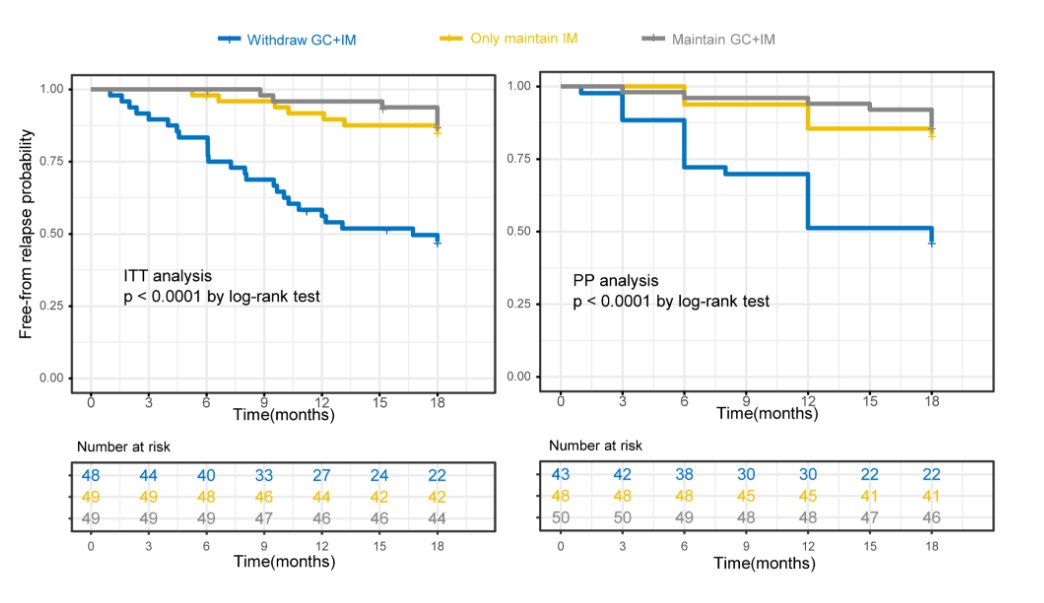
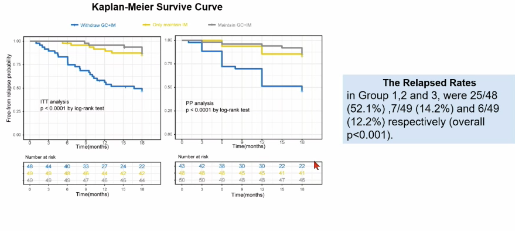
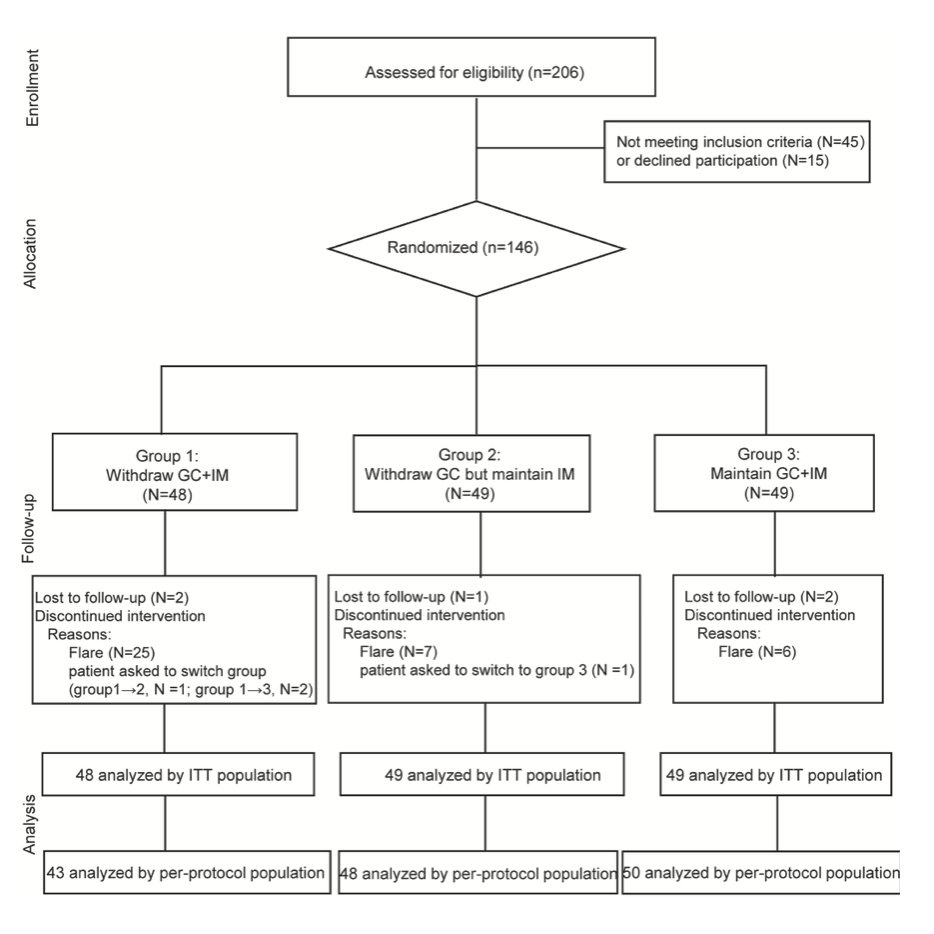
The possibility of withdrawing DMARDs after patients achieve remission has been in our minds for a while. Yet when our patients ask whether it is a good idea to taper or stop their DMARD when they are doing well, most of us don’t have a black or white answer for them.

All News
We have become accustomed to the 60/40/20% rule for the outcome of ACR 20/50/70 respectively for biologics and targeted synthetic DMARDs.
In this week's podcast, Dr. Jack Cush reviews the ACR Convergence 2023 meeting and proposes how to best learn at your next large medical meeting.
TNF inhibitors revolutionised the treatment of rheumatoid arthritis. While highly effective for the joint manifestations of the disease, a note of caution was sounded regarding the potential for worsening of ILD with these agents. Within this framework, a study by England et al presented at ACR23 was highly relevant.
Most rheumatologists, if asked, would say that every rheumatoid arthritis patient should be started on a DMARD of some sort - if not at diagnosis, then pretty soon after. So I am genuinely shocked that, in a large United States Medicare 20% sample dataset between 2008-17, less than 30% of new RA patients aged 66 years or older have a DMARD initiated.
Early treatment with DMARDs has revolutionised the outcomes of patients with rheumatic arthritis. However, this concept has not been fully extrapolated to other autoimmune rheumatic diseases such as systemic lupus erythematosus.
Drs. Jack Cush and Arthur Kavanaugh discuss highlights and key takeaways from ACR 23.
We have known about the VEXAS (vacuoles, E1 enzyme, X-linked, autoinflammatory, somatic) syndrome for nearly 3 years, but there has been relatively little to say about how to treat it. To date there have been over twice as many publications about VEXAS (263 publications) as there have been patients described with respect to treatment strategies (116 patients). One of the late breaking abstracts may finally have rectified this imbalance.