All News
Which One is the Loneliest Number (9.27.2024)
Dr. Jack Cush reviews the regulatory approvals, announcements, guidelines and interesting journal articles from the past week on RheumNow.com. When not to use muscle relaxants, how frequent is loneliness in RA/PsA/SpA, and when to refer patients with Still's disease.
Read Article
EULAR/PReS Still's Disease Management Recommendations
Since 2022, EULAR and the Paediatric Rheumatology European Society (PReS) have been working to establish clinical practice guidelines for the diagnostics and management of systemic juvenile idiopathic arthritis (sJIA) and adult-onset Still’s disease (AOSD).
Read Article
I Can't Treat Ugly (9.20.2024)
Dr. Jack Cush reviews the news, journal articles and a new FDA approval for EGPA, this week on the Podcast.
Read Article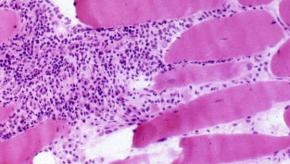
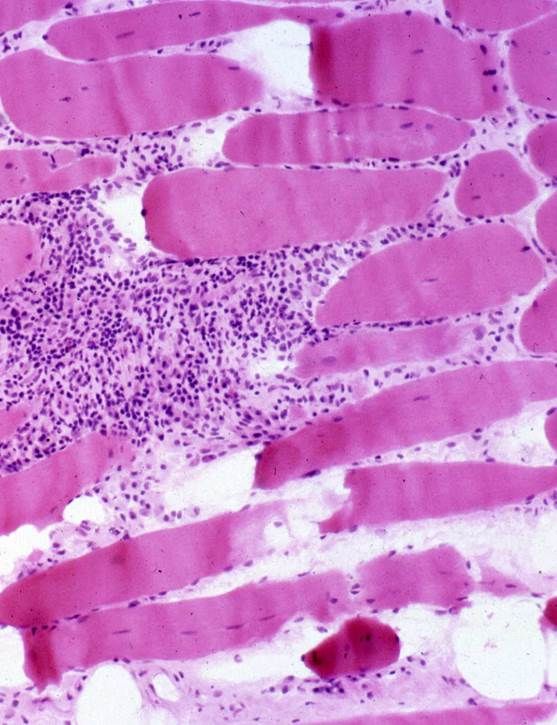
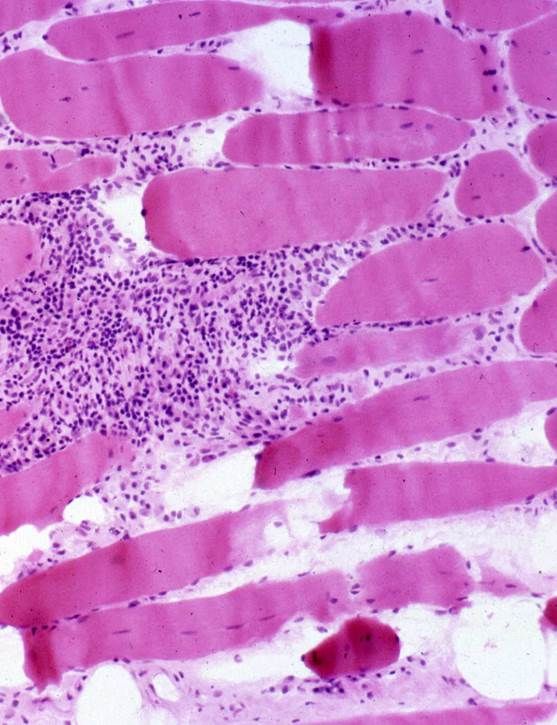
Different Autoantibody Phenotypes in Juvenile and Adult Myositis
A Kyoto University study compared juvenile-idiopathic inflammatory myopathy (IIM) and adult-IIM patients, demonstrating different autoantibody profiles and a more favorable outcome for n juvenile-IIM patients.
Read Article
Systemic Sclerosis Insights (9.13.2024)
Dr. Jack Cush reviews the news and journal articles from this past week on RheumNow.com.
Read Article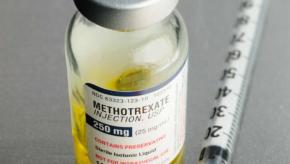
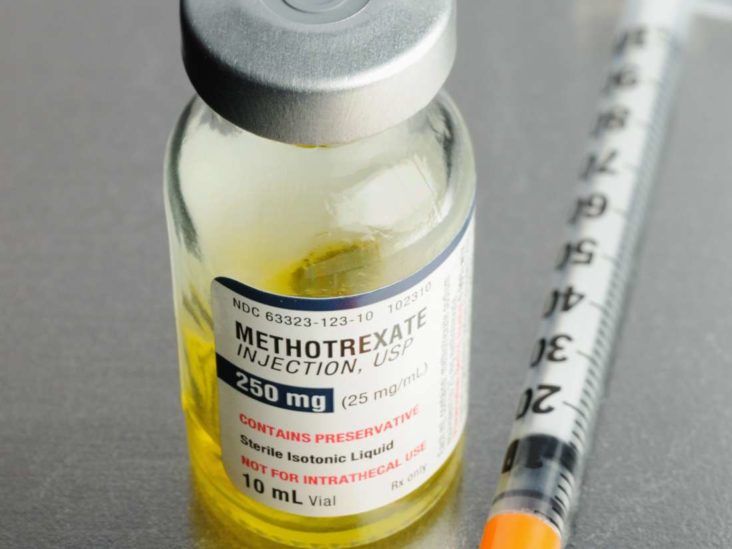
Consensus Guidelines on Pediatric Methotrexate Use
Methotrexate (MTX) is commonly used in the treatment of pediatric inflammatory skin conditions, often for off-label indications. Consensus based recommendations were published to address 5 major subjects.
Read Article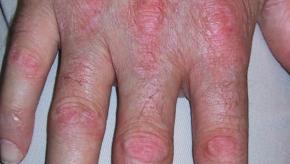
Hispanic Patients With Dermatomyositis
JAMA Dermatology has published a review of dermatomyositis (DM), focusing on similar and different manifestations of DM.
DM affects all races, but it has been suggested that racial and ethnic minority patients may have more severe disease and a different autoantibody profile. This analysis characterizes the clinical features and outcomes of DM in Hispanic and non-Hispanic patients.
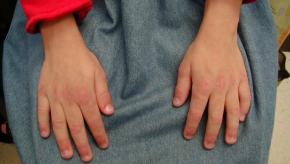
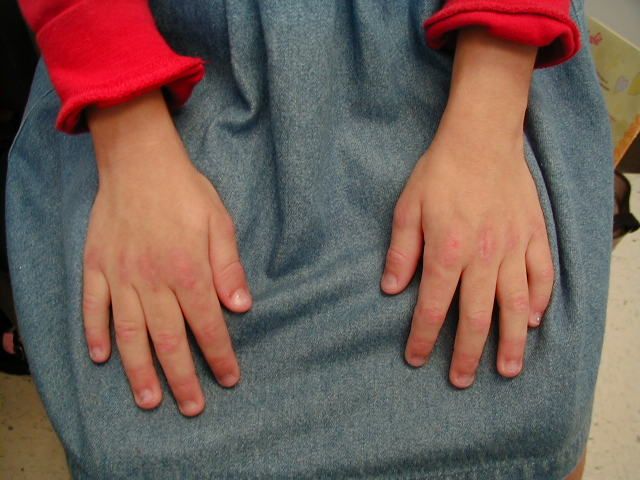
CARRA Consensus Treatment for Refractory Juvenile Dermatomyositis
CARRA has developed consensus treatment plans for the use of biologic disease-modifying antirheumatic drugs (bDMARDs) in patients with refractory, moderately severe juvenile dermatomyositis. Juvenile dermatomyositis is the most common form of idiopathic, inflammatory myositis in childhood, with an estimated incidence of 3.2 per million children per year in the United States.
Read Article


Links: