
Article
A single center study demonstrates that biologic treatment of psoriasis (PsO) significantly reduces the likelihood of psoriatic arthritis (PsA) development; suggesting a role for more aggressive treatment of PsO.

Search for Terms or Answers
A single center study demonstrates that biologic treatment of psoriasis (PsO) significantly reduces the likelihood of psoriatic arthritis (PsA) development; suggesting a role for more aggressive treatment of PsO.
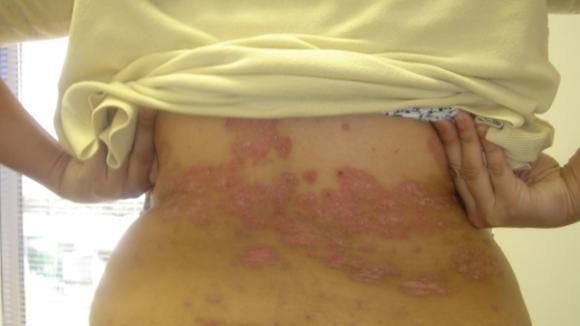
At the recent SPARTAN annual meeting in Cleveland, Dr. Jose Meade-Aguilar reported that amongst axial spondyloarthritis patients receiving nonsteroidal anti-inflammatory drugs, there was no difference in the risk for hypertension when comparing those on high vs. low dose NSAIDs.

A phase II trial demonstrating the clinical efficacy of deucravacitinib, a TYK2 inhibitor, in psoriatic arthritis (PsA) suggests specific biologic effects identified by biomarkers may predict clinical responses.

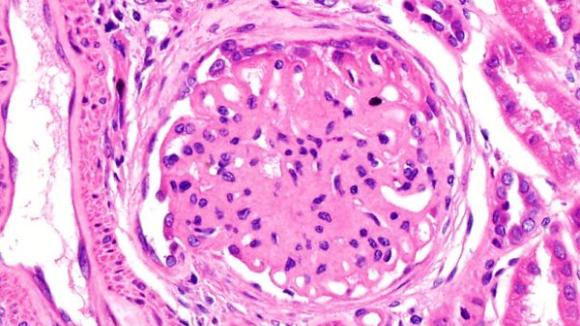
A systematic review of randomized clinical trials of patients with biopsy-proven lupus nephritis (LN) demonstrates both the benefits and harms to early glucocorticoid (GC) regimens on lupus outcomes.
Dr. Jack Cush reviews the news and journal reports from the past 2 weeks. This week's question: can we prevent gout, ILD or psoriasis?

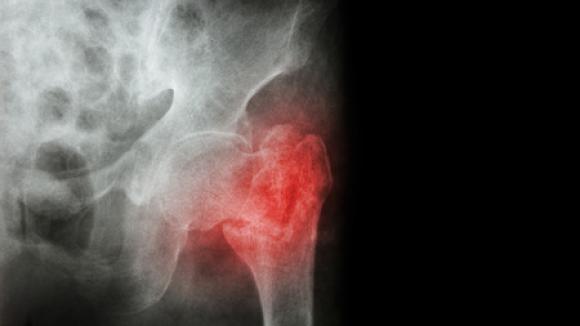
Dr. Gregory Curfman, MD (Executive editor of JAMA) writes on the chronological legal progress of a lawsuit stemming from rare instances of atypical femoral fractures associated with bisphosphonate (alendronate) use.
Proton pump inhibitors (PPIs), a specific class of antacid drugs, are among the most widely used medications of all. They are frequently prescribed to many groups of patients, including those with rheumatism.

A long-term hydroxychloroquine users study found that 2.7% developed retinopathy, and identified risk factors as increasing age, female sex, chronic kidney disease stage 3+ and tamoxifen use.

Patients undergoing total hip arthroplasty using a combination of paracetamol, ibuprofen, and dexamethasone, had optimal responses with the lowest morphine consumption, and fewer adverse events.

A systematic review of the effectiveness and safety of pharmacological treatments for adult-onset Still’s disease (AOSD) supports the use of either IL-1 or IL-6 inhibitors.

A metanalysis shows that social determinants of health adversely impacts patients with lupus nephritis. Lupus nephritis is a significant complication of SLE, often with dramatic increases in morbid and mortal risks. Outcomes are likely to be augmented by social determinants of health, including socio-economic status, and social risk factors.





By downloading this material, I acknowledge that it may be used only for personal use and personal education and that I will accredit RheumNow.com as the source and owner of this material. Commercial use or mass reproduction of this material without permission from RheumNow (info@rheumnow.com) is prohibited.


