Acthar is in the news again. Previously a New York Times article lambasted the drug as the "single most expensive drug per patient", based on it costing Medicare $16,2371 per patient for nearly 3100 patients. Overall, costing Medicare a half-billion US dollars per year.

All News
The CDC's May 4th MMWR reports that from 2002 to 2014, the prevalence of health care provider counseling for weight loss among adults with arthritis and overweight or obesity increased by 10% (from 35% to 45%).
Among the 54.4 million adults with doctor-diagnosed arthritis in the United States, 32.7% are overweight and 38.1% are obese. Moreover obesity is more prevalent among persons with arthritis than among those who do not have arthritis.
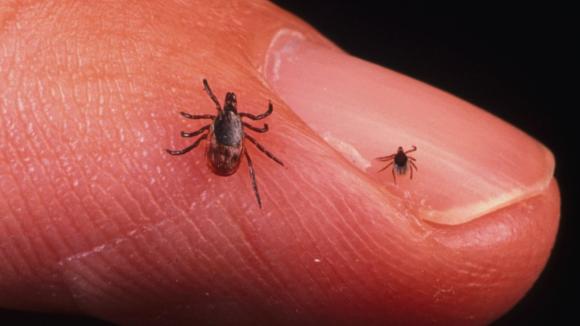
The Centers for Disease Control and Prevention has a new report showing that from 2004 to 2016, the number of Americans infected by mosquitoes, ticks or fleas tripled from 27,388 in 2004, to 96,075 in 2016.
From 2015 to 2016, these infections rose by 73 percent. This included new Zika and chikungunya virus infections, (41,680 in 2016), followed by Lyme disease (36,429 cases). This may be an underestimation as as many infections are not reported.
Analysis of data from the DANBIO registry of psoriatic arthritis patients treated with tumor necrosis factor inhibitor therapy shows that comorbidities were associated with higher baseline disease activity, shorter TNFi persistence, and reduced clinical response rates to TNFi.
Dr. Jack Cush reviews the news and FDA proceedings from the past week on RheumNow.com.
On Monday, April 23rd the FDA convened the Arthritis Advisory Committee (AAC) to evaluate Lilly’s resubmitted NDA for the approval of the JAK inhibitor baricitinib for use in rheumatoid arthritis (RA).
FDA staff remain worried about the safety of baricitinib, an oral JAK inhibitor intended for treatment of rheumatoid arthritis, according to briefing documents prepared for an advisory committee meeting on Monday.
The PRECISION study took 11 years and 24,081 patients (90% OA; 10% RA).
Dr. Jack Cush reviews the news and journal reports from the past week on RheumNow.com. A second life for Syk kinase, Vitamin D talk, VTE, regulatory hearings and the Lupus clinic edge.
The U.S. Preventive Services Task Force (USPSTF) concludes current scientific evidence is insufficient regarding the use of vitamin D and calcium, alone or in combination, to prevent fractures in men and premenopausal women. The USPSTF recommends against daily supplementation with 400 IU or less of vitamin D and 1,000 mg or less of calcium to prevent fractures in postmenopausal women. Current scientific evidence is insufficient regarding the use of vitamin D and calcium at doses greater than 400 IU of vitamin D and greater than 1,000 mg of calcium in postmenopausal women.
A recent meeting (April 9-12) of the European Medicines Agency’s (EMA) Pharmacovigilance Risk Assessment Committee (PRAC) considered the problem of dosing errors with methotrexate (MTX), citing "continued reports of overdose."
MMWR reports that eight states, including Colorado, have legalized recreational marijuana for use by adults and that a study of use in Colorado has shown that nearly 15% of Colorado adult workers have used marijuana in the past 30 days.
CreakyJoints and Pfizer have selected the Mayo Clinic and the University of Alabama at Birmingham (UAB) to each receive a $500K research award (funded by Pfizer Independent Grants) for Learning & Change.
Dr. Jack Cush reviews the news and journal reports from the past week on RheumNow.com. Highlights includes manpower shortfalls, comorbidities in AA Lupus, certolizumab pregnancy safety, which Shingles vaccine is best and the power of combination biologics in severe refractory SLE.
The current issue of the NEJM reviews the Food and Drug Administration (FDA) “breakthrough therapy” designation that was introduced in 2012 to expedite testing and approval of medications that were intended to treat serious or life-threatening conditions. This status is granted when prelimi
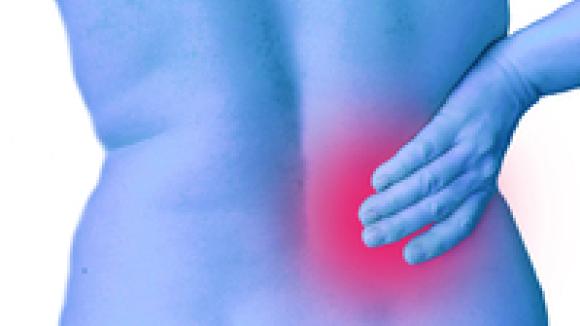
Lancet has several reports on low back pain (LBP) as a major problem worldwide, largely because of the aging population.
Low back pain is the leading cause of disability worldwide.
Three reports from JAMA Internal Medicine demonstrate favorable trends with less opioid use when cannabis became legal.
Abhishek et al have written on the results of an international survey of crystal arthritis experts and identified the unmet needs regarding calcium pyrophosphate crystal deposition (CPPD) - research, classification, diagnosis and management.