

All News

RheumNow Podcast – Rheum Lives Matter (8.28.20)
Dr. Jack Cush reviews the news and journal articles from the past week. Of mice and men in cartilage, the efficacy of JAK inhibitors in patients who are having skin problems, nrAxSpa has its own diagnostic code, metformin, talking about Back Talk, plus so much more.
Read Article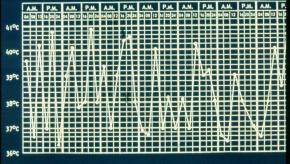
Treatments Differ Across Centers in Systemic JIA
Significant variations were seen across hospitals in the treatment of children admitted with new-onset systemic juvenile idiopathic arthritis (JIA), despite increasing evidence of the efficacy of biologics and the hazards of extended glucocorticoid exposure, a retrospective cohort study found.
Read Article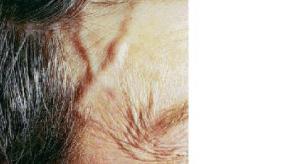
Update on Polymyalgia Rheumatica and Giant Cell Arteritis
JAMA has published a clinical update of recent studies on GCA. While PET/CT scanning are novel means of demonstrating activity, they have not changed the diagnostic approach to GCA or PMR and although there are no new proven treatment strategies for PMR beyond glucocorticoids, the FDA has approved tocilizumab as a first-line glucocorticoid-sparing agent.
Read Article
Selective Biologic Responses in Seropositive RA
The Journal of Rheuatology reports a pooled analysis of patients from 16 observational RA registries that examined the association between seropositivity (RF or ACPA) with biologic DMARDs responses; they showed better clinical responses when seropositive RA patients receive abatacept (ABA) o
Read Article
RheumNow Podcast – The Bad News That’s Fit to Print (8.21.20)
Dr Jack Cush reviews the news and journal reports from the past week on RheumNow: filgotinib rejection, delays in diagnosis, metformin benefits COVID, Abx and IBD, and UPA beats MTX.
Read Article
Canakinumab Tapering in Still's Disease
You can reduce - but not stop - canakinumab therapy in patients who are in complete clinical remission in children with systemic juvenile idiopathic arthritis.
Read Article
Filgotinib Decision Delayed by FDA
On August 18th, Gilead and Galapagos received a complete response letter from the FDA, which will delay consideration of filgotinib for the treatment of moderate-to-severe RA.
Read Article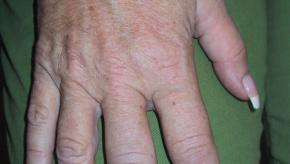
Upadacitinib is Superior to Methotrexate in Early RA
In a head-to-head trial against methotrexate, JAK1 inhibition with upadacitinib was shown to be more effective in early, DMARD-naive RA patients. Here are the primary results.
Read Article
RheumNow Podcast - The SARS-CoV-2 Update (8-14-20)
Dr. Jack Cush updates the news and journal articles from the past week on RheumNow.com, with information on enthesitis, nr-Ax-SpA, UAB, Blockbuster Rheum Drugs and use of ACE inhibitors.
Read Article
Rheumatic Diseases, Drugs and COVID-19 Guidelines
Several recent publications have focused on the risk and outcomes of rheumatic disease (RDD) and autoimmune patients who become infected with SARs-CoV-2.
Read Article
Infliximab Use Near Surgery is Safe
Risk factors for perioperative infections include age, comorbidity, rheumatoid arthritis and steroids to name a few; whether concurrent use of TNF inhibitor (TNFI) therapy adds to this risk has been debated. In a study of elderly patients receiving infliximab infusions, infliximab use prior to surgery did not change the risk of post-operative infections.
Read Article
DMARD Use Does Not Increase COVID Hospitalization
An observational study of patients with systemic autoimmune inflammatory rheumatic diseases (AIRD) who also had COVID-19 disease shows that AIRD increased the risk of hospitalization, but that the use of disease-modifying antirheumatic drugs (DMARDs) were not associated with hospitalization.
Read Article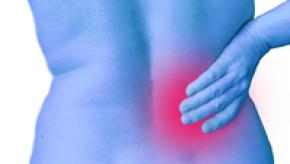
Secukinumab Effective in Non-Radiographic Axial SpA
The PREVENT trial was a one year, phase III study that showed significant benefits when secukinumab (SEC) was given to patients with active non‐radiographic axial spondyloarthritis (nr‐axSpA) for 52 weeks.
Read Article
Links:
Dr. John Cush RheumNow ( View Tweet)

Links:
Links:
Links:
Dr. John Cush RheumNow ( View Tweet)
Links:
Dr. John Cush RheumNow ( View Tweet)
Links:
Dr. John Cush RheumNow ( View Tweet)
Dr. John Cush RheumNow ( View Tweet)

