Article
One in four practicing physicians in the United States are international medical graduates. I am one of them. Here is what I learned, and my advice to others who are on a similar journey.

Search for Terms or Answers
One in four practicing physicians in the United States are international medical graduates. I am one of them. Here is what I learned, and my advice to others who are on a similar journey.

I am a woman in pediatric rheumatology. Even in a predominantly female field, at times I feel compelled to mask my emotional response to the consistently complicated, often overwhelming and sometimes ambiguous nature of the job. Rather than detach, however, I choose to emotionally engage with the medical experience through my own medicine: narratives.

When I was accepted into medical school, my Dad (a trauma surgeon) taught me that as a doctor I should not judge and do my best not to let my personal views interfere with how I manage and interact with my patients.

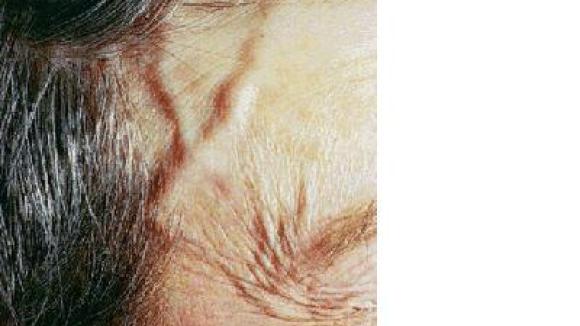
Senescence pathways are involved in giant cell arteritis (GCA), an analysis of patient tissue samples suggested, which may account for the efficacy of one agent now used for the disease and another in commercial development.
Collaboration has proven to be an essential ingredient for progress and innovation in rheumatology. Effective collaboration requires generosity with your time and resources. Here are some things that I’ve learned over the years about successful collaborations in rheumatology.

Women physician leaders have made significant contributions in various fields, such as business leaders as CEOs and board members, public health through national and international advocacy efforts, and the non-profit sector.
"To Lead or Not To Lead" - that is the question.

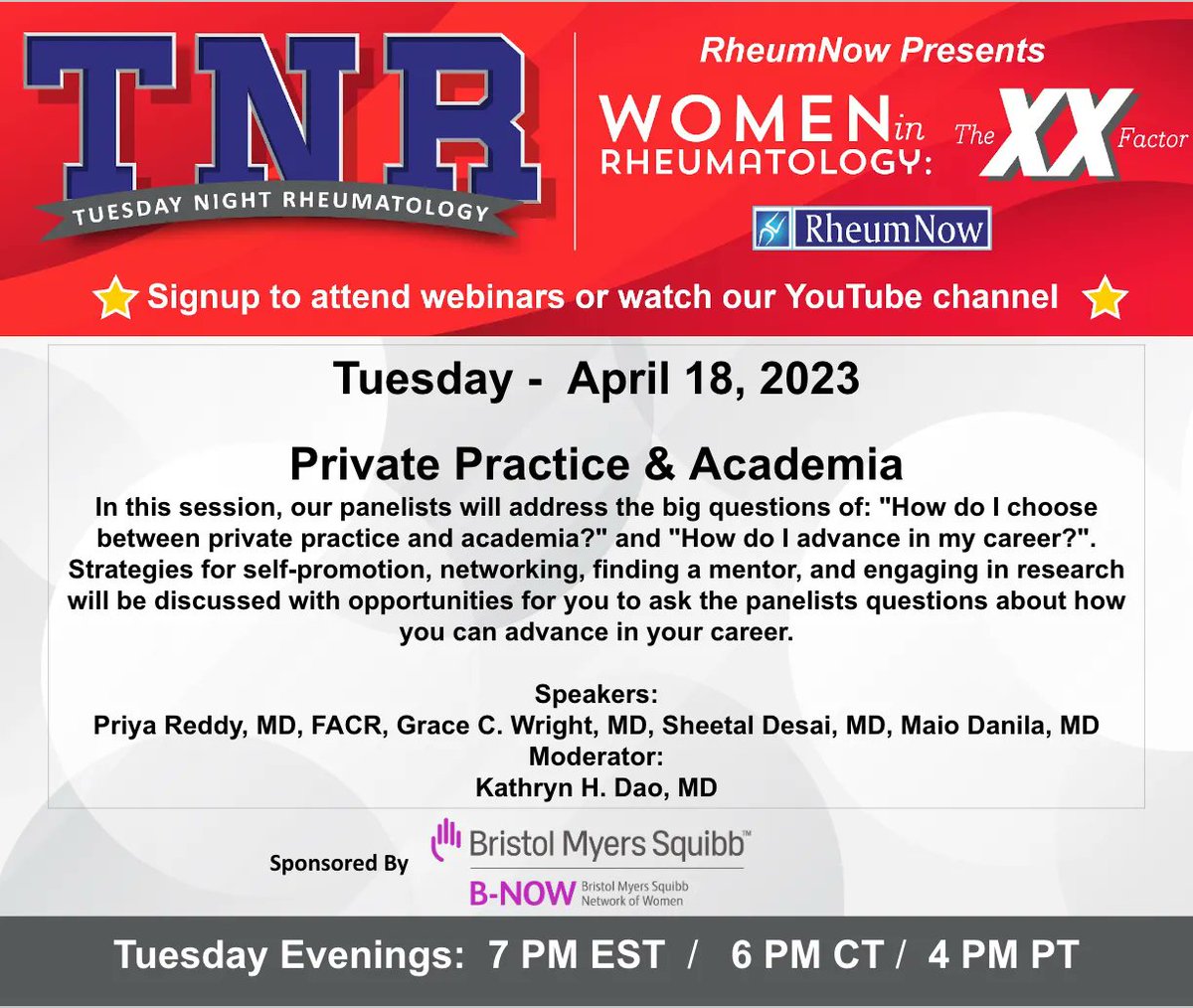
Although almost half of our specialist rheumatology physician workforce is now women, gender inequity in career progression within academic rheumatology is a persistent problem. A recent analysis of the US rheumatology workforce showed that although women were well represented in rheumatology program director and division director leadership roles, women academics were less likely to be full or associate professors, had fewer publications, and received fewer NIH grants.

I have signed a few employment contracts in my career. Signing a legal document always makes me nervous. Did I forget to add something, was there something in the fine print I missed, should I have clarified a clause, what happens if I break a clause or cannot fulfill the contract obligations?
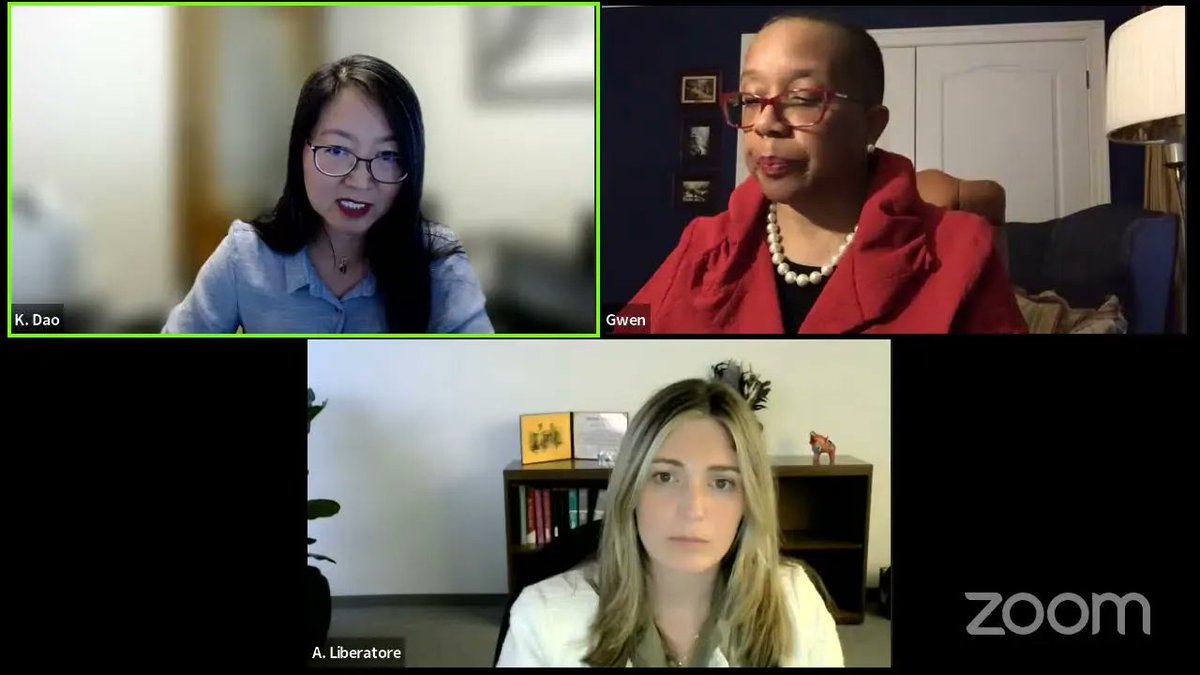
I spoke with Andrea Liberatore, JD, to navigate these questions and explain what to look for in a contract.







By downloading this material, I acknowledge that it may be used only for personal use and personal education and that I will accredit RheumNow.com as the source and owner of this material. Commercial use or mass reproduction of this material without permission from RheumNow (info@rheumnow.com) is prohibited.