Risk factors for perioperative infections include age, comorbidity, rheumatoid arthritis and steroids to name a few; whether concurrent use of TNF inhibitor (TNFI) therapy adds to this risk has been debated. In a study of elderly patients receiving infliximab infusions, infliximab use prior to surgery did not change the risk of post-operative infections.

All News
An observational study of patients with systemic autoimmune inflammatory rheumatic diseases (AIRD) who also had COVID-19 disease shows that AIRD increased the risk of hospitalization, but that the use of disease-modifying antirheumatic drugs (DMARDs) were not associated with hospitalization.
The PREVENT trial was a one year, phase III study that showed significant benefits when secukinumab (SEC) was given to patients with active non‐radiographic axial spondyloarthritis (nr‐axSpA) for 52 weeks.
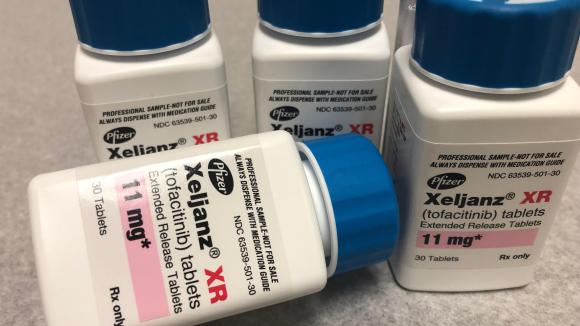
An analysis of the tofacitinib (Xeljanz) drug development program in patients with rheumatoid arthritis (RA), psoriatic arthritis (PsA) and ulcerative colitis suggests a low level risk for venous (VTE) and arterial thromboembolism (ATE).
The Annals of Internal Medicine reports that biannual rituximab infusions over 18 months was effective at maintaining remission in patients with antineutrophil cytoplasmic antibody–associated vasculitis (AAV).
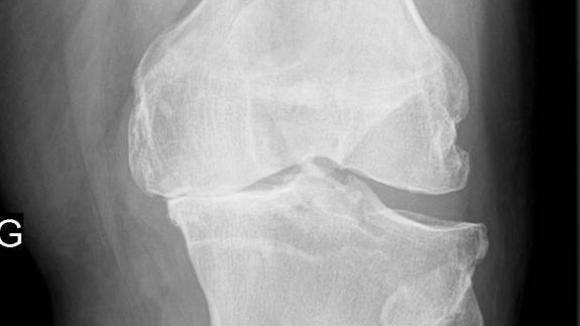
The interleukin (IL)-1β inhibitor canakinumab (Ilaris) showed promise for preventing the need for hip or knee replacement among patients with osteoarthritis in an exploratory analysis of data from a randomized clinical trial, investigators reported.
Among patients enrolled in CANTOS, the pooled incidence rate for total hip replacement/total knee replacement was 0.31 events per 100 person-years for those receiving the monoclonal antibody every 3 months for up to 5 years compared with 0.54 per 100 for those given placebo, according to Paul M. Ridker, MD, of Harvard Medical School in Boston, and colleagues.
Dr. Jack Cush reviews the news and TOP 13 list of Best Rheumatology Hospitals.
The efficacy of intravenous pegloticase (PEG) therapy in gout can be limited by its toxicity, but when coadministered with weekly methotrexate, higher response rates and less toxicity was observed.
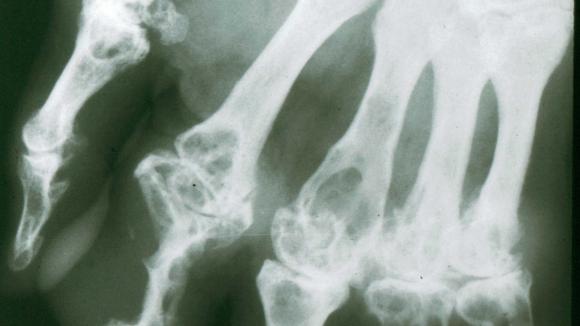
Danve and Neogi have an editorial in the current Arthritis & Rheumatology about the burden of gout that affects 41 million adults worldwide, according to the Global Burden of Disease Study 2017 (GBD 2017) also published in the same issue.
This makes gout twice as prevalent as rheumatoid arthritis (19 million). This prevalence of this most common inflammatory arthritis is undermined by numerous challenges in the diagnosis and examples of insufficient disease management. The editorial points out the magnitude of the disease and the many challenges facing rheumatologists.
A study from a Swedish population shows the real-world risk of gastrointestinal (GI) perforations in rheumatoid arthritis (RA) patients taking biologics finds that the risk was greatest in RA patients taking tocilizumab (TCZ), compared with RA patient taking tumour necrosis factor inhibitors (TNFi) and other non-TNFi biologics.
Dr. Jack Cush reviews the News and Journal Reports from the past week on RheumNow.com.