While myositis-specific autoantibodies (MSAs) and myositis-associated autoantibodies (MAAs) may have prognostic value through their clinical associations, many patients will not have them and overall, they are poorly predictive of a malignancy risk.
All News
Dr. Jack Cush reviews the news and journal articles from the past week on RheumNow.com
Almost three years ago to the day, I did a podcast entitled, "I wanna new drug." As I go over this week's podcast, I want to say it again. I want a new drug safe enough to use during pregnancy, for PMR, for GVHD, and more. I'm going to cover these, and other topics including lupus, COVID breakthrough infections, and statin use and the risk of RA, as I review the news and journal articles from the past week on RheumNow.
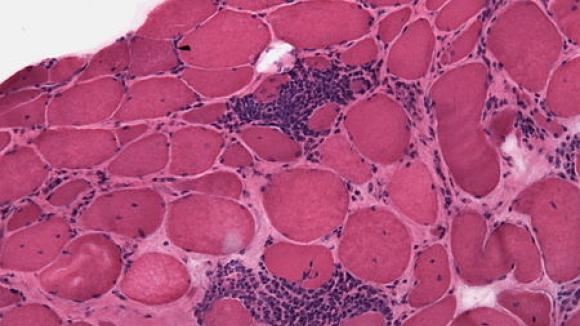
Inclusion body myositis (IBM) patients tend to be older than those with idiopathic inflammatory myositis (IIM), but the scope of disease beyond their myositis is not appreciated.
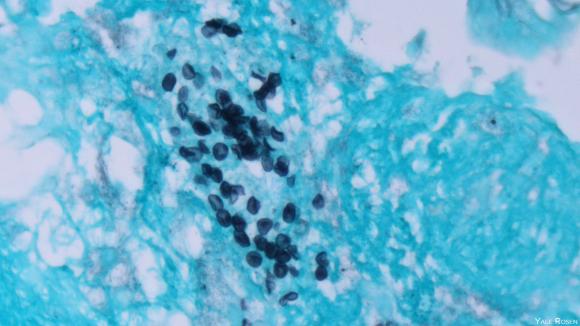
Pneumocystis Often Lethal in Dermatomyositis
Patients with dermatomyositis who were positive for a myositis-specific antibody had a much higher incidence of and mortality associated with Pneumocystis jirovecii infection than patients with other antibody-negative idiopathic inflammatory myopathies, Chinese researchers found.
This week: high science that affect future treatments; breakthrough infections in our patients, and what's up with that; and soon your radiologist is going to be replaced by AI. This and more in our review of the news and journal articles from the past week.
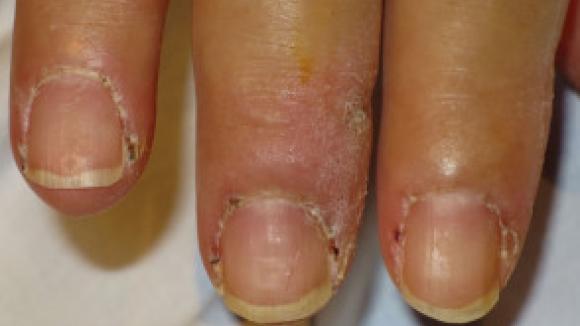
The Journal of Autoimmunity reports that anti-HMRCR antibody positive, necrotizing myositis patients frequently have cutaneous lesions, moreso than previously reported.
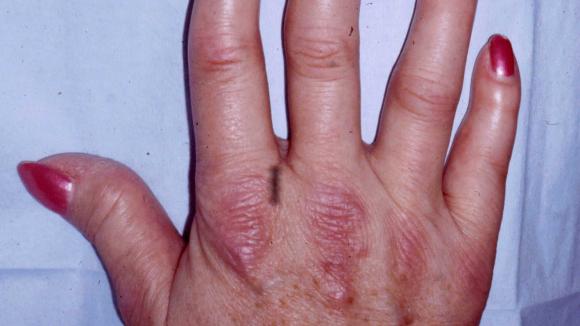
The U.S. Food and Drug Administration (FDA) has approved Octagam 10% [Immune Globulin Intravenous (Human)], as the first and only intravenous immunoglobulin (IVIg) formulation to be approved for adult dermatomyositis (DM).
2020 was historic, memorable and game-changing. Under the cloud of COVID-19, there were many significant and memorable advances and setbacks for the rheumatology world. In our accounting of most read articles for 2020, (not surprisingly) 17/20 were COVID-related.