
Article
Dr. Jack Cush reviews new FDA decisions on sirukumab and tofacitinib as well as other news items from the past week on RheumNow.com.

Search for Terms or Answers
Dr. Jack Cush reviews new FDA decisions on sirukumab and tofacitinib as well as other news items from the past week on RheumNow.com.

Patients with systemic lupus erythematosus (SLE) incur substantial morbidity and complications that may lead to hospitalizations and increased cost of lupus care. Researchers from the University Health Network in Toronto have published a review of SLE hospitalizations showing thta while comm

Dr. Jack Cush reviews the news and articles from the past week on RheumNow.com:

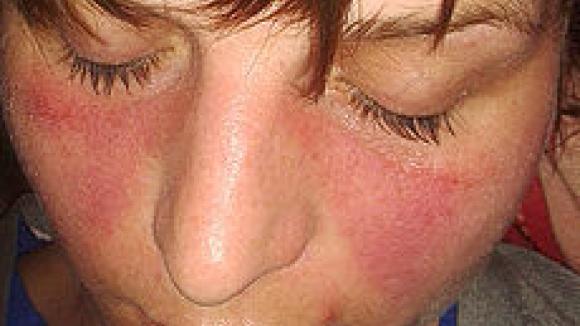
Systemic lupus erythematosus (SLE) poses numerous vascular risks, many of which are thought to be autoantibody mediated.
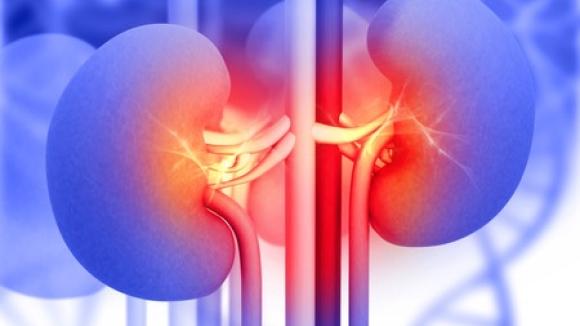
The presence of tubulointerstitial damage (TID) may provide a potential window for early intervention in lupus nephritis (LN) to ward off end-stage renal disease (ESRD), according to a data analysis.
The US Food and Drug Administration (FDA) has approved a new subcutaneous formulation of Benlysta (belimumab) for use in active, autoantibody‑positive Systemic Lupus Erythematosus (SLE) patients.

HIV infection and AIDs has been associated with numerous complications, presumably resulting from impaired immunity from infection. Sporadic cases and small cohorts of patients with rheumatic and autoimmune syndromes have been described but epidemiology data on the prevalence is scarce.
Dr. Jack Cush reviews the news from the past week on RheumNow.com:
A population-based claim study from Sweden has shown that lupus and pre-lupus patients are at risk for adverse maternal and fetal outcomes.

A recent report in Nature Communications has studied multiple nationalities has shown a "disentangled complex HLA multigenic effect" underlying the genetic basis of systemic lupus erythematosus (SLE).

Systemic lupus erythematosus (SLE) is associated with an increased risk of cardiovascular disease (CVD). The cardioprotective benefits of aspirin (ASA) are well known and the ancillary CV and diabetogenic effects of hydroxychloroquine (HCQ) have also been shown.

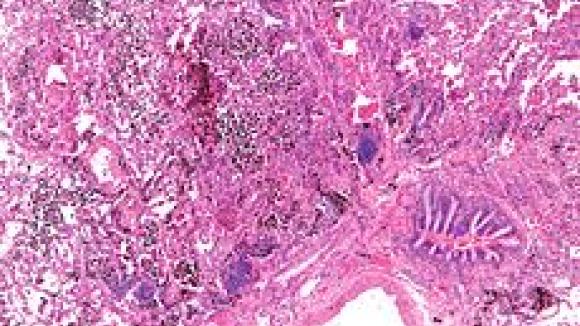
Acute diffuse lung infiltration in patients with systemic lupus erythematosus (SLE) requires prompt evaluation for diffuse alveolar hemorrhage (DAH) when patients have low levels of hemoglobin and complement compound C4 and symptoms of hypoxia.
Rituximab, a chimeric anti-CD20 monoclonal antibody, has been effectively used in the treatment of multiple autoimmune disorders for over two decades. But the response to rituximab has been shown to not be as effective in SLE as it is in RA.

It is well-known that patients with systemic autoimmune diseases are at risk for Pneumocystis jirovecii pneumonia (PJP) and although infrequent, it carries a high mortality. A new study shows lymphopenia and steroid use increases the risk of PJP.

It is a common practice for rheumatologists to discuss medication-related teratogenicity and disease implications in case of pregnancy. Yet, discussion of breastfeeding are often omitted.

Friday was a mega-day in Madrid as this day all the late-breaking abstracts were presented, in addition to the bulk of high-impact podium presentations in several areas.
Here are the major presentations from several clinical areas.

Young patients with systemic lupus erythematosus (SLE) get diagnosed before they have completed their families. About 30 or 40 years ago, most rheumatologists were not recommending pregnancy for their lupus patients. However, in recent times, outcomes have considerably improved.
Dr. Jack Cush reviews some of the highlights from the past week at EULAR 2017 - June 16, 2017.
Follow RheumNow's expanded coverage from EULAR 2017 in Madrid.
Rheumatic IRAEs from checkpoint inhibitor therapy are growing rapidly in scope and rheumatologists must be aware of these complications, as they are certain to encounter this type of patient.
Vaccinating our rheumatoid arthritis patients against influenza every year is a safety priorty. However immunosuppressive therapies pose a challenge to vaccine administration as their use can hamper vaccine immunogenicity.

By downloading this material, I acknowledge that it may be used only for personal use and personal education and that I will accredit RheumNow.com as the source and owner of this material. Commercial use or mass reproduction of this material without permission from RheumNow (info@rheumnow.com) is prohibited.

