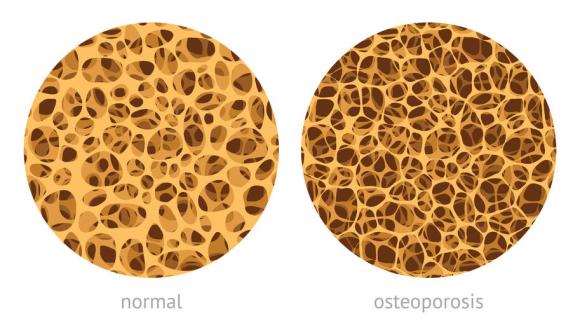
The US Food and Drug Administration’s advisory committee on Bone, Reproductive and Urologic Drugs voted Wednesday in favor of approving Amgen’s osteoporosis anti-sclerostin drug, romosozumab (Evenity) for use women with postmenopausal osteoporosis.
All News
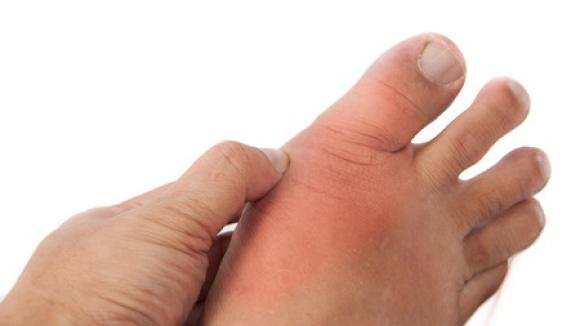
A retrospective analysis of hospitalized patients who also had a gout and pseudogout attack shows that injections of anakinra (interleukin-1 receptor antagonist) were highly effective and safe in nearly three-quarters of patients.
On January 11, 2019 the FDA convened two advisory panels (the Arthritis Advisory Committee [AAC] and the Drug Safety and Risk Management Advisory Committee [DSaRM]) to consider the cardiovascular safety of febuxostat (Uloric) based on the 2018 “Cardiovascular Safety of Febuxostat and Allopurinol
Tocilizumab (Actemra) was effective for refractory giant cell arteritis (GCA) in real-world practice, although serious infections occurred relatively frequently, Spanish investigators reported.
A JAMA Viewpoint article examines the performance of aging surgeons and notes that the effects of aging affects physicians variably and that physician competency should be based on functional age (and abilities) rather than chronologic age. This argues against a mandatory retirement age for surgeons.
It has been historically said that risk factors for scleroderma renal crisis (SRC) includes include cold exposure, steroid use, dehydration, rapid progression of skin disease, tendon friction rubs, anti-RNA polymerase III antibodies and pregnancy. A new study examines risk factor for S
Short-term intervention with the very low energy diet (VLED) in psoriatic arthritis (PsA) with obesity (body mass index BMI ≥ 33 kg/m2) showed that weight loss was associated with significant positive benefits on weight and disease activity in joints, entheses and skin.
The most recent analysis of National Health and Nutrition Examination Survey [NHANES] 2007-2016) data shows the prevalence of gout to be 9.3 million in the USA.
Dr. Jack Cush discusses the highlights from the past week on RheumNow.com:
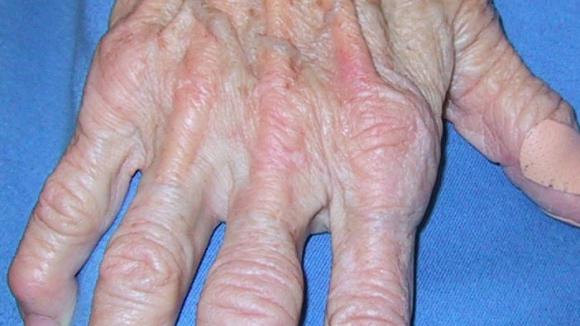
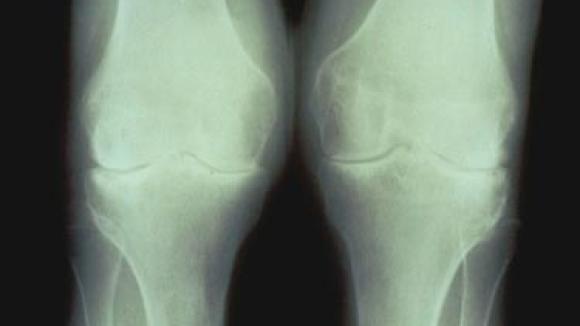
Hand and knee osteoarthritis are considered to be clinically and pathogenically different and distinct, but a new study suggests that Heberden's nodes (HNs) can predict MRI‐based knee osteoarthritis (OA) progression.
Lenore Buckley and Mary Humphrey have published a nice review of glucocorticoid-induced osteoporosis (GIOP) in the NEJM.
JAMA reports that health care advertising costs in the U.S. have almost doubled over the past two decades, surging from $17.7 billion in 1997 to at least $29.9 billion in 2016.
A current meta-analysis of safety and efficacy of combination bDMARD treatment in RA patients shows that combination treatments increase serious advese event (SAE) risks, and the risk for serious infections in particular.
An article in the New England Journal of Medicine reports that the rates of suicide and drug overdoses has doubled in the last 17 years, and that opioids are largely to blame.
This annual appraisal of hallmark moments, news and research articles from 2018 are gleaned from that published in RheumNow during the last year and filtered by other news sources and literature review. The top 10 list herein is rooted in what rheumatologists should know and what will likel
A systematic review and network meta-analysis of 47 randomized clinical trials in knee osteoarthritis finds uncertainty around estimates of effect size for pain scores thereby casting uncertainty over the long-term efficacy of medications for knee osteoarthritis.
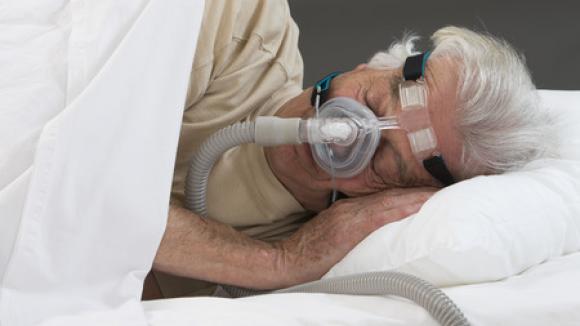
Both Gout and obstructive sleep apnea (OSA) comingle with a wide range of serious comorbidities. A matched retrospective cohort study from the UK Clinical Practice Research database shows those with OSA are at a higher risk of developing gout.
Researchers from Yale have taken a novel approach and shown benefits when using tofacitinib in severe cutaneous sarcoidosis.
Pregnancy and drug safety is a complex issue, often with limited information about maternal drug exposure on the offspring. Greater uncertainty exists when considering whether paternal exposure may also influence fetal outcomes.
An analysis of SK&A outpatient provider files, covering 90% of physician practices in the United States, shows that between 2008 to 2016, there was a 22% increase in the employment of advanced practice clinicians (APCs) by specialty practices. By 2016, 28% of all specialty practices employed APCs.