

All News

Tocilizumab Shows No Increase in Cardiovascular Risk
The ENTRACTE trial examined the risk for major adverse cardiovascular events (MACE) in RA patients and found no increased risk of MACE in patients treated with tocilizumab (TCZ) versus etanercept (ETN).
Read Article
Number of Prior DMARDs Portends Poorer Outcomes
Detailed analysis of two clinical trials in RA has shown that clinical responses decrease as the disease duration and number of prior DMARDs increase.
The associations between disease duration and number of prior DMARDs and response to therapy were assessed using data from two randomised controlled trials in patients with established RA (mean duration, 11 years) receiving adalimumab+methotrexate.

RheumNow Podcast - I Wanna New Drug (8-30-19)
Dr. Jack Cush vents on choosing new therapies in rheumatoid arthritis.
Read Article

High-Dose Vitamin D: No Help for Bone Health
Vitamin D might not be much help for strengthening bones among healthy adults without osteoporosis, Canadian researchers reported, even at doses far higher than recommended daily allowances.
In a clinical trial assessing three levels of daily vitamin D supplementation -- 400 IU, 4,000 IU, and 10,000 IU -- radial volumetric bone mineral density was significantly lower among those (ages 55-70) taking higher doses for 3 years, according to Steven Boyd, PhD, of the University of Calgary in Canada, and colleagues.
Checkpoint Inhibitors: Who Gets Myocarditis?
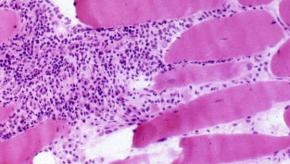
The usual risk factors for myocarditis may not apply to who gets it while on immune checkpoint inhibiting cancer drugs, an FDA adverse event database suggested.
Read Article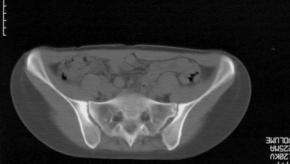
Taltz FDA Approved for Ankylosing Spondylitis (Radiographic Axial SpA)
The FDA has approved the IL-17A inhibitor Taltz (ixekizumab) for the treatment of adults with active ankylosing spondylitis (AS: also known as radiographic axial spondyloarthritis).
Read Article
ACR/SPARTAN Recommendations for the Treatment of Ankylosing Spondylitis and Nonradiographic Axial Spondyloarthritis
The American College of Rheumatology (ACR), in partnership with the Spondylitis Association of America (SAA) and the Spondyloarthritis Research and Treatment Network (SPARTAN), released the 2019 Update of the Recommendations for the Treatment of Ankylosing Spondylitis (AS) and Nonradiographic Axi
Read Article
RheumNow Podcast – Upadacitinib FDA Approved for RA (8.23.19)
Dr. Jack Cush reports on the news and journal reports from the past week on RheumNow.com, including: how your genetics may shape your microbiome; GERD as a risk factor for TMJ?; how can MDA-5+ dermatomyositis be any worse; new drug happenings; StillsNow.com; and more.
Read Article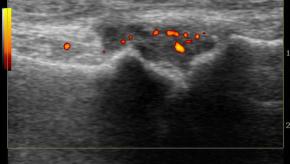
A Multidimensional Definition of Remission
A study from Leeds suggests 'multi-dimensional remission' (MDR) can be seen in one-third of RA patients achieving DAS28-remission; such patients have better patient-reported outcome measures, making it an optimal goal, especially from a patient's perspective.
Read ArticleOsteoporosis Tx: Good for Bones, but Not for Cutting Death Risk
Osteoporosis treatments were not linked with reduced overall mortality, according to a meta-analysis of placebo-controlled trial data.
Read ArticleGood Pregnancy Outcomes for DMARD Exposed JIA Patients
A study of pregnancy outcomes in 98 women with juvenile idiopathic arthritis (JIA) who were exposed to DMARDs shows no increased risk of major adverse pregnancy outcomes.
Read Article
Autoantibodies Don't Disappear With Remission in RA
Immunologic remission in rheumatoid arthritis, defined as the disappearance of anti-citrullinated protein antibodies and rheumatoid factor, was seen infrequently among patients achieving sustained clinical remission and did not correlate with the disappearance of symptoms, a long-term Dutch study found.
Read Article
Skyrizi Outduels Humira in Psoriasis
A head-to-head trial has shown that risankizumab was significantly superior to adalimumab in providing skin clearance (PASI90) in patients with moderate-to-severe plaque psoriasis, with no difference in safety signals between the two agents.
Read Article
Upadacitinib (RINVOQ) FDA Approved for Rheumatoid Arthritis
The US Food and Drug Administration (FDA) on Friday, August 16, approved AbbVie JAK1 inhibitor, Rinvoq (upadacitinib) for adults with rheumatoid arthritis with moderately to severely active disease either not responding to, or intolerant of, methotrexate (MTX).
Read Article
RheumNow Podcast – Antibiotics Increase RA Risk (8.16.19)
Dr. Jack Cush reports the news and important journal articles from the past week on RheumNow.com.
Read Article
Trends in Inflammatory Arthritis Care in Germany
The German National Database (NDB) has reviewed their experience in the care and quality of life of inflammatory rheumatic disease patients snce 1993, showing improved use of metrics, improved outcomes and a changing profile of biologic and anti-rheumatic drug use.
Read Article
With Autoimmunity, Checkpoint Inhibitors Can Be Used
Among patients with pre-existing autoimmune diseases who developed cancer and were treated with immune checkpoint inhibitors (ICI), flares of the underlying disease and other immune-related adverse events were common, a retrospective study conducted in France showed.
Read Article
Bisphosphonate Use Associated with Reduced Mortality
The Journal of Bone and Mineral Research (JBMR) has published a report showing that a reduction in the rate of bone loss by nitrogen bisphosphonates was associated with a 40% lower mortality risk.
Read Article
War on RA – Part 4: Desperado – Time to Open the Gate
Do you know what the best-selling album of all time is? Could it be Bing Crosby? U2? Fleetwood Mac? AC/DC? I know, it’s Michael Jackson’s “Thriller” right?
Actually it’s the Eagles Greatest Hits – it surpassed Jackson’s Thriller in August 2019 as the best-selling with a total of 36 million copies sold since it was released in 1976. Wait! Are we not Rheumatologists? Aren’t we supposed to be discussing rheumatoid arthritis?

Enbrel Patent Battle Won by Amgen
The ugly, legal, financial underbelly of US biosimilar drug development showed up in court last Friday, when a U.S. judge upheld two of Amgen's patents for Enbrel, thwarting a legal challenge by Novartis/Sandoz over its etanercept-szzs biosimilar, Erelzi.
Read Article
