Article
Dr. Jack Cush reviews the News and Journal Reports from the past week on RheumNow.com.

Search for Terms or Answers
Dr. Jack Cush reviews the News and Journal Reports from the past week on RheumNow.com.
In an Annals of Rheumatic Disease report, Italian investigators performed consecutive testing for SARS-CoV-2 (IgM and IgG) between 25 March to 25 May 2020 and compared test results between rheumatic disease (RMD) patients and the general population.

Patients with rheumatoid arthritis (RA) who were obese were significantly less likely to remain on treatment with tumor necrosis factor (TNF) inhibitors -- but so were those who were underweight, a large, long-term study determined.
Compared with patients with normal weight, patients in obesity class II, whose body mass index (BMI) was 35 to 39.9, had a hazard ratio for shorter drug survival (i.e., the drug's effectiveness, safety, and tolerability) of 1.28 (95% CI 1.06-1.54), while those in obesity class III, whose BMI exceeded 40, had a hazard ratio of 1.67 (95% CI 1.29-2.18), according to Sytske Anne Bergstra, PhD, of Leiden University Medical Center in the Netherlands, and colleagues.

The IMMerge trial has demonstrated the superiority of interleukin (IL)‐23 over IL-17A inhibition adults with plaque psoriasis.

Inflammatory events following infection with SARS-CoV-2 can often worsen the morbid or mortal outcomes with COVID, yet it has been unclear if glucocorticoids may modulate inflammation-mediated damage and lung injury. The RECOVERY trial reports that dexamethasone (DEX) use lowered 28-day mortality among COVID-19 patients requiring respiratory support.
The RECOVERY trial was performed in the UK and enrolled hospitalized COVID-19 patients who were randomly assigned patients to usual care alone or the addition of oral or intravenous dexamethasone (at a dose of 6 mg once daily) for up to 10 days. The primary outcome was 28-day mortality.

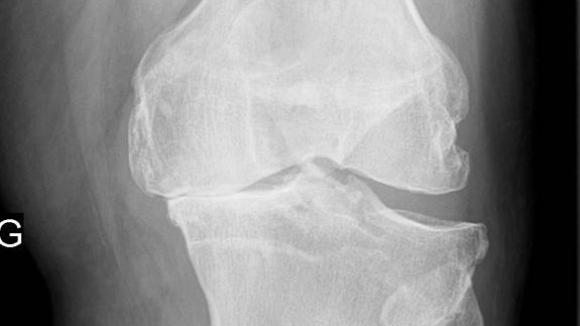
Pain management in knee osteoarthritis (OA) is confounded by studies showing less is equal to usual standards of care. A recent trial showed that meloxicam was superior to placebo or cognitive behavioral therap (CBT); although the differences were small.
Hydroxychloroquine (HCQ) helped reduce recurrent maternal autoantibody-mediated congenital heart block (CHB) in fetuses, an open-label study suggested.


By downloading this material, I acknowledge that it may be used only for personal use and personal education and that I will accredit RheumNow.com as the source and owner of this material. Commercial use or mass reproduction of this material without permission from RheumNow (info@rheumnow.com) is prohibited.