Researchers at Northwestern University have used ultrasound-guided tissue biopsy from the joints to analyze the genes of tissue macrophages with the hope that transcriptional profiling of synovial macrophages may be correlated with clinical parameters or drug responsiveness in rheumatoi

All News
MMWR reports that In 2015, the number of adults with arthritis continued to increase; with marked geographic variability in arthritis estimates with gaps in arthritis management.
Research from the Danish biologics registry shows that the use of a biologic in patients with a history of a primary cancer does not increase the risk of a second malignant neoplasm (SMN) or mortality in rheumatoid arthritis (RA) patients.
Dr. Jack Cush reviews the highlights from the news, journals and major meetings. Bigtime rheumatologic lessons with tales from intestinal crypts, the friendly skies & the hips of hockey players. Also the microbiome and lupus, benefits of ENT findings with GPA and rare risk of opportunistic infections with biologics.
The British Society for Rheumatology Biologics Register for Rheumatoid Arthritis has studied nearly 20,000 patients and observed that there is no substantially different risk of opportunistic infections between different biologics.
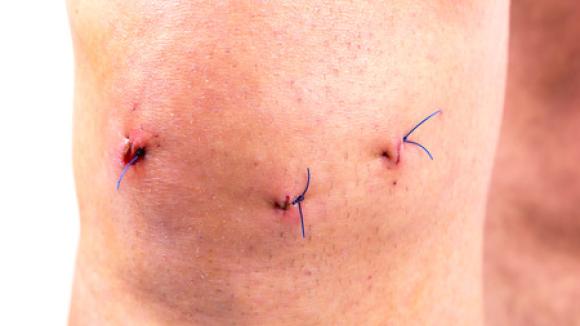
JAMA Surgery reports that arthroscopic partial meniscectomy (APM) is still one of the most common surgeries performed, despite evidence from large trials (eg, FIDELITY study) showing that APM is no more effective than exercise and physical therapy, especially in adults over age 65 years.
Dr. Jack Cush reviews highlights, news and recent research published this past week on RheumNow.com. This week's report includes news on new regulatory changes, new indication for tofacitinib, the rise and deficits of opioids and the benefits of fish and bariatric surgery.
Yesterday a FDA advisory panel voted 15-0 in favor of approving Xeljanz (tofacitinib) 10 mg bid for patients with moderate to severe ulcerative colitis.
Exposure to biologic therapies among women with autoimmune diseases was not associated with increased risks of preterm delivery or having small for gestational age babies, a population-based Canadian study found.
This edition of RheumNow's Drug Safey Bulletin includes drug safety news, FDA updates, FDA safety labeling changes and reported drug shortages.
The CDC released new information yesterday showing that emergency department (ED) visits for opioid overdoses rose 30% in the US from July 2016 through September 2017; in addition, those with an overdose are more likely to a repeat overdose.
JAMA reports that the SPACE trial demonstrates patients with chronic back or arthritis pain respond equally to 12 months of either opioids or non-opioid (acetaminophen or NSAIDs) analgesics.
In comments submitted today to the US Department of Labor in response to its Association Health Plans (AHP) proposed rule, the American College of Rheumatology urged Administration officials to protect essential health benefits and other consumer protections that make it possible for individuals
Subcutaneous abatacept (Orencia) showed efficacy among children with polyarticular juvenile idiopathic arthritis (JIA) in an open-label phase III trial.
The Journal of Clinical Investigation reports the results of a trial wherein etanercept (ETN) was shown to be effective in treating cytotoxic T lymphocyte–mediated (CTL-mediated) severe cutaneous adverse reactions (SCARs), including Stevens-Johnson syndrome (SJS) and toxic epidermal necrolysis (T
An animal model study in the Journal of Endocrinololgy reports the potential use of leflunomide in the control of hyperglycemia in male mice.
Dr. Jack Cush reviews the news and highlights from the past week on RheumNow.com.
Pregnant women (n=254) with rheumatoid arthritis who enrolled in the MotherToBaby Autoimmune Diseases in Pregnancy Study and who were taking oral glucocorticoids were studied.
A systematic review of the literature on the relationship between diet during pregnancy, lactation, or the first year of life suggests that maternal ingestion of probiotic and fish oil supplementation may reduce risk of eczema and allergic sensitization to food, respectively.
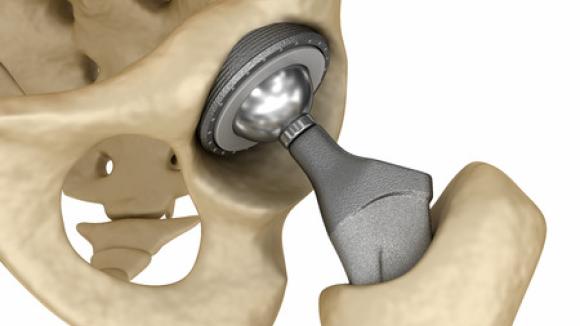
Data from Swedish hip replacement registry finds that total hip arthroplasty not only improves quality of life, it is also associated with increased life expectancy that lasts for 10 years after surgery, especially in primary osteoarthritis patients.