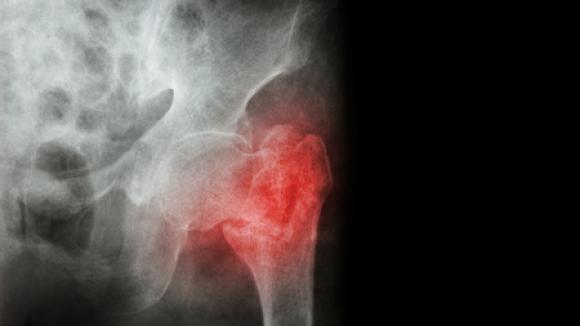
The U.S. Preventive Services Task Force (USPSTF) concludes current scientific evidence is insufficient regarding the use of vitamin D and calcium, alone or in combination, to prevent fractures in men and premenopausal women. The USPSTF recommends against daily supplementation with 400 IU or less of vitamin D and 1,000 mg or less of calcium to prevent fractures in postmenopausal women. Current scientific evidence is insufficient regarding the use of vitamin D and calcium at doses greater than 400 IU of vitamin D and greater than 1,000 mg of calcium in postmenopausal women.
All News
A recent meeting (April 9-12) of the European Medicines Agency’s (EMA) Pharmacovigilance Risk Assessment Committee (PRAC) considered the problem of dosing errors with methotrexate (MTX), citing "continued reports of overdose."
MMWR reports that eight states, including Colorado, have legalized recreational marijuana for use by adults and that a study of use in Colorado has shown that nearly 15% of Colorado adult workers have used marijuana in the past 30 days.
Dr. Jack Cush reviews the news and journal reports from the past week on RheumNow.com. Highlights includes manpower shortfalls, comorbidities in AA Lupus, certolizumab pregnancy safety, which Shingles vaccine is best and the power of combination biologics in severe refractory SLE.
The current issue of the NEJM reviews the Food and Drug Administration (FDA) “breakthrough therapy” designation that was introduced in 2012 to expedite testing and approval of medications that were intended to treat serious or life-threatening conditions. This status is granted when prelimi
One of the driving pathogenic mechanisms in systemic lupus erythematosus (SLE) is the generation of immune complexes capable of inducing netosis (NET formation) and NET-derived DNA that may be an amplifying autoantigen and give rise to anti-nuclear autoantibodies (ANAs).
Apremilast (Otezla) monotherapy was effective for psoriatic arthritis among patients who had not previously received disease-modifying anti-rheumatic drugs (DMARDs) or biologics, a phase III clinical trial funded by the drug's manufacturer found.
Dr. Maya Buch from Leeds has a thoughtful Viewpoint article in Annals of Rheumatic Disease on how to consider and manage the refractory or difficult rheumatoid arthritis (RA) patient.
Clowse and colleagues have published an extensive review of the certolizumab pegol (CZP) in pregnancy database, and found no evidence that CZP has a teratogenic effect or contributes to fetal harm when compared to the general population.
A European group of experts has formulated consensus-based recommendations for the treatment of juvenile idiopathic arthritis (JIA)-associated uveitis, focusing on screening, monitoring, and treatment of this potentially devastating extra-articular manifestation of JIA.
The German Autoinflammatory Disease (AID) registry has studied the effects of the IL-6 inhibitor tocilizumab (TCZ) in systemic juvenile idiopathic arthritis (sJIA) patients and shown a clinical response rate of 35% during the first 12 weeks, and inactive disease and/or remission (with medication)
Three reports from JAMA Internal Medicine demonstrate favorable trends with less opioid use when cannabis became legal.
Abhishek et al have written on the results of an international survey of crystal arthritis experts and identified the unmet needs regarding calcium pyrophosphate crystal deposition (CPPD) - research, classification, diagnosis and management.
Dr. Jack Cush reviews the news and journal reports from the past week on RheumNow.com. News on drug regulatory decisions, fenofibrate and gout, Still's disease, TB and infection rates, SpA and hidradenitis suppurativa, and predicting methotrexate non-responders.
The journal Bone reports that given excess calcium intake may not be entirely free from unintended health consequences, it's important to undestand trends in calcium supplement use.
Investigators from Glasgow and Oxford have identified changes in genomic architecture, represented by a chromosome conformation signature, that can predict nonresponse to methotrexate in early rheumatoid arthritis patients.
Recognizing that studies show 35–59% of RA patients do not achieve clinically meaningful responses after starting MTX, they sought to identify a pattern of genetic changes in 59 early RA patients that would predict poor responses to MTX therapy.
Stopping methotrexate for 2 weeks after the administration of flu vaccine led to improved immunogenicity without increasing disease activity among patients with rheumatoid arthritis (RA), a prospective Korean study showed.
Lancet reports the results of the FIELD (Fenofibrate Intervention and Event Lowering in Diabetes) study - where fenofibrate was shown to reduce uric acid by 20%, gout events by nearly 50% and may be useful in preventing gout in diabetes.
The journal Stroke has published a trial wherein the use of subcutaneous IL-1Ra (anakinra) was shown to reduce the peripheral inflammatory response in those with an acute ischemic stroke.
Dr. Jack Cush reviews the highlights from the news, journals and major meetings. New announcements and approval from the FDA; novel associations between ANCA vasculitis and thyroid disease; flare rates after arthroplasty; and pregnancy outcomes for men and women.