
Article
2016 has been a big year for biosimilars in rheumatology.

Search for Terms or Answers
2016 has been a big year for biosimilars in rheumatology.

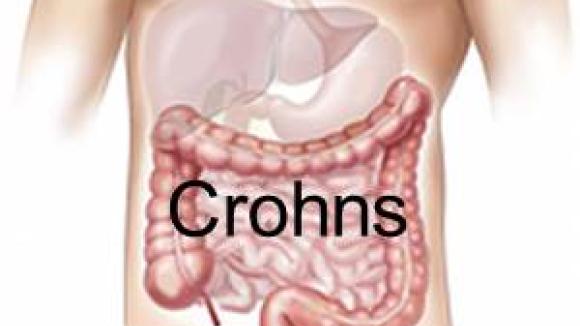
The anti-IL-12/IL-23 inhibitor, Stelara (ustekinumab) has been FDA approved for the treatment of psoriasis and psoriatic arthritis. In the last week, the EMA's CHMP has recommended that the drug also be approved for use in Crohn's disease.
Who makes billions in profits and millions in bonus monies? PBMs and insurers, thats who.
This week United Healthcare and Express Scripts announced new plans to restrict patient and prescriber access to popular, expensive, albeit FDA-approved, medications and biologics.
Who benefits, who loses?

JAMA has reported the results of a 24-month trial showing that obese individuals on a long-term healthy diet and exercise program do not have significantly more weight loss from using a wearable device that tracks their activity.

Most US rheumatologists use multiple TNF inhibitors before switching. A new French study suggests that "other-MOA", non-TNF biologics are more effective after failing a TNF inhibitor.

A recent review has shown that tumor necrosis factor-α inhibitors (TNFi) rarely cause MS-like disorders.

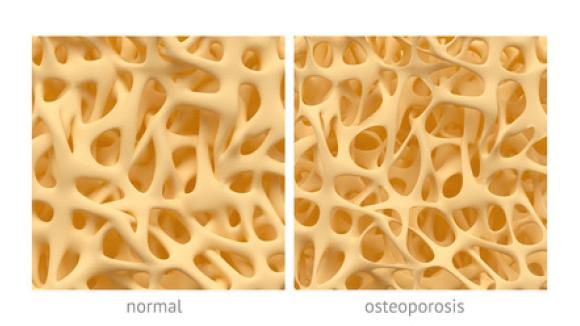
The osteoporsis therapeutics arena is starting to fill with new drugs and novel mechanisms of action.
A review of this week's news including the cost of opioid abuse, a RTX biosimilar, a new drug for scleroderma, a new shingles vaccine and a CPAP disappointment.
The Sept.16th issue of MMWR reports that many Americans over age 50 are not getting sufficient exercise, thereby increasing their risk for falls, fractures and comorbidities, if not premature death. (Citation source http://buff.ly/2cPAcq9)

In the current issue of the NEJM, a Herpes zoster subunit vaccine was reported to be highly effective in adults - specifically in 2 studies (ZOE50 and ZOE70) targeting adults over age 50 and over age 70 years. (Citation source: http://buff.ly/2cMng17)

Updates and journal articles on opioids, drug induced sarcoidosis, cancer and cancer recurrence risks with TNF inhibitors and biologics, and FDA labeling changes.

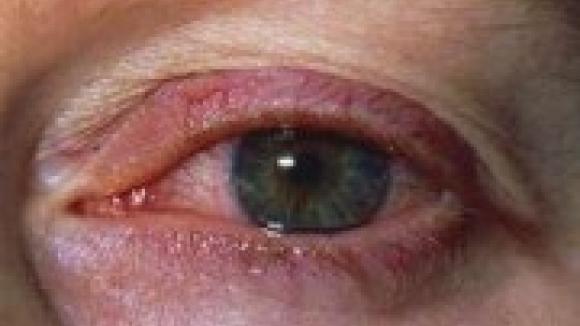
Rheumatologists may encounter patients with intermediate, posterior and pan-uveitis as part of certain rheumatic diseases such as Behcet’s, but more frequently may be called on to co-manage these patients with steroid sparing agents.
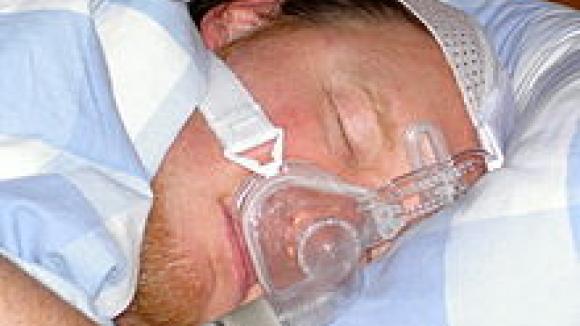
There are numerous health hazards associated with obstructive sleep apnea (OSA), including an increased risk of cardiovascular events.
Dr. Jack Cush reviews highlights from the past week on RheumNow.com, including IBD/TNFi and cancer risk, fracture nonunion, PMR worse in women, not treating asymptomatic hyperuricemia, and shingles followed by stroke.
The factors that influence the safety of biologic therapy are numerous. Amongst them, increasing age is a potential risk factor, moreso if you also consider the polypharmacy, comorbidities and longer disease duration inherent in an elderly group of rheumatoid arthritis (RA) patients.

Dr. Jack Cush reviews highlights from this week in RheumNow:
Disease flares are common in rheumatoid arthritis (RA), often causing patients to seek additional care, if not medication.
The frequency of flares varies amongst studies in different populations. But the consequence of flares has only recently been studied.
The 2010 NHANES study suggests that the overall prevalence of osteoporosis (OP) in the USA is ~10% or 10.2 million older adults (> 50 yrs) had osteoporosis.
Yesterday the U.S. Food and Drug Administration approved a new biosimilar, Erelzi, (etanercept-szzs), for the same multipile indications as the originator Enbrel, including rheumatoid arthritis, plaque psoriasis, Erelzi, will be generically labelled as etanercept-szzs.

In 2015, the Food and Drug Administration (FDA) updated the warnings of all marked bisphosphonates to include the risk of osteonecrosis of the jaw (ONJ) and atypical femoral fractures (AFF).
By downloading this material, I acknowledge that it may be used only for personal use and personal education and that I will accredit RheumNow.com as the source and owner of this material. Commercial use or mass reproduction of this material without permission from RheumNow (info@rheumnow.com) is prohibited.

