
Article
Research from the NEJM shows that oral antibiotic therapy was noninferior to intravenous antibiotic therapy when used during the first six weeks for complex orthopedic infections.

Search for Terms or Answers
Research from the NEJM shows that oral antibiotic therapy was noninferior to intravenous antibiotic therapy when used during the first six weeks for complex orthopedic infections.

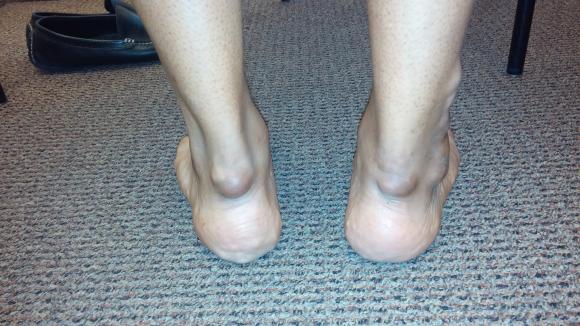
Approximately 90% of patients with rheumatoid arthritis (RA) have foot problems.
Obese patients with psoriatic arthritis (PsA) who followed a short-term, very low-energy diet showed improvements in multiple aspects of disease activity, a prospective study found.

A subanalysis of the early rheumatoid arthritis (RA) "IMPROVED" study has shown that changes in RA-autoantibody levels are not associated with disease activity or or long-term drug response, but instead reflect intensity of immunosuppression.

Alcohol, smoking and obesity have all been shown to influence the risk and activity of rheumatoid arthritis (RA) and may also influence response to therapy. This study assesssed whether smoking would influence response to rituximab (RTX) in RA.

Dr. Jack Cush reviews the news, articles and FDA Panel discussions from the past week.

A current meta-analysis of safety and efficacy of combination bDMARD treatment in RA patients shows that combination treatments increase serious advese event (SAE) risks, and the risk for serious infections in particular.

Dr. Jack Cush reviews the news and journals for the beginning of 2019. All from RheumNow.com.
Best wishes for a charmed 2019! My advice: 1. Just show up. 2. If you can, then you must do. 3. Live each day as if it twas your 1st day/last day/make or break day. 4. Teach.
This annual appraisal of hallmark moments, news and research articles from 2018 are gleaned from that published in RheumNow during the last year and filtered by other news sources and literature review. The top 10 list herein is rooted in what rheumatologists should know and what will likel
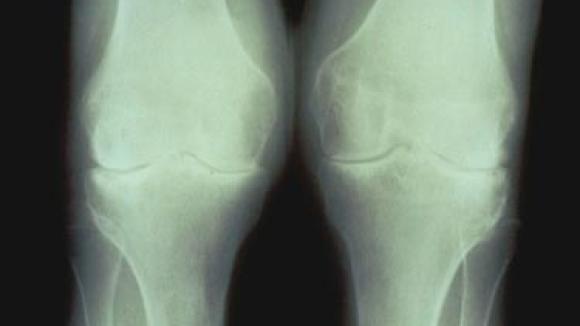
A systematic review and network meta-analysis of 47 randomized clinical trials in knee osteoarthritis finds uncertainty around estimates of effect size for pain scores thereby casting uncertainty over the long-term efficacy of medications for knee osteoarthritis.
Researchers from Yale have taken a novel approach and shown benefits when using tofacitinib in severe cutaneous sarcoidosis.

Pregnancy and drug safety is a complex issue, often with limited information about maternal drug exposure on the offspring. Greater uncertainty exists when considering whether paternal exposure may also influence fetal outcomes.

An analysis of SK&A outpatient provider files, covering 90% of physician practices in the United States, shows that between 2008 to 2016, there was a 22% increase in the employment of advanced practice clinicians (APCs) by specialty practices. By 2016, 28% of all specialty practices employed APCs.

Hydroxychloroquine retinopathy prevention guidelines have revised from ideal body weight-based dosing to actual body weight-based dosing; the question remains whether these have been adopted in clinical practice.
A database of nearly 21,000 new HCQ users from a UK general population database studied HCQ dosing and use between 2007 and 2016. Specifically they examined whether users were subjected to excess HCQ dosing per ophthalmology guidelines (defined by exceeding 6.5 mg/kg of IBW and 5.0 mg/kg of ABW).

Dr. Jack Cush reviews the news from RheumNow for the week ending 12/21/18.

The NEJM reports that the use of zoledronate significantly reduces the risk of nonvertebral or vertebral fragility fractures in women with osteopenia.

No significant differences in risk for venous thromboembolism (VTE) were seen in patients with rheumatoid arthritis (RA) treated with tofacitinib (Xeljanz) and those receiving tumor necrosis factor (TNF) inhibitors, analysis of administrative data showed.
Lilly has issued an advanced press release on its SPIRIT-H2H trial, wherein ixekizumab (Taltz) was shown to be more effective than than adalimumab (Humira) in a 24 week psoriatic arthritis study.

Interactions between disease-related inflammatory processes and the development of several morbidities have been well-studied in RA, particularly heart disease. This is not the case for the often-lethal SSc (estimated standardized mortality ratio between 2.5 and 4.0).

Dr. Jack Cush reviews the news and new journal articles from the past week on RheumNow.com:
By downloading this material, I acknowledge that it may be used only for personal use and personal education and that I will accredit RheumNow.com as the source and owner of this material. Commercial use or mass reproduction of this material without permission from RheumNow (info@rheumnow.com) is prohibited.